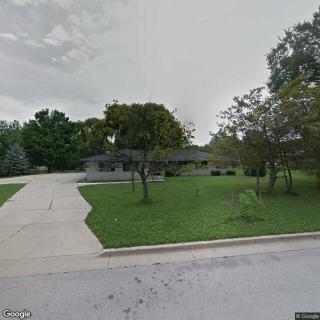
Dycora Transitional Health - Greendale

5404 West Loomis Road, Greendale, WI 53129

For more information about senior living options: (844) 490-3973

2.7 from 25 reviews
5 stars
9
4 stars
0
3 stars
2
2 stars
2
1 stars
12

Overall Review of Dycora Transitional Health - Greendale

Pros

  • pro The therapists were a positive aspect of the care.
  • pro The nursing and rehab staff were great.
  • pro The therapy staff was wonderful.
  • pro Dycora Greenfield excelled at helping patients get back on their feet, with top-notch physical and occupational therapy and a professional, friendly, and helpful nursing staff.
  • pro The CNA seemed to care, and treatment was great.
  • pro The staff took great care of residents and helped them get back on their feet.

Cons

  • pro The care is terrible, and families are advised not to send their loved ones there.
  • pro The rooms are worn and dingy, with dated, damaged fixtures.
  • pro Food service is slow, and meals are frequently served cold or unappetizing.
  • pro Call light response times are inconsistent, leading to safety concerns and falls.
  • pro Staff behavior is inconsistent or unresponsive, with reports of rudeness or cruelty toward residents.
  • pro Personal items go missing, raising concerns about privacy and security.
  • pro Rehab services are limited or inconsistently provided, with periods of little to no therapy.
  • pro Hygiene and infection-control practices are inadequate, with gloves not worn and poor hand hygiene observed.

Review

This community is best suited for individuals entering short-term rehabilitation who prioritize intensive physical and occupational therapy and can tolerate variability in daily care and environment. When success in getting back on feet and independence is the primary goal, Dycora Transitional Health - Greendale can deliver strong therapy outcomes in the hands of capable therapists and nursing staff. It is less ideal for those who expect a consistently pristine setting, steady daily attention, and uniformly reliable service across all shifts. Families should expect to advocate actively, monitor progress, and be prepared for mixed day-to-day experiences.

Those who may want to consider alternatives are residents with more stringent needs for daily, uniform assistance or residents who require a consistently calm, clean, and well-maintained environment. Several reviews raise red flags about room condition, cleanliness, and the overall upkeep of the facility, suggesting that a higher standard of comfort and safety may be found elsewhere. Long-term residents or individuals with complex, ongoing care requirements, including those who rely on predictable staffing and rapid call-light responses, are likely to be better served by facilities with stronger track records in reliability and ward-level operations. The combination of dated surroundings and reports of inconsistent service makes this a decision to scrutinize carefully.

The strongest positives center on rehabilitation performance. Therapy staff, particularly physical and occupational therapy teams, are repeatedly cited as the most effective, with several accounts describing tangible progress toward regaining function and independence. Nursing teams are occasionally praised for compassionate, competent care, and some CNAs demonstrate genuine dedication. For families focused on measurable rehab gains, these elements matter and can offset some friction with rooms, meals, or routine communication. When therapy is the priority, the facility’s strengths can translate into meaningful, timely improvements for a recovering loved one.

Yet the weight of the cons is sizable and persistent. Call-light responsiveness is described as inconsistent, with safety concerns arising when assistance is not promptly available. Cleanliness and maintenance emerge as ongoing issues, rooms, fixtures, and common areas show wear, and some families report items going missing or perceived neglect in daily housekeeping. Food quality and service are sources of dissatisfaction, with meals routinely described as unappealing or served cold. Communication gaps and perceived lapses in dietary and care orders further undermine trust, and several accounts point to staff fatigue or disengagement during certain shifts. The atmosphere at times feels strained, with fears about infection control and basic respect for patients and families surfacing in multiple reviews.

Practical guidance follows from these realities. Prospective families should verify a detailed rehab schedule that aligns with discharge goals, and directly observe a therapy session or two to confirm the tone and intensity of treatment. Request a candid discussion with the administrator or director about staffing levels, response times, and how frequent turnover is managed. Prioritize a tour that includes the patient room, common areas, and the dining space; ask about maintenance plans to address wear and tear. Clarify policies around personal items, financial safeguards, and incident reporting. Finally, insist on a clear, written care plan with defined milestones, regular family updates, and concrete expectations for daily support.

The bottom line is practical and specific: for families whose top criterion is proven rehab capability, and who are prepared to supervise and supplement care, this facility can deliver meaningful recovery wins. For those who cannot tolerate inconsistency in daily care, suboptimal cleanliness, or uneven attention from staff, alternatives with stronger systems for oversight, reliability, and comfort are likely worth pursuing. The decision hinges on balancing the desire for aggressive therapy and returns to independence against the reality of environmental quality, consistent staffing, and dependable daily care. In the end, a well-structured, honest assessment during a visit will determine whether Dycora Transitional Health - Greendale can meet these specific priorities.

Features

Housing

  • 120 resident community capacity 120 resident community capacity

Types of Care

  • Skilled Nursing Facility Skilled Nursing FacilitySkilled Nursing Facilities are crucial for seniors as they provide round-the-clock medical care, rehabilitation services, and assistance with daily activities. These facilities ensure that seniors receive the specialized care they need to maintain their health and well-being as they age.

Amenities

  • Air-conditioning Air-conditioningAir conditioning is important for seniors as they are more vulnerable to heat-related illnesses and may have underlying health conditions that make it difficult for them to regulate their body temperature. It helps to keep them comfortable, safe, and healthy in hot weather.
  • Beauty salon Beauty salonBeauty salons are important for seniors because they provide a space for them to feel pampered, socialize, and maintain their personal grooming and hygiene. Regular visits to a beauty salon can help boost seniors' self-esteem and overall well-being.
  • Cable or satellite TV Cable or satellite TVCable or satellite TV is important for seniors because it provides entertainment, news, and companionship, helping to combat loneliness and boredom. It also offers a wide range of programming options tailored to different interests and preferences.
  • Computer center Computer centerA computer center is essential for seniors as it provides access to technology, communication tools, and resources that can enhance their daily lives. It allows them to stay connected with loved ones, engage in online activities, and learn new skills, ultimately promoting socialization and mental stimulation.
  • Dining room Dining roomDining rooms are important for seniors as they provide a space for socialization, connection, and nutritious meals. They offer opportunities for residents to bond over shared meals, foster a sense of community, and promote healthy eating habits. Dining rooms also ensure that seniors have access to well-balanced meals tailored to their dietary needs and preferences.
  • Fitness room Fitness roomHaving a fitness room in a senior living community is essential for seniors to stay active, maintain their physical health, and improve their overall well-being. Regular exercise can help prevent falls, reduce the risk of chronic diseases, and promote mental sharpness. It also provides social opportunities for residents to connect with others and enjoy a sense of community.
  • Fully furnished Fully furnishedFully furnished senior living communities are important for seniors because they provide convenience, comfort, and a hassle-free moving experience. Seniors can easily settle into their new living space without the stress of having to buy and move furniture. This allows them to focus on enjoying their new home and community.
  • Gaming room Gaming roomGaming rooms are important for seniors as they provide a fun and engaging environment for socializing, cognitive stimulation, and physical activity. Games can improve memory, problem-solving skills, and overall mental well-being while fostering friendships and reducing feelings of isolation.
  • Garden GardenGardens are important for seniors as they provide a peaceful and therapeutic environment for relaxation, physical activity, and socialization. Being in nature has been shown to reduce stress, improve mood, and promote overall well-being. Gardens also offer opportunities for seniors to engage in gardening activities, which can improve mobility, flexibility, and cognitive function. Additionally, gardens create a sense of community and connection with others who share a passion for plants and outdoor spaces.
  • Housekeeping services Housekeeping servicesHousekeeping services are important for seniors because they help maintain a clean and safe living environment, promote independence, and reduce the risk of accidents or illnesses. Additionally, having assistance with household chores can alleviate physical strain and allow seniors to focus on other aspects of their well-being.
  • Kitchenette KitchenetteKitchenettes are important for seniors living in senior living communities because they provide the convenience and independence of being able to prepare simple meals and snacks in the comfort of their own living space. This can help promote a sense of autonomy and well-being for seniors, allowing them to maintain some level of control over their dietary choices and daily routines.
  • Move-in coordination Move-in coordinationMove-in coordination is important for seniors because it helps ease the transition into their new living environment. It ensures that all logistics, such as packing, organizing movers, and setting up utilities are taken care of, allowing seniors to focus on settling in and adjusting to their new home. Having a smooth move-in process can alleviate stress and anxiety, making the transition smoother and more enjoyable for seniors.
  • Outdoor space Outdoor spaceOutdoor spaces are important for seniors as they provide opportunities for physical activity, social interaction, exposure to natural light and fresh air, and a sense of connection to nature. Having access to outdoor spaces can improve overall well-being and quality of life for older adults living in senior communities.
  • Private bathrooms Private bathroomsPrivate bathrooms are important for seniors in senior living communities because they provide independence, dignity, and comfort. Having a private bathroom allows seniors to maintain their personal hygiene routines without the need for assistance, promoting a sense of autonomy and privacy. Additionally, private bathrooms help prevent the spread of infections and provide a safe and clean environment for seniors to navigate safely.
  • Restaurant-style dining Restaurant-style diningRestaurant-style dining is important for seniors because it allows them to enjoy delicious, nutritious meals in a social and upscale setting. This enhances their dining experience, promotes healthy eating habits, and fosters socialization with fellow residents, ultimately contributing to their overall well-being and quality of life.
  • Small library Small librarySmall libraries are important for seniors as they provide access to a variety of reading materials, including books, newspapers, and magazines. This can help stimulate their minds, keep them engaged, and provide a sense of community through book clubs and other social activities. Additionally, reading has been shown to improve cognitive function and overall mental well-being in older adults.
  • Telephone TelephoneTelephones are important for seniors as they provide a lifeline for communication with loved ones, emergency services, and healthcare providers. They offer a sense of security and independence, enabling seniors to stay connected and access assistance when needed.
  • Wellness center Wellness centerWellness centers are important for seniors because they offer a variety of programs and services that promote physical, mental, and emotional well-being. These centers provide opportunities for exercise, socialization, education, and relaxation, helping seniors maintain their overall health and quality of life.
  • Wi-Fi/high-speed internet available Wi-Fi/high-speed internet availableWi-Fi/high-speed internet is important for seniors to stay connected with loved ones, access online resources, and participate in virtual activities to combat feelings of loneliness and isolation. It also allows them to easily manage healthcare needs, access entertainment, and engage in lifelong learning opportunities.

Transportation

  • General Mitchell International (4 miles away) General Mitchell International (4 miles away)
  • Community operated transportation Community operated transportationCommunity operated transportation is crucial for seniors as it provides them with the means to access essential services, social activities, and medical appointments. It allows seniors to maintain their independence and quality of life by ensuring they can participate in activities outside of their homes. Additionally, community-operated transportation services offer a safe and reliable way for seniors to travel without having to rely on family or friends for assistance.
  • Transportation arrangement Transportation arrangementTransportation arrangements are crucial for seniors as they may face challenges with driving, mobility, or access to public transportation. Having reliable transportation services ensures that seniors can easily attend appointments, social activities, and maintain their independence and quality of life.
  • Transportation arrangement (non-medical) Transportation arrangement (non-medical)Transportation arrangements are essential for seniors as they provide access to essential services, activities, and social interactions outside the home. This service helps maintain independence, mobility, and overall well-being for seniors who may have limited transportation options.
  • Transportation to doctors appointments Transportation to doctors appointmentsTransportation to doctors appointments is crucial for seniors as it ensures they have access to necessary medical care and support, promoting their health and well-being. It allows them to receive timely treatment, monitor existing conditions, and address any new health concerns efficiently. Additionally, transportation services can help seniors maintain their independence and quality of life by enabling them to stay connected with their healthcare providers.

Care Services

  • 12-16 hour nursing 12-16 hour nursing12-16 hour nursing care is crucial for seniors in order to ensure around-the-clock monitoring, timely medication administration, and prompt response to any health concerns or emergencies. This level of care helps to promote the overall well-being and safety of seniors living in senior living communities.
  • 24-hour call system 24-hour call system24-hour call systems are important for seniors because they provide peace of mind and immediate assistance in case of emergencies. This technology ensures that help is always available, promoting safety and security for elderly individuals living alone or in assisted living facilities.
  • 24-hour supervision 24-hour supervision24-hour supervision is important for seniors to ensure their safety, well-being, and access to immediate assistance in case of emergencies or health issues. This constant support provides peace of mind for both seniors and their loved ones, allowing them to age in place with dignity and security.
  • Activities of daily living assistance Activities of daily living assistanceActivities of daily living assistance are important for seniors because they provide essential support with tasks such as eating, bathing, dressing, and mobility. This assistance helps seniors maintain their independence, dignity, and overall quality of life as they age.
  • Assistance with bathing Assistance with bathingAssistance with bathing is crucial for seniors as it helps maintain personal hygiene, prevents infections, and ensures their overall well-being and comfort. It also provides a sense of dignity and independence for seniors who may struggle with this task on their own.
  • Assistance with dressing Assistance with dressingAssistance with dressing is important for seniors because it helps maintain their independence, promotes personal hygiene, prevents accidents and injuries, and improves overall quality of life. This service ensures that seniors can continue to dress comfortably and confidently, despite any physical limitations they may have.
  • Assistance with transfers Assistance with transfersAssistance with transfers is crucial for seniors as it helps prevent falls and injuries, maintains their independence, and ensures they can safely navigate their living environment. It also provides peace of mind for both seniors and their loved ones.
  • Diabetes diet Diabetes dietA diabetes diet is crucial for seniors as it helps manage blood sugar levels, reduce risks of complications, and improve overall health and well-being. By following a balanced and nutritious diet tailored to their specific needs, seniors can better control their diabetes and enhance their quality of life.
  • Meal preparation and service Meal preparation and serviceMeal preparation and service are crucial for seniors as they may have limited mobility or energy to cook nutritious meals. Having access to healthy and convenient food options can ensure they are getting the proper nutrition needed to maintain their overall health and well-being.
  • Medication management Medication managementMedication management is crucial for seniors to ensure they are taking the right medications at the correct dosages and times. This helps prevent adverse drug interactions, reduces the risk of medication errors, and promotes overall health and well-being. Proactive management also allows for adjustments as needed based on changing health conditions or new prescriptions.
  • Mental wellness program Mental wellness programMental wellness programs are essential for seniors as they promote cognitive stimulation, emotional support, and social engagement. These programs help prevent isolation, depression, and cognitive decline, ultimately enhancing the overall quality of life for older adults.
  • Special dietary restrictions Special dietary restrictionsSpecial dietary restrictions are important for seniors because age-related changes in metabolism and health conditions can make it difficult for their bodies to process certain foods. By following a diet tailored to their specific needs, seniors can maintain their overall health and well-being, manage chronic conditions, and reduce the risk of complications such as malnutrition or food interactions with medications.

Dining

  • Diabetes diet Diabetes dietA diabetes diet is crucial for seniors as it helps manage blood sugar levels, reduce risks of complications, and improve overall health and well-being. By following a balanced and nutritious diet tailored to their specific needs, seniors can better control their diabetes and enhance their quality of life.
  • Special dietary restrictions Special dietary restrictionsSpecial dietary restrictions are important for seniors because age-related changes in metabolism and health conditions can make it difficult for their bodies to process certain foods. By following a diet tailored to their specific needs, seniors can maintain their overall health and well-being, manage chronic conditions, and reduce the risk of complications such as malnutrition or food interactions with medications.

Activities

  • Community-sponsored activities Community-sponsored activitiesCommunity-sponsored activities are important for seniors as they provide opportunities for social interaction, mental stimulation, and physical activity. These activities can help improve overall well-being, combat loneliness and isolation, and promote a sense of belonging and purpose among older adults.
  • Concierge services Concierge servicesConcierge services are essential for seniors as they provide assistance with daily tasks and errands, enhance their quality of life by offering convenience and personalized care, and promote a sense of safety and security.
  • Fitness programs Fitness programsFitness programs are crucial for seniors as they help improve strength, flexibility, balance, and overall well-being. Staying active can reduce the risk of chronic diseases, improve mental health, and enhance quality of life in older adults.
  • Planned day trips Planned day tripsPlanned day trips are important for seniors because they offer opportunities for socialization, mental stimulation, and physical activity. They provide a change of scenery and help seniors stay engaged and connected to their community, promoting overall well-being and quality of life.
  • Resident-run activities Resident-run activitiesResident-run activities are important for seniors as they encourage social interaction, creativity, and a sense of autonomy. These activities empower seniors to stay engaged and active in their community while fostering meaningful connections with their peers.
  • Scheduled daily activities Scheduled daily activitiesScheduled daily activities are important for seniors because they provide structure, socialization, mental stimulation, and physical activity. Engaging in regular activities can improve overall well-being and quality of life for seniors living in a community setting.

Description

Dycora Transitional Health - Greendale is an assisted living community located in Greendale, WI. Our community offers a range of amenities and care services to ensure that our residents live comfortably and independently.

In terms of amenities, we provide various facilities for our residents' convenience and enjoyment. These include a beauty salon, cable or satellite TV, a computer center, a dining room, a fitness room, and a gaming room. We also have outdoor space with gardens for relaxation and recreation. For those who enjoy reading, we have a small library available. Our community is equipped with Wi-Fi/high-speed internet to keep our residents connected with their loved ones.

We offer housekeeping services to maintain the cleanliness and orderliness of our residents' living spaces. Each resident has access to private bathrooms for their privacy and comfort. Our restaurant-style dining ensures that residents receive nutritious meals prepared according to their dietary restrictions.

Transportation is arranged by our community for non-medical purposes as well as transportation to doctors' appointments. Move-in coordination is provided to help new residents settle into their new home seamlessly. In addition, we have a wellness center where residents can engage in activities that promote their mental and physical well-being.

Our care services are designed to support our residents' daily needs. We have a 24-hour call system in place to ensure that assistance is readily available when needed. Our trained staff provides 24-hour supervision and assistance with activities of daily living such as bathing, dressing, and transfers. Medication management is offered to help residents stay on top of their medication schedules.

At Dycora Transitional Health - Greendale, we prioritize the overall wellness of our residents by providing special dietary restrictions options and offering a mental wellness program.

To keep our residents engaged and entertained, we organize various activities on a regular basis including fitness programs, planned day trips, resident-run activities, and scheduled daily activities. Additionally, there are several cafes, parks, pharmacies, restaurants, theaters, and hospitals conveniently located near our community for residents to explore.

In conclusion, Dycora Transitional Health - Greendale is an assisted living community that offers a range of amenities and care services to ensure that our residents have a comfortable and fulfilling lifestyle.

Nearby Places of Interest

Pharmacies

  • Meijer Pharmacy (0.8 miles)
  • Walgreens (0.9 miles)
  • Walgreens (1.1 miles)
  • Walgreens (1.7 miles)
  • Metro Market (1.8 miles)
  • Walgreens (1.9 miles)
  • Walgreens (2.2 miles)

Restaurants

  • The Explorium Brewpub Southridge (1.1 miles)
  • El Beso (1.2 miles)
  • McDonald's (1.2 miles)
  • Chick-Fil-A (1.3 miles)
  • Kopp's Frozen Custard (1.4 miles)
  • McDonald's (1.9 miles)
  • Milwaukee Burger Company (2.3 miles)

Physicians

  • Greendale Health Center (1.1 miles)
  • Sports Medicine & Orthopedic Center (1.7 miles)
  • Layton Avenue Dermatolgy Clinic (1.7 miles)
  • Innovative Pain Care (2.8 miles)
  • Maplewood Center (3.3 miles)
  • Oklahoma Pediatrics-Children's Wisconsin (3.8 miles)
  • Lincoln Avenue Clinic (5 miles)

Cafes

  • Starbucks (1.5 miles)
  • Starbucks (3.3 miles)
  • Hawthorne Coffee Roasters (4 miles)
  • Starbucks (4.8 miles)
  • Colectivo Coffee (5.5 miles)
  • Starbucks (5.5 miles)

Hospitals

  • Aurora St Luke's Medical Center (3.3 miles)
  • Surgicenter - Children's Wisconsin (3.9 miles)
  • Froedert Drexel Square Clinic (4.6 miles)
  • Rogers Memorial Hospital (5 miles)

Theaters

  • South Shore Cinema Oak Creek, Wi (3.5 miles)

Parks

  • West Allis West Milwaukee Recr (3.6 miles)
  • Runway Dog Exercise Area (4.6 miles)
  • Humboldt Park (5.1 miles)
  • Schmidt Park (5.3 miles)
  • Greenfield Park (5.9 miles)

Transportation

  • Milwaukee Mitchell International Airport (MKE) (4.1 miles)
  • Delta Ticket Counter (4.1 miles)
  • Security Checkpoint (4.1 miles)
  • Concourse C (4.2 miles)
  • Concourse D (4.3 miles)
  • MKE Runway (4.7 miles)

Frequently Asked Questions

Where is Dycora Transitional Health - Greendale?

Nearby Communities

  • Harbour Assisted Living Residences

    Harbour Assisted Living Residences

    Greendale, WI

    4.5 from 100 reviews
     

    pro 24/7 staff with comprehensive care and a mental wellness program.

  • Harbour Village

    Harbour Village

    Greendale, WI

    4.5 from 201 reviews
    $3,295 to $7,012 / month

    pro Friendly, attentive staff with engaging activities and a strong sense of community; meals are homemade.

  • Harbour House

    Harbour House

    Greendale, WI

    4.5 from 100 reviews
     

    pro Extensive on-site amenities and personalized care services

  • Lakeside House

    Lakeside House

    Greendale, WI


    pro Comprehensive 24/7 care with ADL support, medication management, tailored meals, and transportation coordination.

  • Hillcrest Home East

    Hillcrest Home East

    Milwaukee, WI

    5 from 2 reviews
     

    pro Extensive nearby amenities (cafes, parks, pharmacies, restaurants, transit, theater, hospitals) support an active lifestyle.

  • Hillcrest Homes 44Th

    Hillcrest Homes 44Th

    Greenfield, WI

    5 from 2 reviews
     

    pro Intimate small-capacity community with comprehensive assisted living and daily activities.

  • SYNERGY Home Care - Greenfield,  WI

    SYNERGY Home Care - Greenfield, WI

    Greenfield, WI

    4.5 from 85 reviews
     

    pro Dedicated caregivers and client-focused management; responsive and easy to work with.

  • Clare Terrace

    Clare Terrace

    Milwaukee, WI

    4.2 from 43 reviews
    $2,700 / month

    pro Beautiful chapel, caring staff, and good value.

  • Hillcrest Apartments

    Hillcrest Apartments

    Greenfield, WI

    3.5 from 4 reviews
    $585 to $819 / month

    pro Friendly, attentive staff and welcoming atmosphere.

Related Resources

  • weight training for seniorsWeight Training for Seniors: Building Strength and Vitality

    Weight training is vital for seniors to maintain muscle mass, bone density, and overall health, combating age-related declines through customized resistance exercises that enhance balance and well-being. Safe routines should start with realistic goals and proper form, while emphasizing gradual progress and consultations with healthcare providers to ensure safety and effectiveness.

  • what does the sandwich generation meanUnderstanding the Sandwich Generation: Stress and Responsibilities for Multigenerational Caregivers

    The Sandwich Generation comprises adults managing the dual responsibilities of caring for aging parents and raising children, leading to significant emotional, logistical, and financial challenges. This situation is exacerbated by longer life expectancies and cultural expectations, necessitating effective coping strategies and support resources to alleviate caregiver stress and burnout.

  • assistive devices for elderly8 Essential Assistive Devices for Older Adults

    The article highlights eight essential assistive devices that improve the independence and safety of older adults, addressing issues related to mobility, balance, vision, hearing, and dexterity. It emphasizes the importance of proper selection guided by healthcare professionals to enhance seniors' quality of life while allowing them to age in place.