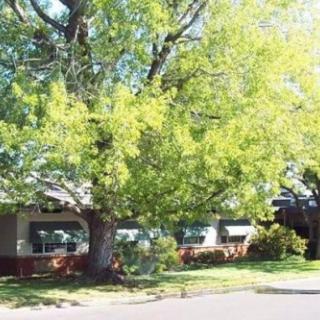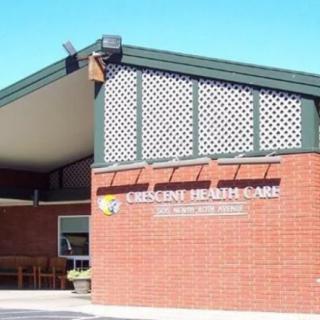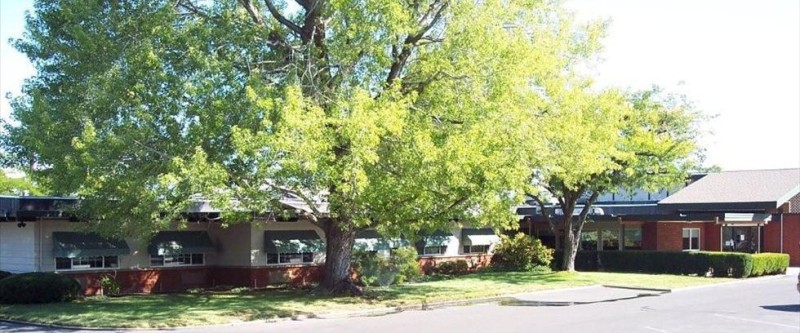

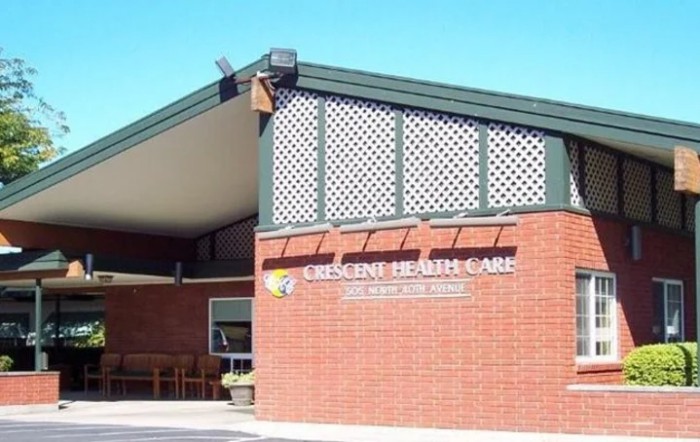
505 North 40Th Avenue, Yakima, WA 98908
For more information about senior living options: (866) 208-4318
Overall Review of Crescent Health Care
Pros
 The staff are wonderful and caring.
- They provided excellent care for her up to the end.
- The facility is clean and well-maintained.
- The staff keep families informed about changes to residents' care.
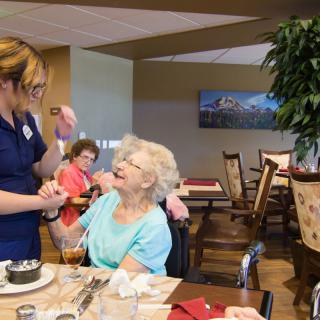
- The meals are satisfying, with beverages and snack options available.
- The staff are friendly and accommodating, helping residents feel at home.
- The facility feels like home, with staff treating families like family.
- The rehabilitation team helps residents regain walking and self-feeding, showing dedication.
Cons
 The reviewer found the facility to be older, which they viewed as a drawback.
- The mother still had complaints about the care.
- Baths were delayed, with staff sometimes not giving her a bath for days.
- Even in a private room, she had to share a toilet with another resident, which was unacceptable to the reviewer.
- The facility did not have enough staff and did not care about the patients.
- The rehab provided was not good.
- The reviewer was not happy with Crescent Care.
Review
Crescent Health Care in Yakima is best suited for families seeking a warm, caregiver-driven environment where daily life is guided by attentive staff and relationships feel personal. This community works well for seniors who need ongoing assistance, consistent family communication, and the comfort of a home-like setting as they navigate long-term care or end-of-life arrangements. The care team’s emphasis on compassion and continuity creates a steady anchor for families, and when rehabilitation or functional recovery is possible, residents often benefit from a familiar team who understands their history. The overall experience is bolstered by a recognized, practical strength in daily care and a sense of security that families value during difficult transitions.
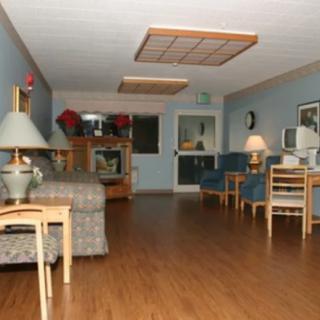
On the flip side, Crescent Health Care is not the right fit for everyone. The facility is older and shows its age in the physical plant, which can translate into amenities that feel dated compared with newer campuses. Bedrooms are arranged primarily for two residents, with shared bathrooms in many layouts, and even private rooms do not always offer full en-suite privacy. A closet size compromise and compact space in some rooms can be limiting for residents and families seeking expansive personal areas. For those who insist on pristine, modern surroundings or guaranteed private bathroom access, alternatives with newer design and more independent living features deserve serious consideration.
The strongest positives center on staff and the human side of care. Reviewers repeatedly praise nurses and aides for genuine kindness, attentiveness, and a willingness to go the extra mile. Family members report timely updates on changes in care and a culture that treats residents like family. There are credible accounts of meaningful rehab progress under Crescent’s supervision, residents regaining walking ability and self-feeding, alongside consistent feeding and assistance during meals. Food quality is described as reasonable to good, with beverages and snack options that help sustain appetite and comfort between meals. In short, the care ethos and day-to-day support can feel transformative for families seeking reassurance and connection.
Yet some real-world drawbacks cannot be ignored. Staffing pressures surface in certain reviews, with concerns about the pace and reliability of routine tasks such as baths or personal care, especially when demand peaks. A few families describe delays in basic routines and uneven consistency in care delivery, which can be disheartening when trust has been built around dependable daily support. The rehab experience is not uniformly praised, with at least one account suggesting that the level of rehab help did not meet expectations. Taken together, these cons signal a facility that delivers genuine warmth and steady care, but whose performance can vary by shift and program intensity.
The key question becomes how the positives weigh against the negatives in the specific decision context. For families prioritizing a compassionate, relationship-driven environment where staff know residents well and family communication remains strong, Crescent Health Care often delivers a compelling match. The sense of “home” and the ability to see visible progress through rehab, when it occurs, can offset concerns about building age or room configurations. However, for families where private, en-suite bathrooms, modernized spaces, or consistently high staffing levels are non-negotiable, exploring alternatives may yield a smoother match to expectations and care goals. The practical path is to verify staffing patterns, observe bath routines, and assess whether the rehab trajectory aligns with the loved one’s needs.
In the end, Crescent Health Care stands as a practical, seasoned option for care when warmth and continuity take priority over cutting-edge facilities. Prospective families should approach with a clear set of questions: what are the current staff-to-resident ratios on peak days; how are baths scheduled and tracked; what is the room configuration for the prospective resident; can private room options be secured and at what cost; what are the rehab outcomes for residents with similar diagnoses; and how does administration handle family updates and care plan changes? If those questions yield satisfactory, tangible assurances, Crescent Health Care becomes a strong, value-driven choice. If not, the market offers alternatives that better align with preferences for privacy, pace, and modern infrastructure.
 85 resident community capacity
 Skilled Nursing Facility
 Air-conditioning
 Beauty salon
 Cable or satellite TV
 Computer center
 Dining room
 Fitness room
 Fully furnished
 Gaming room
 Garden
 Housekeeping services
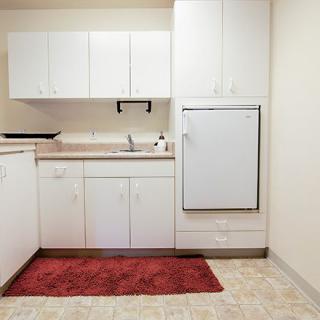
 Kitchenette
 Move-in coordination
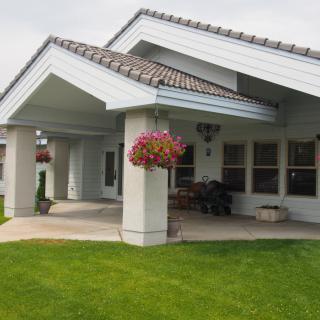
 Outdoor space
 Private bathrooms
 Restaurant-style dining
 Small library
 Telephone
 Wellness center
 Wi-Fi/high-speed internet available
 Community operated transportation
 12-16 hour nursing
 24-hour call system
 Activities of daily living assistance
 Assistance with bathing
 Assistance with dressing
 Assistance with transfers
 Diabetes diet
 Medication management
 Mental wellness program
 Special dietary restrictions
 Concierge services
 Planned day trips


 Comprehensive Insights and Practical Strategies to Help Older Adults Avoid Falls
 6 Crucial Ways an Elder Law Attorney Assists Families
 Navigating the Tax Landscape of Caregiving: Credits, Deductions, and Beyond