

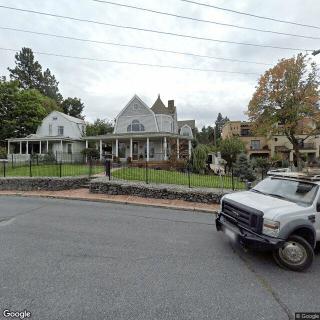
222 East Fifth, Spokane, WA 99202
For more information about senior living options: (866) 208-4318
Overall Review of Spokane Veterans Home
Pros
 The staff are skilled, caring, and professional.
- The Spokane Veterans Home shows deep respect for veterans and takes care of all residents' needs.
- The facility provides compassionate, attentive care that brings comfort and peace of mind to families.
- The staff go above and beyond to ensure residents feel comfortable and valued.
- The care teams treat residents with dignity and kindness, almost like family.
- Families are deeply grateful for everything the Spokane Veterans Home has done.
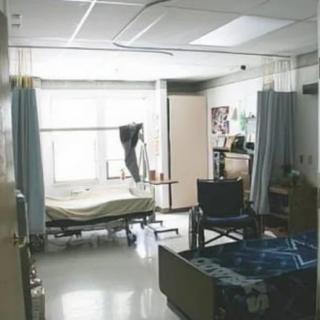
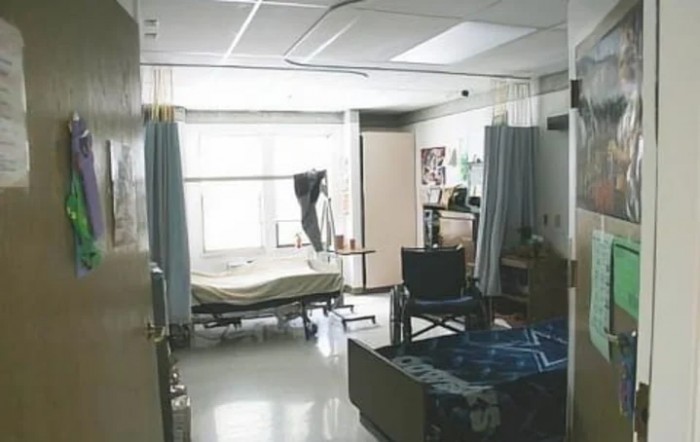
- The facility is clean, well-maintained, and creates a comforting environment for residents.
- It is widely regarded as having the best staff of any rest home in Spokane.
Cons
 COVID restrictions prevented visits.
 - Nursing homes are always understaffed and budgets are terribly lacking.
- There is a crisis of elder care in the country, with many blaming the staff or nursing homes.
- The hospital was doping him up and letting him die.
- He was thrown out like trash by every VA CLC from Texas to California and even Washington state.
Review
This Spokane Veterans Home is best suited for veterans and families who want a facility that treats service members with honor while delivering thorough, hands-on care. It stands out for medical support, daily living assistance, and rehabilitation in an environment that clearly prioritizes respect for veterans. The staff’s clinical proficiency is paired with genuine regard for residents, creating a reliable sense of safety and continuity for those requiring ongoing nursing care, therapy, and help with everyday tasks. For decision-makers who value a veteran-centered setting where care and dignity are inseparable, this community is a strong, practical match.
Those not covered by VA benefits or seeking a different care framework should consider alternatives. The Spokane Veterans Home is explicitly oriented to veterans and the benefits that accompany that status, which can be a decisive factor for eligibility and funding. For families prioritizing private-pay luxury, broader social diversity, or specialized memory-care options beyond the VA model, other facilities may be a better fit. Additionally, if the plan centers on short-term rehab with options outside a veteran-centric program, verify how long-term care pathways are structured and whether the facility’s program aligns with those goals.
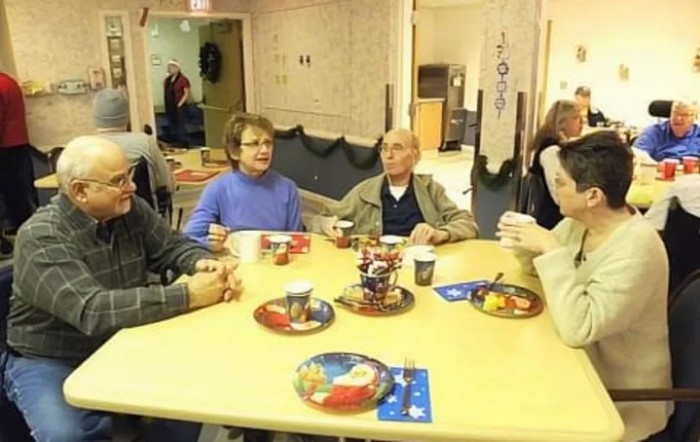
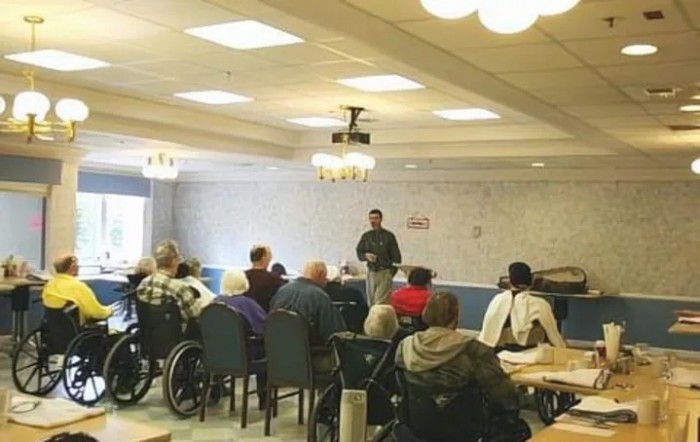
Where the pros land decisively is in staff quality and resident-centered care. Reviews consistently highlight skilled, caring, and professional teams who treat veterans with dignity and respect. Family members report that every need is met with kindness and attention, and that staff go above and beyond to ensure comfort and value. The facility supports not just medical needs but daily activities, helping residents maintain routine, independence, and a sense of purpose. Therapy services, physical, occupational, and speech, are presented as top-tier contributors to meaningful gains, with narratives of improved mobility and potential for ongoing recovery. Cleanliness and a satisfying dining experience further reinforce a holistic sense of well-being.
The main trade-off centers on the veteran-only orientation and the implications that has for social composition and scope. For a family seeking a more plural culture or a setting with memory-care units explicitly tailored to dementia, this focus could feel limiting. While the staff’s devotion and the care philosophy compensate for many concerns, prospective residents should ask how memory impairment is addressed and whether unit-level options exist for cognitively challenged residents. Industry-wide tensions around staffing and budgets are acknowledged in the broader elder-care landscape; the Spokane facility’s demonstrated commitment suggests resilience, but direct inquiries about current staffing ratios and available acuity levels during a tour are prudent.
Decision-makers should approach with a concrete plan: request an on-site tour, meet frontline caregivers, and have candid conversations about eligibility, funding, and the specifics of therapy schedules. Confirm what is included in daily care versus optional services, and verify the menu options and meal quality firsthand. For families with anticipated memory-care needs, obtain explicit details about dementia-specific programs, staffing, and safety measures. Inquire about hospital-to-home transition processes, family communication norms, and accessibility of transportation to appointments. Gather contactable references from recent residents or families and observe how staff interact with residents who require more intensive assistance.
In the end, Spokane Veterans Home offers a high-caliber, compassionate, veteran-centric environment that delivers tangible clinical and rehabilitative benefits, backed by staff who earn residents’ trust through consistent respect and care. It is a standout choice for veterans who prioritize dignified treatment, coordinated medical support, and robust rehabilitation within a community that honors service. For families where veteran status is central, and where the objective is comprehensive, relationship-rich care, this facility is hard to beat. Those evaluating alternatives should weigh the veteran-focused strengths against any need for broader social variety or specialized non-VA memory-care capabilities, but for a purpose-built, honor-forward care experience, this home is exceptionally well-positioned to meet and exceed expectations.
 100 resident community capacity
 Skilled Nursing Facility
 Air-conditioning
 Beauty salon
 Cable or satellite TV
 Computer center
 Dining room
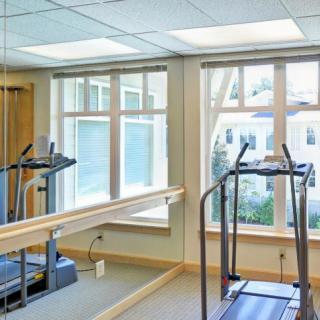
 Fitness room
 Fully furnished
 Gaming room
 Garden
 Housekeeping services
 Kitchenette
 Move-in coordination
 Outdoor space
 Private bathrooms
 Restaurant-style dining
 Small library
 Telephone
 Wellness center
 Wi-Fi/high-speed internet available
 Spokane International (6 miles away)
 Community operated transportation
 12-16 hour nursing
 24-hour call system
 Activities of daily living assistance
 Assistance with bathing
 Assistance with dressing
 Assistance with transfers
 Diabetes diet
 Medication management
 Mental wellness program
 Special dietary restrictions
 Concierge services
 Planned day trips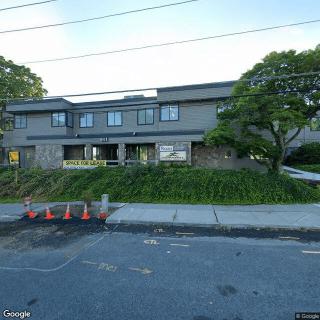

 Comprehensive Insights into Palliative Home Care: What It Is and What to Expect
 Skilled Nursing Facilities vs. Nursing Homes: Making Sense of the Differences
 A Detailed Examination of Nursing Home Costs Across the U.S.