For more information about senior living options: (866) 208-4318
2.8 from 49 reviews
5 stars
19
4 stars
3
3 stars
0
2 stars
5
1 stars
22
Overall Review of Addus Healthcare
caveat9 reviews mention this
Communication falls short
Residents describe communication problems that leave them unsure about coverage.
Multiple reviews mention that the office does not call or text when caregivers are late, changes occur, or coverage is uncertain. Others say they had to chase supervisors for answers, including waiting on responses after reaching out. A recurring concern is that residents and families are often left out of the loop until after the expected time.
caveat6 reviews mention this
Consistency of caregivers varies
Several reviews describe trouble getting reliable caregiver coverage.
A number of reviews say caregivers may not arrive as scheduled or that families struggle to get a consistent person. Some describe being moved through fill-ins when a main caregiver is unavailable, leading to instability. Others connect the problem to supervision or staffing, saying services were adjusted or ended because coverage could not be counted on.
common7 reviews mention this
Caregivers are often praised
Many residents describe caregivers as compassionate, attentive, and helpful.
Several reviews highlight compassionate care and attentive check-ins, including keeping families updated about health. Others describe caregivers as polite, professional, and willing to help with day-to-day needs. A few comments also emphasize that having the right main caregiver can make a meaningful difference, even when other parts of the experience do not go as smoothly.
common4 reviews mention this
Office staff feel approachable
Many reviewers say the office staff is friendly and helpful.
Some reviews call out the office team as super friendly and supportive, with staff members who are easy to reach and willing to help. Others specifically thank office personnel by name and describe positive experiences coordinating care. This positive view contrasts with separate reviews that criticize office responsiveness and accountability.
caveat4 reviews mention this
Training and qualification concerns
Some reviewers question whether caregivers are properly trained for the job.
Several reviews mention a lack of training, describing being sent into difficult situations without enough preparation. Others say caregivers arrive without the skills needed for tasks or support with medical-related concerns. There are also reviews alleging the office did not provide the qualified caregiver that was initially represented.
How we summarize
Counts show how many written reviews mention each theme; a review can touch several themes, and only frequently mentioned themes are displayed.
Features
Transportation
Spokane International (7 miles away)
Nearby Places of Interest
Physicians
Rockwood Physical Therapy And Medical Fitness Center (0.4 miles)
Spokane Dermatology Clinic (0.5 miles)
Cancer Care Northwest (0.5 miles)
Occupational Medicine Associates (0.5 miles)
Northwest Neurological (0.5 miles)
MultiCare Rockwood Diabetes & Endocrinology Center (0.6 miles)
Rockwood Clinic PS (0.6 miles)
Restaurants
Alpine Delicatessen (0.5 miles)
Dick's Hamburgers (0.7 miles)
Osprey Restaurant And (0.9 miles)
Chili's Grill & Bar (0.9 miles)
Arby's (1.1 miles)
Satellite Diner (1.1 miles)
Sushi.com (1.2 miles)
Hospitals
Spokane Kidney Center (0.5 miles)
St Luke's Rehabilitation Institute (0.7 miles)
Sacred Heart Medical Center Helistop Heliport (1 miles)
Seattle Childrens Hospital (1.1 miles)
Deaconess Medical Center (1.4 miles)
Shriners Hospitals for Children-Spokane (1.5 miles)
Nonmedical home care provides assistance with daily activities and companionship for individuals wishing to maintain independence and quality of life at home, without medical intervention. Its growing popularity is driven by an aging population, the need for supportive environments for recovery, and the emotional benefits of caregiver companionship, while costs vary based on service frequency and location.
Maintaining cognitive fitness through engaging in various brain games, both traditional and digital, is crucial for seniors as it enhances memory retention, problem-solving abilities, and emotional well-being while helping to protect against age-related decline. A holistic approach that includes diverse activities, physical exercise, a balanced diet, and social interaction further supports mental health and cognitive function.
The article outlines strategies for keeping seniors' minds active through brain games and apps, highlighting the importance of cognitive exercises, social engagement, and a healthy lifestyle in combating cognitive decline. It emphasizes the benefits of various types of games and offers practical tips for maintaining mental wellness through enjoyable activities while acknowledging their limitations.
Get PricingAsk A QuestionSchedule A TourContact Senior Advisor
By clicking submit, you agree to our Partner's Terms of Use. You
also consent to receive calls and texts, which may be autodialed, from our Partner. Your consent is not a condition to
using our Partner's service. Please visit our Partner's Privacy Policy for information about their privacy practices.

 Spokane International (7 miles away)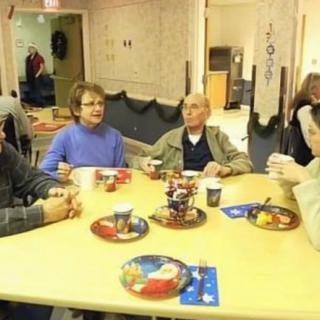
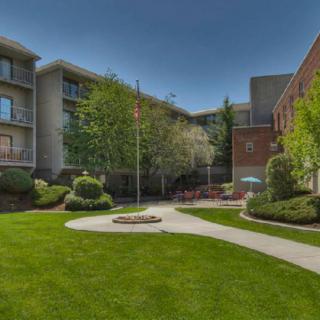
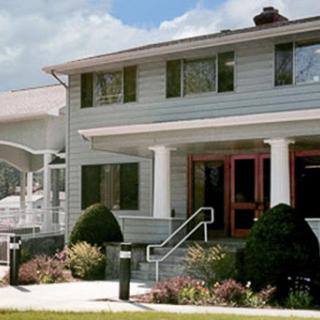
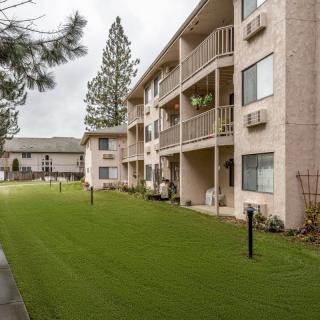
 Comprehensive on-site amenities (beauty salon, dining, fitness, computer center) plus 24/7 supervision and daily living assistance.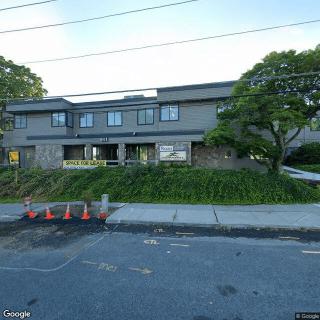
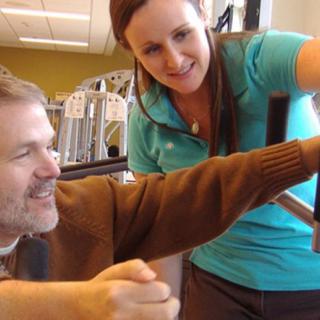

 Exploring Nonmedical Home Care: Understanding Services, Costs, and Financial Approaches
 Engaging Brain Games and Innovative Apps to Keep Senior Minds Active
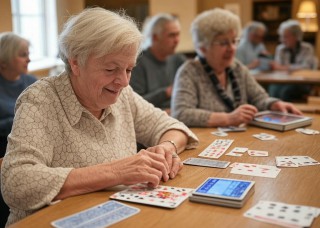 Effective Strategies for Keeping Seniors' Minds Active: A Deep Dive into Brain Games and Apps