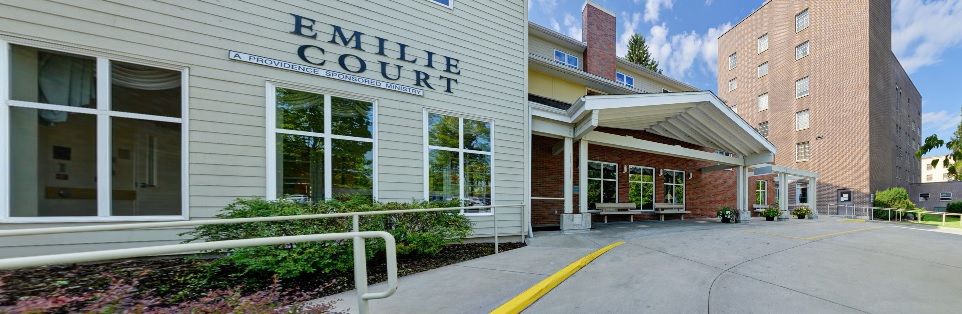



34 East 8th Avenue, Spokane, WA 99202
To contact a resident: (509) 474-2550
For more information about senior living options: (866) 208-4318
Providence Emilie Court Assisted Living Costs & Pricing
At Providence Emilie Court Assisted Living, residents can enjoy a studio at a monthly cost of $2,640, which is notably lower than the average rates seen in Spokane County and across Washington state. In comparison, the standard monthly rate for assisted living in Spokane County stands at approximately $3,609, while residents statewide face costs averaging around $4,126. This pricing not only reflects an appealing value for potential residents but also highlights Providence Emilie Court's commitment to providing quality care within a financially accessible framework. Such competitive pricing may allow families to focus more on their loved ones' well-being rather than financial burdens.
| Floor plans | Providence Emilie Court Assisted Living | Spokane County | Washington |
|---|---|---|---|
| Studio | $2,640 | $3,609 | $4,128 |
Overall Review of Providence Emilie Court Assisted Living
Pros
 Providence Emilie Court is excellent.
- The staff at Providence Emilie Court is very accommodating.
- There is a kind, gentle spirit there, and the people know the residents.
- Providence Emilie Court is a fine place that can be recommended.
- The rooms at Providence Emilie Court are very nice.
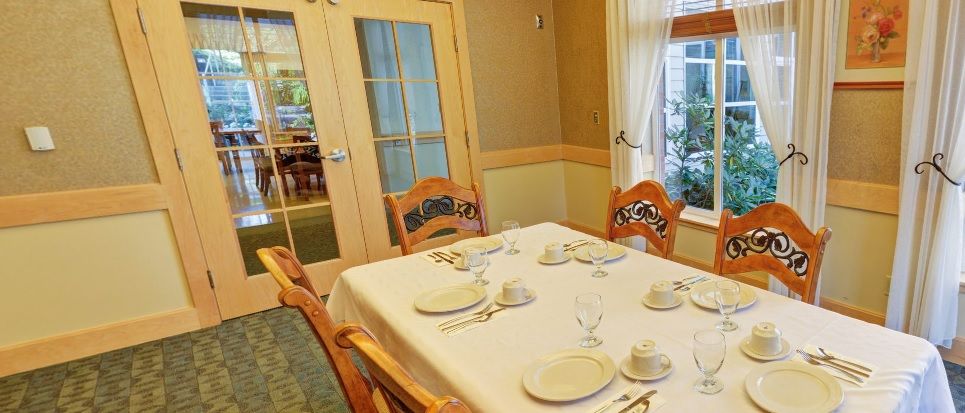
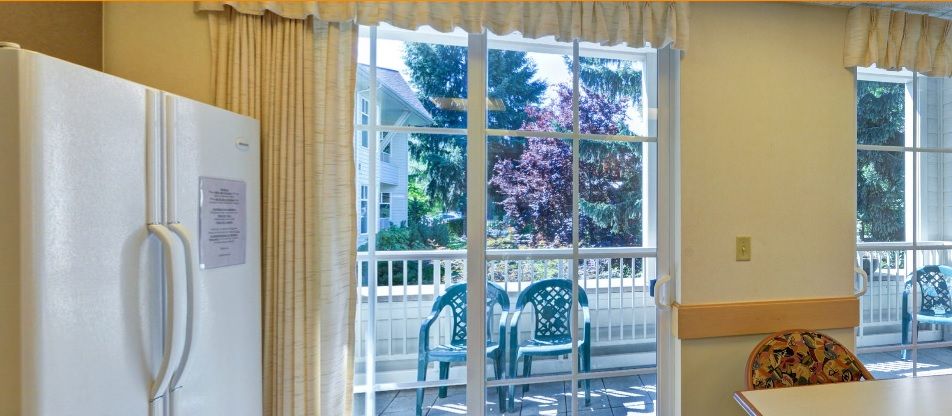
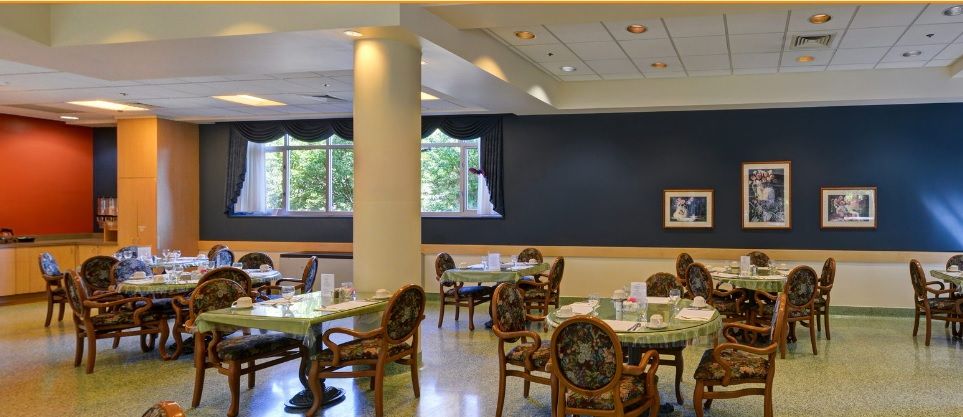
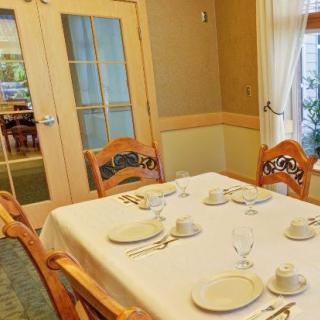
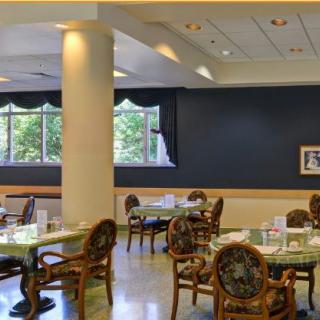
- The meals at Providence Emilie Court are beautiful, with the food described as fantastic.
- The atmosphere at Providence Emilie Court is homey, with a clear sense of respect and camaraderie.
- Providence Emilie Court is a terrific facility.
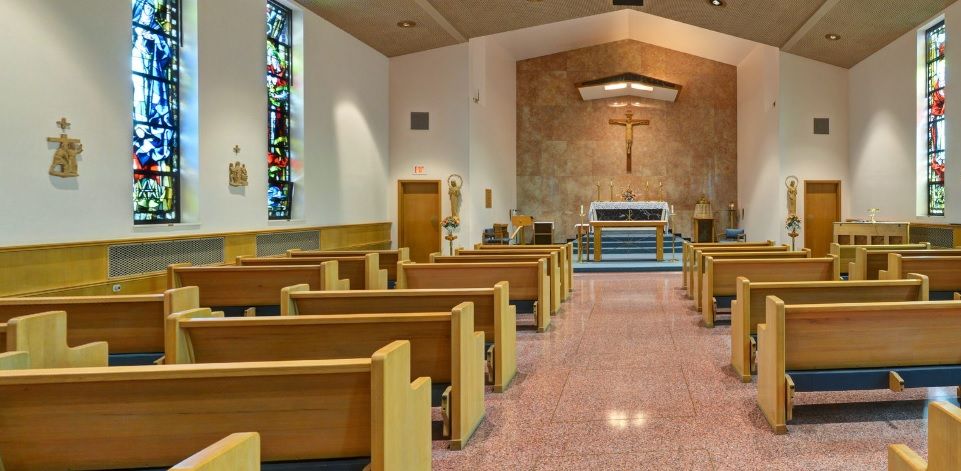
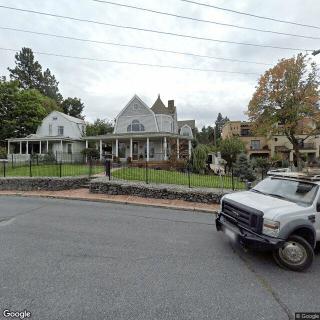
- It is conveniently located across from a Catholic Church, enabling daily Mass.
Cons
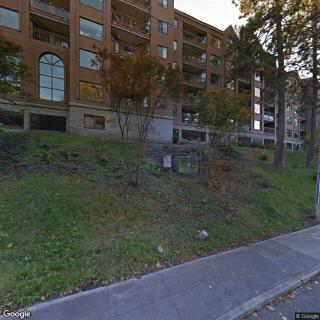
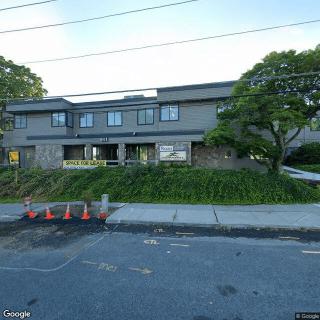
 The facility sits on a narrow parcel between the hospital and a street, leaving little outdoor ground.
- There is a very small room for crafts.
- They weren’t sure the aunt was really ready for assisted living.
- The atmosphere was described as more businesslike than homey, which could feel impersonal.
Review
Providence Emilie Court Assisted Living is best suited for seniors who value a faith-forward, intimate, and staff-connected setting where caregivers truly know residents and care feels personal. The community’s small footprint in Spokane creates a homelike atmosphere without sacrificing a professional cadence. Rooms are described as nice, meals are praised as beautiful and, in some cases, outstanding, and the staff are consistently characterized as accommodating and genuinely respectful. The combination of a quiet neighborhood, a strong Catholic presence, and daily religious offerings positions Emilie Court as a dependable choice for residents who want continuity of faith, familiar routines, and a sense of belonging within a tight-knit team.
That said, certain realities suggest alternatives may be worth exploring for some families. For residents who are less communicative or require a different level of social stimulation, Emilie Court can still be fine, but the setting naturally leans toward residents who engage actively with staff and peers. The facility’s compact footprint, set between a hospital and a street on a narrow parcel, means less outdoor ground and fewer expansive common areas than larger campuses. For families seeking a larger campus with extensive outdoor spaces, a broader activity slate, or a non-religious environment, other communities may offer a closer fit.
The strongest positives are tangible and well-aligned with practical needs. The staff are described as accommodating, with an evident culture of respect and camaraderie. The people who work there are seen as knowledgeable about residents, and several accounts emphasize long-tenured employees who know families by name and approach. This stability translates into a reassuring continuity of care. The Catholic orientation is not incidental: the facility sits across from a Catholic Church, enabling easy attendance at daily Mass for devout residents, and the programming frequently includes religious offerings along with musical activities, games, and card-based socializing. Meals and room quality reinforce a sense of dignity and comfort that families often seek.
However, the downsides are real and should be weighed against the benefits. The facility’s small size and compact location limit outdoor ground and the scale of on-site amenities. Craft space is described as modest, which can matter for residents who value larger, more dedicated creative opportunities. The “between a business and homey” atmosphere can feel less dynamic than larger campuses with more diverse programming and visible, on-site specialized services. For families prioritizing generous outdoor time, varied real-time activities, or a secular, activity-driven environment, Emilie Court may feel constrained by its footprint.
Viewed through a practical lens, the advantages in care quality, faith-based continuity, and staff stability offset several constraints, especially for residents who derive comfort from routine, familiar faces, and spiritual structure. The intimate community fosters quick recognition of needs, easier family access, and a felt sense of safety that larger facilities may struggle to reproduce. The proximity to a church compounds the spiritual dimension, making daily life feel cohesive rather than episodic. In short, the strengths are not merely administrative; they translate into lived experience, one that can stabilize and elevate daily living for residents who align with that profile.
The bottom-line guidance centers on fit. Providence Emilie Court excels for devout Catholics and others who prize a small, homey feel, strong staff relationships, excellent meals, and a predictable, faith-infused routine. It is less compelling for those who need substantial outdoor space, broader campus resources, more intensive social programming, or significant memory-care accommodations. Families deciding where to land should visit with questions that clarify a resident’s communication needs, desired level of religious or spiritual engagement, and tolerance for a compact footprint. If faith-based community and careful, affectionate caregiving are decisive, Emilie Court stands apart; if those factors are secondary, explore alternatives with larger facilities and more expansive amenity sets to match a broader spectrum of needs.
 60 resident community capacity
 Assisted Living
 Cats allowed
 Dogs allowed
 Activities on-site
 Air-conditioning
 Beauty salon
 Cable or satellite TV
 Computer center
 Devotional services off-site
 Dining room
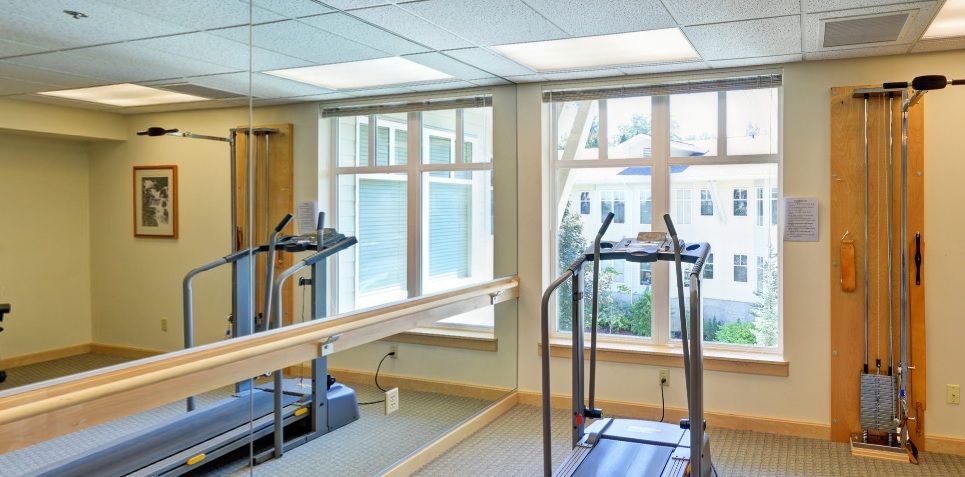
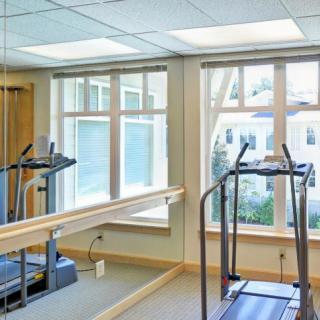
 Fitness room
 Fully furnished
 Gaming room
 Garden
 Housekeeping services
 Indoor common areas
 Kitchenette
 Move-in coordination
 Outdoor space
 Private bathrooms
 Restaurant-style dining
 Small library
 Telephone
 Wellness center
 Wi-Fi/high-speed internet available
 Spokane International (6 miles away)
 Community operated transportation
 12-16 hour nursing
 24-hour call system
 Ambulatory care
 Assistance with bathing
 Assistance with dressing
 Assistance with transfers
 Diabetes diet
 Diabetic care
 Medication management
 Mental wellness program
 Special dietary restrictions
 Concierge services
 Planned day trips

 Understanding Medicaid Coverage for Assisted Living: A Comprehensive Guide
 How and When Medicaid May Cover Assisted Living Costs
 A Detailed Exploration of Assisted Living Medicaid Waivers Across the United States