
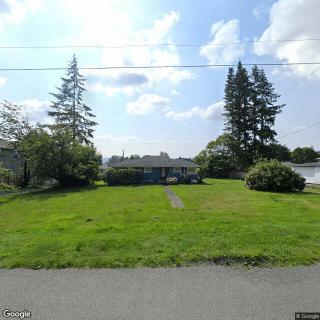
1705 Terrace Avenue, Snohomish, WA 98290
For more information about senior living options: (866) 208-4318
Overall Review of Delta Rehabilitation Center
Pros
 The residents at Delta Rehab amaze others, and staff love working there.
- Delta Rehab is truly something different because of the care and hard work shown.
- The event planners consistently keep residents entertained and moving.
- The care given to residents is personalized and thoughtfully planned, evident at every event.
- The effort to ensure no resident feels left out or left behind is astounding.
- The Welch family created something truly amazing, and the staff show love and care to every patient.
Cons
 The reviewer had the displeasure of walking through other facilities.
Review
Delta Rehabilitation Center in Snohomish is best suited for families seeking a warm, genuinely caring community where staff invest deeply in daily life and the rehabilitation journey. The atmosphere rewards personal connections, with residents and caregivers who actively look out for one another. This is not a sterile, checklist-driven facility; it operates as a close-knit group where activity and engagement are not afterthoughts but core design features. For seniors who crave meaningful interaction, movement, and purposeful routines, Delta Rehabilitation Center offers a compelling fit. The pace here is oriented toward keeping residents moving and socially connected, which makes it especially attractive for those transitioning from hospital-based rehab back toward independent living. Those seeking a quieter, low-energy setting may find the pace less aligned with their goals.
Reviewers consistently praise the staff's dedication and the personalized care residents receive. The team is described as hardworking and deeply caring, with event planners driving day-to-day activities that go beyond the typical calendar. The effort extends to ensuring every resident feels included at every event, never sidelined or forgotten. The Welch family's leadership is acknowledged as foundational for creating something truly exceptional, while frontline workers express pride and affection for the people they serve. In short, Delta Rehabilitation Center operates as a place where care is intentional, visible, and delivered with warmth that shows in every interaction.
This setting may not be for everyone. Families who prioritize a quieter environment with fewer scheduled activities or who require a higher level of medical surveillance and specialized clinical staffing might want to compare options. Similarly, those with tight budgets or a preference for a more traditional nursing-home model focused on routine caregiving rather than dynamic programming could benefit from exploring alternatives. For residents who need in-depth, around-the-clock skilled nursing or highly structured medical oversight, it is prudent to verify staffing ratios, therapy availability, and the specifics of the rehab program to ensure expectations align with what the center routinely delivers.
While no major drawbacks are documented in the reviews, the very strengths, the high level of engagement, persistent activity programming, and deeply personalized care, could feel overwhelming to some residents or families. A quieter, slower day may be more suitable for those with fatigue, cognitive demands, or a preference for less social stimulation. Potential residents should assess whether the pace, tone, and social emphasis align with personal comfort levels and health goals. Also, check if the rehab team’s approach matches the anticipated rehabilitation trajectory, particularly if mobility goals depend on specific therapy modalities or frequency.
Yet these strengths largely offset the potential downsides. The personalized approach creates safety nets: residents are less likely to be overlooked, and families gain confidence that care is tailored and compassionate. The robust event calendar and movement-oriented programming support rehabilitation objectives, keeping muscles active, encouraging cognitive engagement, and reducing isolation. The visible passion of staff and the sense of community foster a protective environment where residents feel valued and respected. In decision-making terms, Delta Rehabilitation Center delivers a compelling return on the emotional and social dimensions of recovery, which often weigh as heavily as clinical metrics in family decisions.
In the final analysis, Delta Rehabilitation Center is a strong match for families seeking a rehab-forward community defined by genuine care, inclusivity, and energetic programming. It excels at turning caregiving into a collaborative, life-affirming experience where nobody feels forgotten. Alternatives should be considered for those prioritizing a quieter pace, stricter medical oversight, or different cost structures. Prospective caregivers should visit, observe group interactions, and confirm therapy schedules, staff availability, and how individualized plans are developed and adjusted. For families valuing warmth, meaningful activity, and a deliberate, compassionate approach to recovery and daily living, Delta Rehabilitation Center stands out as a practical, confident recommendation.
 125 resident community capacity
 Skilled Nursing Facility
 Air-conditioning
 Beauty salon
 Cable or satellite TV
 Computer center
 Dining room
 Fitness room
 Fully furnished
 Gaming room
 Garden
 Housekeeping services
 Kitchenette
 Move-in coordination
 Outdoor space
 Private bathrooms
 Restaurant-style dining
 Small library
 Telephone
 Wellness center
 Wi-Fi/high-speed internet available
 Community operated transportation
 12-16 hour nursing
 24-hour call system
 Activities of daily living assistance
 Assistance with bathing
 Assistance with dressing
 Assistance with transfers
 Diabetes diet
 Medication management
 Mental wellness program
 Special dietary restrictions
 Concierge services
 Planned day trips



 Home Health Care Aides: Understanding Their Role and Supporting Your Family
 Urinary Tract Infections in Older Adults: Comprehensive Insights on Symptoms, Treatment, and Prevention
 California's Form 602A: An In-Depth Examination of Senior Care Assessment