Residents describe both attentive caregivers and serious lapses in care.
Many reviews praise the staff for being professional, caring, and responsive to needs, especially during rehab. Several also describe welcoming day-to-day interactions and staff who explain therapy and care steps. At the same time, other residents and families report a lack of care, weak communication, and situations where medication help or attention did not happen when expected.
differentiator9 reviews mention this
Rehab therapy is a strong point
The rehab team is frequently credited with real mobility progress.
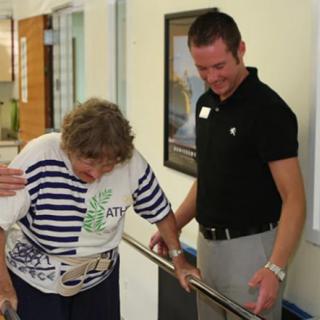
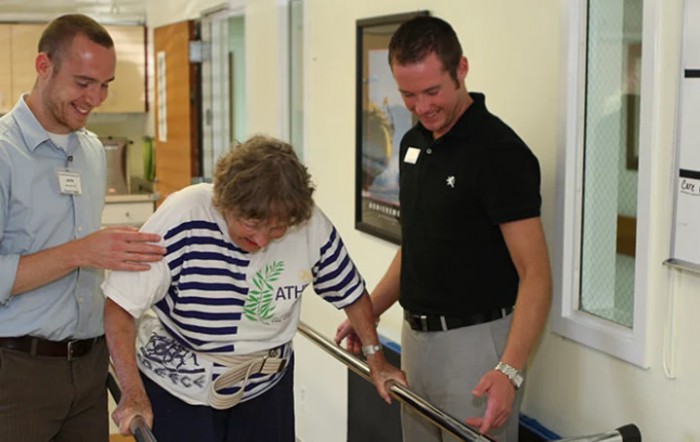
A recurring theme is improvement during skilled nursing rehab, with reviews calling out physical and occupational therapy support. Some families describe speech therapy involvement, and multiple people credit therapists with helping residents regain walking, balance, dressing, and bathing skills. Not all experiences are positive, but the rehab care stands out as a consistent reason some reviewers recommend the facility.
common10 reviews mention this
Dining is both praised and criticized
Meals can be a highlight, though some reviews report quality problems.
Several reviews say the food is good—served hot, with decent flavor, and in some cases home-style cooking. Others report colder meals, limited choices, or that the food was “horrible.” The community offers restaurant-style dining and supports special dietary needs, including diabetes and other restricted diets, which aligns with how meals come up in resident feedback.
common7 reviews mention this
Activities and courtyard time
Residents point to scheduled activities and outdoor spaces.
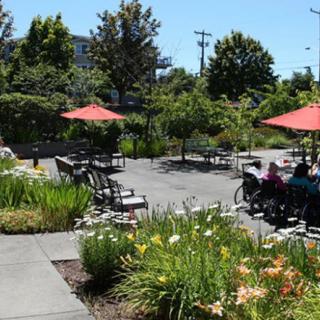
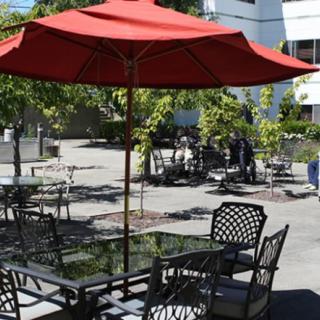
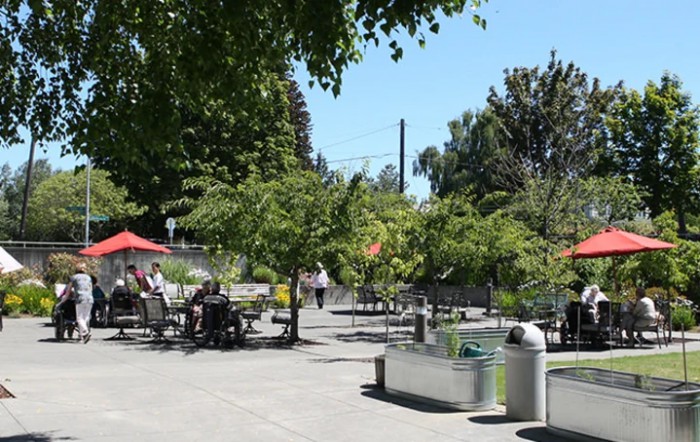
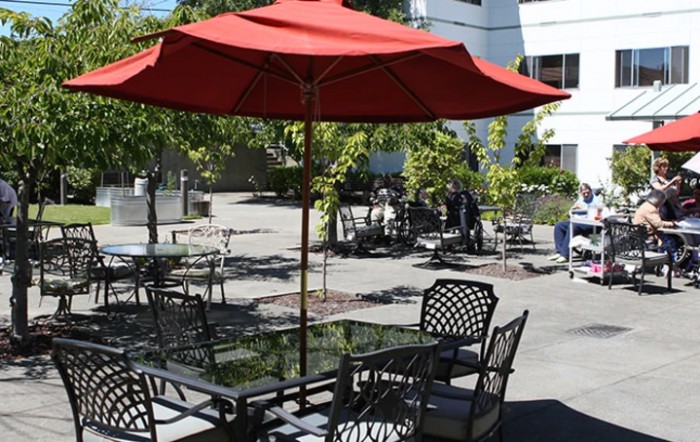
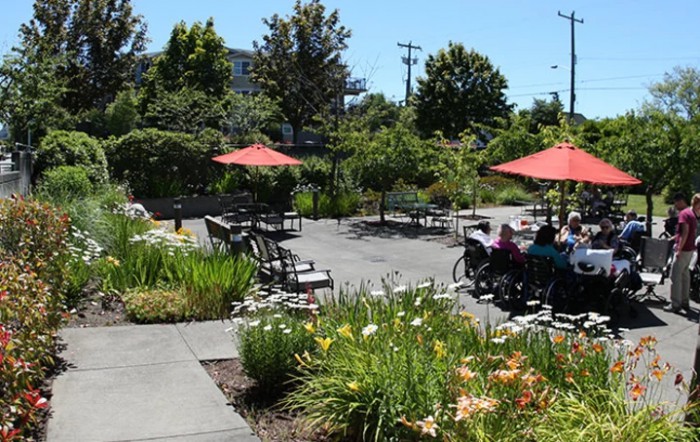
Reviews mention bingo, movies, and entertainment, along with a general sense that activities are available even for shorter stays. Others highlight outdoor areas like patios and courtyards as places residents can spend time. The community also provides scheduled daily activities and day-trip planning, which fits what many reviewers describe as part of daily life.
caveat6 reviews mention this
Phone access and call response issues
Families report difficulty reaching residents and staff by phone.
A repeated complaint is that calls go unanswered or the phone system does not work reliably, leaving families unable to get updates. Some reviewers describe long delays in getting through and difficulty communicating due to language barriers. This also shows up alongside other concerns about delayed response to needs inside the facility.
caveat7 reviews mention this
Understaffing affects responsiveness
Some reviews tie care delays to understaffing on shifts.
Several negative reviews describe understaffed floors, including at night and on weekends, with call lights not answered for long periods. A few also link the staffing level to medication timing problems and situations where residents went unassisted when they needed help. Other reviews still report safe, supportive care, but the staffing/responsiveness concern comes up often enough to be a clear caveat for some families.
How we summarize
Counts show how many written reviews mention each theme; a review can touch several themes, and only frequently mentioned themes are displayed.
Features
Housing
137 resident community capacity
Types of Care
Skilled Nursing Facility
Amenities
Air-conditioning
Beauty salon
Cable or satellite TV
Computer center
Dining room
Fitness room
Fully furnished
Gaming room
Garden
Housekeeping services
Kitchenette
Move-in coordination
Outdoor space
Private bathrooms
Restaurant-style dining
Small library
Telephone
Wellness center
Wi-Fi/high-speed internet available
Transportation
Seattle-Tacoma International (10 miles away)
Community operated transportation
Transportation arrangement
Transportation arrangement (non-medical)
Transportation to doctors appointments
Care Services
12-16 hour nursing
24-hour call system
24-hour supervision
Activities of daily living assistance
Assistance with bathing
Assistance with dressing
Assistance with transfers
Diabetes diet
Meal preparation and service
Medication management
Mental wellness program
Special dietary restrictions
Dining
Diabetes diet
Special dietary restrictions
Activities
Community-sponsored activities
Concierge services
Fitness programs
Planned day trips
Resident-run activities
Scheduled daily activities
Nearby Places of Interest
Restaurants
Marination Ma Kai (0.3 miles)
Circa (0.5 miles)
Salty's on Alki (0.5 miles)
Six Seven restaurant (2.3 miles)
Marriott Concierge Lounge (2.4 miles)
Miners Landing (2.5 miles)
Ivar's Acres of Clams (2.5 miles)
Pharmacies
Bartell Drugs (0.4 miles)
QFC Pharmacy (1.8 miles)
Rite Aid (2.2 miles)
Bartell Drugs - Ebt (2.6 miles)
Walgreens (2.7 miles)
CVS Pharmacy (2.8 miles)
Bartell Drugs (2.8 miles)
Cafes
Chelan Cafe (1.6 miles)
Starbucks (1.7 miles)
Starbucks HQ (2.4 miles)
Starbucks Reserve SoDo (2.4 miles)
Seattle Aquarium Cafe (2.5 miles)
Starbucks (2.6 miles)
La Parisienne French Bakery (2.7 miles)
Parks
Emma Schmitz Memorial Overlook (1.9 miles)
Fairmount Playground (2.4 miles)
Space Needle Park (2.8 miles)
Seattle Center Playground (2.9 miles)
Kerry Park (3.1 miles)
Little Howe Park (3.7 miles)
Lincoln Park (3.9 miles)
Hospitals
Providence Mount St. Vincent - Seattle (2.1 miles)
Harborview Medical Center (3.1 miles)
Swedish Medical Center (3.4 miles)
Transportation
King Street Station (2.7 miles)
Stadium Station (2.8 miles)
Seattle Center Monorail (2.9 miles)
Capitol Hill LINK Station (3.8 miles)
Mount Baker Station (4.2 miles)
Theaters
AMC Pacific Place 11 (3 miles)
Regal Meridian & 4DX (3 miles)
Physicians
Queen Anne Eye Clinic (3.8 miles)
Fred Hutchinson Cancer Research Center (3.9 miles)
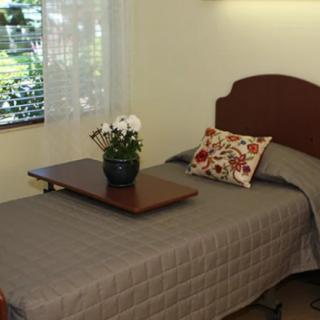
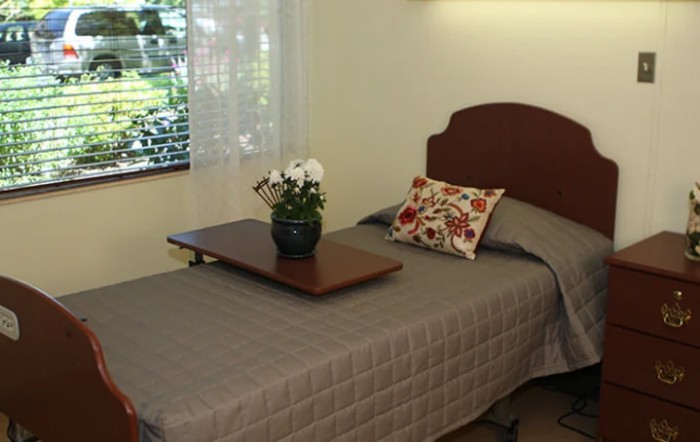
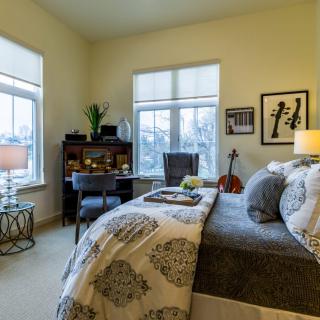
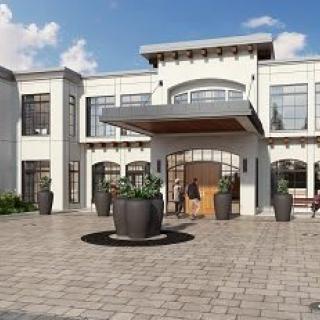
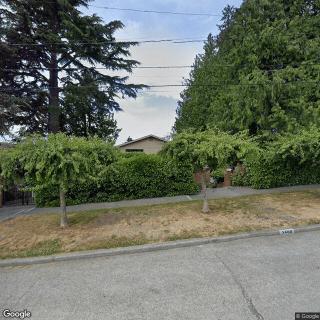
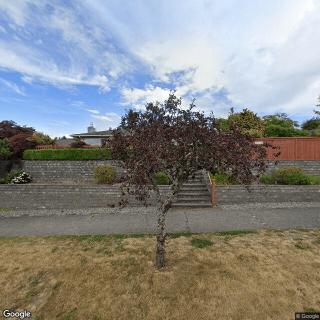
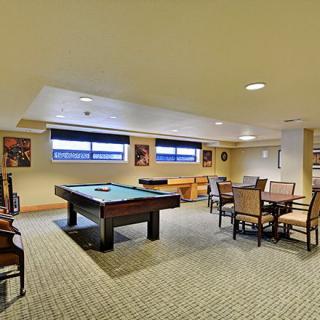
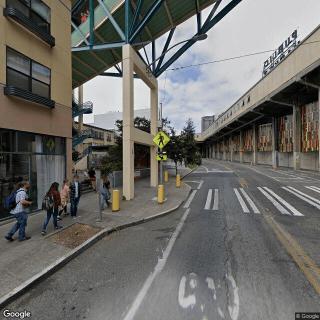
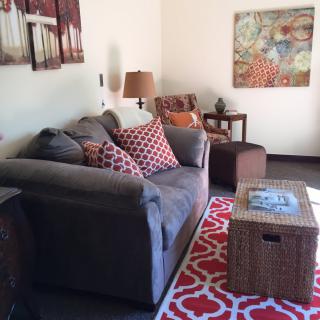
Park West Care Center on seniors.fyi includes 5 photos including images showing outdoor seating, bedroom, trees, quilt, windows, interior, park, urban, and more.
Nearby Communities
Brookdale Admiral Heights
Seattle, WA
4.5 from 41 reviews
$4,325 to $5,395 / month
Caring staff with personalized attention and engaging activities in a convenient West Seattle location.
Admiral Heights
Seattle, WA
5 from 12 reviews
$2,575 to $2,975 / month
Affordable pricing relative to local averages.
Aegis Living West Seattle
Seattle, WA
4.4 from 22 reviews
Extensive memory care with 24/7 supervision and robust amenities.
Aegis of West Seattle
Seattle, WA
4.5 from 36 reviews
$5,100 to $9,500 / month
Stunning facilities with caring, engaging staff.
Pat & Mileta's AFH
Seattle, WA
5 from 3 reviews
$6,000 to $8,000 / month
Caring staff with strong family communication and a serene water view.
European Care Home
Seattle, WA
4.4 from 9 reviews
$4,500 to $5,000 / month
Impressive home-like setup with attentive memory care.
Brookdale West Seattle
Seattle, WA
4.3 from 68 reviews
$3,400 to $5,700 / month
Caring staff and a warm, social environment with well-maintained facilities and robust amenities/activities.
Older adults with urinary tract infections (UTIs) often present atypical symptoms, complicating diagnosis due to factors like incomplete bladder emptying and chronic health conditions that increase their susceptibility. Effective management involves prompt treatment with antibiotics, hydration, and preventive strategies while minimizing antibiotic resistance and focusing on holistic care approaches.
California's Form 602A is a vital tool for evaluating the health needs of seniors seeking residential care, detailing their medical conditions and daily living requirements to ensure proper service alignment. This standardized form enhances communication among physicians, families, and facilities, serving as a regulatory measure for admissions and ongoing care while adapting to changing healthcare practices.
The overview of blood pressure management for seniors emphasizes the importance of monitoring and interpreting blood pressure readings, noting that normal ranges can vary due to age-related factors and individual health conditions. It highlights tailored guidelines for systolic and diastolic levels, the necessity of early detection and consistent management to prevent serious health complications, and advocates for personalized care strategies that incorporate lifestyle changes and medication adherence.
Get PricingAsk A QuestionSchedule A TourContact Senior Advisor
By clicking submit, you agree to our Partner's Terms of Use. You
also consent to receive calls and texts, which may be autodialed, from our Partner. Your consent is not a condition to
using our Partner's service. Please visit our Partner's Privacy Policy for information about their privacy practices.

 137 resident community capacity
 Skilled Nursing Facility
 Air-conditioning
 Beauty salon
 Cable or satellite TV
 Computer center
 Dining room
 Fitness room
 Fully furnished
 Gaming room
 Garden
 Housekeeping services
 Kitchenette
 Move-in coordination
 Outdoor space
 Private bathrooms
 Restaurant-style dining
 Small library
 Telephone
 Wellness center
 Wi-Fi/high-speed internet available
 Seattle-Tacoma International (10 miles away)
 Community operated transportation
 12-16 hour nursing
 24-hour call system
 Activities of daily living assistance
 Assistance with bathing
 Assistance with dressing
 Assistance with transfers
 Diabetes diet
 Medication management
 Mental wellness program
 Special dietary restrictions
 Concierge services
 Planned day trips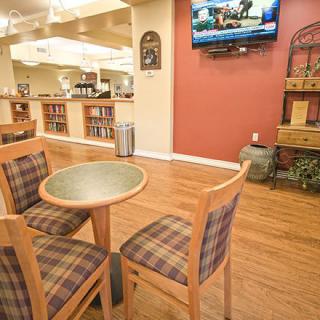
 Caring staff with personalized attention and engaging activities in a convenient West Seattle location.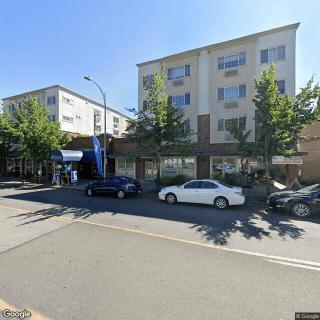
 Urinary Tract Infections in Older Adults: Comprehensive Insights on Symptoms, Treatment, and Prevention
 California's Form 602A: An In-Depth Examination of Senior Care Assessment
 Comprehensive Look at Senior Blood Pressure Charts: Normal and Elevated Levels by Age