
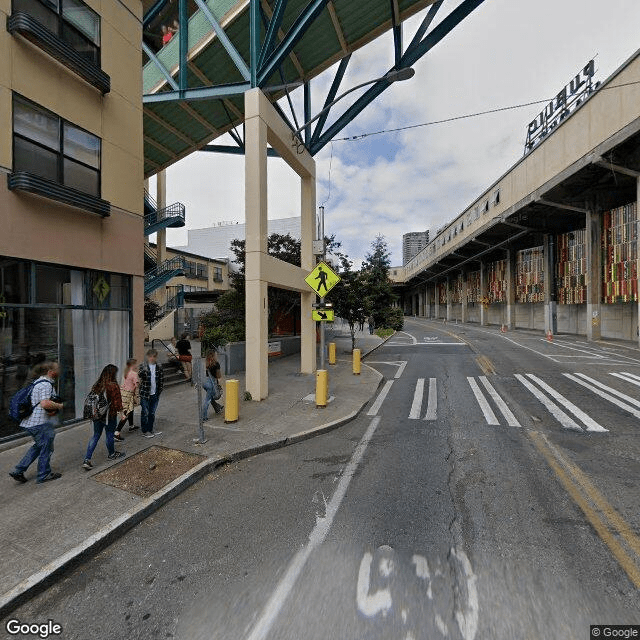
1533 Western Ave, Seattle, WA 98101
To contact a resident: (206) 382-4119
For more information about senior living options: (866) 208-4318
Heritage House at the Market Costs & Pricing
Heritage House at the Market offers a range of accommodation options with monthly costs that reflect its unique positioning in the market. For a studio, residents can expect to pay between $2,302 and $7,459, which is notably competitive compared to the average studio cost of $4,464 in King County and $4,126 across Washington State. The semi-private rooms are priced at $5,738, slightly above county and state averages of $4,430 and $4,267 respectively. Meanwhile, private rooms at Heritage House stand at $6,885, surpassing both the King County figure of $5,034 and Washington's average of $4,772. This pricing structure suggests Heritage House at the Market positions itself as a premium option within a context where costs are generally on the rise.
| Floor plans | Heritage House at the Market | King County | Washington |
|---|---|---|---|
| Studio | $2,302 to $7,459 | $4,464 | $4,128 |
| Semi-Private | $5,738 | $4,430 | $4,272 |
| Private | $6,885 | $5,034 | $4,774 |
Assisted Living communities with a similar price nearby
-
from +$273 / mo
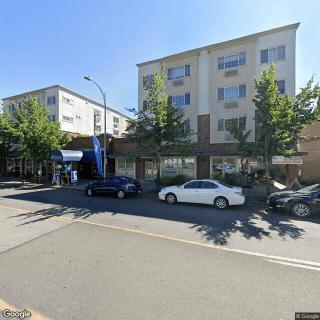
Admiral Heights
$2,575 to $2,975 / month2.8 miles away -
About the same

Marine Courte Memory Care
$2,337 to $3,228 / month15.4 miles away -
from +$248 / mo
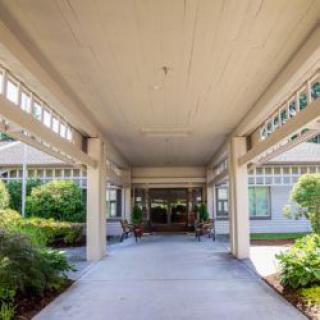
Sound Vista Village
$2,550 to $3,150 / month23.0 miles away -
from +$193 / mo
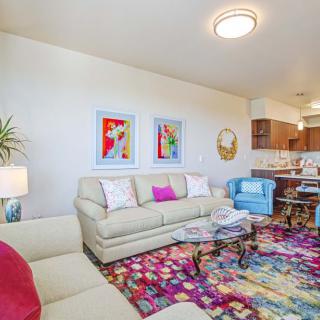
Merrill Gardens at Renton Centre
$2,495 to $5,475 / month10.8 miles away -
About the same

Franke Tobey Jones - Retirement Estates
$2,270 to $6,270 / month22.9 miles away
Overall Review of Heritage House at the Market
Pros
 Providence Heritage House at the Market is a really caring place.
- He seems to be adjusting well and making new friends.
- The staff is more casual and friendlier than at the previous facility.
- The sanitation is very good.
- He enjoys the food.
- He can go anytime to the dining room to have a meal.
- The first floor public areas are nicer than expected.
- It is a completely non-smoking facility.
Cons
 The reviewer notes bad vibes during the admissions visit.
- The admissions staff member is described as lackluster and disinterested.
- The reviewer claims she doesn’t want anyone coming to the place.
- The reviewer advises avoiding the facility to protect loved ones.
- Patient rooms are described as small, dingy, and dirty.
Review
Heritage House at the Market in Seattle is best suited for seniors who prize a warm, approachable staff culture and reliable dining over pristine, modern interiors. Families that place a premium on social opportunities, straightforward care, and a non-intimidating atmosphere will likely feel welcomed here. The community works best for residents who can tolerate older patient spaces and are comfortable with some ongoing updates rather than turnkey, boutique-style surroundings. In other words, this is a practical choice for those who want human connection and everyday reliability more than showroom polish.
On the plus side, several observers highlight a caring, less rigid environment. A family member notes a truly supportive atmosphere where staff are friendlier and more casual than at prior facilities, aiding adjustment and peer bonding for a loved one. Sanitation comes up as a strong point, contributing to a sense of safety and daily hygiene that families can rely on. Dining is accessible and flexible, with residents able to visit the dining room at will, which supports independence and social routines. These factors collectively translate into genuine peace of mind about day-to-day life inside the community.
Yet the picture is not uniform. A troubling admission experience, described as “bad vibes” and a lackluster, disinterested admissions contact, casts a shadow on the initial impression. That single encounter matters, because first contacts often set expectations for the entire relationship with staff. More broadly, descriptions of patient rooms as “small, dingy, dirty” contrast with the more favorable public areas, which some residents find refurbished or recently improved. The facility is non-smoking, a definite comfort for many families, but the uneven tone between public spaces and private rooms raises questions about consistency in maintenance and resident comfort.
Those pros and cons do not cancel each other out; they simply shift how the tradeoffs land for different families. The strong social and dining aspects can offset concerns about atmosphere, particularly for residents who value everyday liveliness and practical cleanliness in common areas. The warmth of staff and the ability to socialize freely in the dining room can make up for older room design, especially if renovations arrive later rather than sooner. Still, the looming question is whether the private rooms and care floors will ever reach the same perceived standard as the lobby and dining area. Timeframes for refurbishment remain uncertain, which matters for long-term planning.
Another nuance emerges from the health trajectory notes. Repeated statements that “health has since improved” suggest that some residents enter the community during a transition period but eventually stabilize or require less intensive support than anticipated. This can be a relief for families who fear a rapid escalation of care needs, yet it also complicates the decision if a move is intended to be long-term. For families evaluating this option, it’s essential to assess not only current needs but realistic future trajectories, including whether a quieter, more homelike environment with friendly staff fits a projected level of independence.
Ultimately, decisions about Heritage House at the Market hinge on priorities. If experiences like lively dining, easily accessible meals, and a compassionate, approachable staff take precedence, and if room aesthetics and a rapid, polished admissions process are lower on the list, this community can deliver meaningful quality of life. For families who prize pristine, modernized private rooms, or who require an admissions experience that feels consistently proactive and polished, alternatives may be a better fit. Prospective visitors should plan a thorough in-person assessment: observe dining traffic, test accessibility to common areas, talk with several staff members, and request a candid tour of patient rooms and planned renovations to align expectations with reality.
 1-bedroom apartments
 Assisted Living
 Cats allowed
 Dogs allowed
 Activities off-site
 Bath tubs
 Beautician on-site
 Devotional services off-site
 Dining room
 Full kitchen
 Housekeeping services
 Indoor common areas
 Party space
 Wheelchair accessible showers
 Seattle-Tacoma International (11 miles away)
 Ambulatory care
 Diabetic care
 Meal preparation and service
 Medication management
 Personal care assistants
 English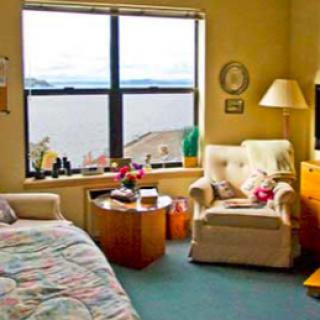



 Securing Financial Support for Assisted Living: A Comprehensive Overview
 Social Security Benefits and Assisted Living: Navigating Options Across the U.S.
 An Extensive Exploration of the VA Aid and Attendance Benefit