Murano Senior Living offers a range of accommodation options with monthly costs that reflect its premium amenities and services. For instance, the cost of a studio apartment is set at $5,345, which is significantly higher than the average in King County ($4,464) and Washington state overall ($4,126). Similarly, one-bedroom units at Murano are priced at $5,885, surpassing both county ($5,127) and state averages ($4,632). The disparity becomes even more pronounced for larger spaces; the two-bedroom suite is priced at $8,175 compared to only $5,111 in King County and $4,301 statewide. Additionally, semi-private rooms are listed at $8,300 - considerably higher than the county's average of $4,430 and the state's $4,267. These figures suggest that while Murano Senior Living may come with a premium price tag relative to its surroundings, it likely provides an exceptional standard of living that justifies this investment for residents seeking quality care and comfort.
Floor plans
Murano Senior Living
King County
Washington
Studio
$5,345
$4,464
$4,128
1 Bedroom
$5,885
$5,127
$4,634
2 Bedrooms
$8,175
$5,111
$4,301
Semi-Private
$8,300
$4,430
$4,272
Memory care communities with a similar price nearby
Residents and visitors repeatedly describe the team as kind, responsive, and welcoming.
Across multiple reviews, people describe staff who are warm and helpful, whether at the front desk, dining, or while supporting residents and guests. Some reviewers specifically mention attentive service with requests and frequent check-ins. A few reviews also note staffing shortages, but even then residents describe the work being hard and the experience continuing day to day.
common
Dining earns strong praise overall
Dining is one of the most mentioned parts of the experience, and many call it excellent.
Many reviewers highlight food quality, praising meals as delicious and servers as attentive. Several also reference specific dining touches like options, special requests, and healthy menus, along with multiple dining venues. There are also some criticisms: a small number of reviews mention concerns about meat and vegetable portion sizes, and a review asks for more seasoning flexibility.
common
Activities and amenities keep days full
Reviews point to an active schedule with many on-site and off-site options.
Residents and family members describe frequent activities, including exercise, art and music-related programs, lectures, and group offerings. Others mention community spaces and events like movie settings, game rooms, and social areas that make it easy to spend time together. The community’s broader offering is also reflected in features such as art classes, scheduled daily activities, and planned day trips.
caveat
Care support is described with mixed staffing
Several reviews mention excellent daily support, while some worry about staffing levels.
Some reviews describe strong daily care staff and housekeeping, including helpful support for residents’ needs. Others mention being “short of staff,” and one family describes average management communication tied to property ownership change. There are also reports that help with activities of daily living and care-related routines can feel variable depending on staffing.
caveat
Pricing feels high to many
Multiple reviewers flag that Murano is expensive compared with expectations.
A number of reviewers explicitly call out cost, including one comment that it is on the pricier side but worth it. This aligns with the listing’s positioning that pricing ranges are high relative to broader benchmarks. Even so, some families describe good value through a mix of services, dining, and day-to-day support.
How we summarize
We summarize when many written reviews mention each theme; a review can touch several themes, and only frequently mentioned themes are displayed.
Features
Types of Care
Assisted Living
Independent Living
Memory Care
Pets
Cats allowed
Dogs allowed
Amenities
Activities off-site
Activities on-site
Air-conditioning
Bath tubs
Beautician on-site
Beauty salon
Cable or satellite TV
Computer center
Devotional services off-site
Devotional services on-site
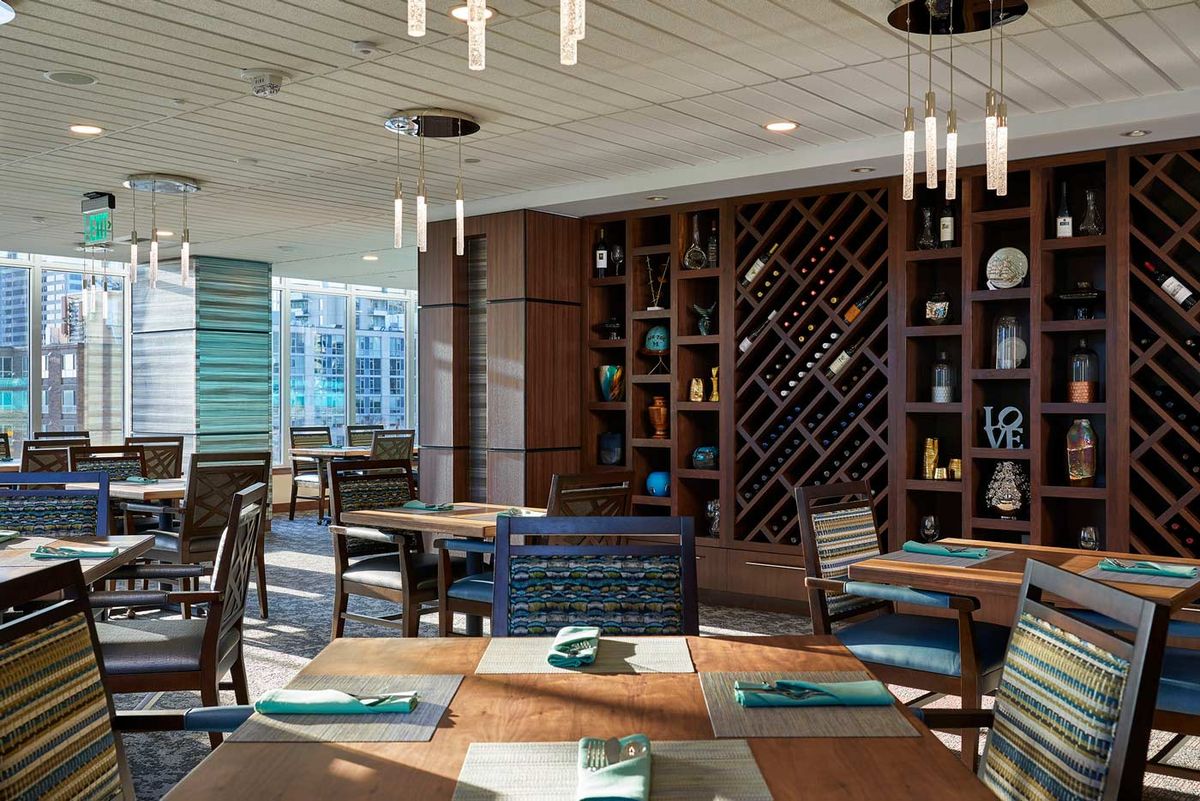
Dining room
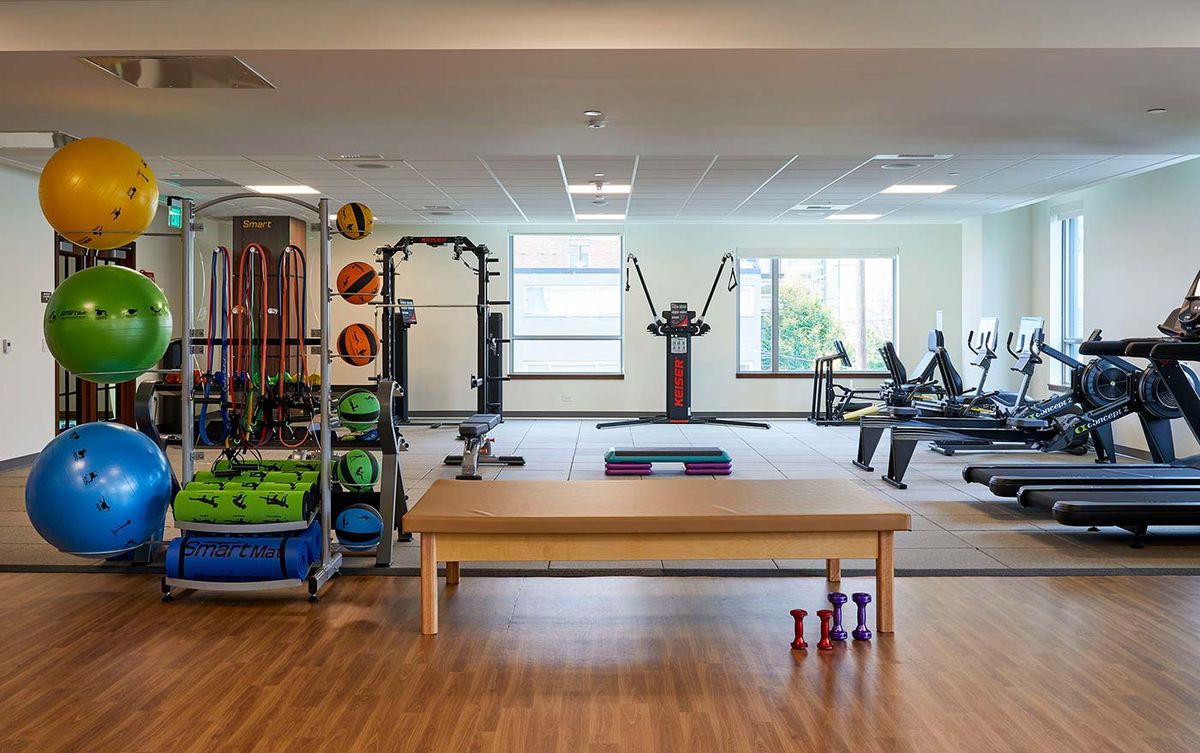
Fitness room
Full kitchen
Fully furnished
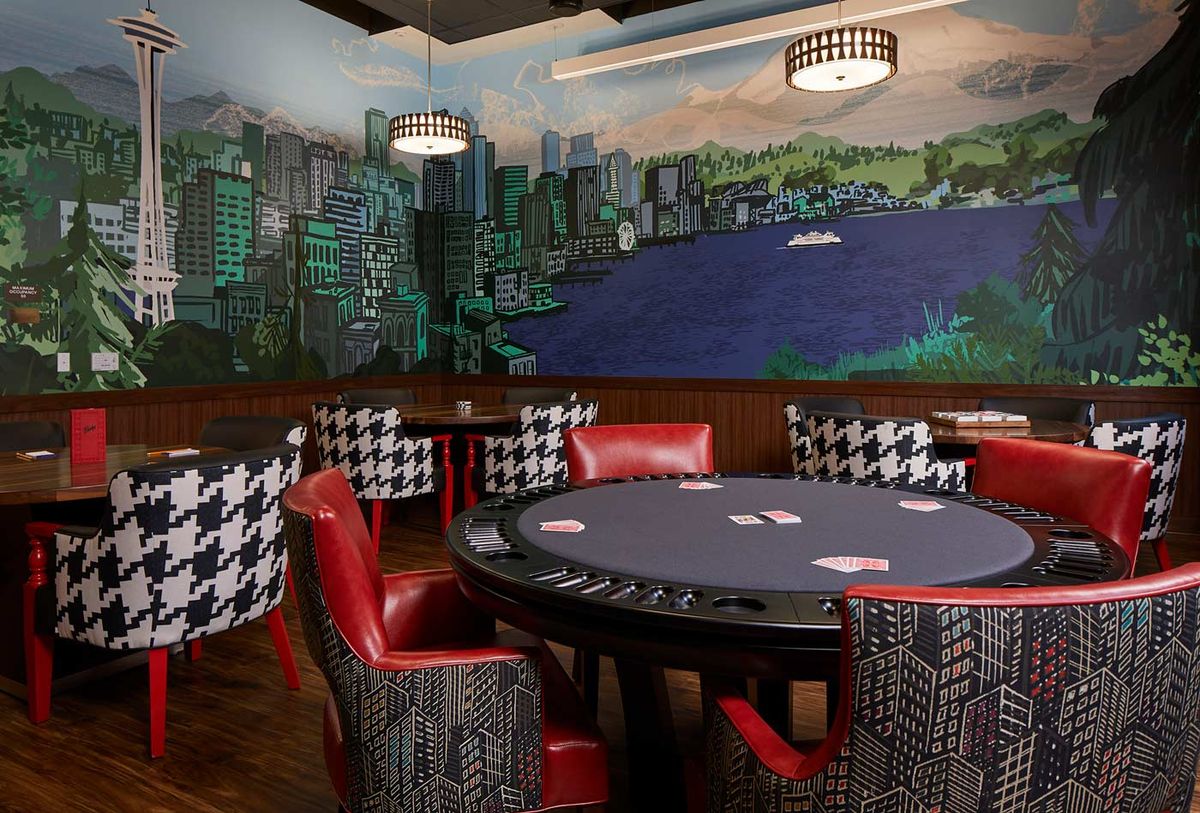
Gaming room
Garden
Handicap accessible
Housekeeping services
Indoor common areas
Kitchenette
Move-in coordination
Outdoor common areas
Outdoor space
Private bathrooms
Respite or short term stays offered
Restaurant-style dining
Small library
Telephone
Wellness center
Wheelchair accessible showers
Wi-Fi/high-speed internet available
Transportation
Seattle-Tacoma International (11 miles away)
Community operated transportation
Transportation arrangement
Transportation arrangement (non-medical)
Transportation to doctors appointments
Care Services
12-16 hour nursing
24-hour call system
24-hour supervision
Activities of daily living assistance
Assistance with bathing
Assistance with dressing
Assistance with transfers
Diabetes diet
Diabetic care
High acuity care
Incontinence care
Meal preparation and service
Medication management
Mental wellness program
Mild cognitive impairment
Special dietary restrictions
Specialized memory care programming
Dining
Anytime dining
Diabetes diet
Gluten-free
Guest meals
International cuisine
Kosher
Low / no sodium
Meals provided
No Sugar
Organic
Professional chef
Restaurant style dining
Room service
Special dietary restrictions
Special dining programs
Vegan
Vegetarian
Activities
Art classes
Bible study group
Catholic services
Community-sponsored activities
Concierge services
Cooking classes
Devotional activities offsite
Devotional activities on-site
Fitness programs
Jewish services
Mormon/LDS services
Other religious services
Planned day trips
Protestant services
Resident-run activities
Scheduled daily activities
Visiting Rabbi
Visiting chaplain or priest
Nearby Places of Interest
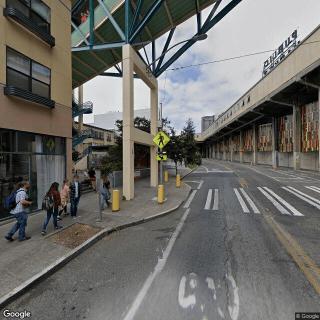
This part of Seattle, Washington, offers a diverse range of amenities and services that may be appealing for senior living. The proximity to several hospitals such as Harborview Medical Center and Swedish Medical Center ensures access to quality healthcare. Additionally, the presence of multiple pharmacies like Bartell Drugs and Walgreens makes it convenient for residents to fill prescriptions and manage their medication needs. The area also boasts a variety of restaurants, cafes, theaters, and parks for recreational and leisure activities. Transportation options are plentiful with nearby LINK stations and bus stops, providing easy access to other parts of the city. For specialized medical care, there are reputable physicians like the Fred Hutchinson Cancer Research Center and Seattle Gastroenterology Associates within a few miles' radius. Overall, this neighborhood offers a vibrant community with essential resources for seniors looking to live comfortably in Seattle.
Hospitals
Harborview Medical Center (0.2 miles)
Swedish Medical Center (0.2 miles)
Uw Medical Center Cafeteria (3.1 miles)
Pharmacies
Bartell Drugs (0.4 miles)
Bartell Drugs - Ebt (0.5 miles)
Bartell Drugs (0.5 miles)
Walgreens (0.6 miles)
Walgreens (0.7 miles)
Bartell Drugs (0.8 miles)
Rite Aid (1 miles)
Restaurants
Optimism Brewing Company (0.5 miles)
Salt & Straw (0.6 miles)
Elephant & Castle (0.6 miles)
Linda's Tavern (0.6 miles)
Molly Moon's Homemade Ice Cream (0.6 miles)
Uwajimaya (0.7 miles)
Yard House (0.7 miles)
Cafes
Starbucks (0.6 miles)
Oddfellows Cafe & Bar (0.6 miles)
Nana’s Green Tea (0.8 miles)
Seattle Aquarium Cafe (0.9 miles)
Starbucks (0.9 miles)
Analog Coffee (1 miles)
Squirrel Chops (1 miles)
Theaters
Regal Meridian & 4DX (0.6 miles)
AMC Pacific Place 11 (0.7 miles)
Transportation
King Street Station (0.6 miles)
Capitol Hill LINK Station (0.9 miles)
Stadium Station (1 miles)
Seattle Center Monorail (1.6 miles)
Mount Baker Station (2.4 miles)
University of Washington LINK Station (3.2 miles)
Columbia City Station (3.5 miles)
Parks
Space Needle Park (1.5 miles)
Seattle Center Playground (1.6 miles)
Blue Dog Pond (1.7 miles)
Kerry Park (2.3 miles)
Little Howe Park (2.5 miles)
Madison Park (2.8 miles)
Genesee Park & Playground (3.6 miles)
Physicians
Fred Hutchinson Cancer Research Center (1.6 miles)
Murano Senior Living offers a range of accommodation options with monthly costs that reflect its premium amenities and services. For instance, the cost of a studio apartment is set at $5,345, which is significantly higher than the average in King County ($4,464) and Washington state overall ($4,126). Similarly, one-bedroom units at Murano are priced at $5,885, surpassing both county ($5,127) and state averages ($4,632). The disparity becomes even more pronounced for larger spaces; the two-bedroom suite is priced at $8,175 compared to only $5,111 in King County and $4,301 statewide. Additionally, semi-private rooms are listed at $8,300 - considerably higher than the county's average of $4,430 and the state's $4,267. These figures suggest that while Murano Senior Living may come with a premium price tag relative to its surroundings, it likely provides an exceptional standard of living that justifies this investment for residents seeking quality care and comfort.
Murano Senior Living's 24-hour supervision ensures that residents receive constant monitoring and support, providing safety and immediate assistance in case of emergencies. The assistance with activities of daily living--including bathing, dressing, and transfers--fosters independence while ensuring that residents maintain their dignity and comfort. Incontinence care is handled discreetly, allowing residents to feel at ease without discomfort or embarrassment. Meal preparation and service cater to nutritional needs and preferences, promoting health and well-being. Medication management guarantees that residents adhere to prescribed regimens, crucial for managing symptoms of dementia and Alzheimer's disease effectively. Additionally, the mental wellness program supports cognitive engagement through tailored activities that promote mental stimulation, while specialized memory care programming is designed specifically for individuals with mild cognitive impairment or advanced stages of dementia, offering structured routines that enhance familiarity and reduce anxiety. Together, these features create an environment conducive to both physical care and emotional support tailored to the unique challenges faced by those with memory impairments.
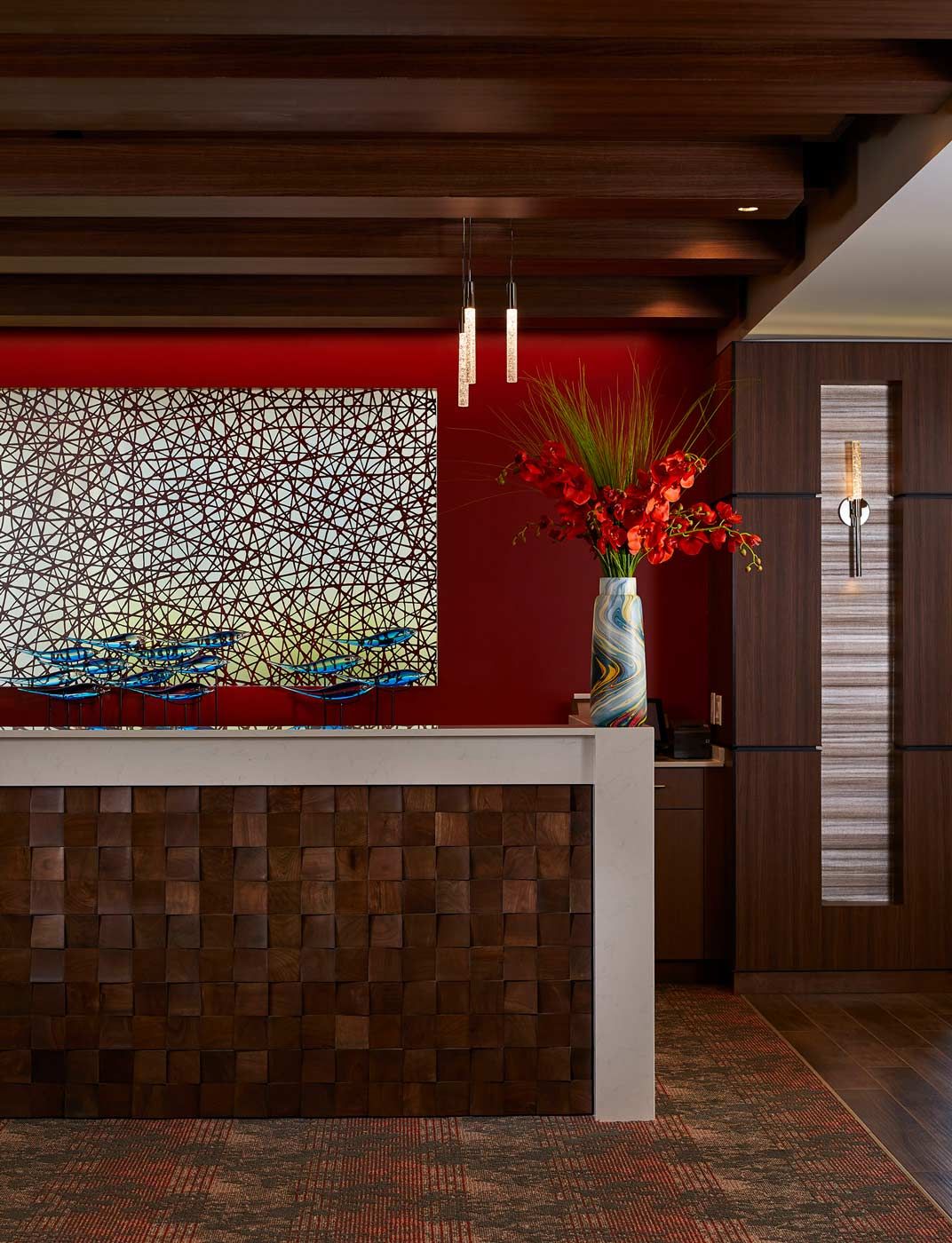
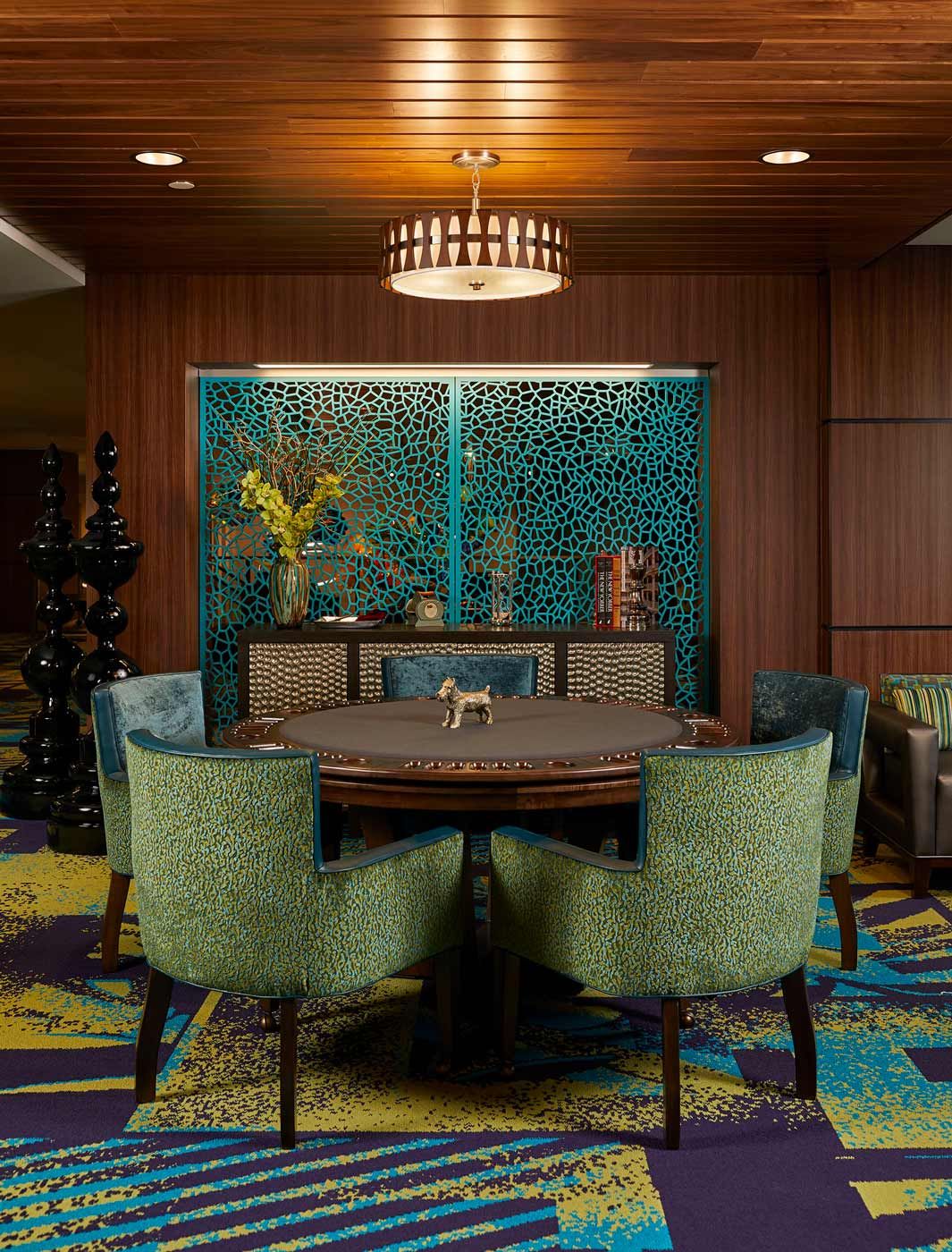
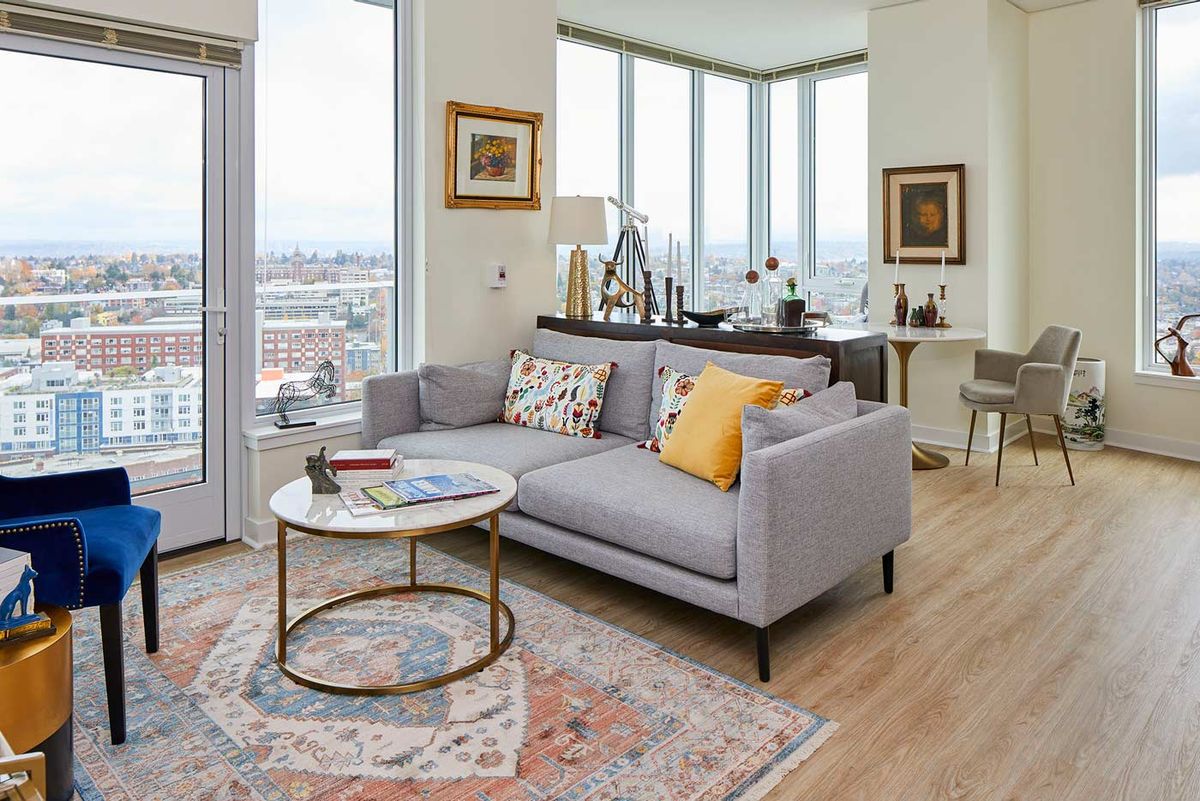
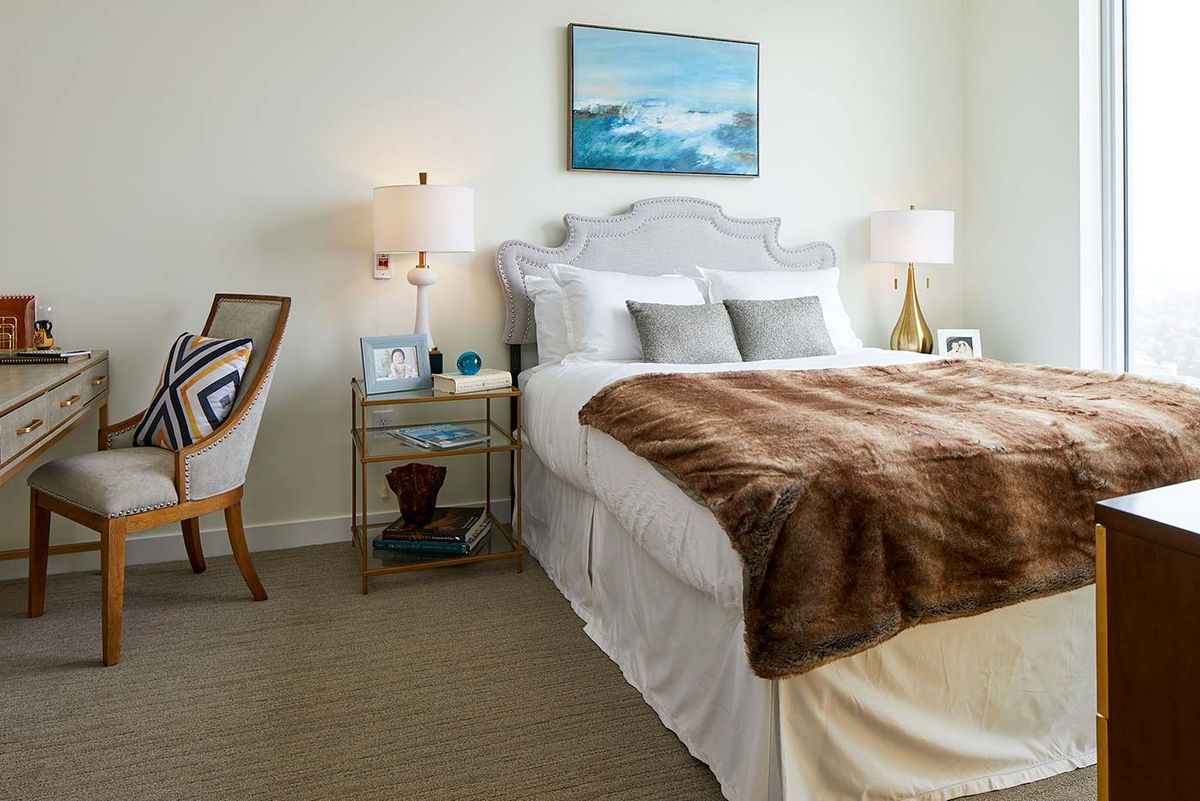
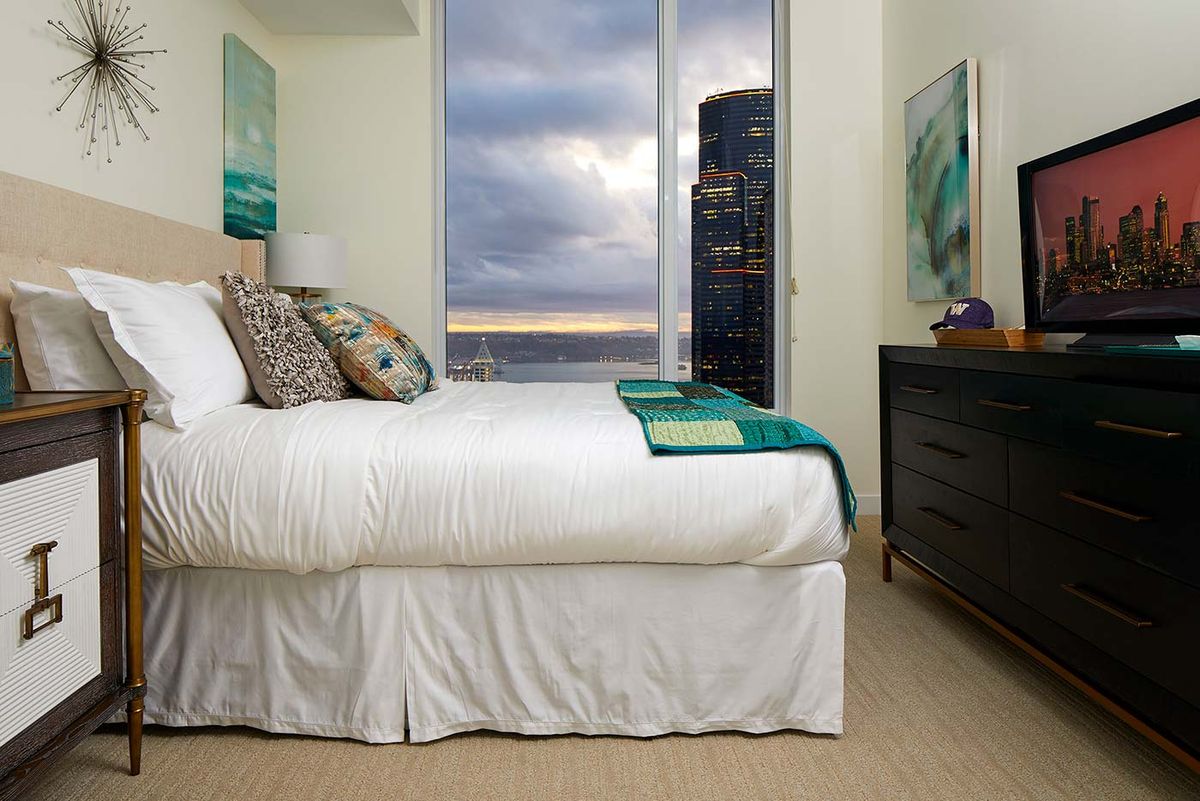
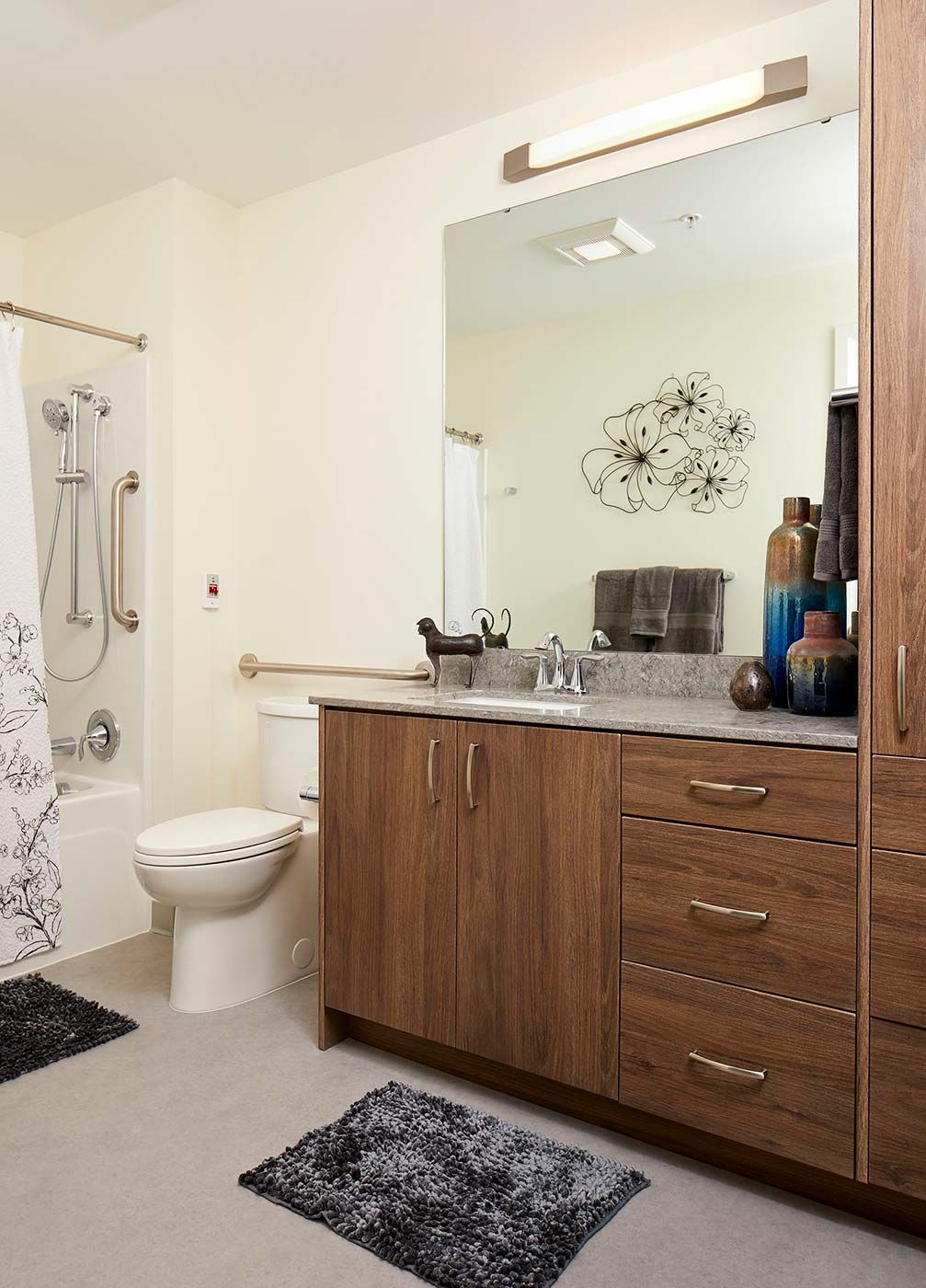
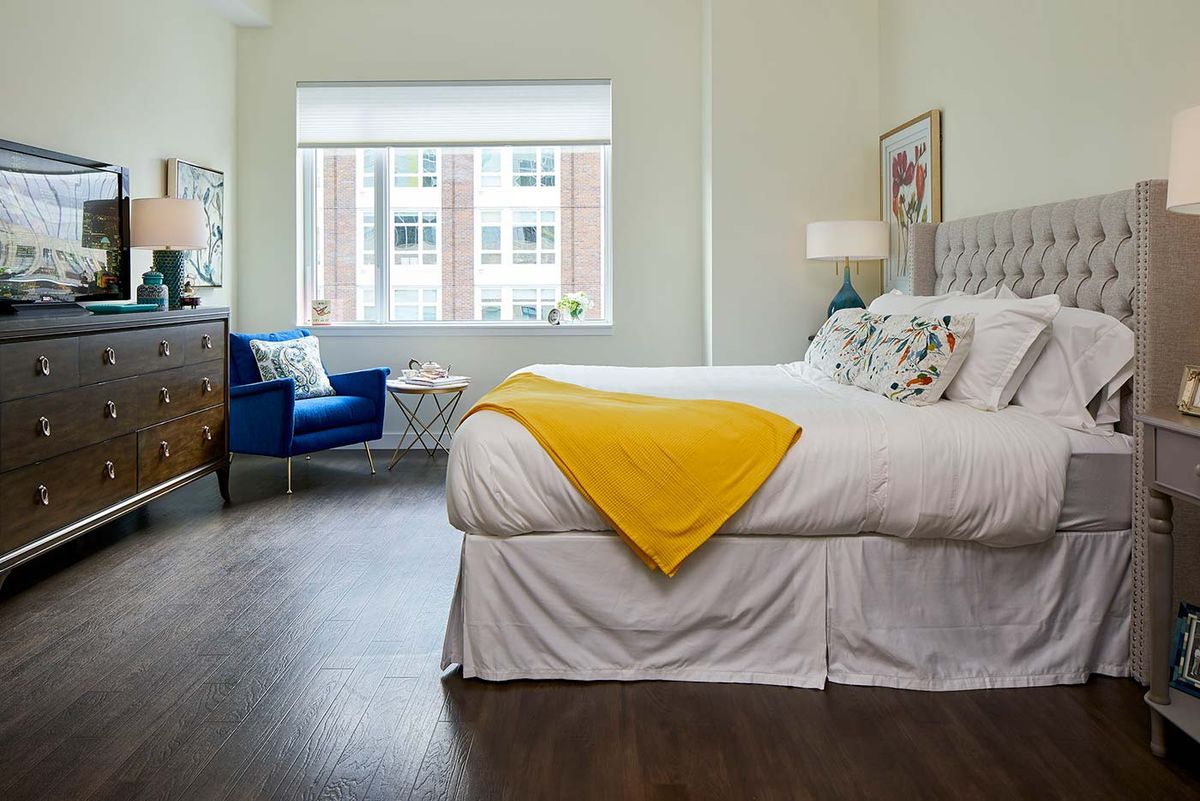
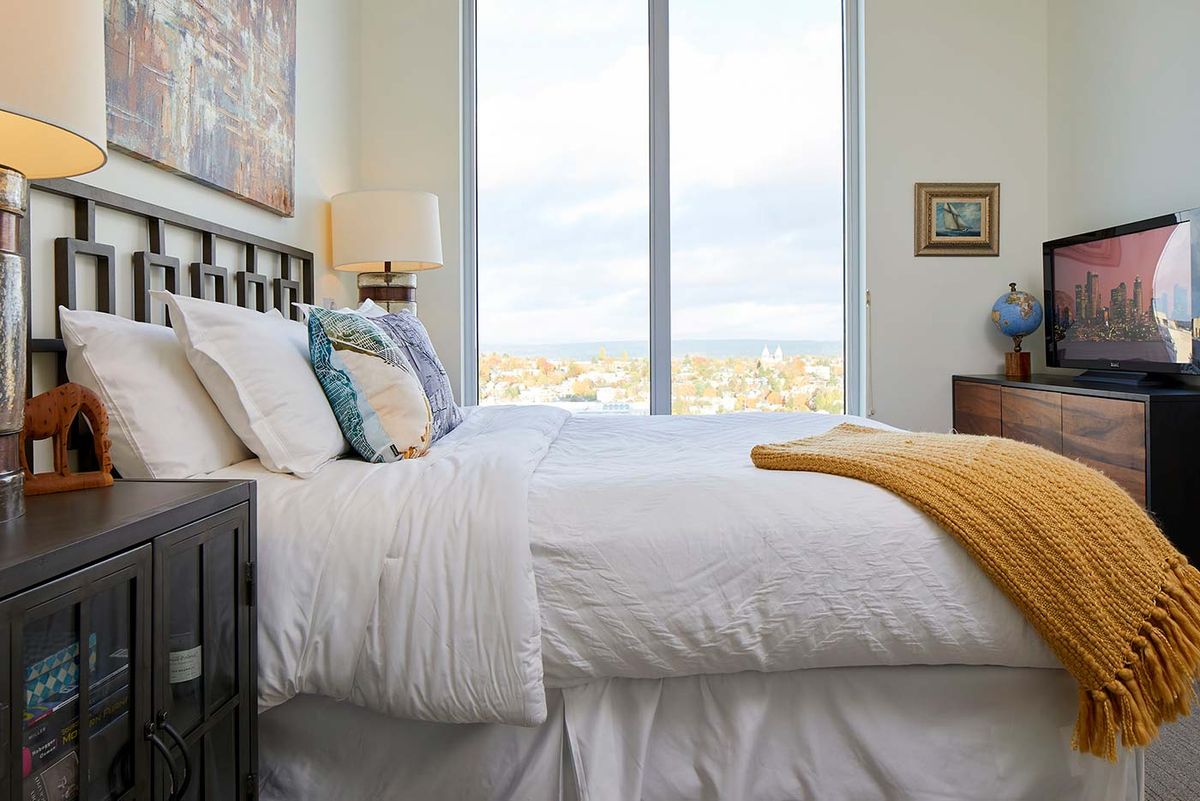
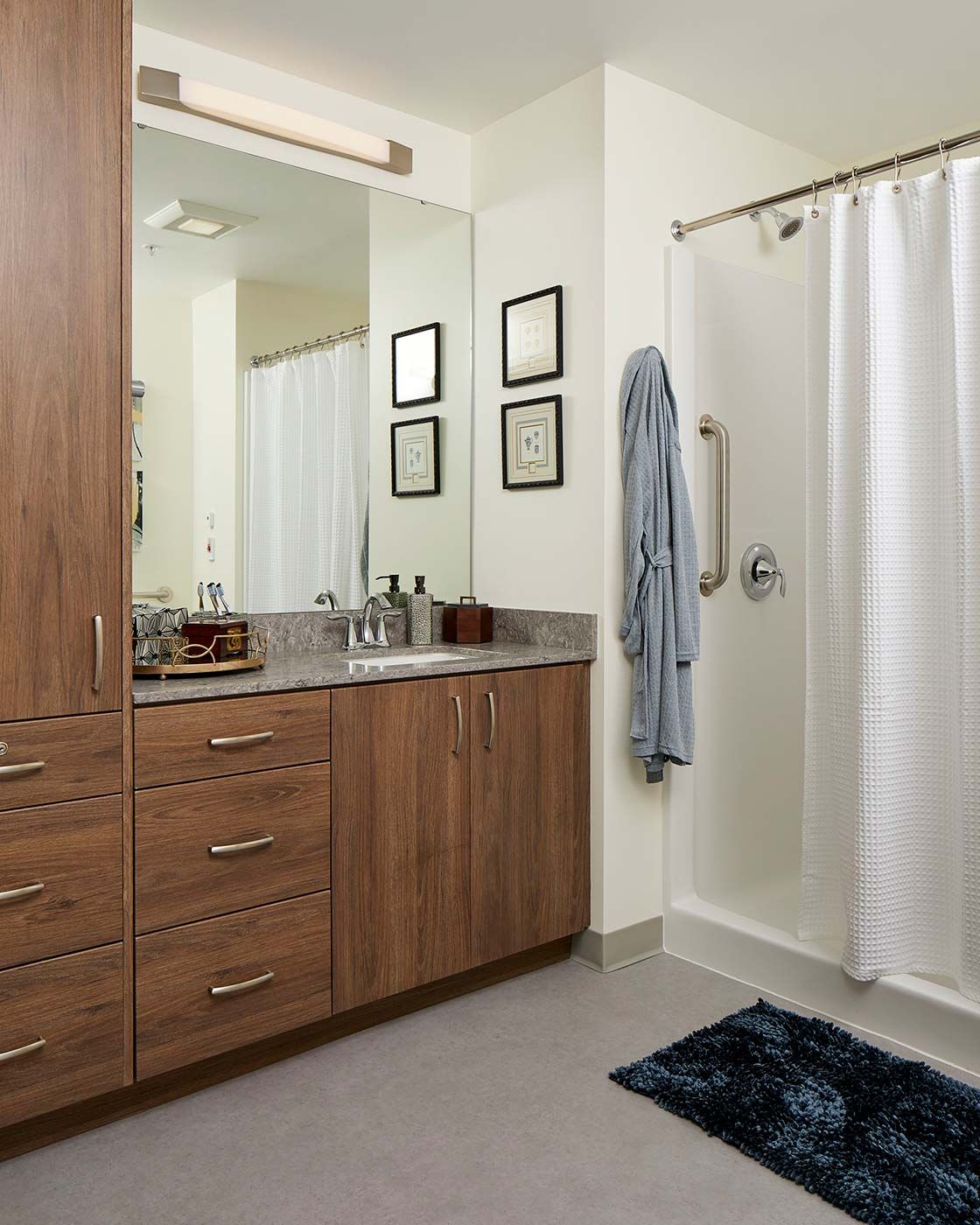
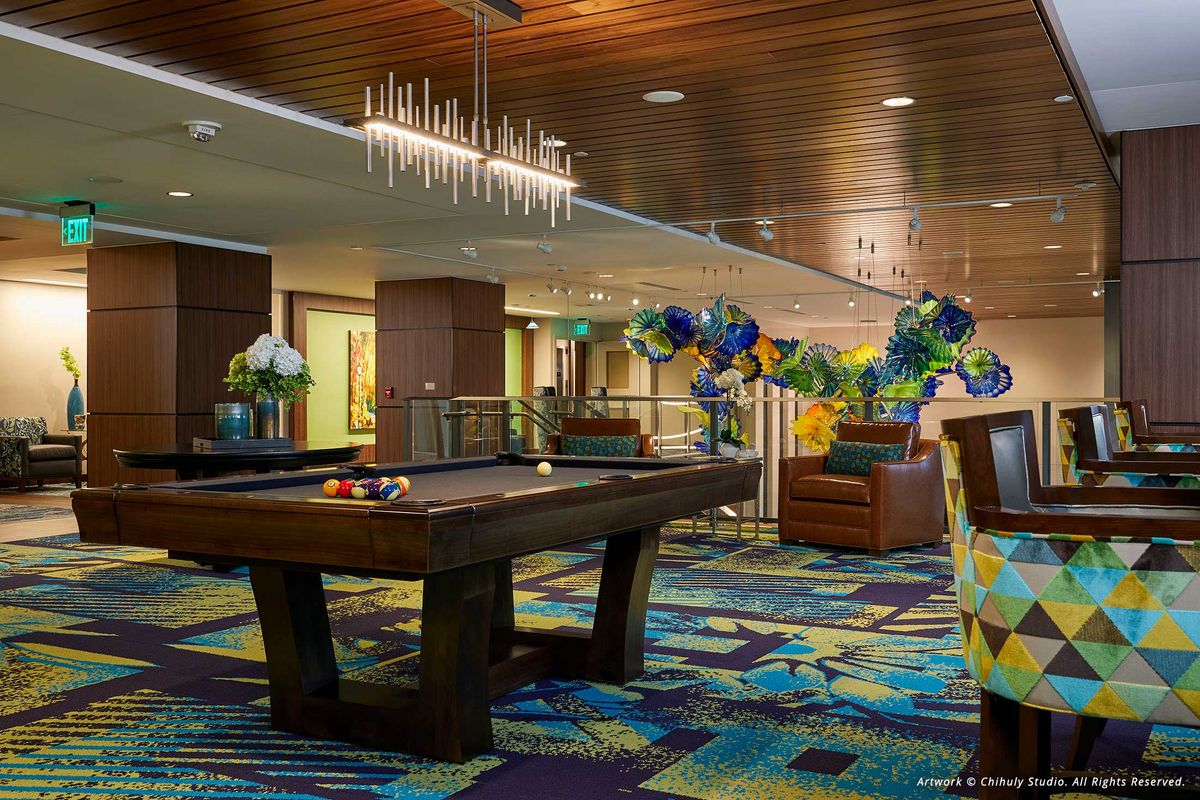
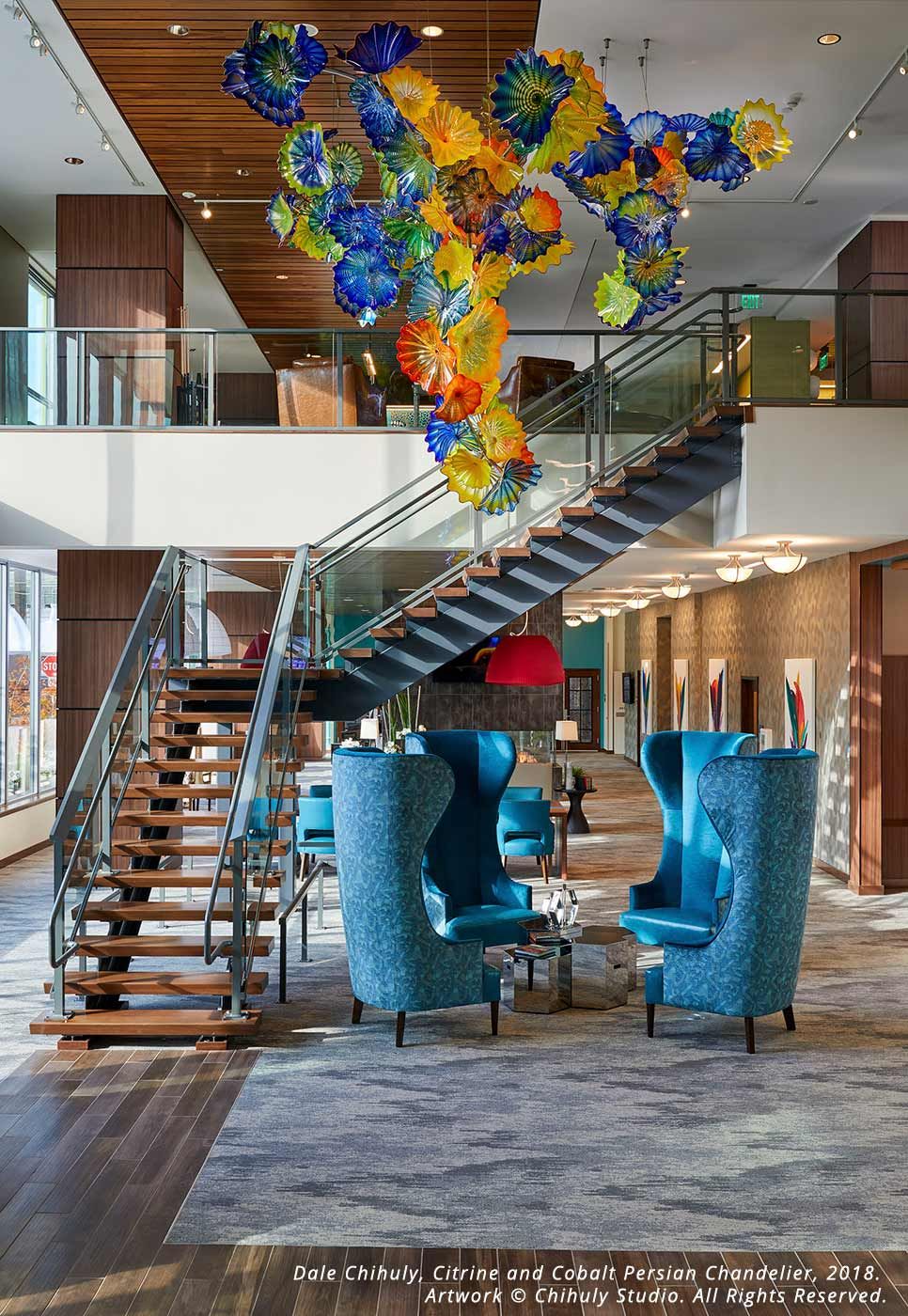
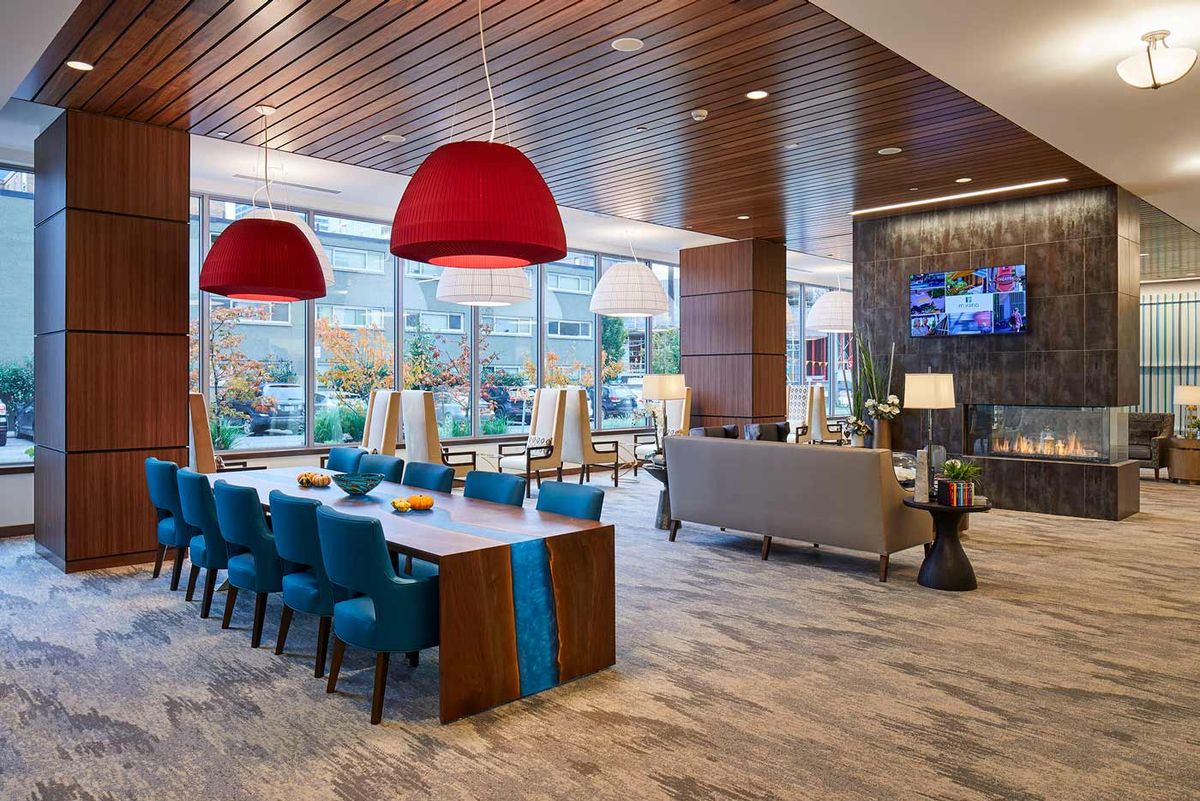
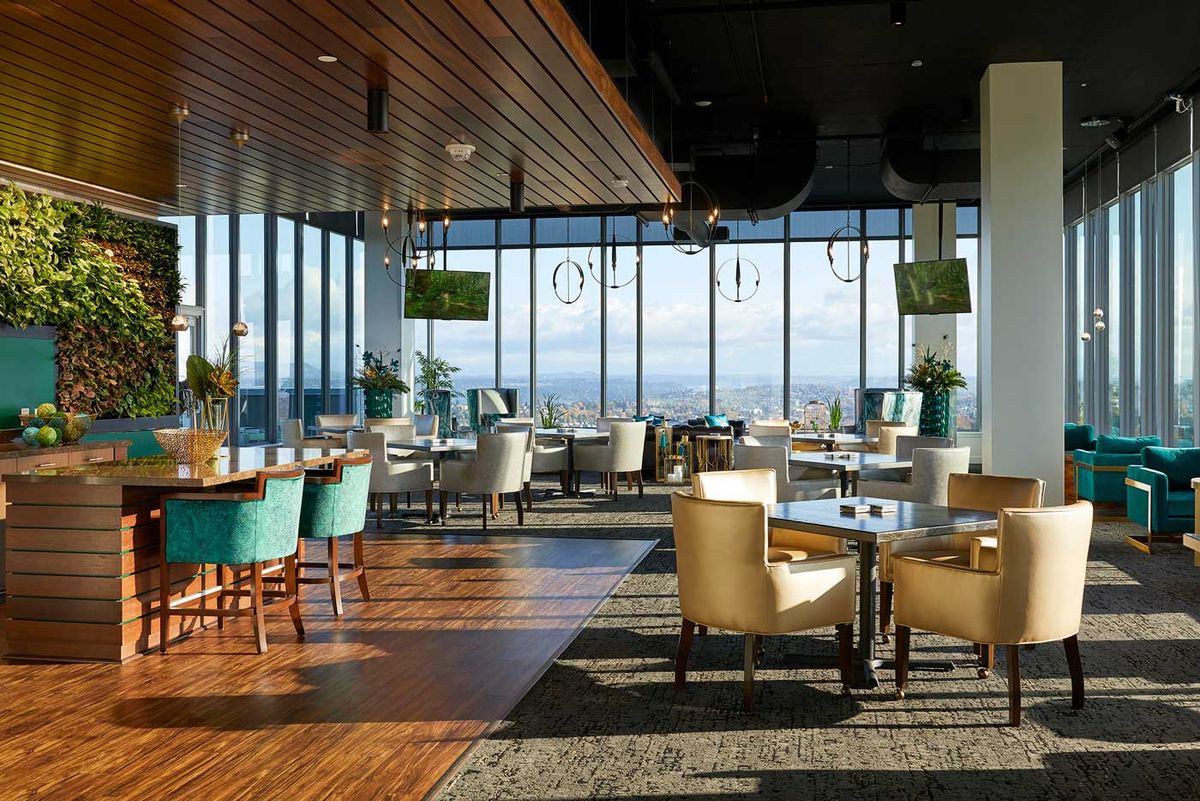
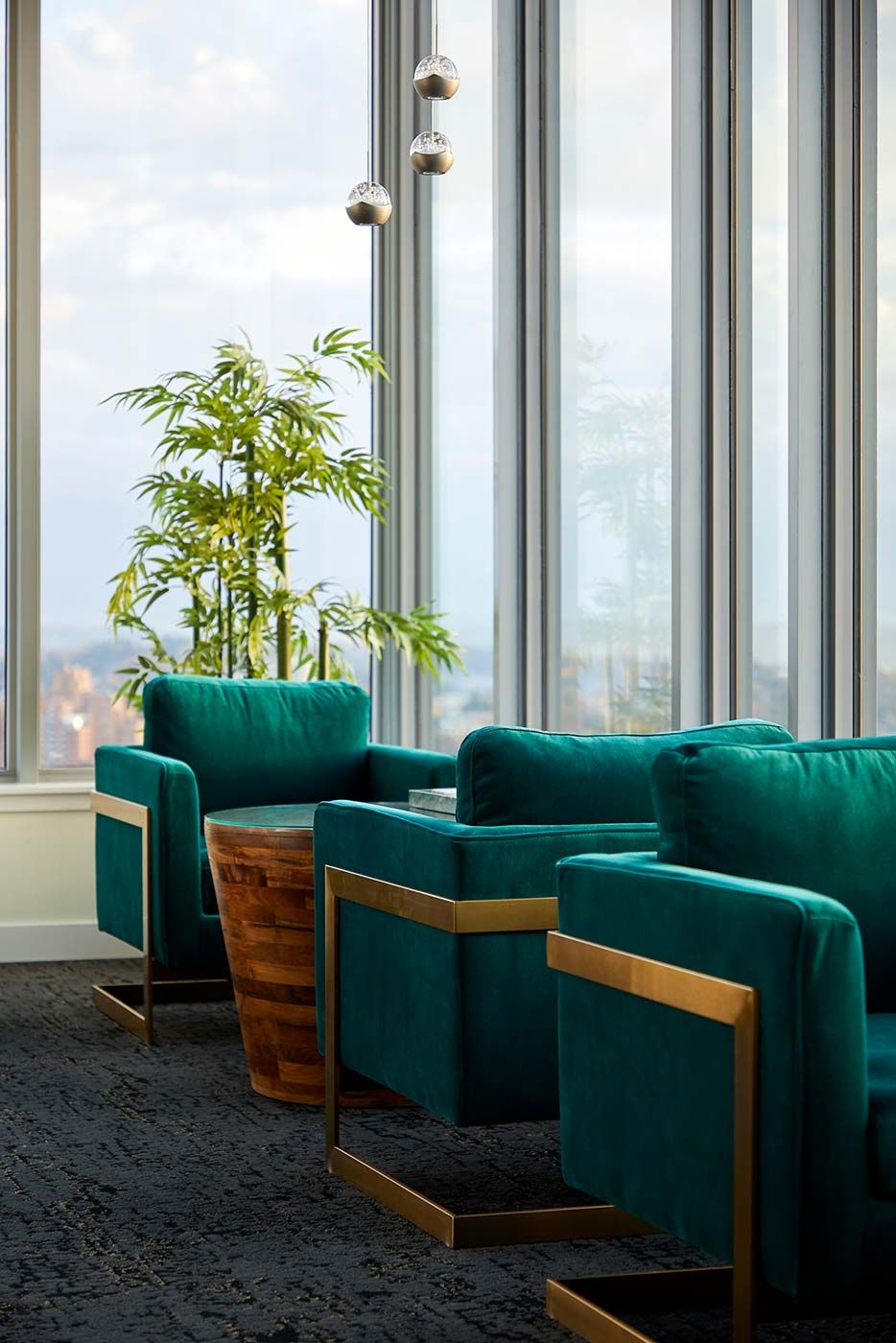
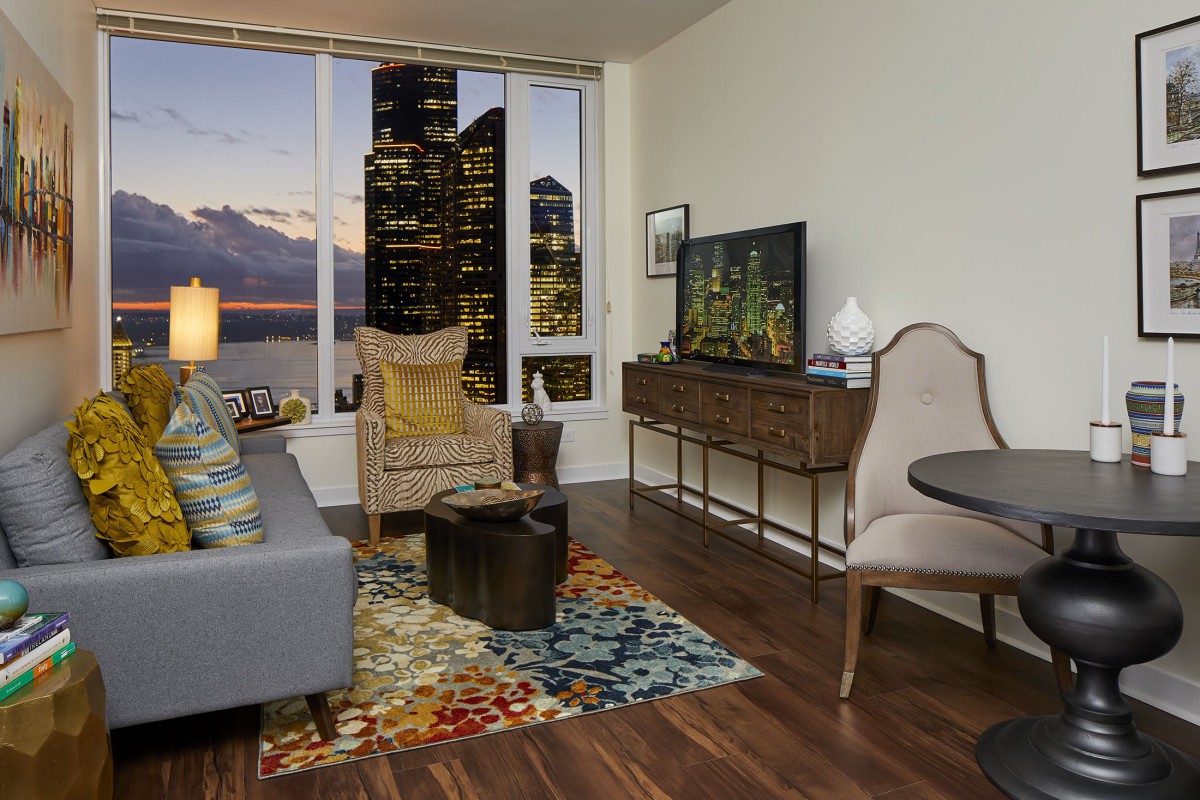
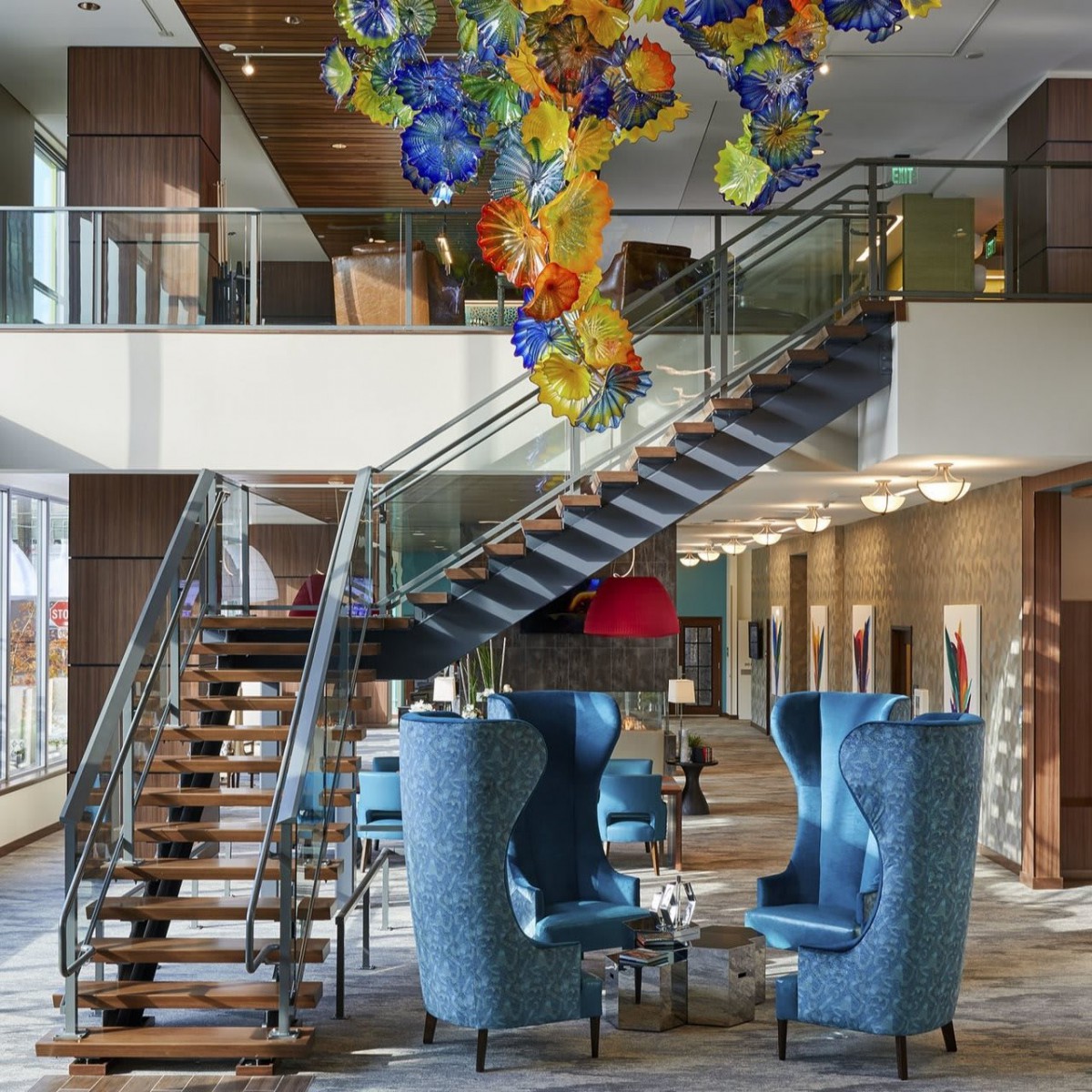
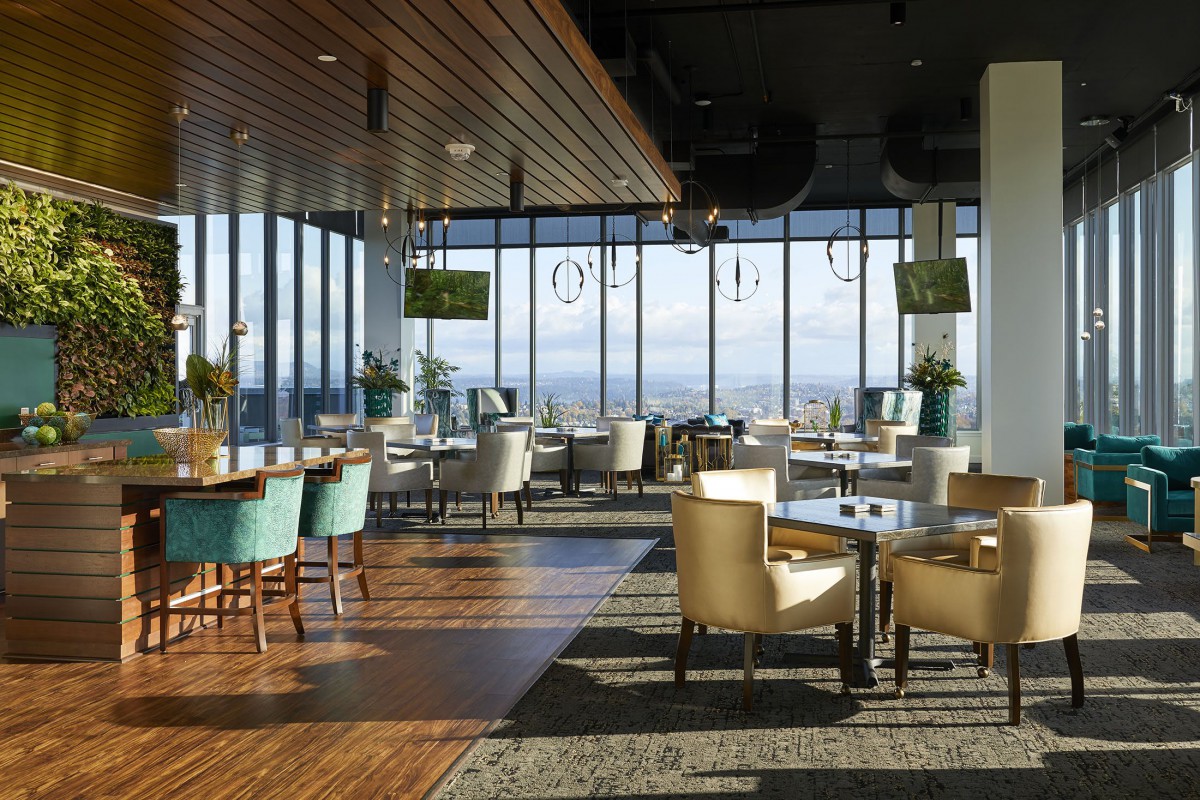
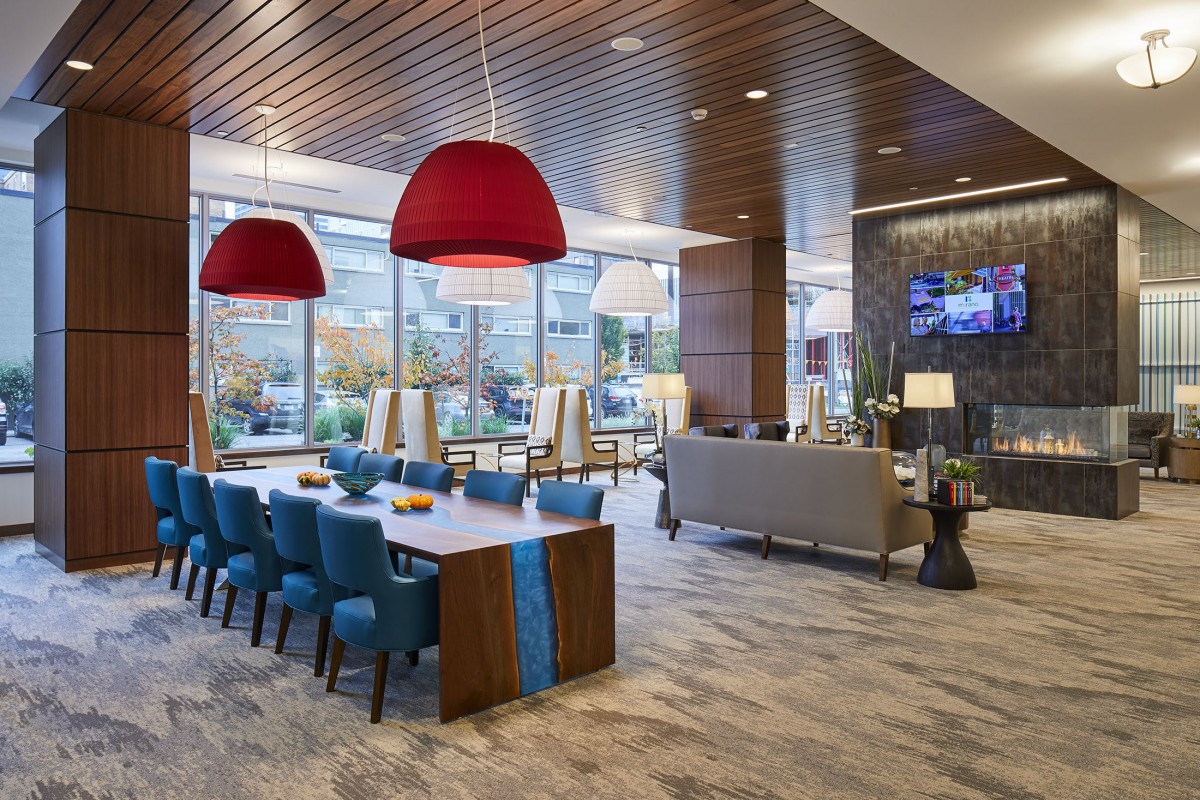
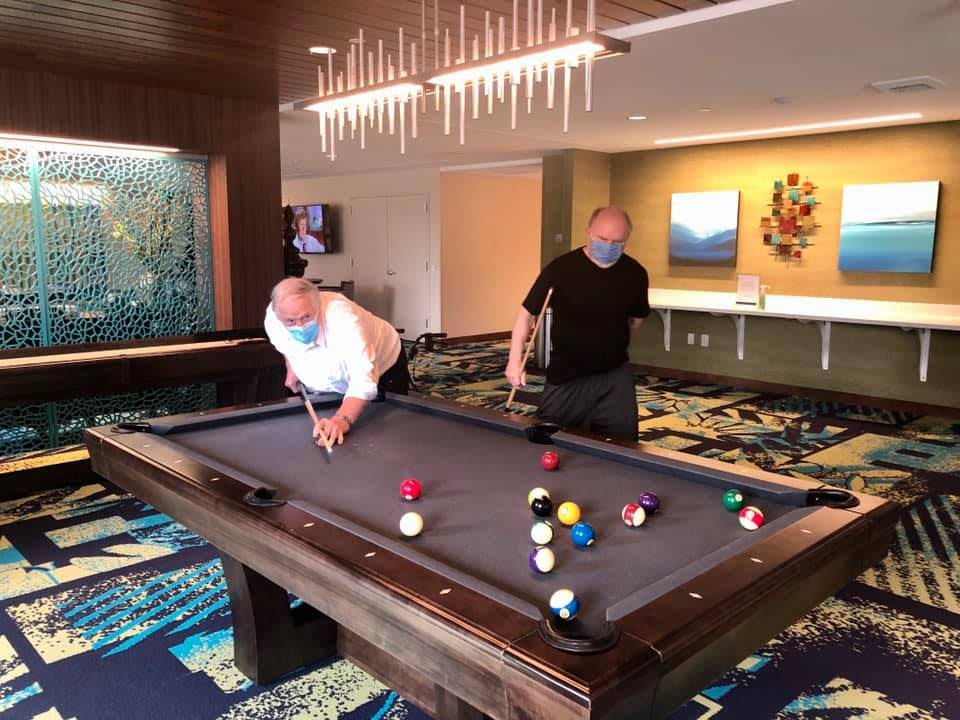
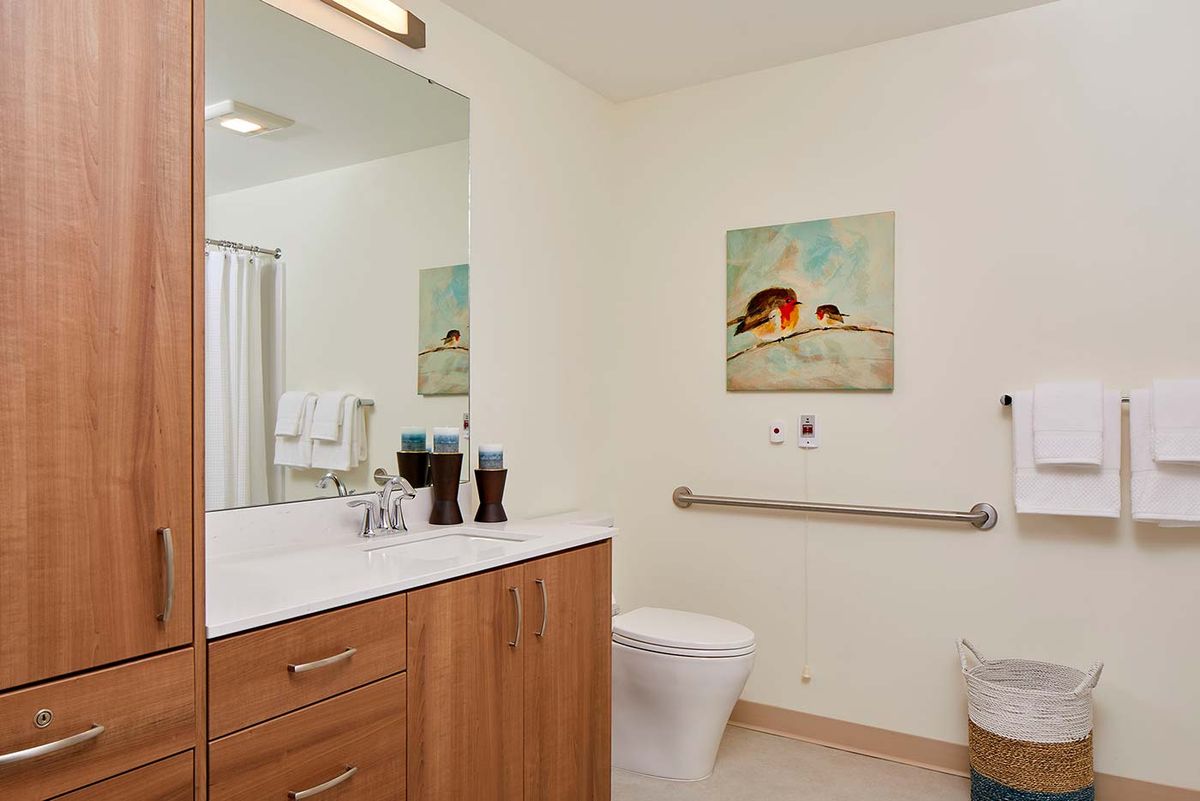
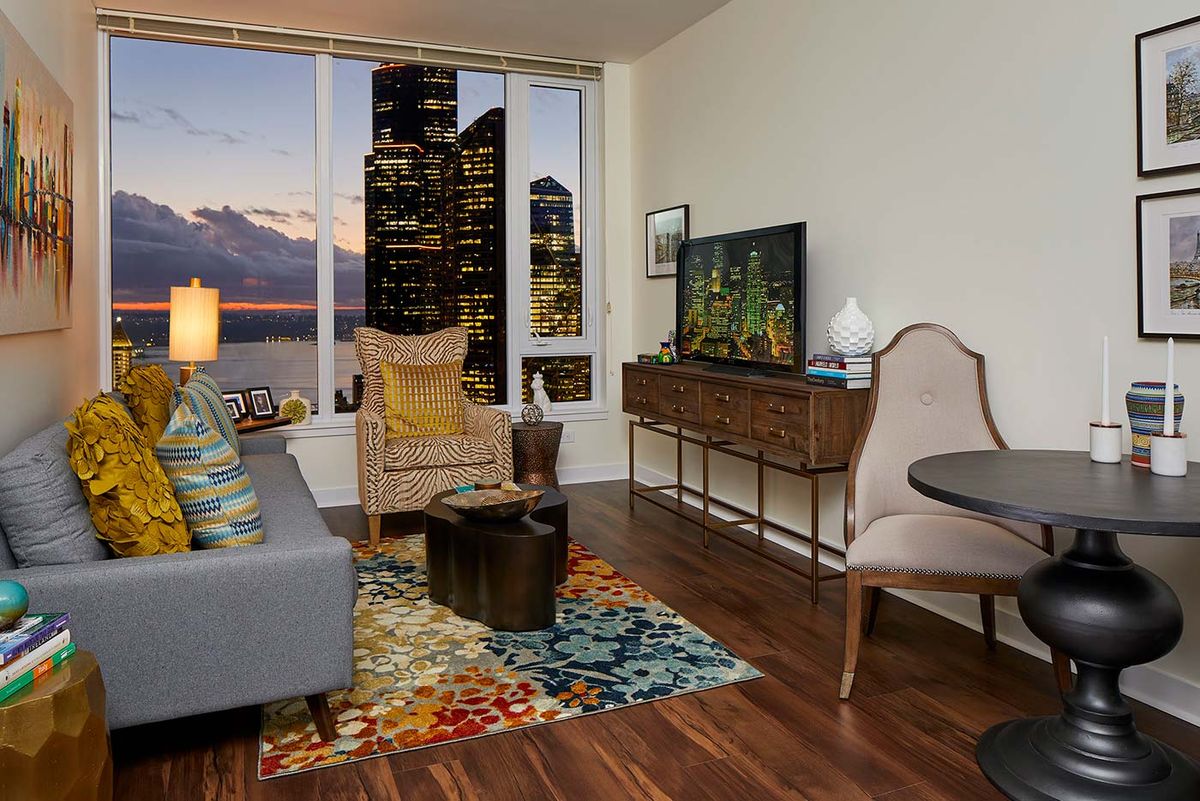
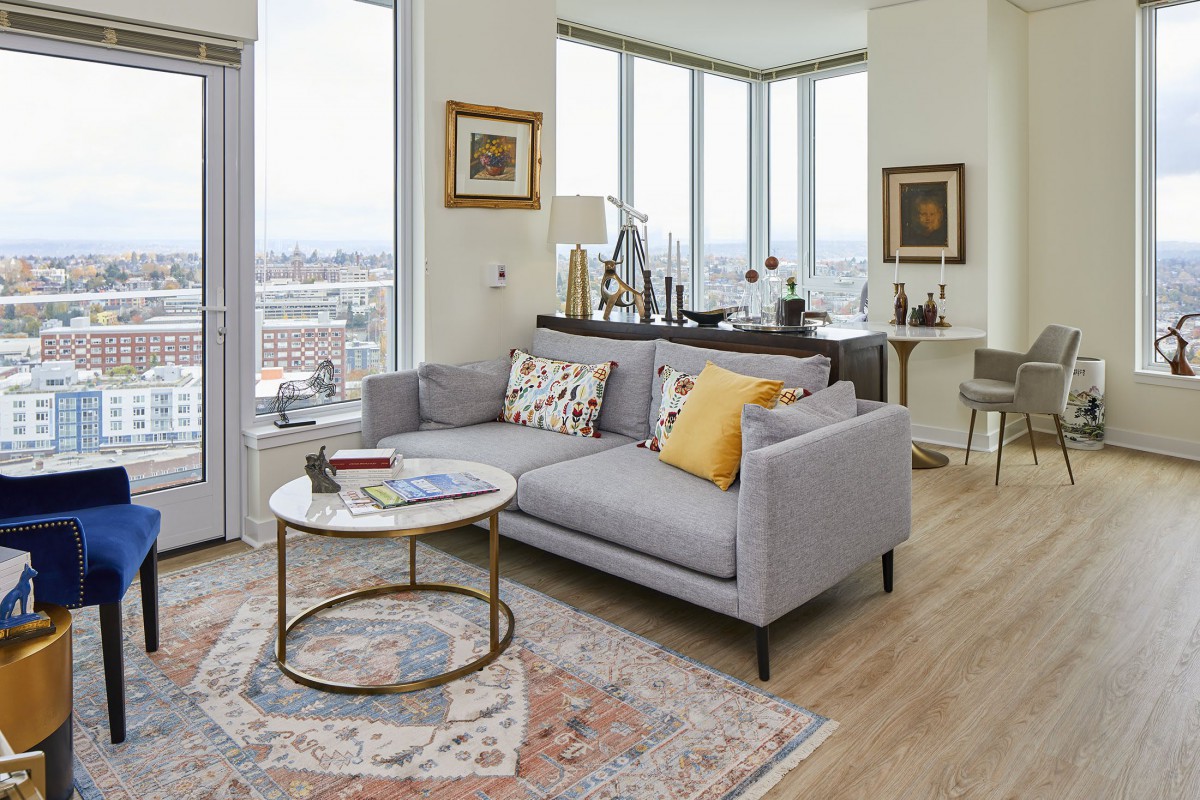
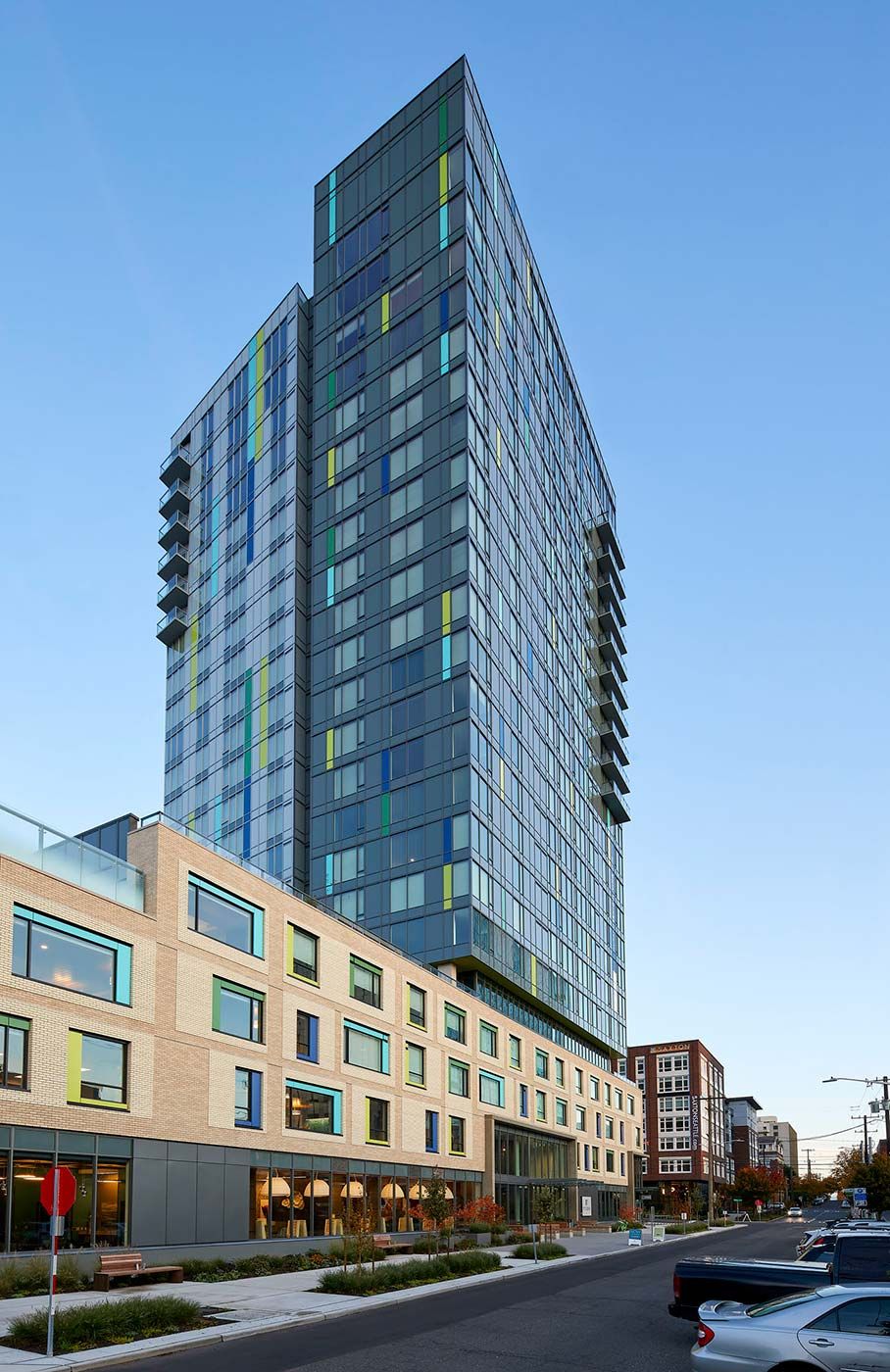
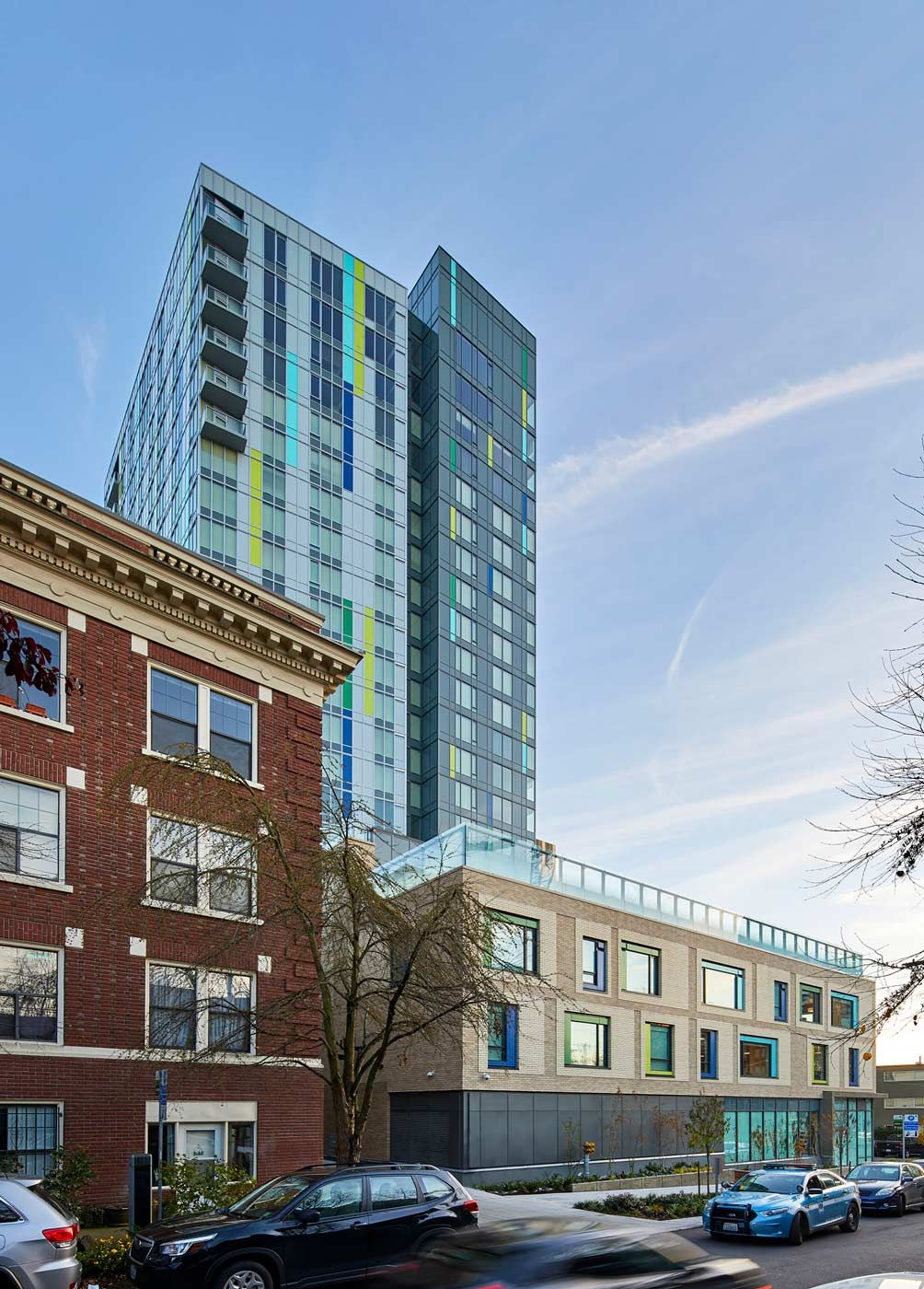
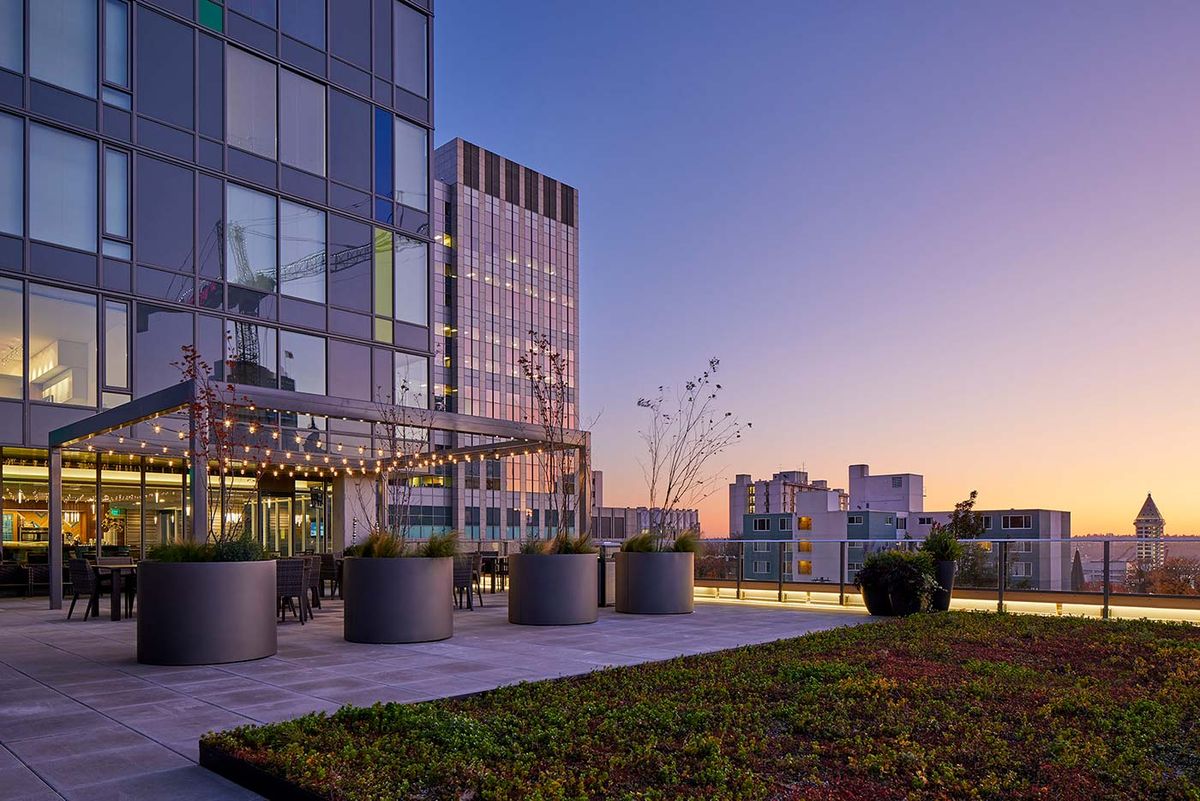
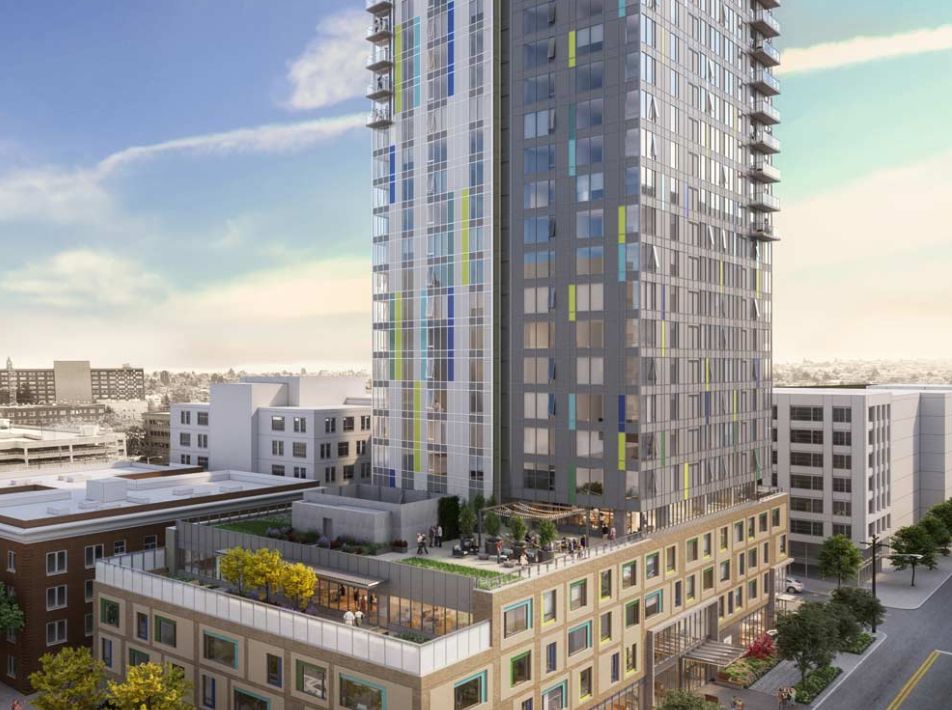
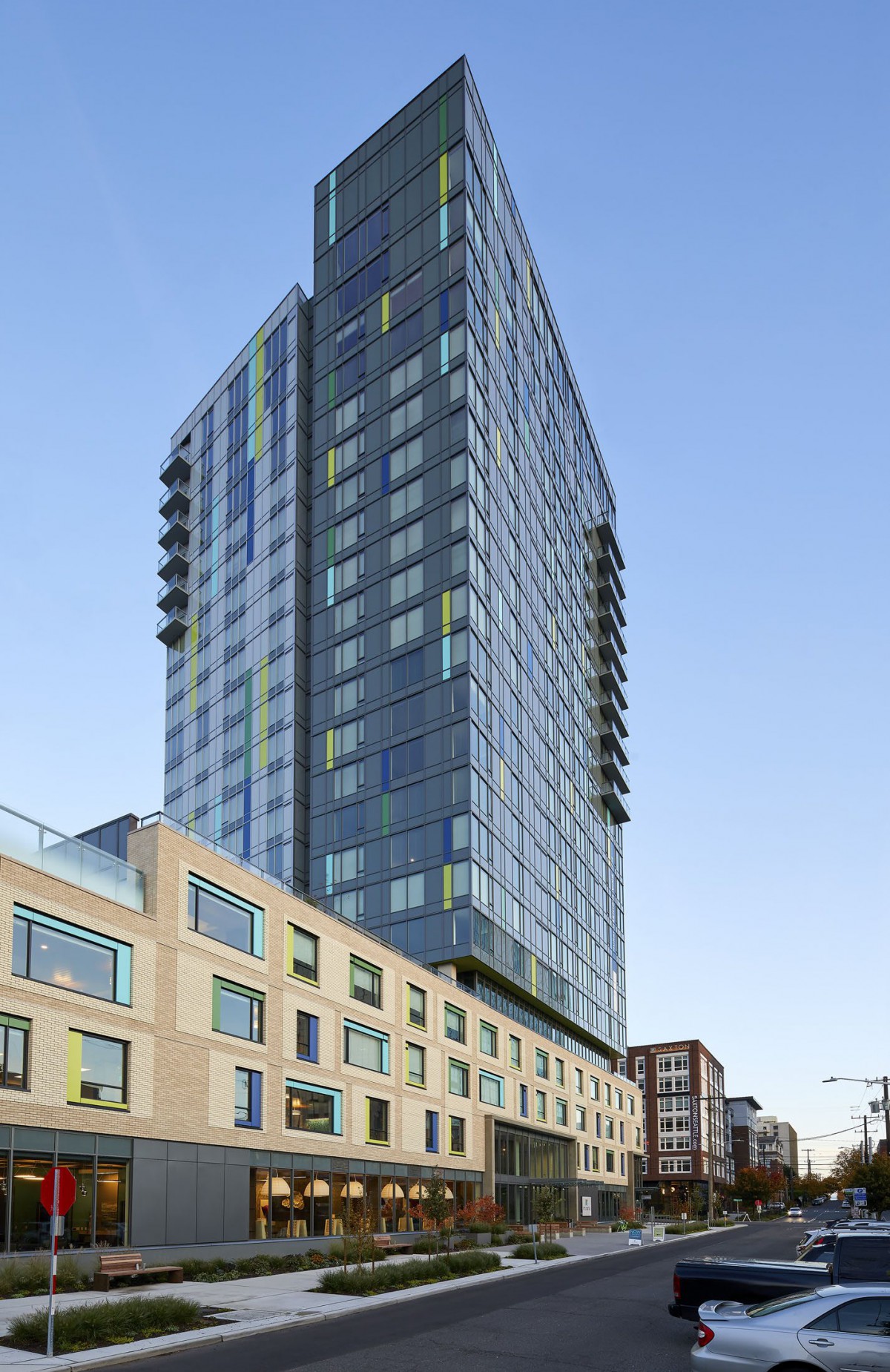
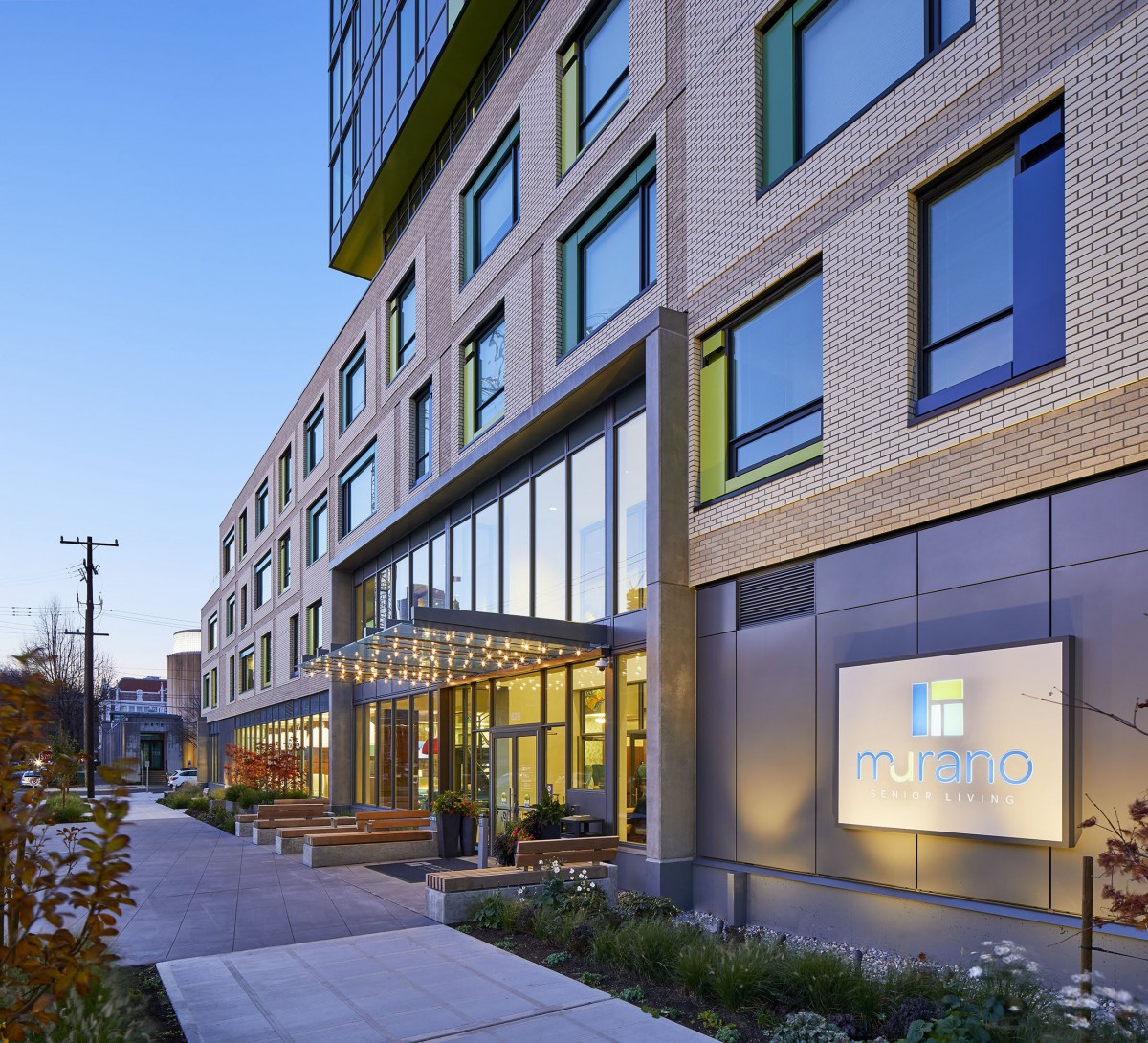
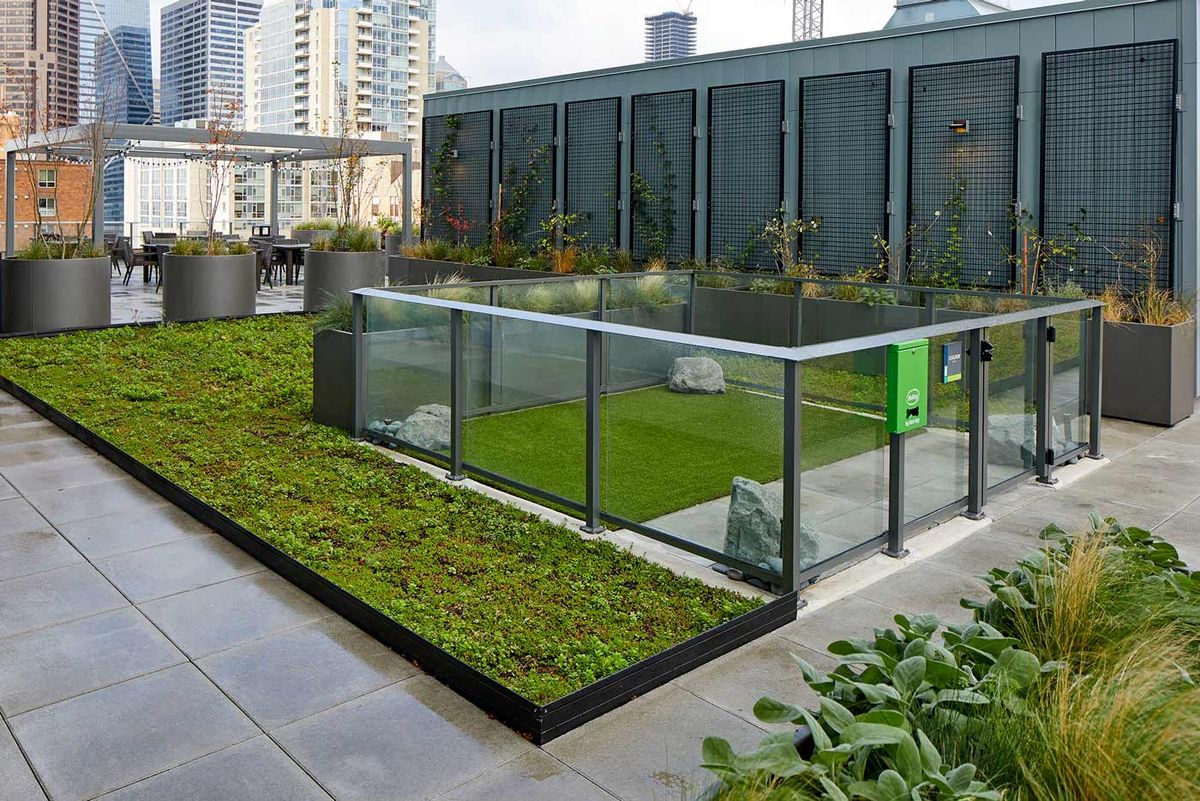
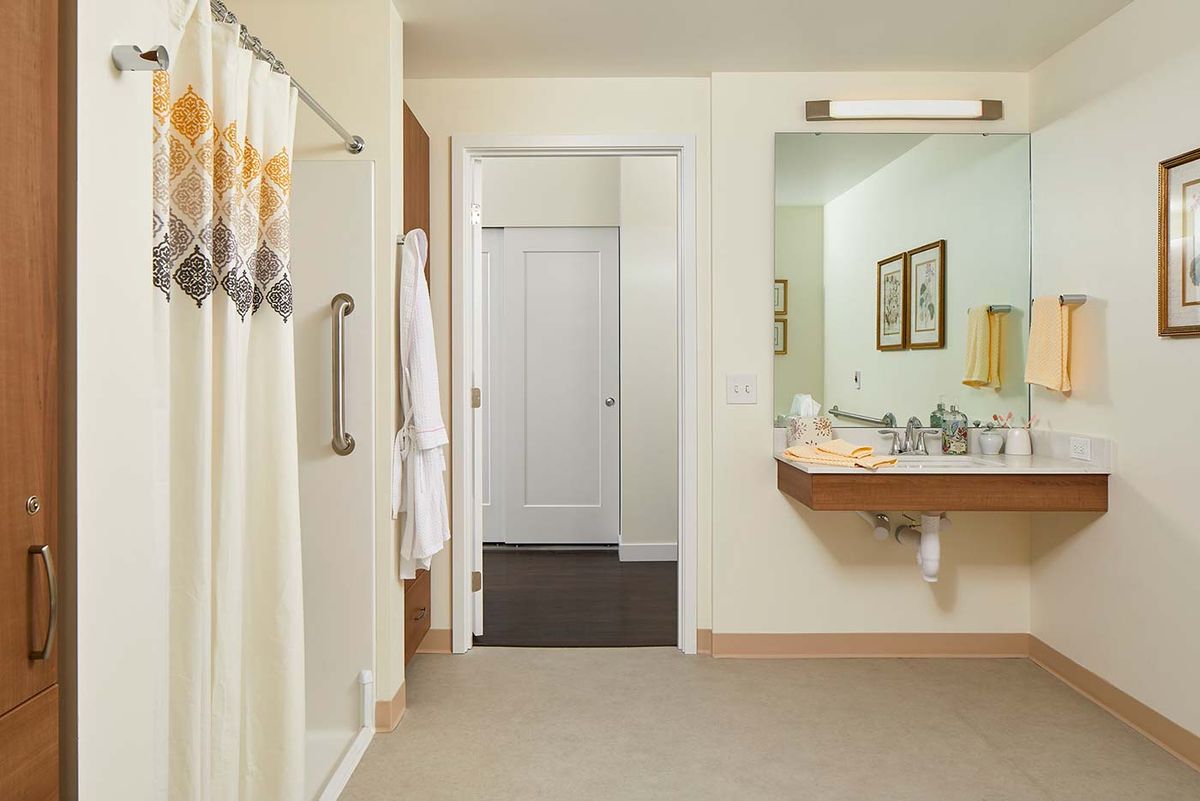
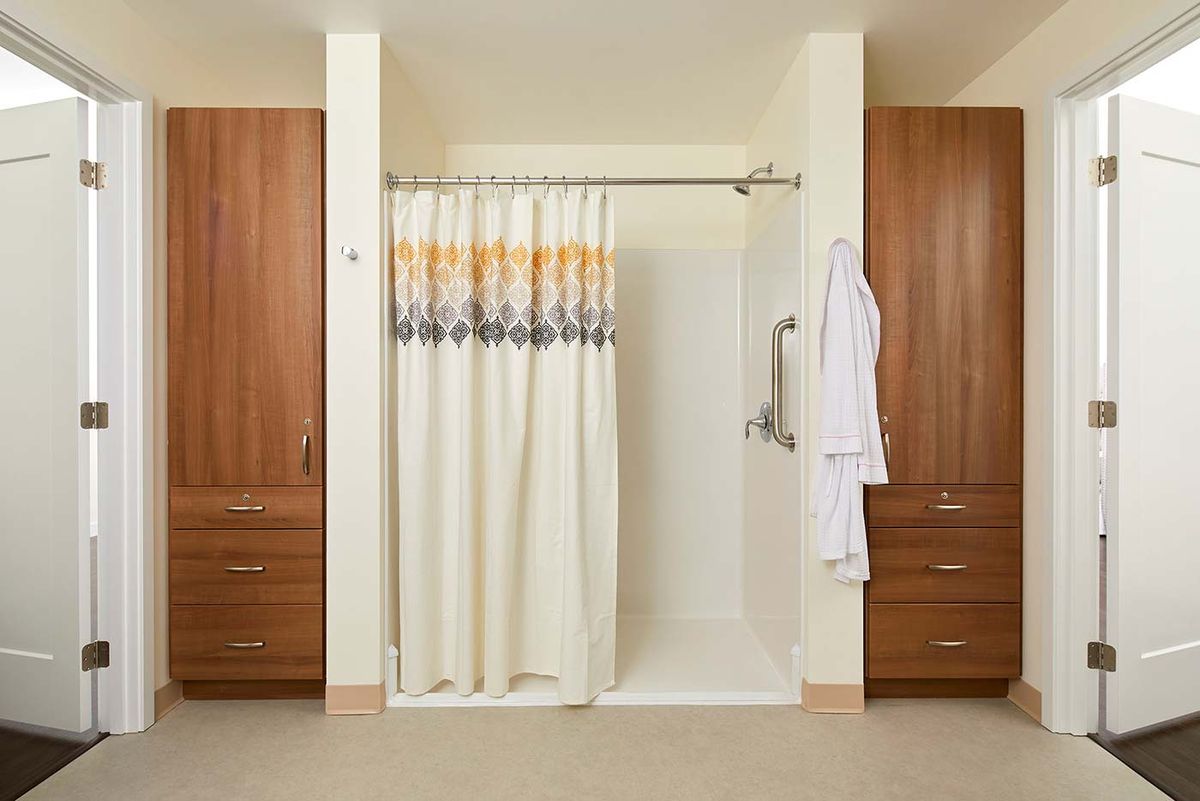
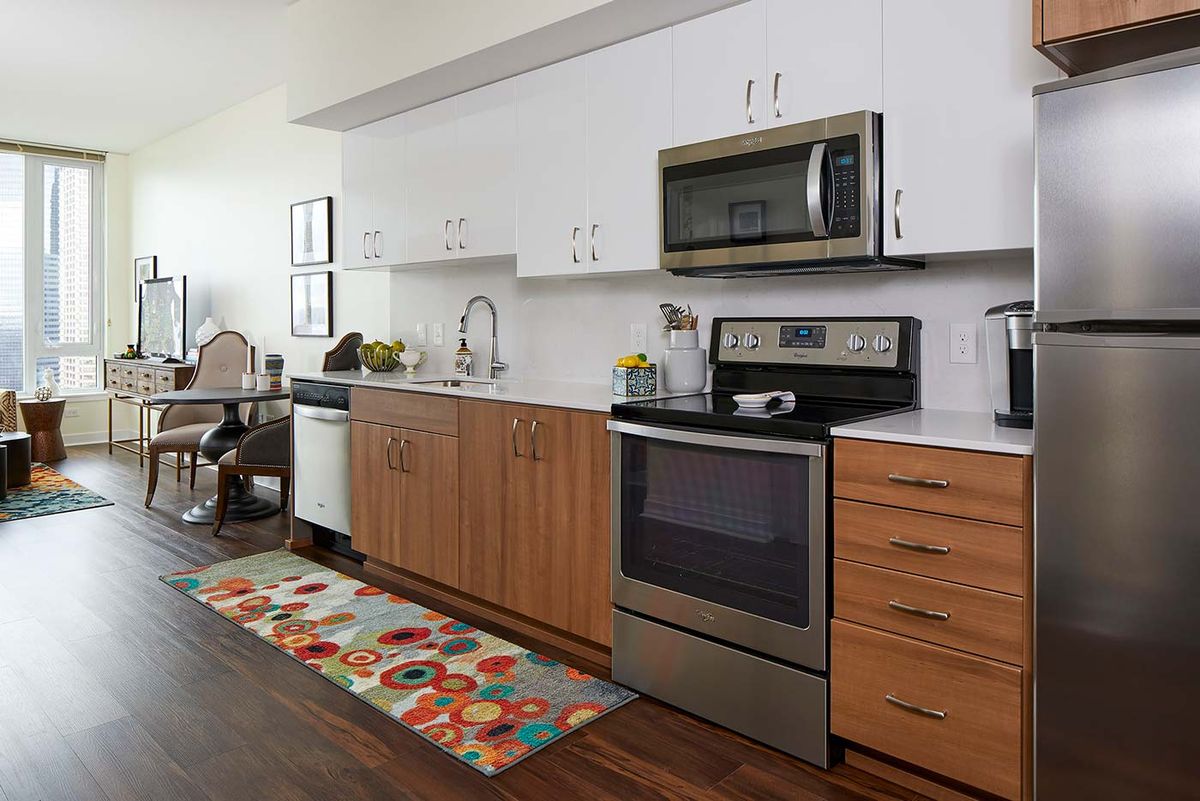
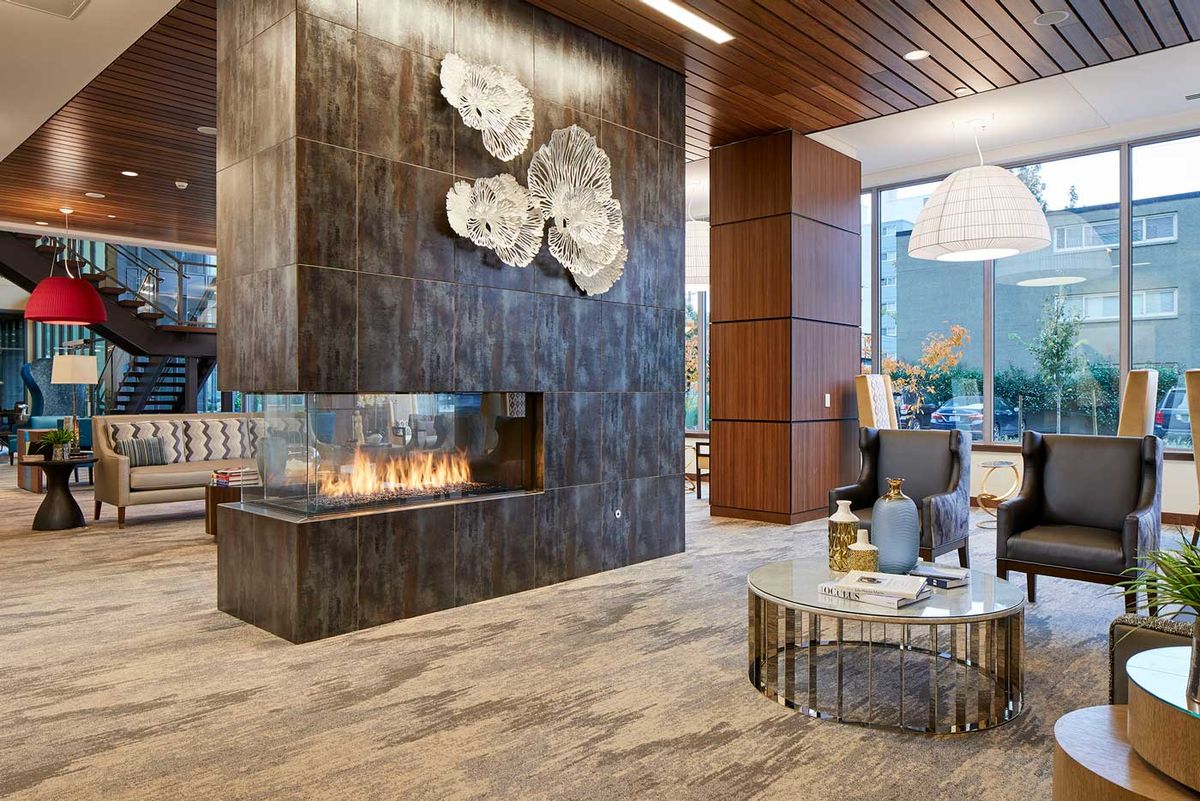
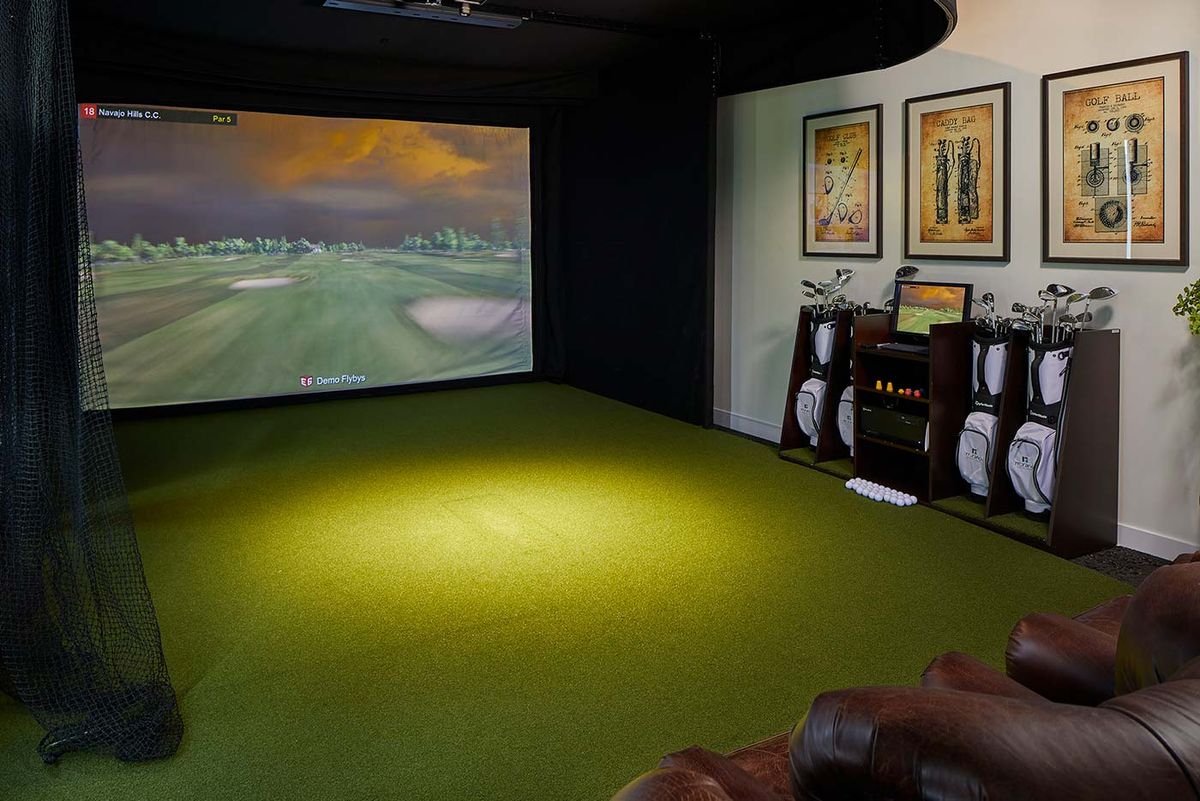
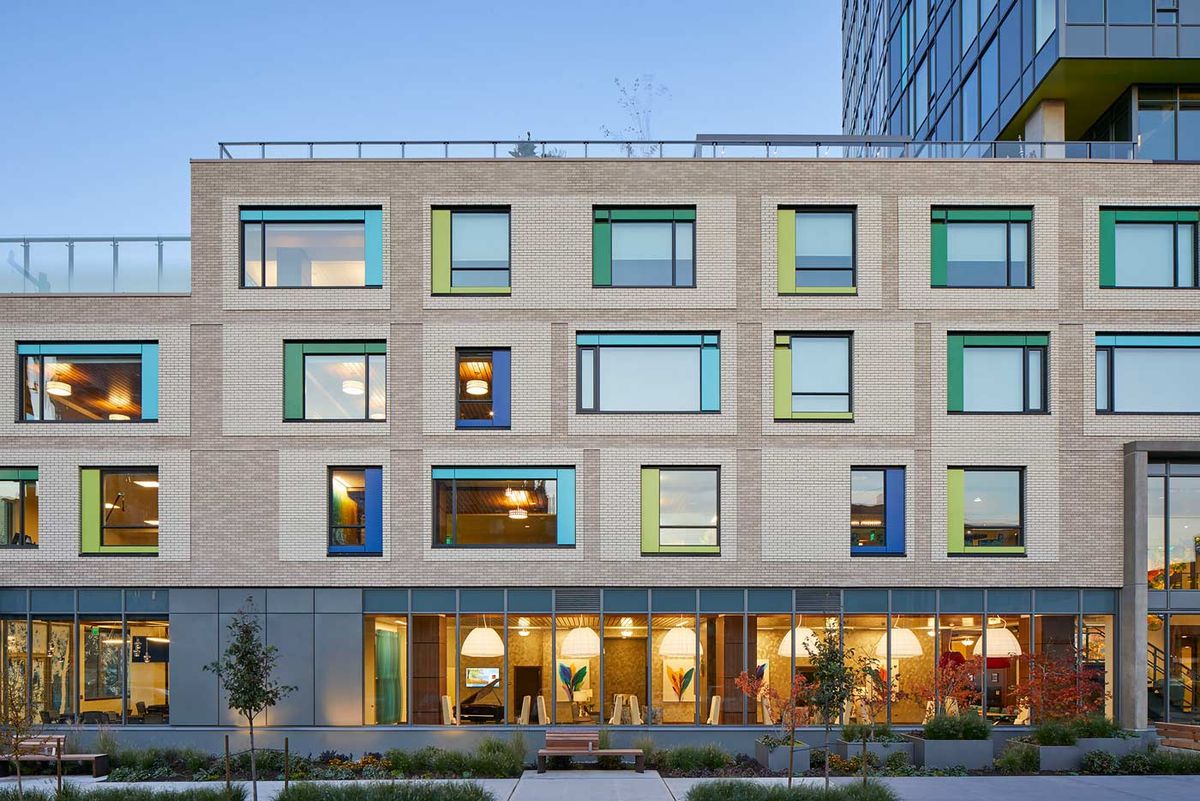
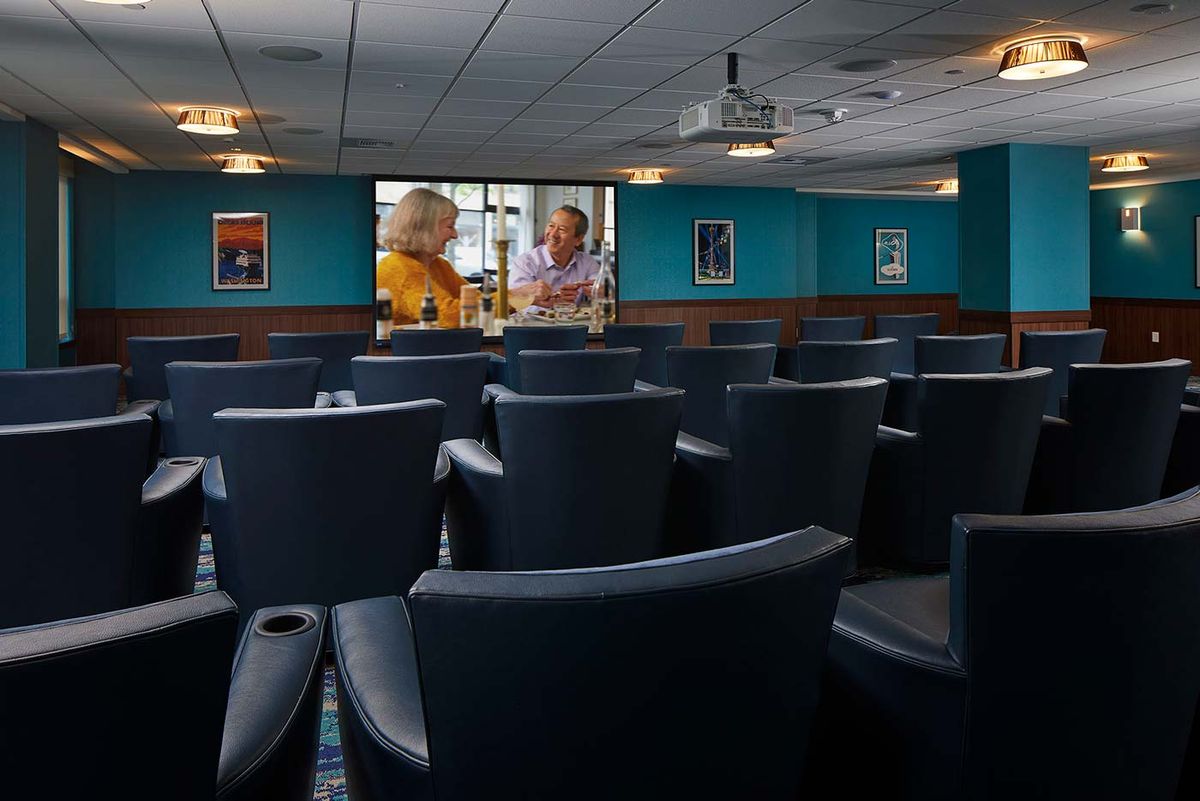
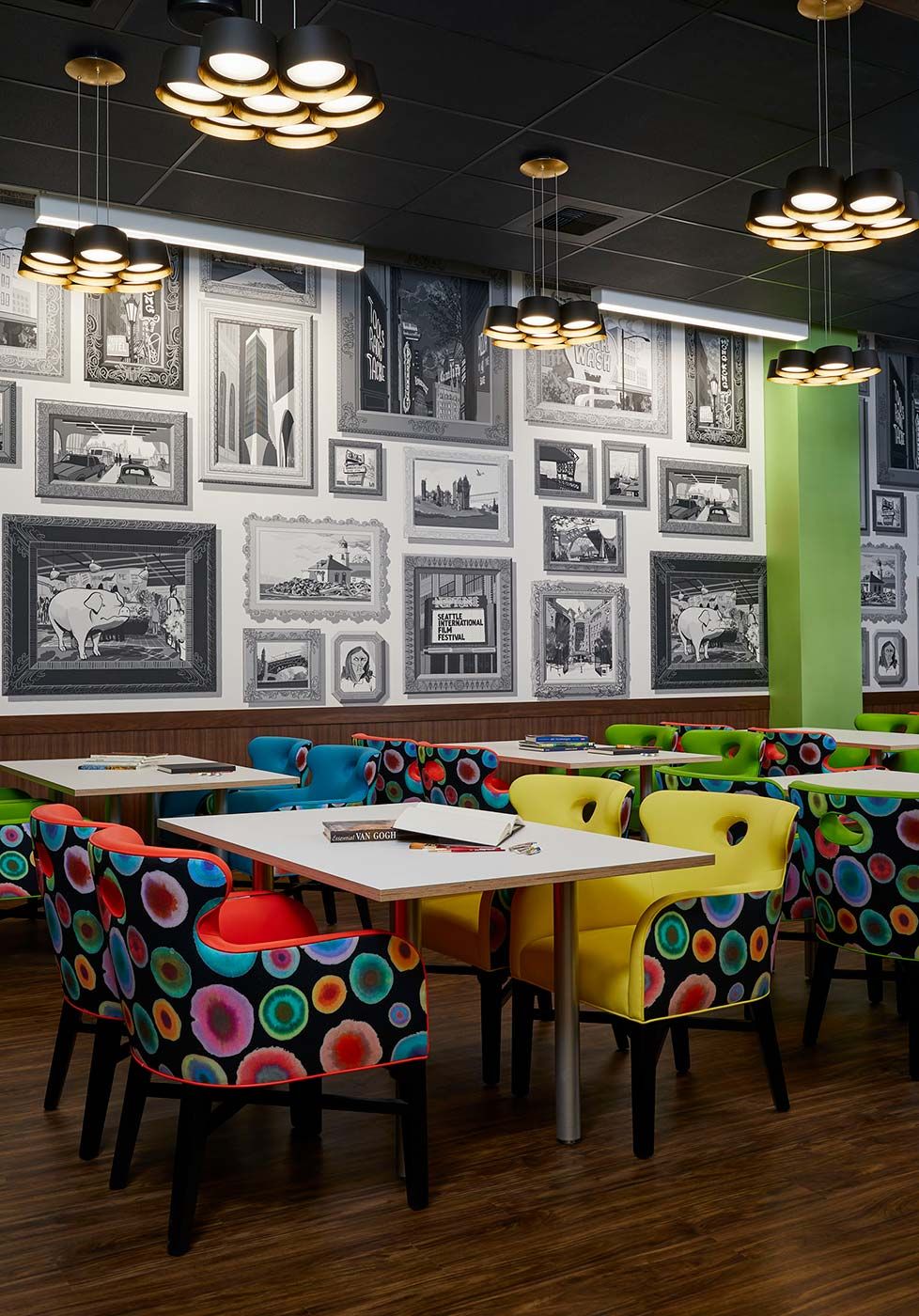
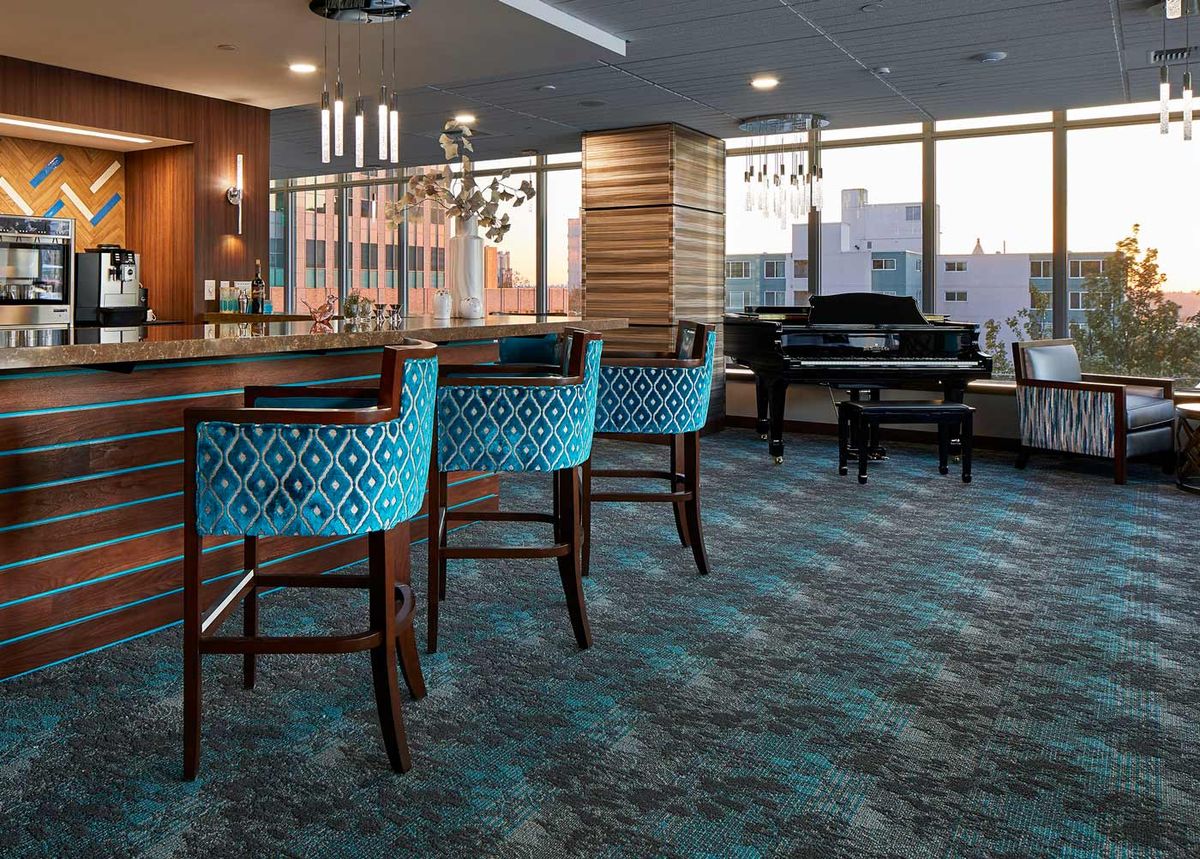
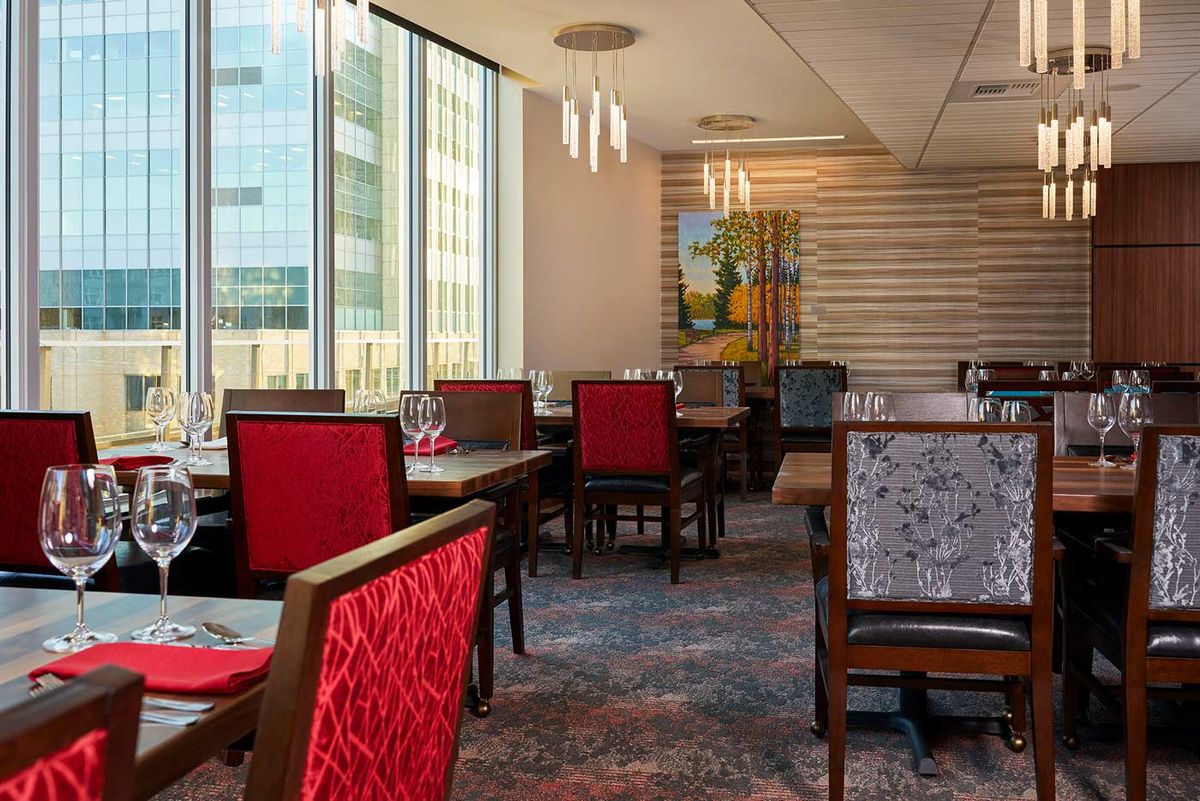
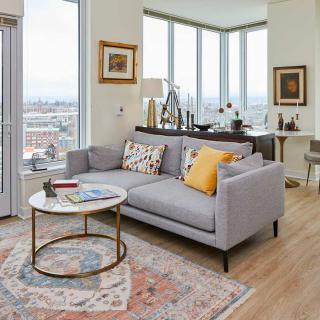
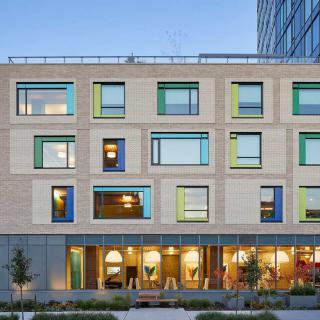
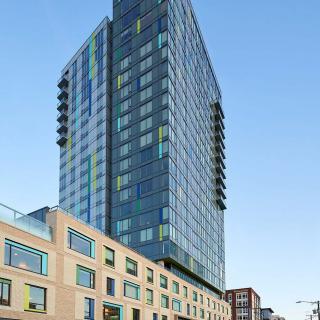
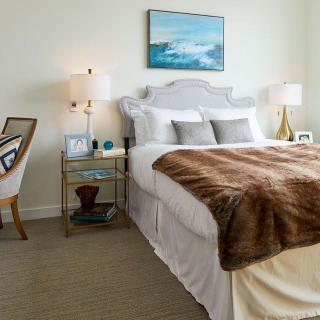
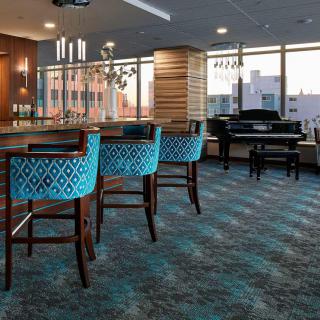
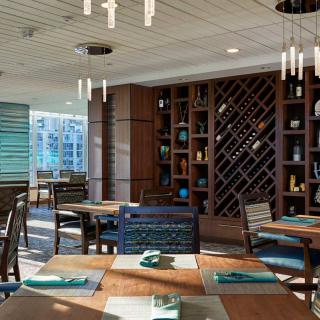
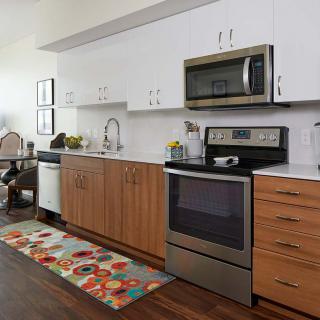
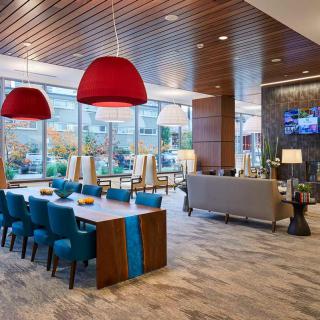
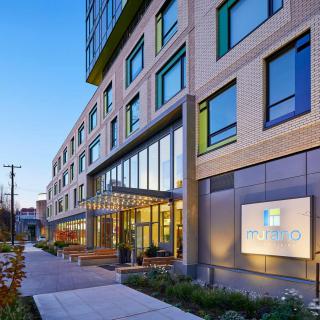
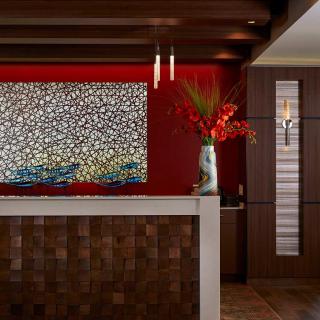
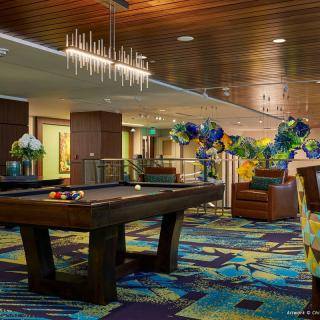
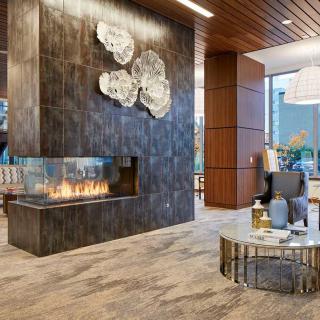
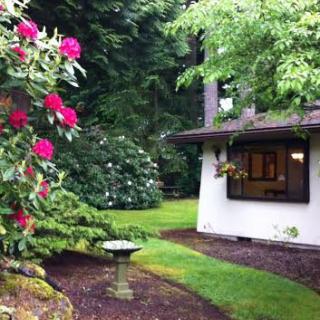
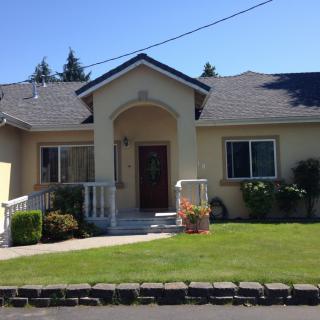
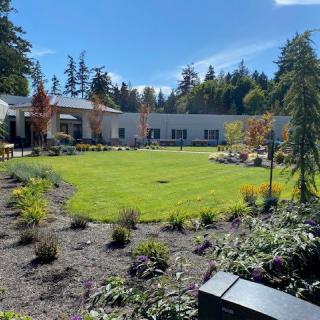
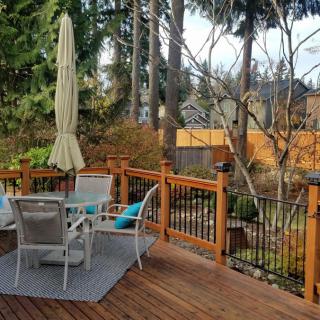
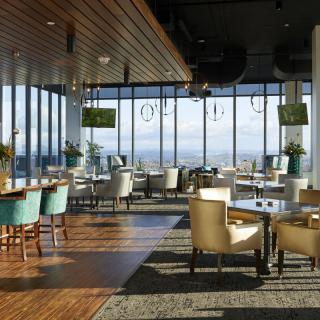
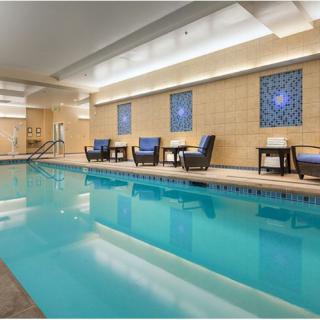
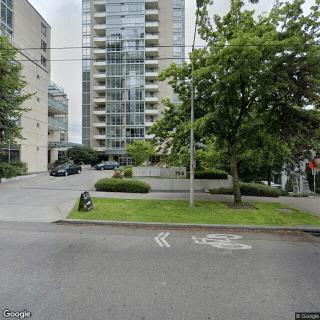
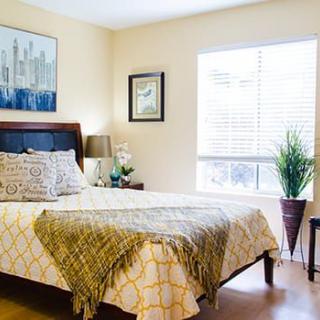
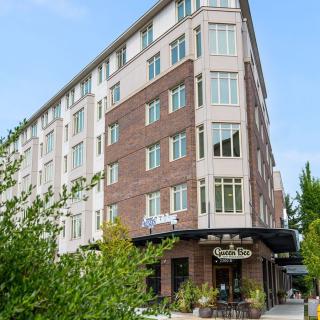
Murano Senior Living on seniors.fyi includes 49 photos including images showing interior, decor, windows, dining, bathroom, bedroom, seating area, building, and more.
Nearby Communities
Swedish Orthopedic Institute
Seattle, WA
Excellent access to dining, parks, pharmacies, hospitals, and theaters nearby.
American Healthcare Service, Inc
Seattle, WA
2.2 from 11 reviews
Health-focused dining options and convenient access to nearby amenities.
Skyline Health Services
Seattle, WA
4 from 43 reviews
$3,395 to $5,928 / month
Friendly, well-trained staff with personalized care in a beautiful, well-maintained campus.
Skyline at First Hill
Seattle, WA
Memory care with personalized diabetic care and on-site activities.
Hilltop House Retirement Home
Seattle, WA
4 from 34 reviews
Ideal location with remodeled interiors and a diverse, active resident community.
The guide on holistic dementia care outlines the complexity of dementia and stresses the need for individualized caregiver strategies that include medical treatment, psychological support, and environmental adaptations, while emphasizing early detection, various therapeutic options, and caregiver support to enhance quality of life and maintain dignity.
"Memory Care Pathways: A Holistic Guide to Dementia Support" outlines the complexities of dementia and its various types, emphasizing early detection, patient-centered care strategies, caregiver support, and long-term care options while addressing legal and financial considerations to enhance the quality of life for individuals with dementia and their families.
Sundown syndrome, or sundowning, is a phenomenon in dementia patients characterized by increased confusion and agitation during late afternoon and evening, influenced by factors like disrupted circadian rhythms and fatigue. Effective caregiver strategies include establishing routines and managing environmental light while addressing caregiver stress through support services.
Kitchen, Appliances, Cabinets, Oven, and Dishwasher
Lighting
Artwork
Television
Chandelier
Fireplace and Modern Interior
Seating Area
Outdoor
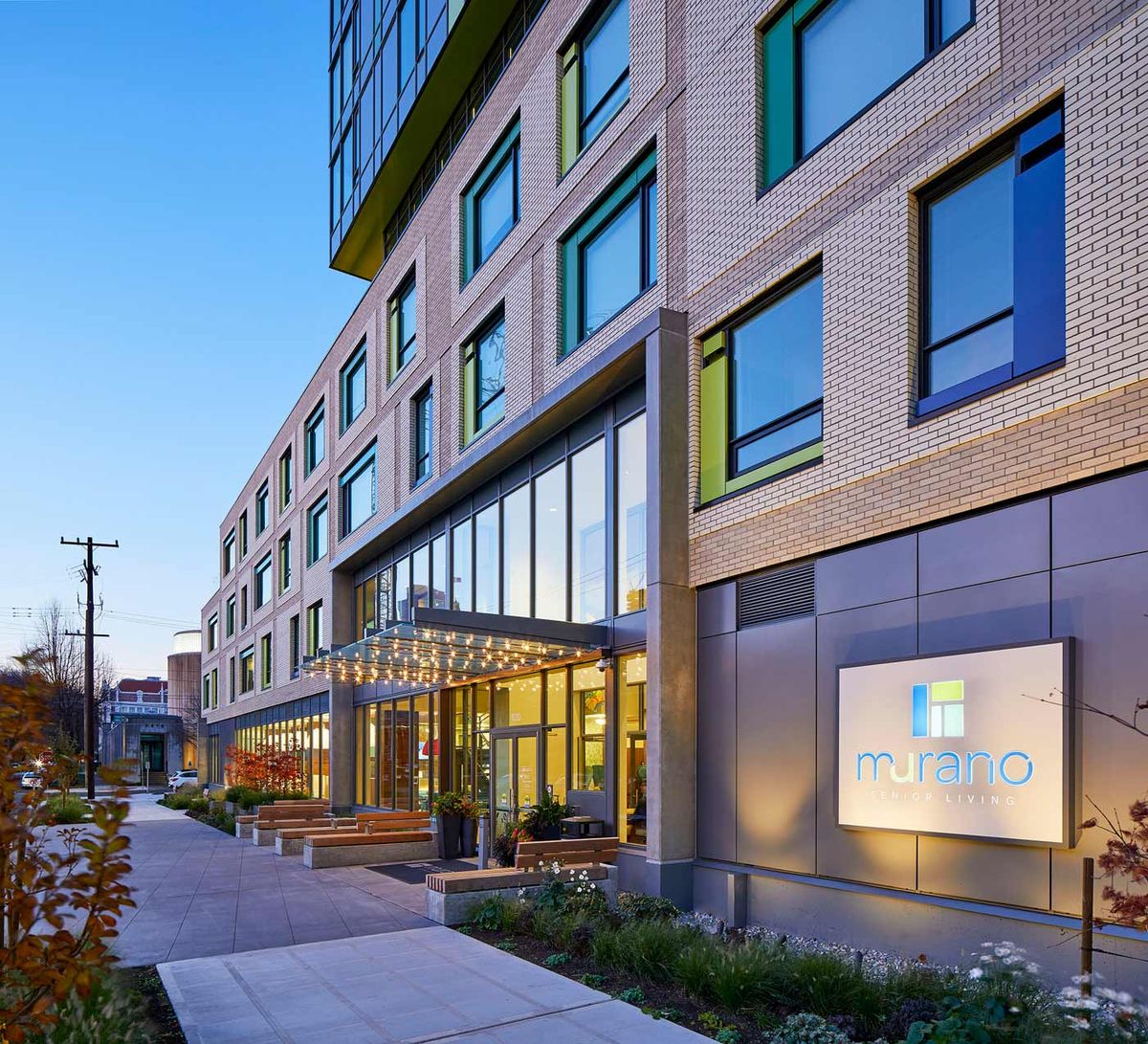
Entrance and Building Exterior
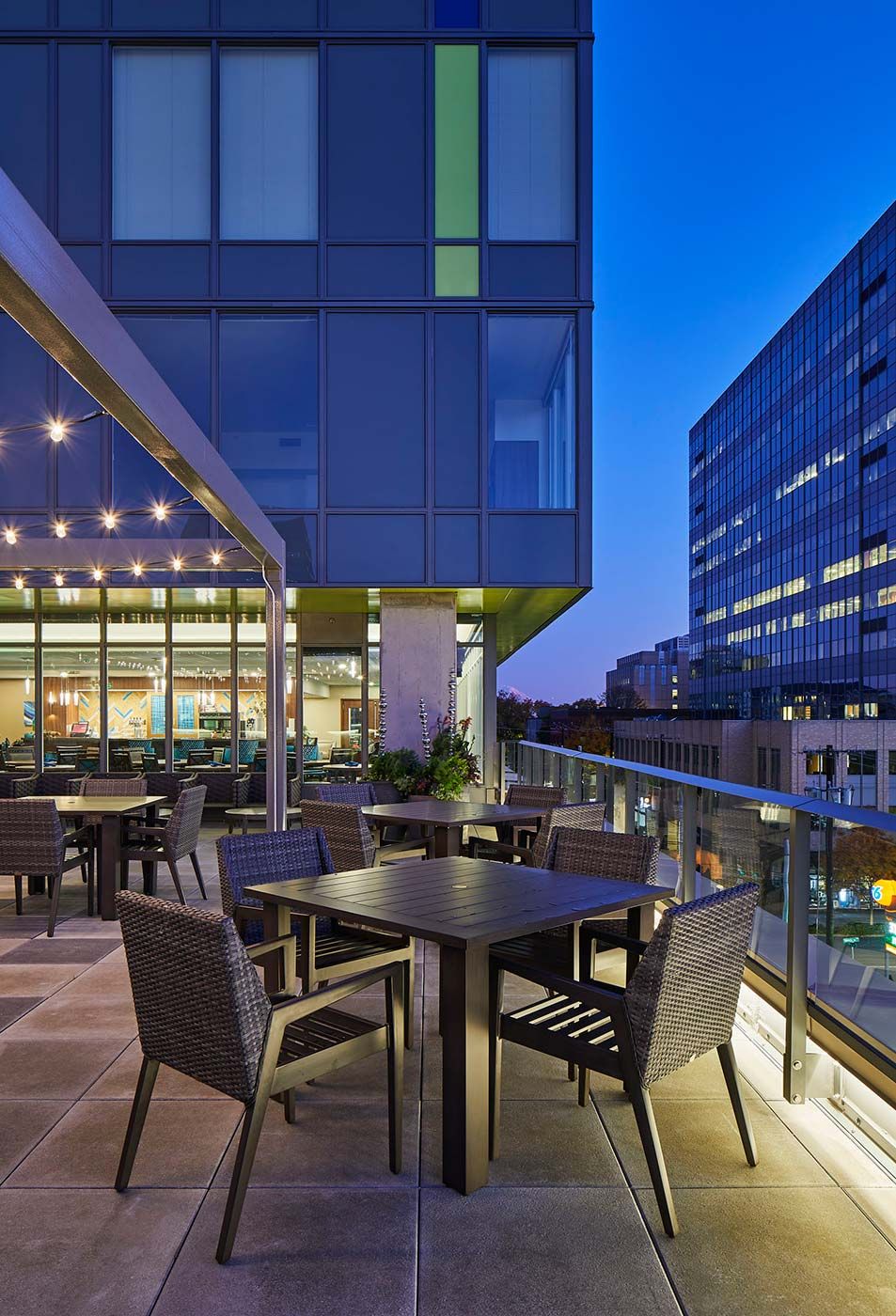
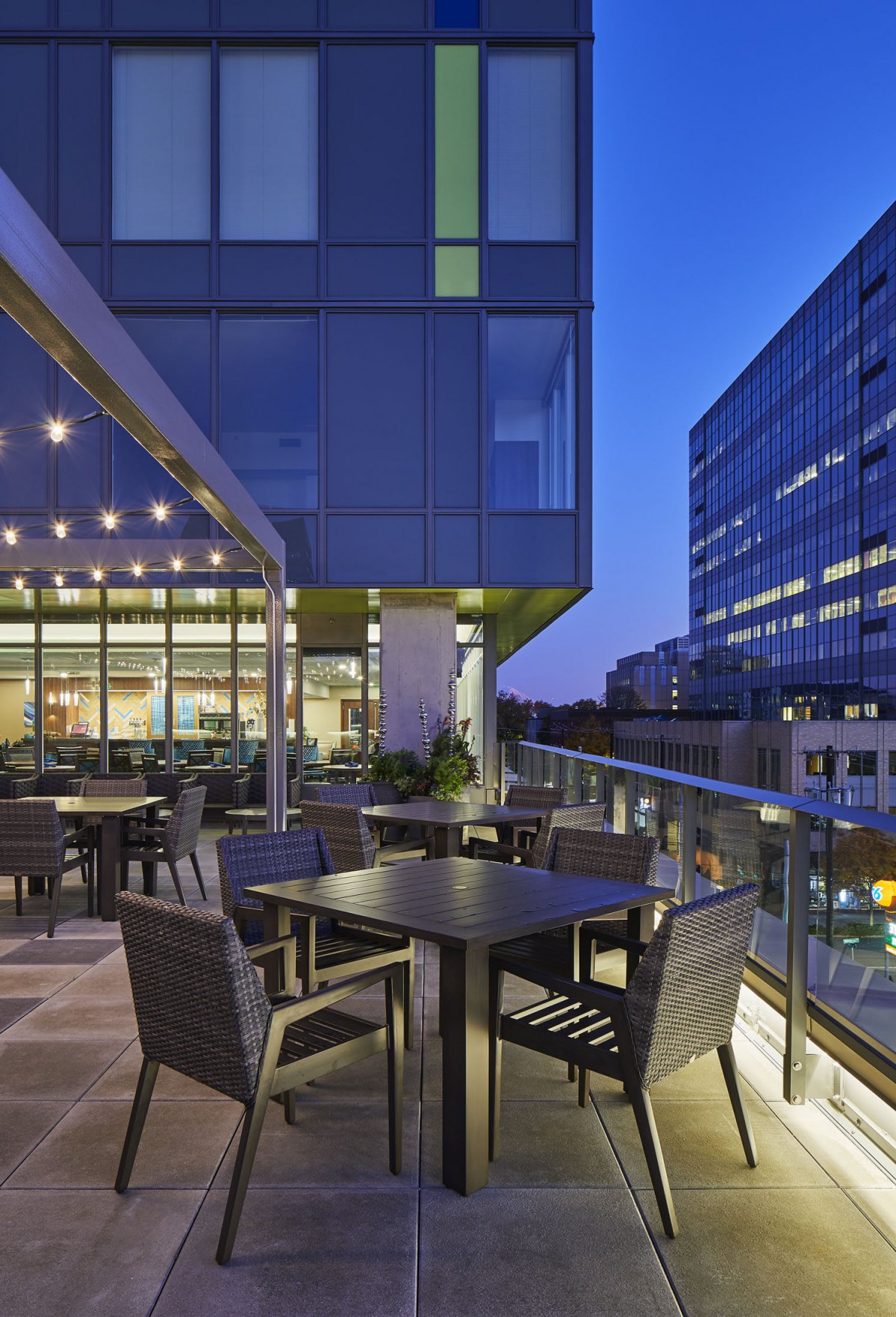
Patio
Lobby
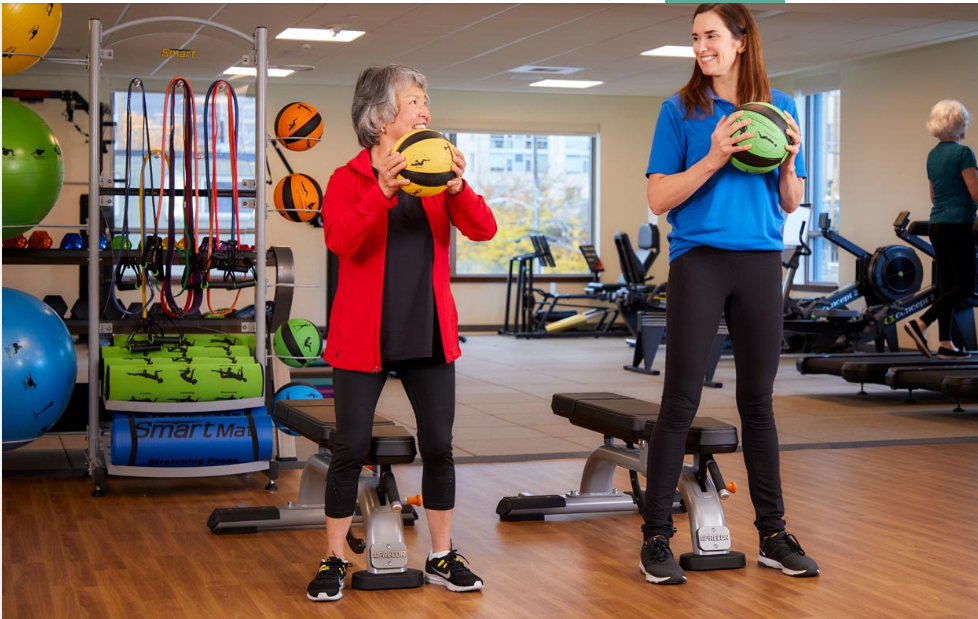
Exercise Equipment, Fitness Center, and Workout Space
Outdoor Seating
Natural Light
Seating
Wall Art
Billiards
Hardwood Floor
Office
Gym
Shower
Indoor Plants and Office Space
Lounge
Rug
Conference Room, Meeting Space, and Projector
Reception Area
Fitness and Exercise
Game Room
Modern Architecture
Staircase
Stairs
Bar
Lighting Fixture
Additional Photos
Get PricingAsk A QuestionSchedule A TourContact Senior Advisor
By clicking submit, you agree to our Partner's Terms of Use. You
also consent to receive calls and texts, which may be autodialed, from our Partner. Your consent is not a condition to
using our Partner's service. Please visit our Partner's Privacy Policy for information about their privacy practices.




 Assisted Living
 Independent Living
 Memory Care
 Cats allowed
 Dogs allowed
 Activities off-site
 Air-conditioning
 Bath tubs
 Beautician on-site
 Cable or satellite TV
 Computer center
 Devotional services off-site
 Dining room
 Fitness room
 Full kitchen
 Fully furnished
 Gaming room
 Garden
 Handicap accessible
 Housekeeping services
 Indoor common areas
 Move-in coordination
 Outdoor common areas
 Private bathrooms
 Respite or short term stays offered
 Restaurant-style dining
 Small library
 Telephone
 Wellness center
 Wheelchair accessible showers
 Wi-Fi/high-speed internet available
 Seattle-Tacoma International (11 miles away)
 Community operated transportation
 12-16 hour nursing
 24-hour call system
 Assistance with bathing
 Assistance with dressing
 Assistance with transfers
 Diabetes diet
 Diabetic care
 High acuity care
 Incontinence care
 Medication management
 Mental wellness program
 Special dietary restrictions
 Art classes
 Bible study group
 Concierge services
 Cooking classes
 Jewish services
 Planned day trips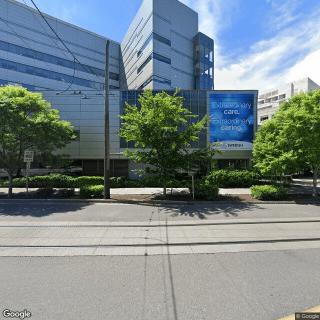
 Excellent access to dining, parks, pharmacies, hospitals, and theaters nearby.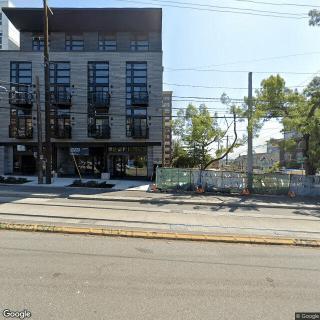
 A Holistic Dementia Care Guide: Effective Strategies for Memory Support
 Memory Care Pathways: A Holistic Guide to Dementia Support
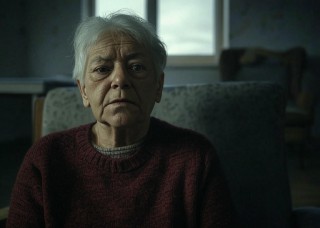 Comprehending Evening Confusion in Dementia: Causes, Manifestations, and Support