
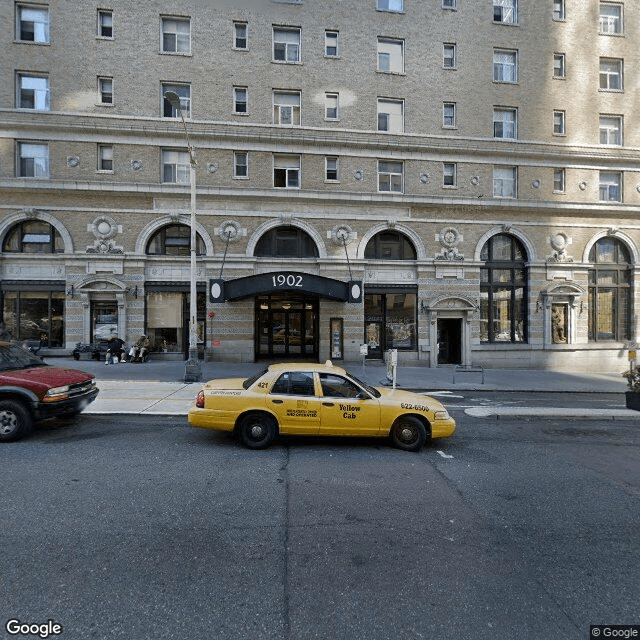
1902 2nd Ave, Seattle, WA 98101
To contact a resident: (206) 448-8500
For more information about senior living options: (866) 208-4318
Overall Review of Josephinum
Pros
 The historic building is beautiful and a must see.
- The staff are very nice and take the time to show residents the building.
- The architecture is amazing and spellbinding.
- The building features beautiful stained glass artwork in the lobby.
- The Josephinum is a magical place to live.
- Excellent management earns an A+.
Cons
 The building is infested with roaches and feels like a nightmare for residents, with roaches getting worse each week despite extermination.
- Michael at the front desk is described as extremely rude and as making racist comments about the reviewer’s skin color.
- Marco, a higher-up, makes it almost impossible for the rest of the team to help residents, rarely responds to complaints, and has an ego that harms those who live there.
- The CCS promises of hope are felt as hollow by residents, who say cockroaches run in the halls and that residents are devalued as human beings.
- The Josephinum is portrayed as teetering on the brink of condemnation, with petty, unqualified staff; tenants are disrespected; hallways have rotting carpets; refrigerators are undersized; maintenance is third-rate; and safety is poor.
- The place is described as not safe and unworthy of support, with warnings not to donate to Catholic Community Services and claims that the organization is thieves.
Review
Josephinum in Seattle is best suited for residents who prize a downtown, historic setting and an on-site Catholic community atmosphere, with families willing to stay closely involved to oversee care and push for steady improvement. This is a property where architectural charm and a social, faith-infused environment can feel like real value, especially for those who want a central address and are comfortable navigating a complex operation with active family oversight. Those seeking pristine, modern senior living with consistently predictable service should consider alternatives from the outset.
The strongest positives cluster around ambiance and the support network that comes with its Catholic services and public-facing staff. The building’s 1908 heritage and ornate public spaces still impress, with striking lobby features and a sense of grandeur that few peers can match in Seattle’s downtown. In several accounts, front-desk staff and guest services are described as warm and helpful, and the on-site religious community offers meaningful engagement for residents who want regular programming and moral support. These attributes create real intangible appeal for residents who value community connection and a dignified residence as much as daily care.
Yet the cons are not easily dismissed and tend to define the core trade-off. Pest control is a chronic, pervasive complaint, with roaches repeatedly described as a daily nuisance. Maintenance and infrastructure show obvious wear: outdated carpets, limited appliances, and living spaces that feel markedly aged versus what many families expect in a senior community. Safety and comfort are further compromised by reports of inconsistent responsiveness from leadership and a management style that some residents describe as distant or domineering. When concerns are voiced, a few accounts portray a bottleneck in the escalation pathway, with a perception that only one manager can authorize or address most issues, leaving residents feeling unvalued and unheard.
In weighing the positives against the negatives, the architectural beauty and the social-religious ecosystem do provide real, if uneven, offset to many residents’ preferences. For individuals who can tolerate ongoing pest challenges and a bureaucratic environment, the charm, the central Seattle access, and the potential for meaningful engagement with Catholic services can sustain a sense of belonging and dignity. However, the breadth and recurrence of the most serious issues, recurrent infestations, deteriorating physical conditions, and dubious consistency in care management, often overwhelm the small advantages, especially for seniors who need reliable, respectful daily care and a truly safe living space.
Families considering Josephinum should approach with a disciplined, fact-finding mindset. Request a current pest-control history and a clear plan to eradicate roaches, with measurable milestones and guarantees. Inspect living quarters, hallways, and common areas for cleanliness and safety, and verify maintenance response times and guarantees. Speak with multiple residents about daily experiences, and probe the leadership structure: who handles complaints, how quickly responses occur, and whether the organization has a transparent process for accountability. If possible, pursue a short-term trial or extended visit to observe real-time operations rather than rely on promises.
The bottom line is that Josephinum operates as a niche choice rather than a universal solution. It will appeal to families prioritizing historic ambiance, a faith-based community, and a highly engaged on-site support network who can tolerate, and actively monitor, ongoing operational flaws. For anyone prioritizing clean environments, consistent safety, and consistently responsive management, alternatives in Seattle offer more reliable daily care and modern amenities. A careful, reality-grounded assessment, paired with decisive questions and a concrete plan for oversight, will determine whether this historic residence can become a true home or remains a handsome but troubled option to be avoided.
 Seattle-Tacoma International (11 miles away)

 Encouraging Participation in Adult Day Care: A Guide to Supporting a Hesitant Parent
 Comprehensive Exploration of Living Wills and Other Advance Directives
 A Detailed Exploration of Living Wills and Advance Directives