
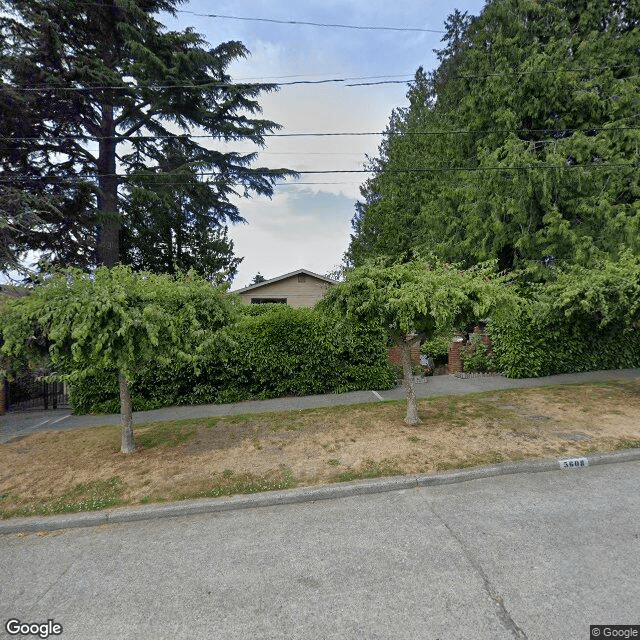
5608 SW Hanford St, Seattle, WA 98116
To contact a resident: (206) 935-6447
For more information about senior living options: (866) 208-4318
Pat & Mileta's AFH Costs & Pricing
Pat & Mileta's Adult Family Home (AFH) offers a range of accommodations that reflect its commitment to providing high-quality care. In comparison to King County and the broader Washington state averages, their pricing structure demonstrates a premium service approach. For a semi-private room, residents will find costs at $6,000 per month, significantly higher than the county average of $4,430 and the state average of $4,267. Private rooms are available for $7,000, also exceeding the local and state averages of $5,034 and $4,772 respectively. Similarly, the one-bedroom option is priced at $8,000 compared to King County's average of $5,127 and Washington's statewide average of $4,632. These rates may reflect not just the living space but also an emphasis on individualized care and amenities that Pat & Mileta's AFH strives to provide.
| Floor plans | Pat & Mileta's AFH | King County | Washington |
|---|---|---|---|
| Semi-Private | $6,000 | $4,430 | $4,272 |
| Private | $7,000 | $5,034 | $4,774 |
| 1 Bedroom | $8,000 | $5,127 | $4,634 |
Memory care communities with a similar price nearby
-
from +$500 / mo
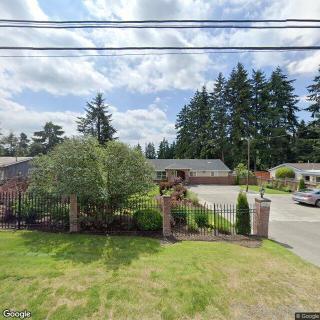
The Promised Land
$6,500 / month16.1 miles away -
About the same
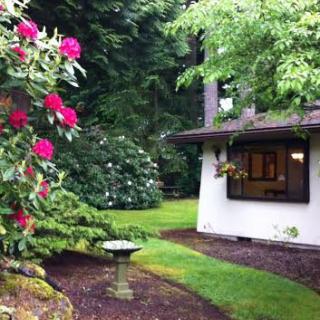
Home Away From Home LLC
$6,000 to $7,000 / month20.1 miles away -
About the same
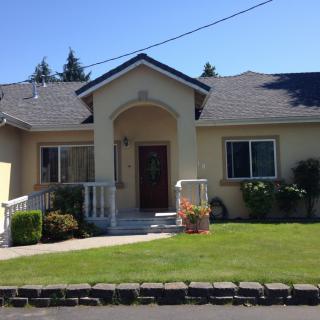
Elderly Home Care
$6,000 to $8,000 / month14.0 miles away -
from -$250 / mo
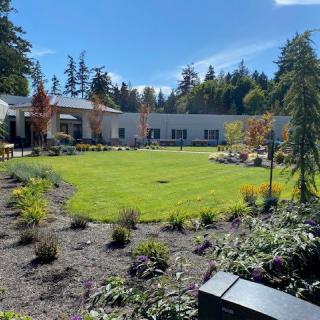
Fieldstone Rolling Bay and Fieldstone Memory Care
$5,750 to $8,895 / month7.5 miles away -
from -$500 / mo

Twin Lake Adult Family Home
$5,500 to $6,500 / month18.8 miles away
Overall Review of Pat & Mileta's AFH
Pros
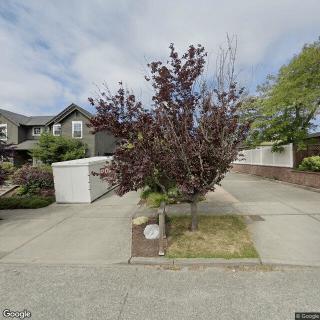
 The home is great and the staff are caring, with a view of the water.
- Communication between staff and families is good, with regular updates and easy contact.
- The community is highly recommended by those who know it.
- The resident is doing very well since moving, now walking twice a day and eating well.
- The home has been a godsend for the family.
- The home is bright and close to home.
Review
Pat & Mileta's AFH in Seattle is best suited for seniors who prioritize an intimate, home-like atmosphere where caregivers offer personal attention and family communication remains a top priority. The setting is clearly designed for residents who respond well to consistency, visible staff presence, and a small-community feel rather than a large campus vibe. The combination of a water-view locale, thoughtful staffing, and straightforward accessibility to the caregiving team makes it a natural fit for families seeking continuity of care in a homelike environment. This is where neighbors feel like an extension of the family, and where residents can settle into a predictable routine with caregivers who know their preferences.
Those who should consider alternatives are families with needs that extend beyond a small, intimate arrangement. If the priority is robust on-site medical oversight, 24/7 nursing availability, or highly specialized memory-care programming, a larger assisted living or dedicated dementia-focused community may deliver more expected clinical resources and structured activities. Similarly, if the plan requires a broad menu of therapies, intensive social programming, or a schedule that mirrors a university campus in scale, Pat & Mileta’s AFH may fall short compared to bigger facilities. For residents who require intensive mobility aid, complex wound care, or constant medical supervision, alternatives with a more formal medical model will generally be more appropriate.
The strongest positives here center on the human touch and practical comfort. Families repeatedly emphasize caring, attentive staff and a genuine willingness to stay connected with loved ones. A water view isn’t just aesthetic; it reinforces a calming milieu that supports daily well-being. The ability to receive frequent updates and easy access to the caregivers means concerns are addressed promptly, reducing family anxiety and enhancing trust in the care plan. The resident-focused atmosphere is reflected in everyday outcomes, a parent or relative is seen taking regular walks and maintaining a healthy appetite, signs that the environment supports mobility, routine, and nutrition in a meaningful way.
Yet the small scale does carry potential limitations. While staff may know each resident intimately, the AFH model can translate to fewer on-site nursing hours and a leaner activity schedule than what larger communities offer. This can translate into slower access to specialized therapies or less program variety on certain days. However, the intimacy of the setting often offsets these gaps: residents feel seen, caregivers tailor routines to individual needs, and families experience reliable communication that keeps everyone aligned on care goals. In practice, the strengths, personalized attention, family-centered updates, and a home-like pace, tend to compensate for the trade-offs inherent in a smaller operation.
For families weighing choices, certain due-diligence items matter most. Prospective residents should verify the care plan alignment with daily needs, confirm caregiver-to-resident ratios during key hours, and assess how nutrition and activity commitments are maintained over a full week. Ask about the consistency of communications with families, how decisions are documented, and the degree to which residents are encouraged to maintain independence through routines like walking and meal participation. In short, this setting rewards those who value clarity, consistency, and a relationship-driven care model over a broader amenity slate.
Ultimately, Pat & Mileta's AFH is a compelling option for seniors who want a warmly personalized environment where staff are accessible and resident progress, like regular walking and steady eating, reflects genuine daily care. It is the right match for families prioritizing close-knit oversight, transparent updates, and proximity to home, with the understanding that the trade-off lies in a smaller-scale operation with potentially fewer on-site medical resources than larger facilities. For those who need a strong sense of home, routine, and direct staff relationships, this community delivers decisively. For residents requiring intensive clinical management or highly specialized programming, alternatives with more comprehensive medical infrastructure will serve better.
 Board and Care Home
 Memory Care
 Activities off-site
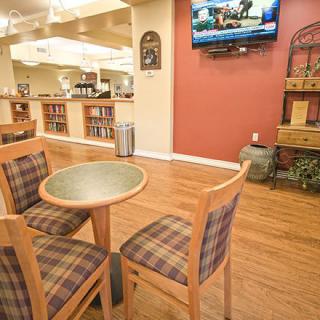
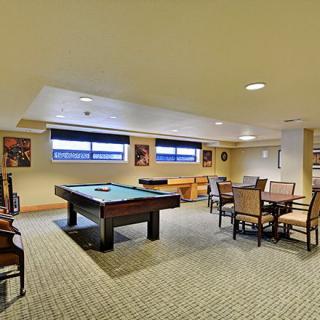
 Indoor common areas
 Outdoor common areas
 Private
 Private bathrooms
 Respite or short term stays offered
 Wheelchair accessible showers
 Seattle-Tacoma International (10 miles away)
 Diabetic care
 High acuity care
 Incontinence care
 Medication management
 Kosher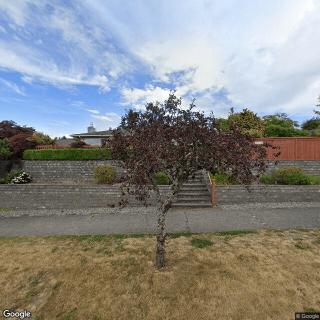
 Illuminating Insights About Alzheimer's Disease: Ten Crucial Realities
 A Thorough Discussion of Medications Potentially Linked to Dementia Risk
 Why Do Dementia Patients Sleep So Much? Understanding Oversleeping, Stages, and Care Approaches