Aegis Living West Seattle

Save

  • Interior

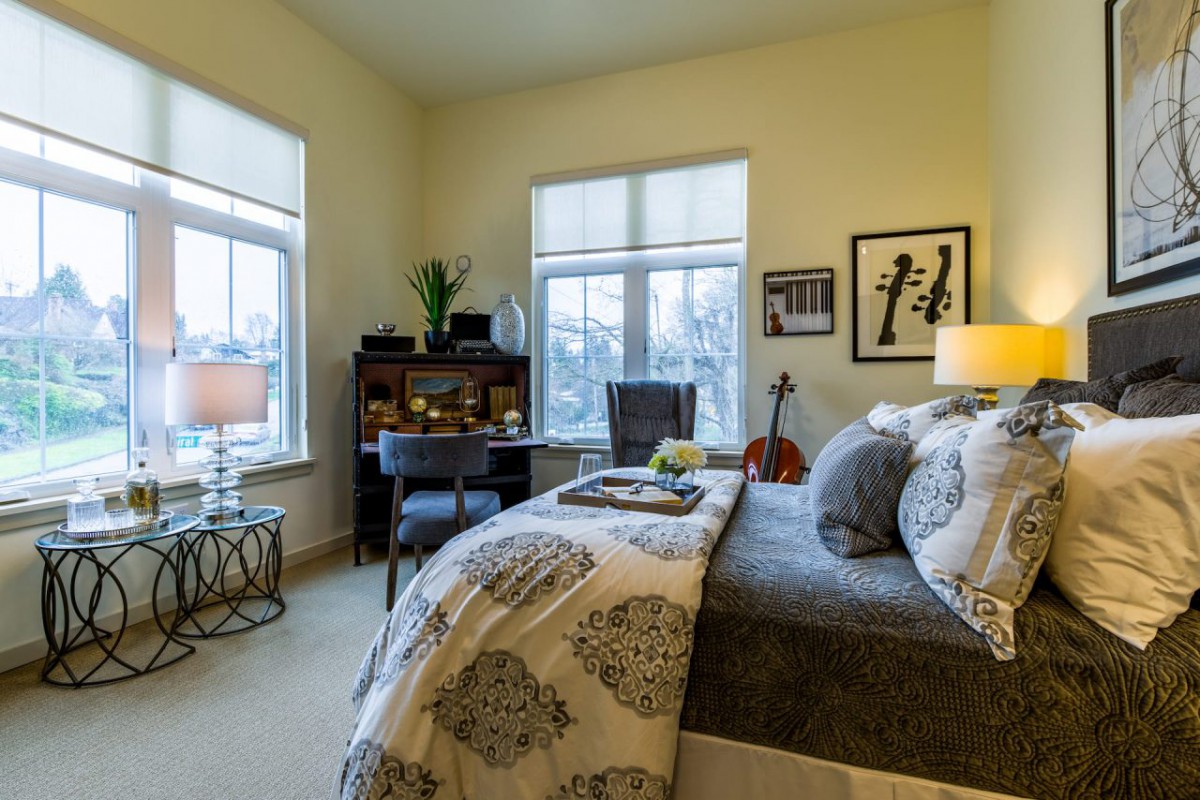
    A cozy and well-decorated bedroom featuring a bed, desk, and artwork on the walls.
  • Decor

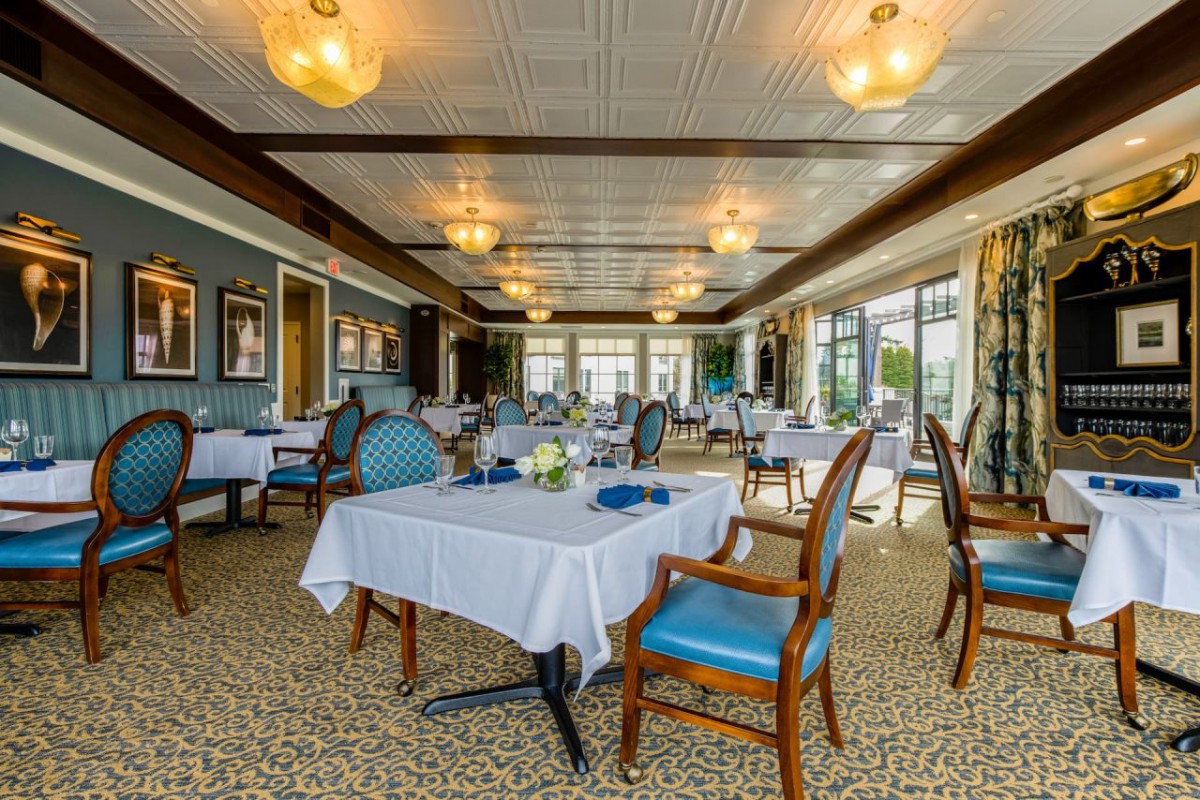
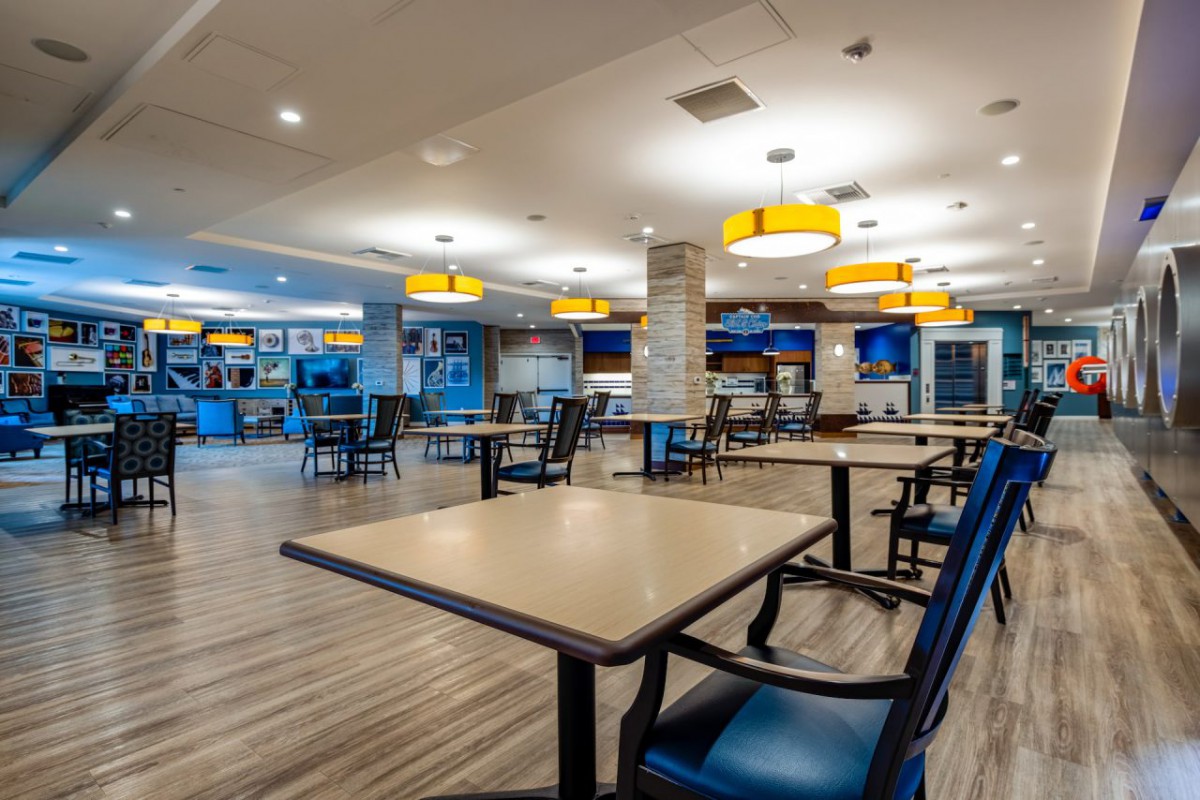
    An elegant restaurant interior with neatly arranged tables and chairs.
  • Living Room

    A luxurious living room with a modern fireplace and a chandelier, featuring blue walls and a wooden ceiling.
  • Architecture

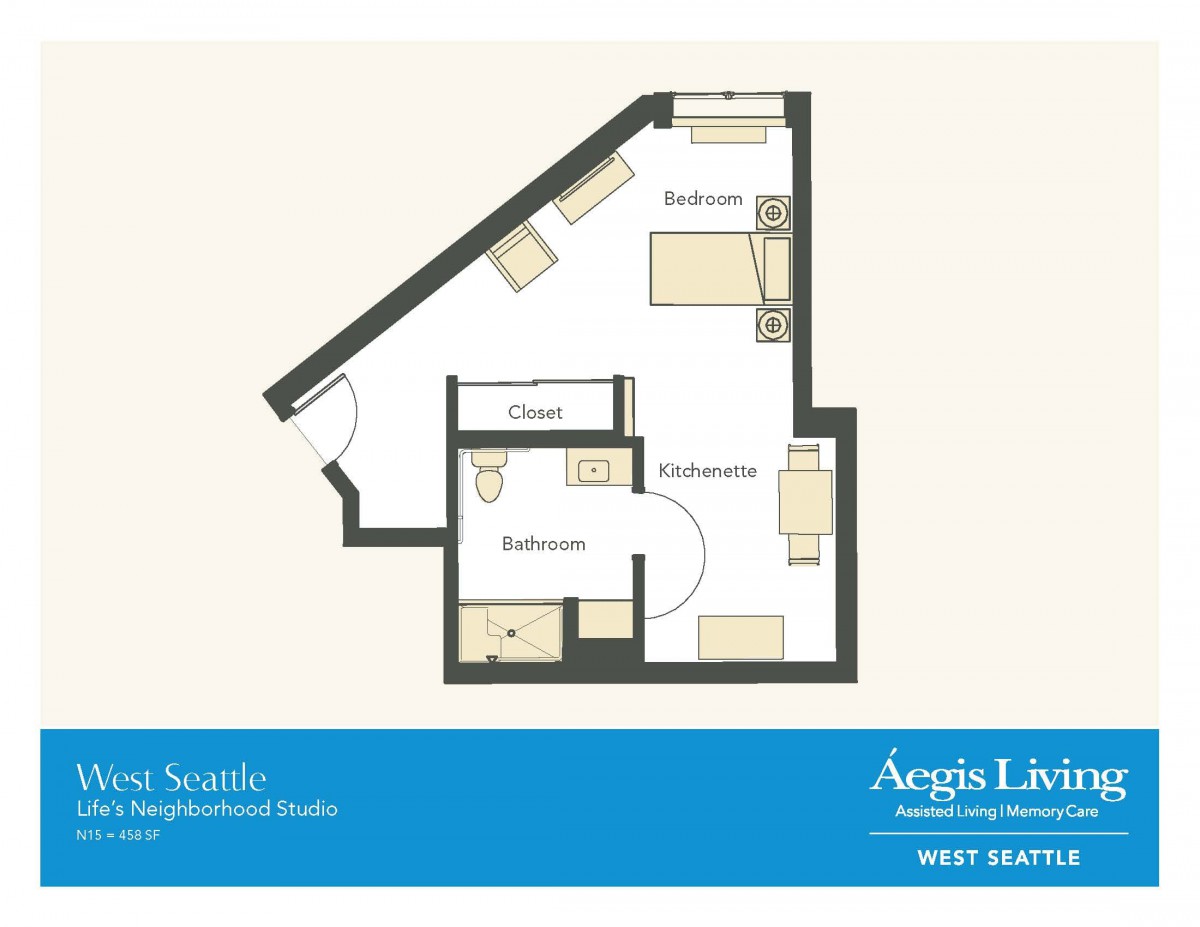
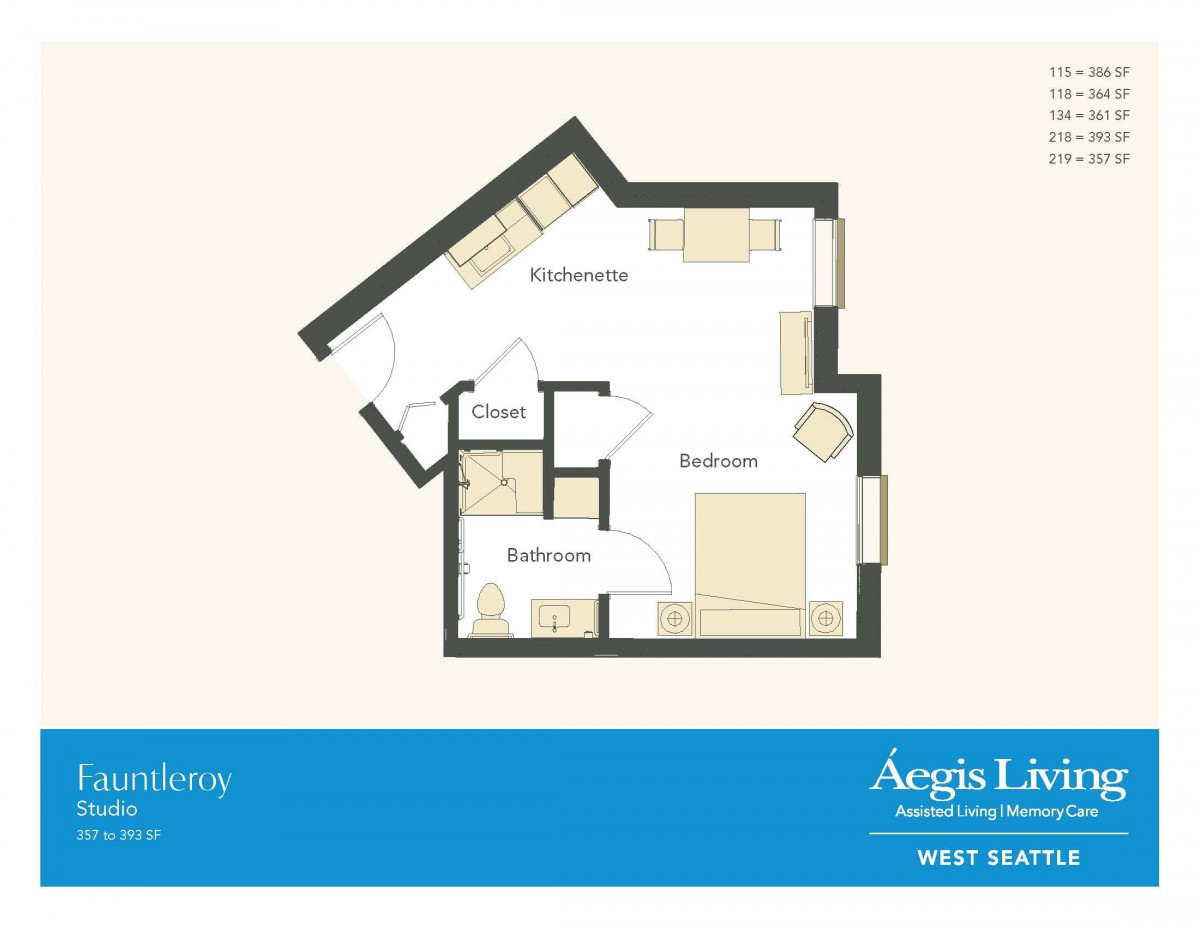
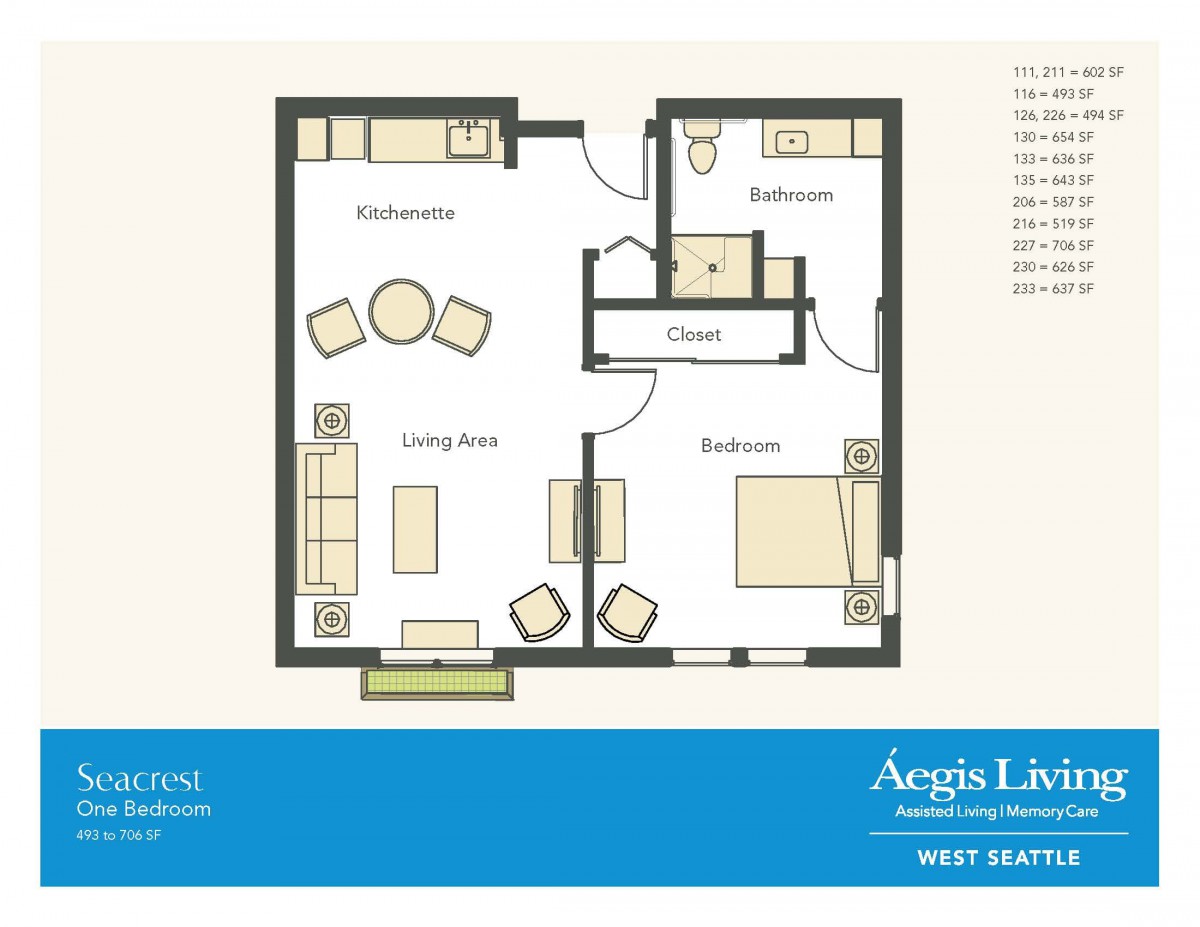
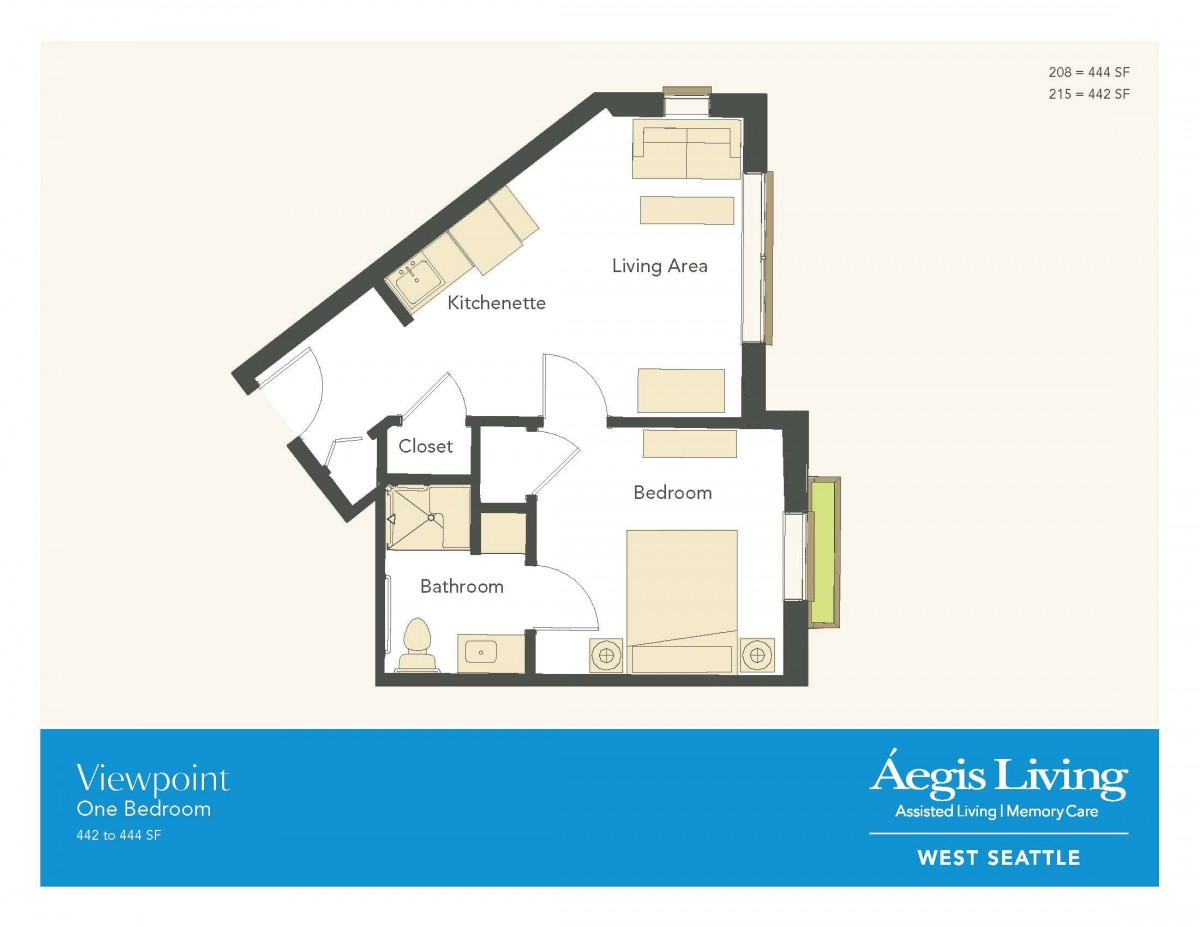
    A floor plan of a small apartment with designated living, bathroom, and bedroom areas.
  • Bedroom

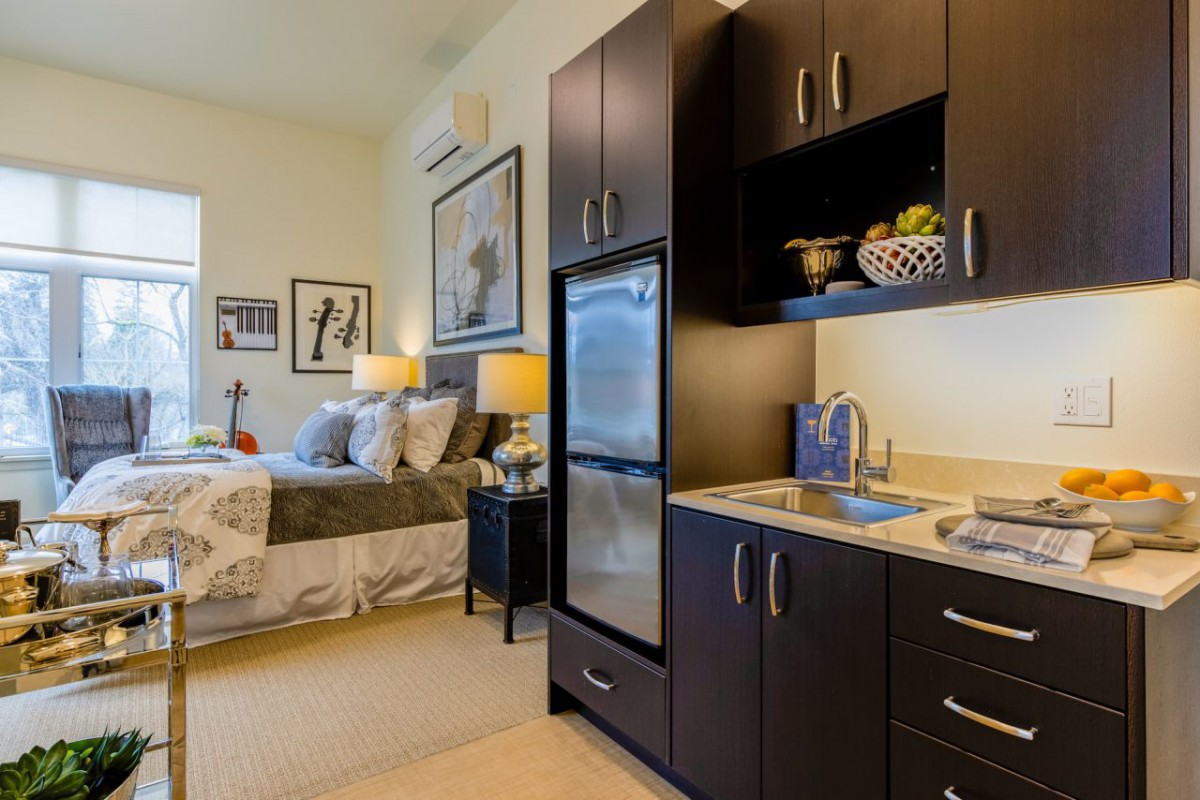
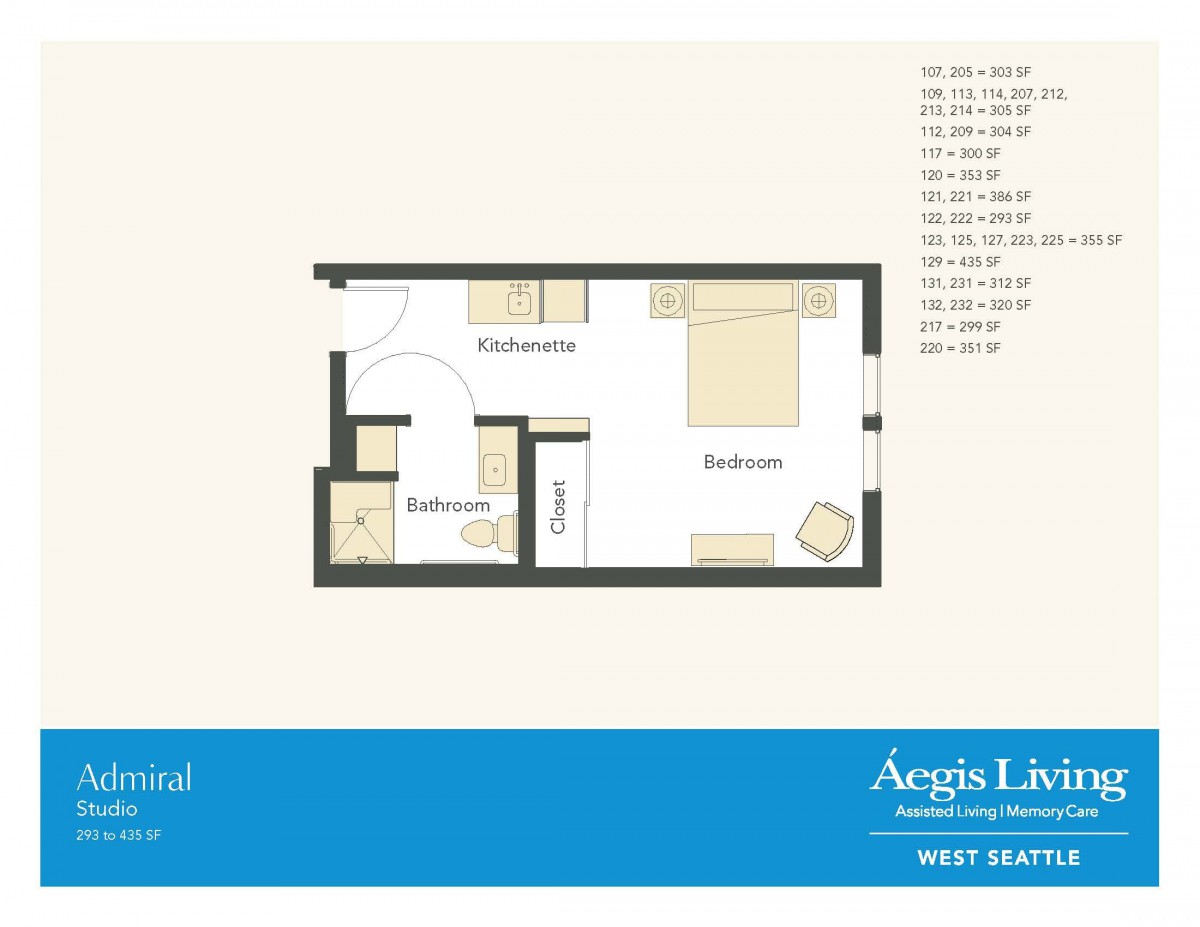
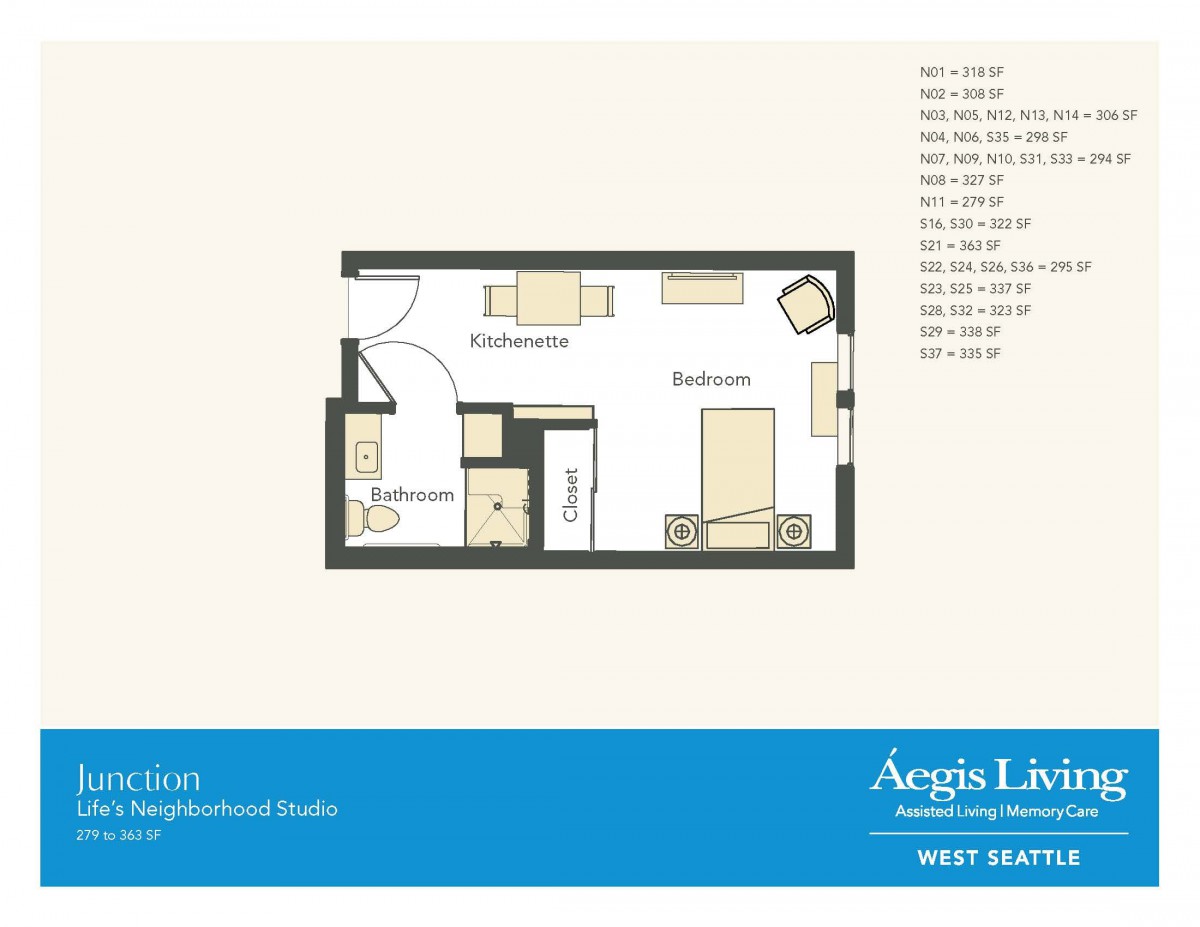
    A cozy studio apartment featuring a compact kitchenette and a neatly arranged bedroom area.
  • Windows

    A spacious lounge with blue walls, featuring elegant chandeliers, bookshelves, and comfortable seating.
  • Dining

    A modern restaurant interior with elegant seating and warm lighting.
  • Landscaping

    A landscaped garden area with pathways and outdoor seating next to a building exterior.
  • Kitchen

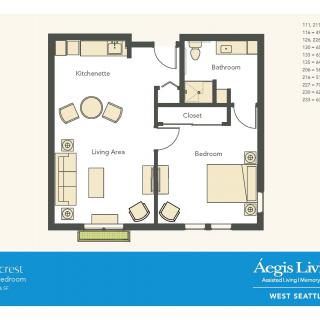
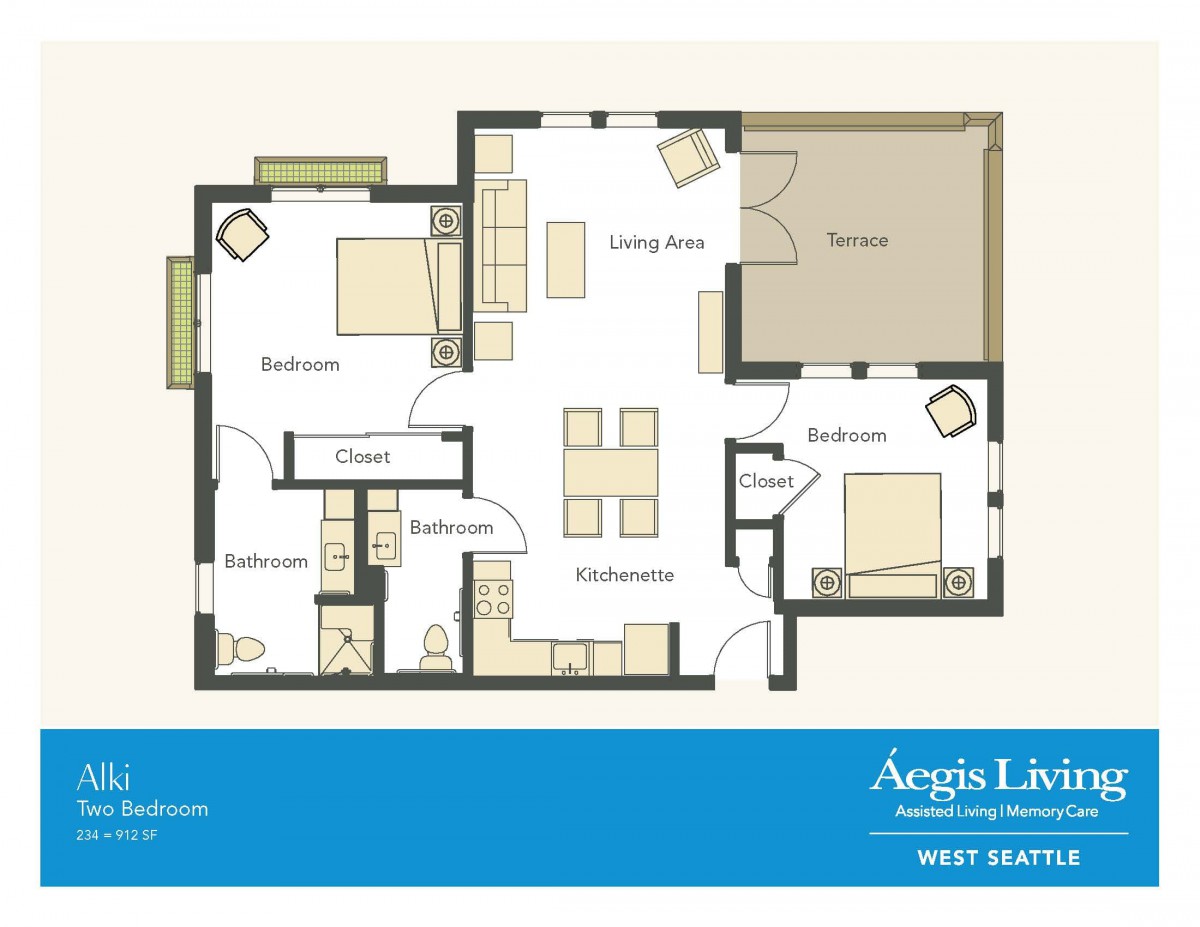
    A floor plan of a one-bedroom apartment featuring a living room, kitchen, bathroom, and closet space.
  • Artwork

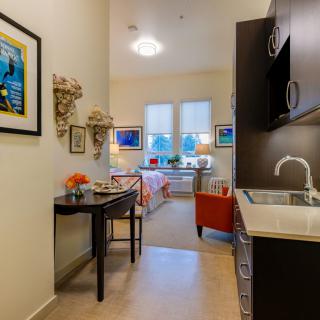
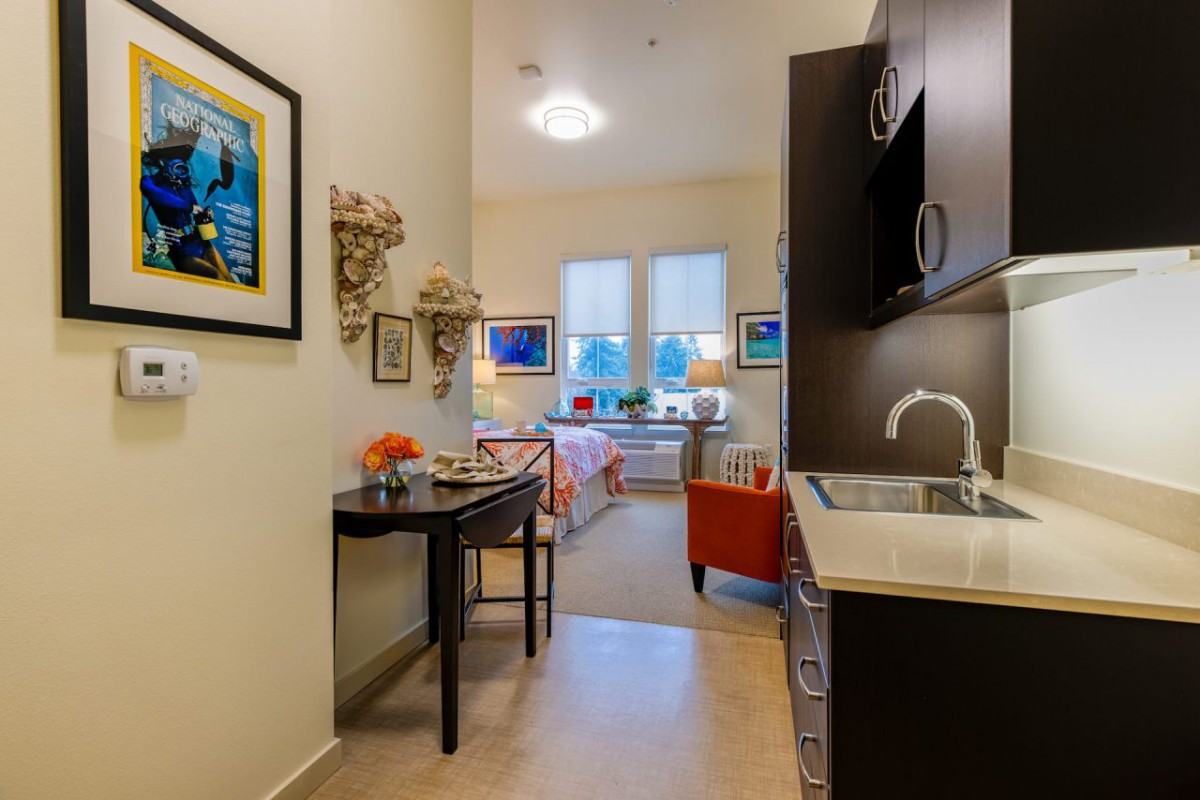
    A cozy interior featuring a kitchenette leading to a brightly lit living area, adorned with artwork and stylish furniture.
  • Floor Plan

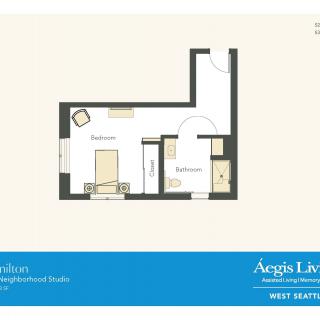
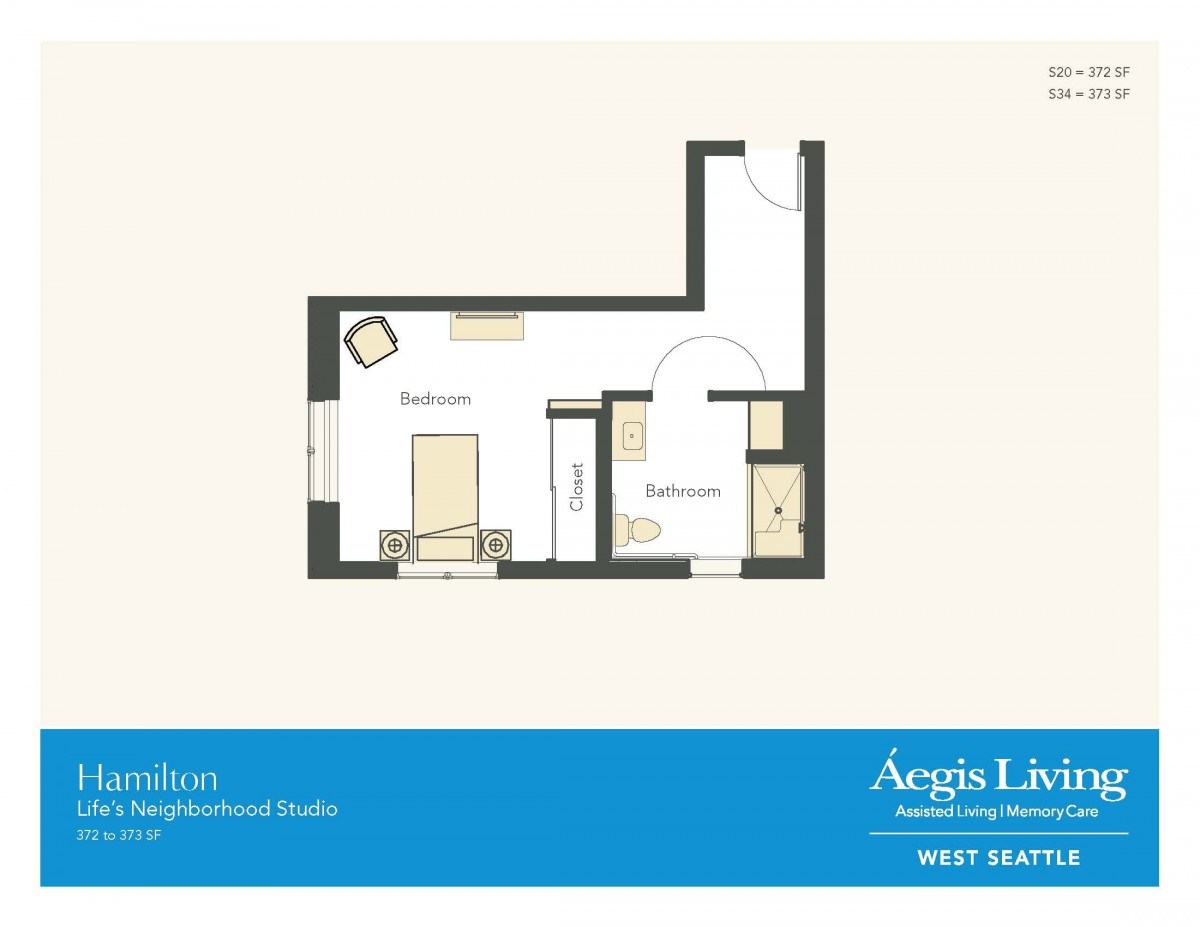
    Studio apartment floor plan with designated living and sleeping areas.
  • Television

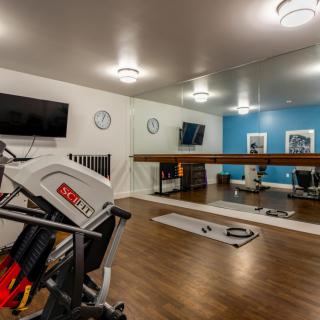
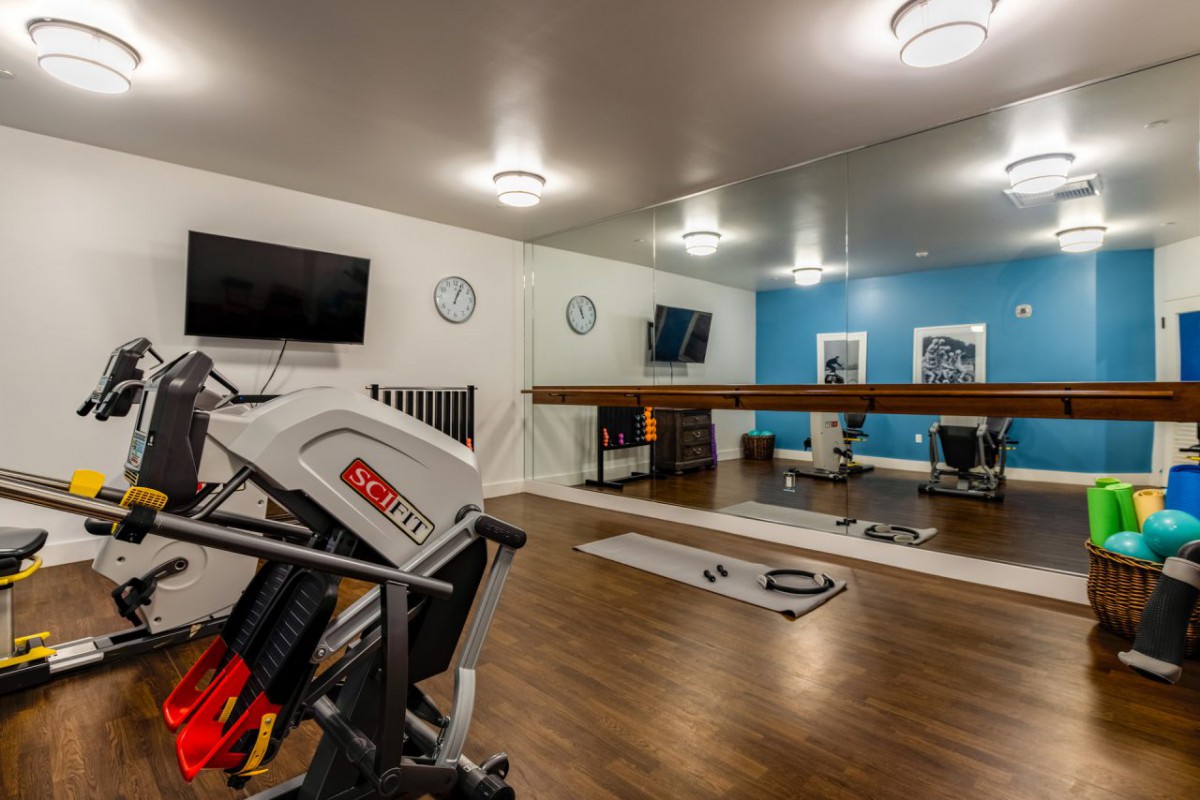
    A modern gym room featuring exercise equipment, mirrors, and a wooden floor.
  • Chandelier

    An elegant dining room setup with neatly arranged tables and chairs, decorated with chandeliers and carpeting, offering a sophisticated atmosphere.
  • Wall Art

    A luxurious dining room with elegant decor, featuring a large wooden table, stylish chairs, and blue accents.

Aegis Living West Seattle

Information last verified:

4700 S.W. Admiral Way, Seattle, WA 98116

For more information about senior living options: (844) 490-3973

4.4 from 22 reviews
5 stars
17
4 stars
1
3 stars
1
2 stars
1
1 stars
2

Seniors.FYI Elite Community Awards

Top 5% Senior Living Community in 2020

Add this award to your website

Overall Review of Aegis Living West Seattle

Pros

  • pro The staff at Aegis Living West Seattle are kind and compassionate, creating a positive experience and a family atmosphere.
  • pro The community is in a wonderful neighborhood and is extremely walkable, with plenty of things to do.
  • pro The building is beautiful and well maintained.
  • pro The community offers a high level of care and secure memory care if needed, providing peace of mind.
  • pro The staff are warm, friendly, thoughtful, and proactive in every interaction, making residents feel valued.
  • pro The care provided by the friendly staff is among the absolute best in senior living.
  • pro The team from top down is professional and dedicated to making residents feel welcomed and loved.
  • pro The facilities are stunning, with activities for residents and appealing dining options.
  • pro The rooftop deck is gorgeous and the interior design includes tasteful nautical elements.
  • pro Aegis West Seattle is described as a true gem for loved ones.
  • pro The memory care unit is nice with kind and dedicated staff.

Cons

  • pro The facility is consistently understaffed, impacting care and cleanliness.
  • pro Fees are inflated for services not performed, which the reviewer characterizes as a scam.
  • pro Nursing staff turnover is high, with some nurses perceived as incompetent.
  • pro Some therapists are awful, selfish, and disrespectful toward elders.
  • pro The staff are rude and have hung up on callers.
  • pro There is an ant problem in the facility.

Review

This community is best suited for families seeking a vibrant, socially engaged assisted living option with a solid memory-care track in West Seattle. It thrives for residents who want warmth from staff, a genuine sense of belonging, and a well-kept, attractive setting that feels inviting rather than institutional. The leadership appears steady and long-tenured, and families consistently note care that emphasizes companionship, meaningful activities, and daily opportunities to connect with others. For seniors who prize a lively social calendar, accessible amenities, and a location that supports walkability and neighborhood immersion, this is a compelling match.

Those who may want to consider alternatives include residents with top-priority needs around completely stable, low-turnover staffing and airtight, predictable billing. Several reviewers flag nursing-staff turnover and occasional understaffing in memory care, which can translate into slower assistance and less consistent service. Billing concerns surface too, with complaints that new service charges can creep in without clear justification. A few experiences describe rude interactions or underperforming therapists. In addition, there are reports of pests and some maintenance gaps. For families where budgeting certainty and ultra-regular caregiving routines are non-negotiable, shopping other options may be prudent.

The strongest positives counterbalance these drawbacks for most potential residents. The staff is repeatedly described as kind, compassionate, and genuinely invested, cultivating a family-like atmosphere that feels personal rather than corporate. The care plan feels responsive, and families notice residents are respected, stimulated, and included in daily life. The activities program and mealtime socialization generate ongoing engagement, while the building’s aesthetic, clean, calm, and thoughtfully designed, supports a dignified living experience. The memory-care offering is presented as secure and structured, with caregivers trained to redirect challenging behaviors and maintain safety, a critical consideration for dementia-related needs. The walkable neighborhood, with markets, cafes, and even a movie theater nearby, adds external stimulation that complements in-house programming.

Yet the reality check matters. Where staffing and operational consistency falter, even excellent amenities cannot fully compensate. Understaffing in memory care and nursing turnover can disrupt routine care, affect toileting and laundry tasks, and degrade cleanliness in some instances. Ants and other maintenance friction, along with a handful of harsh staff interactions, create pockets of risk to the overall experience. The strongest response to these concerns from the community side is visible leadership and an ongoing commitment to resident engagement, safety, and dignity, but prospective residents should weigh these risks against the evident strengths and prepare questions about current staffing levels, retention, and billing practices before committing.

Savvy families will use a disciplined site visit to validate the claims. Request current nurse-to-resident ratios for both assisted living and memory care, and ask for transparent turnover statistics. Probe billing practices: which services are included, what triggers new charges, and how frequently prices shift. Observe the memory-care routines, safety features, and staff responsiveness during a shift change. Visit dining areas during peak times to assess social dining and meal quality, and check for pest-control history and housekeeping standards. Inquire about leadership accessibility and whether activity offerings align with a loved one’s preferences and cognitive needs.

When the priority is a warm, engaged community with robust social programming and a clear commitment to care, Aegis Living West Seattle stands out as a strong option. It delivers a sense of security and belonging that makes the transition easier for seniors who crave daily activity, friendly faces, and meaningful connection. However, the decision hinges on tolerance for staffing variance and the appetite for careful review of pricing and operations. For families that can navigate a few operational ambiguities in exchange for long-tenured leadership and a genuinely nurturing environment, this community deserves serious consideration.

Features

Housing

  • 106 resident community capacity 106 resident community capacity

Types of Care

  • Assisted Living Assisted LivingAssisted living facilities provide crucial support and care for seniors who may need help with daily tasks such as medication management, bathing, and meal preparation. These communities offer a safe and comfortable environment where seniors can maintain their independence while receiving the assistance they need to thrive in their golden years.
  • Memory Care Memory CareMemory care is crucial for seniors as it provides specialized support and services for individuals with dementia or Alzheimer's disease. These programs offer a safe and secure environment where residents receive personalized care, cognitive stimulation, and help with daily activities. Memory care helps seniors maintain their independence, quality of life, and dignity while also providing peace of mind for their families.

Amenities

  • Air-conditioning Air-conditioningAir conditioning is important for seniors as they are more vulnerable to heat-related illnesses and may have underlying health conditions that make it difficult for them to regulate their body temperature. It helps to keep them comfortable, safe, and healthy in hot weather.
  • Beauty salon Beauty salonBeauty salons are important for seniors because they provide a space for them to feel pampered, socialize, and maintain their personal grooming and hygiene. Regular visits to a beauty salon can help boost seniors' self-esteem and overall well-being.
  • Cable or satellite TV Cable or satellite TVCable or satellite TV is important for seniors because it provides entertainment, news, and companionship, helping to combat loneliness and boredom. It also offers a wide range of programming options tailored to different interests and preferences.
  • Computer center Computer centerA computer center is essential for seniors as it provides access to technology, communication tools, and resources that can enhance their daily lives. It allows them to stay connected with loved ones, engage in online activities, and learn new skills, ultimately promoting socialization and mental stimulation.
  • Dining room Dining roomDining rooms are important for seniors as they provide a space for socialization, connection, and nutritious meals. They offer opportunities for residents to bond over shared meals, foster a sense of community, and promote healthy eating habits. Dining rooms also ensure that seniors have access to well-balanced meals tailored to their dietary needs and preferences.
  • Fitness room Fitness roomHaving a fitness room in a senior living community is essential for seniors to stay active, maintain their physical health, and improve their overall well-being. Regular exercise can help prevent falls, reduce the risk of chronic diseases, and promote mental sharpness. It also provides social opportunities for residents to connect with others and enjoy a sense of community.
  • Fully furnished Fully furnishedFully furnished senior living communities are important for seniors because they provide convenience, comfort, and a hassle-free moving experience. Seniors can easily settle into their new living space without the stress of having to buy and move furniture. This allows them to focus on enjoying their new home and community.
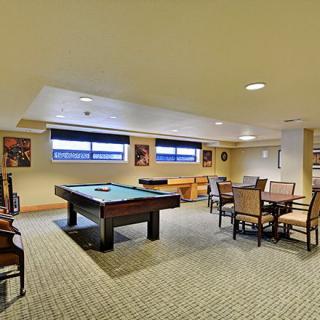
  • Gaming room Gaming roomGaming rooms are important for seniors as they provide a fun and engaging environment for socializing, cognitive stimulation, and physical activity. Games can improve memory, problem-solving skills, and overall mental well-being while fostering friendships and reducing feelings of isolation.
  • Garden GardenGardens are important for seniors as they provide a peaceful and therapeutic environment for relaxation, physical activity, and socialization. Being in nature has been shown to reduce stress, improve mood, and promote overall well-being. Gardens also offer opportunities for seniors to engage in gardening activities, which can improve mobility, flexibility, and cognitive function. Additionally, gardens create a sense of community and connection with others who share a passion for plants and outdoor spaces.
  • Housekeeping services Housekeeping servicesHousekeeping services are important for seniors because they help maintain a clean and safe living environment, promote independence, and reduce the risk of accidents or illnesses. Additionally, having assistance with household chores can alleviate physical strain and allow seniors to focus on other aspects of their well-being.
  • Kitchenette KitchenetteKitchenettes are important for seniors living in senior living communities because they provide the convenience and independence of being able to prepare simple meals and snacks in the comfort of their own living space. This can help promote a sense of autonomy and well-being for seniors, allowing them to maintain some level of control over their dietary choices and daily routines.
  • Move-in coordination Move-in coordinationMove-in coordination is important for seniors because it helps ease the transition into their new living environment. It ensures that all logistics, such as packing, organizing movers, and setting up utilities are taken care of, allowing seniors to focus on settling in and adjusting to their new home. Having a smooth move-in process can alleviate stress and anxiety, making the transition smoother and more enjoyable for seniors.
  • Outdoor space Outdoor spaceOutdoor spaces are important for seniors as they provide opportunities for physical activity, social interaction, exposure to natural light and fresh air, and a sense of connection to nature. Having access to outdoor spaces can improve overall well-being and quality of life for older adults living in senior communities.
  • Private bathrooms Private bathroomsPrivate bathrooms are important for seniors in senior living communities because they provide independence, dignity, and comfort. Having a private bathroom allows seniors to maintain their personal hygiene routines without the need for assistance, promoting a sense of autonomy and privacy. Additionally, private bathrooms help prevent the spread of infections and provide a safe and clean environment for seniors to navigate safely.
  • Restaurant-style dining Restaurant-style diningRestaurant-style dining is important for seniors because it allows them to enjoy delicious, nutritious meals in a social and upscale setting. This enhances their dining experience, promotes healthy eating habits, and fosters socialization with fellow residents, ultimately contributing to their overall well-being and quality of life.
  • Small library Small librarySmall libraries are important for seniors as they provide access to a variety of reading materials, including books, newspapers, and magazines. This can help stimulate their minds, keep them engaged, and provide a sense of community through book clubs and other social activities. Additionally, reading has been shown to improve cognitive function and overall mental well-being in older adults.
  • Telephone TelephoneTelephones are important for seniors as they provide a lifeline for communication with loved ones, emergency services, and healthcare providers. They offer a sense of security and independence, enabling seniors to stay connected and access assistance when needed.
  • Wellness center Wellness centerWellness centers are important for seniors because they offer a variety of programs and services that promote physical, mental, and emotional well-being. These centers provide opportunities for exercise, socialization, education, and relaxation, helping seniors maintain their overall health and quality of life.
  • Wi-Fi/high-speed internet available Wi-Fi/high-speed internet availableWi-Fi/high-speed internet is important for seniors to stay connected with loved ones, access online resources, and participate in virtual activities to combat feelings of loneliness and isolation. It also allows them to easily manage healthcare needs, access entertainment, and engage in lifelong learning opportunities.

Transportation

  • Seattle-Tacoma International (10 miles away) Seattle-Tacoma International (10 miles away)
  • Community operated transportation Community operated transportationCommunity operated transportation is crucial for seniors as it provides them with the means to access essential services, social activities, and medical appointments. It allows seniors to maintain their independence and quality of life by ensuring they can participate in activities outside of their homes. Additionally, community-operated transportation services offer a safe and reliable way for seniors to travel without having to rely on family or friends for assistance.
  • Transportation arrangement Transportation arrangementTransportation arrangements are crucial for seniors as they may face challenges with driving, mobility, or access to public transportation. Having reliable transportation services ensures that seniors can easily attend appointments, social activities, and maintain their independence and quality of life.
  • Transportation arrangement (non-medical) Transportation arrangement (non-medical)Transportation arrangements are essential for seniors as they provide access to essential services, activities, and social interactions outside the home. This service helps maintain independence, mobility, and overall well-being for seniors who may have limited transportation options.

Care Services

  • 12-16 hour nursing 12-16 hour nursing12-16 hour nursing care is crucial for seniors in order to ensure around-the-clock monitoring, timely medication administration, and prompt response to any health concerns or emergencies. This level of care helps to promote the overall well-being and safety of seniors living in senior living communities.
  • 24-hour call system 24-hour call system24-hour call systems are important for seniors because they provide peace of mind and immediate assistance in case of emergencies. This technology ensures that help is always available, promoting safety and security for elderly individuals living alone or in assisted living facilities.
  • 24-hour supervision 24-hour supervision24-hour supervision is important for seniors to ensure their safety, well-being, and access to immediate assistance in case of emergencies or health issues. This constant support provides peace of mind for both seniors and their loved ones, allowing them to age in place with dignity and security.
  • Activities of daily living assistance Activities of daily living assistanceActivities of daily living assistance are important for seniors because they provide essential support with tasks such as eating, bathing, dressing, and mobility. This assistance helps seniors maintain their independence, dignity, and overall quality of life as they age.
  • Assistance with bathing Assistance with bathingAssistance with bathing is crucial for seniors as it helps maintain personal hygiene, prevents infections, and ensures their overall well-being and comfort. It also provides a sense of dignity and independence for seniors who may struggle with this task on their own.
  • Assistance with dressing Assistance with dressingAssistance with dressing is important for seniors because it helps maintain their independence, promotes personal hygiene, prevents accidents and injuries, and improves overall quality of life. This service ensures that seniors can continue to dress comfortably and confidently, despite any physical limitations they may have.
  • Assistance with transfers Assistance with transfersAssistance with transfers is crucial for seniors as it helps prevent falls and injuries, maintains their independence, and ensures they can safely navigate their living environment. It also provides peace of mind for both seniors and their loved ones.
  • Coordination with health care providers Coordination with health care providersCoordination with health care providers is crucial for seniors to ensure proper medical care, medication management, and overall well-being. This collaboration helps prevent overlapping treatments, track progress more effectively, and provide comprehensive support tailored to individual needs.
  • Dementia waiver Dementia waiverDementia waivers are essential for seniors as they provide critical protections and accommodations for those experiencing cognitive decline. These waivers ensure individuals with dementia receive appropriate care, support, and resources to maintain their quality of life and dignity as they navigate the challenges of this progressive condition.
  • Diabetes diet Diabetes dietA diabetes diet is crucial for seniors as it helps manage blood sugar levels, reduce risks of complications, and improve overall health and well-being. By following a balanced and nutritious diet tailored to their specific needs, seniors can better control their diabetes and enhance their quality of life.
  • Hospice waiver Hospice waiverHospice waivers are important for seniors because they allow individuals to receive specialized end-of-life care and support at home or in a hospice facility. This waiver ensures that seniors can access the necessary resources and services to maintain comfort and dignity during their final days.
  • Meal preparation and service Meal preparation and serviceMeal preparation and service are crucial for seniors as they may have limited mobility or energy to cook nutritious meals. Having access to healthy and convenient food options can ensure they are getting the proper nutrition needed to maintain their overall health and well-being.
  • Medication management Medication managementMedication management is crucial for seniors to ensure they are taking the right medications at the correct dosages and times. This helps prevent adverse drug interactions, reduces the risk of medication errors, and promotes overall health and well-being. Proactive management also allows for adjustments as needed based on changing health conditions or new prescriptions.
  • Mental wellness program Mental wellness programMental wellness programs are essential for seniors as they promote cognitive stimulation, emotional support, and social engagement. These programs help prevent isolation, depression, and cognitive decline, ultimately enhancing the overall quality of life for older adults.
  • Mild cognitive impairment Mild cognitive impairment"Mild cognitive impairment" is important for seniors because it is an early stage of cognitive decline that can potentially progress to more severe conditions such as dementia. Recognizing and addressing mild cognitive impairment can help seniors receive appropriate care and support to maintain their quality of life and independence for as long as possible.
  • Special dietary restrictions Special dietary restrictionsSpecial dietary restrictions are important for seniors because age-related changes in metabolism and health conditions can make it difficult for their bodies to process certain foods. By following a diet tailored to their specific needs, seniors can maintain their overall health and well-being, manage chronic conditions, and reduce the risk of complications such as malnutrition or food interactions with medications.
  • Specialized memory care programming Specialized memory care programmingSpecialized memory care programming is crucial for seniors with cognitive impairments such as dementia or Alzheimer's disease. These programs provide a safe and supportive environment tailored to the unique needs of individuals with memory loss, helping them maintain their independence, dignity, and quality of life.
  • Transportation arrangement (medical) Transportation arrangement (medical)Transportation arrangements for medical purposes are essential for seniors as they may have difficulty driving themselves to appointments or accessing public transportation. Having reliable and safe transportation options ensures that seniors can receive timely medical care and maintain their health and well-being.
  • Transportation to doctors appointments Transportation to doctors appointmentsTransportation to doctors' appointments is crucial for seniors as it ensures they have access to necessary medical care and support for their health needs. Without reliable transportation, seniors may struggle to attend important appointments, leading to potential delays in treatment and health complications. Providing transportation services helps seniors maintain their overall well-being and quality of life.

Dining

  • Diabetes diet Diabetes dietA diabetes diet is crucial for seniors as it helps manage blood sugar levels, reduce risks of complications, and improve overall health and well-being. By following a balanced and nutritious diet tailored to their specific needs, seniors can better control their diabetes and enhance their quality of life.
  • Special dietary restrictions Special dietary restrictionsSpecial dietary restrictions are important for seniors because age-related changes in metabolism and health conditions can make it difficult for their bodies to process certain foods. By following a diet tailored to their specific needs, seniors can maintain their overall health and well-being, manage chronic conditions, and reduce the risk of complications such as malnutrition or food interactions with medications.

Activities

  • Community-sponsored activities Community-sponsored activitiesCommunity-sponsored activities are important for seniors as they provide opportunities for social interaction, mental stimulation, and physical activity. These activities can help improve overall well-being, combat loneliness and isolation, and promote a sense of belonging and purpose among older adults.
  • Concierge services Concierge servicesConcierge services are essential for seniors as they provide assistance with daily tasks and errands, enhance their quality of life by offering convenience and personalized care, and promote a sense of safety and security.
  • Fitness programs Fitness programsFitness programs are crucial for seniors as they help improve strength, flexibility, balance, and overall well-being. Staying active can reduce the risk of chronic diseases, improve mental health, and enhance quality of life in older adults.
  • Planned day trips Planned day tripsPlanned day trips are important for seniors because they offer opportunities for socialization, mental stimulation, and physical activity. They provide a change of scenery and help seniors stay engaged and connected to their community, promoting overall well-being and quality of life.
  • Resident-run activities Resident-run activitiesResident-run activities are important for seniors as they encourage social interaction, creativity, and a sense of autonomy. These activities empower seniors to stay engaged and active in their community while fostering meaningful connections with their peers.
  • Scheduled daily activities Scheduled daily activitiesScheduled daily activities are important for seniors because they provide structure, socialization, mental stimulation, and physical activity. Engaging in regular activities can improve overall well-being and quality of life for seniors living in a community setting.

Description

Aegis Living West Seattle is a premier assisted living community located in the vibrant city of Seattle, WA. Specializing in Memory Care, our dedicated staff provides around-the-clock care and supervision to ensure the safety and well-being of our residents.

Our community boasts an array of amenities designed to enhance the quality of life for our residents. They can pamper themselves at the beauty salon or enjoy their favorite shows with cable or satellite TV in the comfort of their own apartments. Our community operated transportation allows residents to easily explore the surrounding area, while our computer center and Wi-Fi/high-speed internet keep them connected with loved ones.

Mealtimes are a delightful experience at Aegis Living West Seattle. Residents can savor delicious meals served restaurant-style in our elegant dining room, accommodating any special dietary restrictions they may have.

Keeping active and engaged is an integral part of life here. Our fitness room offers opportunities for physical exercise, while our gaming room provides a space for friendly competition and recreation. For those who enjoy nature, our beautiful garden and outdoor spaces offer tranquility and fresh air. The small library is perfect for quiet reading or book club gatherings.

Residents can rest easy knowing that their housekeeping needs are taken care of by our dedicated staff. Move-in coordination services make settling into their fully furnished apartments seamless and stress-free.

Our comprehensive care services cater to individual needs, providing assistance with daily living activities such as bathing, dressing, and transfers. Medication management ensures that residents receive their medications on time, while coordination with health care providers ensures continuity of care.

For those with memory-related issues, we offer specialized memory care programming tailored to their unique needs. We have a mental wellness program that focuses on cognitive stimulation and social engagement. Mild cognitive impairment is also addressed through targeted interventions.

Transportation arrangements are available both for non-medical purposes such as shopping or outings, as well as medical appointments if needed. Additionally, we provide hospice waivers and dementia waivers for residents who require specialized end-of-life or memory care.

Engaging activities are central to life at Aegis Living West Seattle. Our concierge services ensure that residents have access to personalized assistance, while our fitness programs promote physical well-being. Planned day trips and resident-run activities provide ample opportunities for socialization and exploration of the local community.

With a wealth of amenities and services, as well as numerous nearby cafes, parks, pharmacies, restaurants, transportation options, theaters, and hospitals, Aegis Living West Seattle offers an ideal living environment for seniors seeking top-quality assisted living care in a vibrant urban setting.

Nearby Places of Interest

Restaurants

  • Circa (0.3 miles)
  • Marination Ma Kai (0.8 miles)
  • Salty's on Alki (0.9 miles)
  • Six Seven restaurant (2.9 miles)
  • McDonald's (3 miles)
  • Marriott Concierge Lounge (3 miles)
  • Ivar's Acres of Clams (3 miles)

Pharmacies

  • Bartell Drugs (0.4 miles)
  • QFC Pharmacy (1.4 miles)
  • Rite Aid (1.8 miles)
  • Walgreens (2.6 miles)
  • Bartell Drugs - Ebt (3.2 miles)
  • Walgreens (3.2 miles)
  • Bartell Drugs (3.3 miles)

Cafes

  • Starbucks (1.4 miles)
  • Chelan Cafe (1.6 miles)
  • Starbucks HQ (2.7 miles)
  • Starbucks Reserve SoDo (2.7 miles)
  • Seattle Aquarium Cafe (3 miles)
  • Starbucks (3.1 miles)
  • La Parisienne French Bakery (3.3 miles)

Parks

  • Emma Schmitz Memorial Overlook (1.4 miles)
  • Fairmount Playground (2 miles)
  • Space Needle Park (3.4 miles)
  • Lincoln Park (3.4 miles)
  • Seattle Center Playground (3.5 miles)
  • Kerry Park (3.7 miles)
  • Little Howe Park (4.2 miles)

Hospitals

  • Providence Mount St. Vincent - Seattle (1.7 miles)
  • Harborview Medical Center (3.6 miles)
  • Swedish Medical Center (3.9 miles)

Transportation

  • Stadium Station (3.2 miles)
  • King Street Station (3.2 miles)
  • Seattle Center Monorail (3.4 miles)
  • Capitol Hill LINK Station (4.3 miles)
  • Mount Baker Station (4.5 miles)

Theaters

  • Regal Meridian & 4DX (3.5 miles)
  • AMC Pacific Place 11 (3.5 miles)

Physicians

  • Queen Anne Eye Clinic (4.3 miles)
  • Fred Hutchinson Cancer Research Center (4.4 miles)

Frequently Asked Questions

Where is Aegis Living West Seattle?
Does Aegis Living West Seattle provide care for residents with dementia or Alzheimer's disease?
What photos are available for Aegis Living West Seattle in Seattle, Washington?

Nearby Communities

  • Aegis of West Seattle

    Aegis of West Seattle

    Seattle, WA

    4.5 from 36 reviews
    $5,100 to $9,500 / month

    pro Stunning facilities with caring, engaging staff.

  • Brookdale Admiral Heights

    Brookdale Admiral Heights

    Seattle, WA

    4.5 from 40 reviews
    $4,325 to $5,395 / month

    pro Caring staff with personalized attention and engaging activities in a convenient West Seattle location.

  • Admiral Heights

    Admiral Heights

    Seattle, WA

    5 from 12 reviews
    $2,575 to $2,975 / month

    pro Affordable pricing relative to local averages.

  • Park West Care Center

    Park West Care Center

    Seattle, WA

    3.9 from 84 reviews
     

    pro Welcoming staff, clean environment, and engaging activities for residents.

  • Pat & Mileta's AFH

    Pat & Mileta's AFH

    Seattle, WA

    5 from 3 reviews
    $6,000 to $8,000 / month

    pro Caring staff with strong family communication and a serene water view.

  • European Care Home

    European Care Home

    Seattle, WA

    4.4 from 9 reviews
    $4,500 to $5,000 / month

    pro Impressive home-like setup with attentive memory care.

  • Brookdale West Seattle

    Brookdale West Seattle

    Seattle, WA

    4.3 from 67 reviews
    $3,400 to $5,700 / month

    pro Caring staff and a warm, social environment with well-maintained facilities and robust amenities/activities.

  • Providence Mount St. Vincent Assisted Living Apartments

    Providence Mount St. Vincent Assisted Living Apartments

    Seattle, WA

    3.7 from 54 reviews
    $4,600 to $6,000 / month

    pro Extensive on-site amenities, diverse dining options, and comprehensive care with accessibility features.

  • The Kenney

    The Kenney

    Seattle, WA

    4 from 32 reviews
    $2,738 to $3,358 / month

    pro Friendly, family-like staff and engaging activities.

Related Resources

  • reminiscence therapyAn In-Depth Look at Reminiscence Therapy in Dementia Care

    Reminiscence therapy is a structured method for older adults, especially those with dementia, to share life stories using prompts and sensory cues, fostering emotional well-being, social engagement, and self-identity. It aims to improve quality of life by enhancing interpersonal connections and cognitive stimulation while requiring careful facilitation to avoid distressing memories.

  • dementia hallucinationsDementia-Related Hallucinations: Causes, Experiences, and Practical Approaches

    Dementia, particularly Lewy body dementia, often involves hallucinations that can significantly distress both patients and caregivers due to disruptions in sensory processing and neurotransmitter imbalances. Effective management includes compassionate communication, environmental adjustments, and a multidisciplinary approach to care while addressing the emotional needs of caregivers.

  • alzheimer's factsIlluminating Insights About Alzheimer's Disease: Ten Crucial Realities


    Alzheimer’s disease is a progressive neurological disorder that significantly impacts memory and cognitive functions, accounting for 60-80% of dementia cases, with early diagnosis being crucial yet challenging. It involves brain changes like beta-amyloid plaques and tau tangles, influenced by genetic and lifestyle factors, and while there is no cure, symptom management and support for caregivers are essential.