
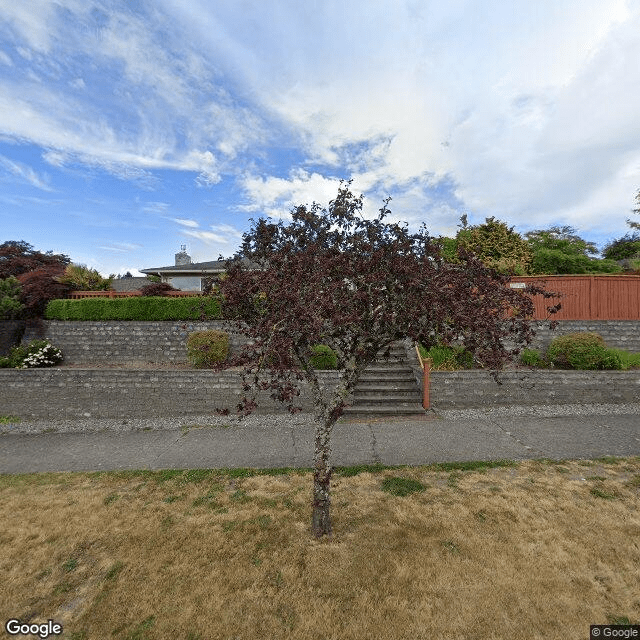
3716 55th Ave. SW, Seattle, WA 98116
To contact a resident: (206) 932-2085
For more information about senior living options: (866) 208-4318
European Care Home Costs & Pricing
The European Care Home offers competitive pricing for its various room types, reflecting a thoughtful approach to care in comparison to both King County and the broader state of Washington. For semi-private accommodations, the monthly fee is set at $4,500, slightly higher than King County's average of $4,430 but within range of Washington's average cost of $4,267. Private rooms are priced at $4,900, which is lower than King County's rate of $5,034 yet still surpasses the state's average of $4,772. Additionally, both studio and one-bedroom options are available at $5,000 each; these rates are above King County's averages of $4,464 and $5,127 respectively but remain comparable to state figures. Overall, European Care Home presents a balanced choice for prospective residents by aligning its pricing with local market trends while providing quality care services.
| Floor plans | European Care Home | King County | Washington |
|---|---|---|---|
| Semi-Private | $4,500 | $4,430 | $4,272 |
| Private | $4,900 | $5,034 | $4,774 |
| Studio | $5,000 | $4,464 | $4,128 |
| 1 Bedroom | $5,000 | $5,127 | $4,634 |
Memory care communities with a similar price nearby
-
from -$500 / mo

Riverton Home Care
$4,000 to $5,000 / month8.3 miles away -
from -$500 / mo
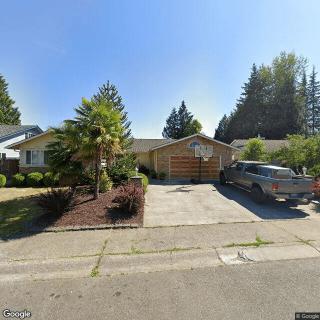
Gentle Care Home
$4,000 to $5,500 / month15.2 miles away -
from +$500 / mo

Peace and Pleasant Care Adult Family Home II
$5,000 to $6,000 / month14.0 miles away -
from -$195 / mo
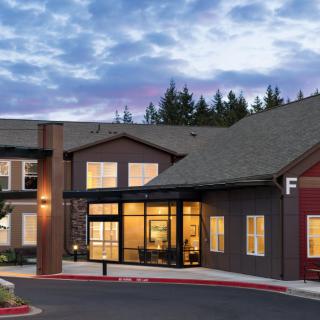
Penrose Harbor at Heron's Key
$4,305 to $7,332 / month18.4 miles away -
About the same
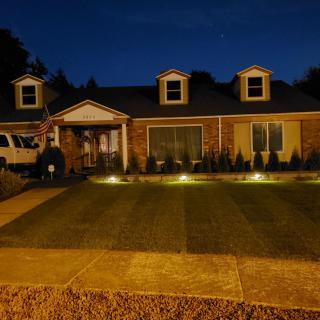
A Serenity AFH
$4,500 to $6,000 / month21.4 miles away
Overall Review of European Care Home
Pros
 European Senior Care provides superb, compassionate care that preserves residents’ dignity.
- The staff promptly communicates every health concern to families.
- The staff are knowledgeable, giving families peace of mind that loved ones are in good hands.
- The owners, Simon and Marina, are always available to answer questions.
- The staff-to-caregiver ratio enables attentive and loving care.
- The staff are friendly and courteous, and they clearly love their work.
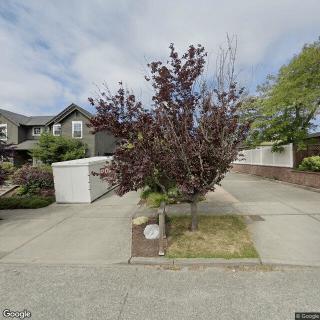
- The home is beautiful and well located.
Review
European Care Home in Seattle is best suited for seniors who want a warm, home-like setting where attentive, personalized care is the core value. This community excels for residents whose health needs are stable to moderately complex and who prize dignity, consistent communication, and a private-family-home atmosphere over institutional polish. Families seeking a high-touch, relationship-driven care model will find this setting rewarding. Those with heavy reliance on brisk, hospital-style medical routines or with strict cost ceilings may want to consider alternatives.
The strongest argument in favor is the exceptional level of staff engagement and family communication. A favorable staff-to-resident dynamic translates into dependable, observant care, with caregivers who know the resident’s routine, preferences, and evolving health needs. Families consistently report prompt reporting of health concerns, which reduces anxiety and enhances trust in the caregiving team. The owners are described as accessible and responsive, creating a sense of continuity and accountability that often disappears in larger facilities. This combination, hands-on care, open lines of communication, and steady oversight, delivers peace of mind that is hard to match in bigger settings.
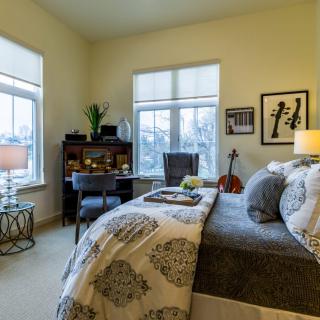
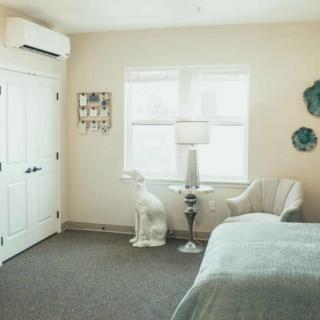
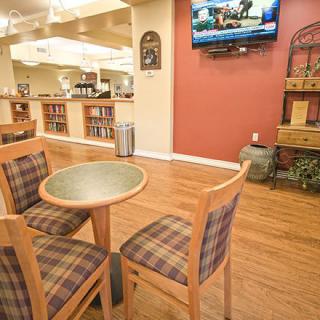
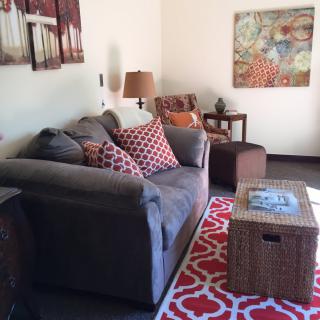
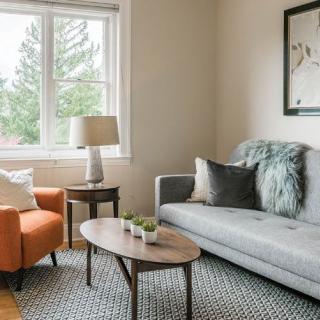
Residents benefit from a genuinely homelike environment that feels less like a medical facility and more like living with extended family. The home has a pleasing, intimate layout and a location described as nice and convenient, which supports social engagement and ease of visiting. The staff’s warmth shines through in every interaction, and families note that the atmosphere is conducive to comfort and dignity, even as health concerns arise. The private-adult-family-home model offers meaningful daily routines, personalized attention, and the kind of consistency that often makes a difficult transition smoother for both the senior and the family.
However, the private-home format does carry implications that may steer some families toward alternatives. The care model may not provide the breadth of medical resources or formal programming found in larger assisted living communities, and the scale can limit access to certain specialized services or memory-care structures. Cost considerations loom large for some families, as affordability is a live factor in the decision, with indications that the money question can influence whether this option is viable. Prospective residents should weigh whether the combination of intimate care and potential pricing fits their long-term budget and care expectations.
Those with significant or highly specialized medical needs, or who require extensive 24/7 clinical oversight, may find a larger, more medically equipped community a better fit. For families seeking robust activity schedules, on-site nursing, structured memory-care programming, or guaranteed access to a broader array of healthcare professionals, options with bigger campuses or dedicated dementia floors could offer clearer alignment. Yet for families willing to trade some scale for personalized attention, the upsides of European Care Home, trusted staff, direct owner involvement, and a dignified, quiet living environment, often outweigh the downsides.
In the end, European Care Home stands out as a compelling choice for those who value intimate care, transparent family communication, and a setting that preserves dignity and autonomy. It is a practical, experienced recommendation for seniors who thrive on steady relationships with caregivers and want to avoid the impersonality that can accompany larger facilities. For families prioritizing warmth, flexibility, and consistent, responsive caregiving within a comfortable, home-like frame, this community delivers. For others, especially those prioritizing extensive medical services, specialized memory care, or lower-cost options, exploring larger or different-care models will yield clearer alignment with needs and budget.
 Board and Care Home
 Memory Care
 Activities on-site
 Bath tubs
 Beautician on-site
 Devotional services on-site
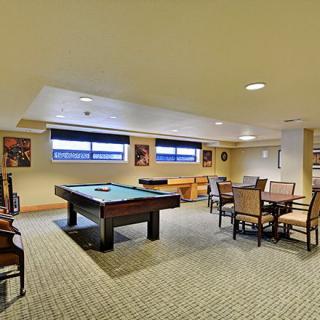
 Indoor common areas
 Outdoor common areas
 Private
 Respite or short term stays offered
 Wheelchair accessible showers
 Seattle-Tacoma International (9 miles away)
 Diabetic care
 High acuity care
 Incontinence care
 Medication management
 Meals provided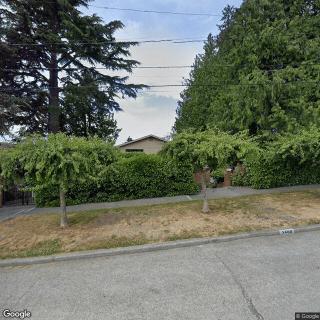

 Dementia Behaviors: In-Depth Understanding and Effective Coping Strategies
 5 Early Indicators of Dementia and What You Can Do
 8 Important Indicators That Memory Care May Be Necessary