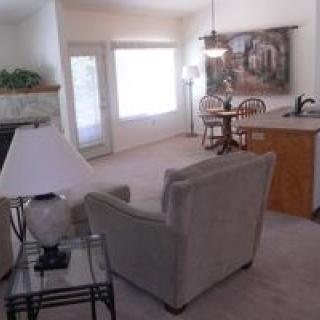
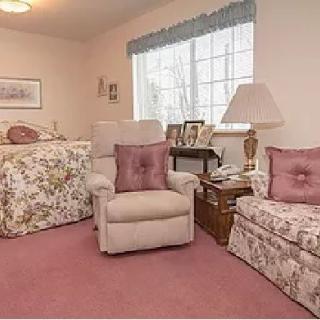
Spokane Valley Good Samaritan in Spokane, WA
Save17121 E 8th Ave, Spokane, WA 99016
For more information about senior living options: (844) 490-3973
This community is best suited for seniors who need skilled nursing rehab after hospitalization, long-term dementia or memory-care support, and end-of-life comfort, all within a campus that emphasizes clean facilities, private rooms, and accessible transportation. It works well for families who place a premium on a warm, caring staff culture and on a setting where meals can be unexpectedly high in quality. The strongest draw is the combination of well-kept spaces, private rooms, and a caregiving team at many shifts that proves capable, compassionate, and responsive when functioning at full strength. It is also a sensible option for families navigating Medicaid or SS-based coverage, with a process that can move smoothly when paperwork aligns with care needs.
The most persuasive positives center on cleanliness, room quality, and a genuine sense of care from many frontline staff. Residents frequently praise the spacious private rooms and the noticeably better-than-average dining experience - food that is well-prepared, thoughtfully served, and not simply "slopped on a plate." The skilled nursing garden-view environment, active event spaces, and accessible transportation support help create a livable daily rhythm, especially for those transitioning from hospital or needing ongoing medical attention. When the right staff are on duty, the care feels thorough, compassionate, and aligned with what families want for comfort, dignity, and practical assistance in daily living.
Yet the upside is offset by serious, recurring concerns that limit reliability. The most significant risk is staffing inconsistency: some shifts deliver attentive, respectful care, while others fall short, with reports of delayed cleanings, hurried responses to call lights, or outright rude behavior toward residents. Medication errors and high turnover exacerbate anxiety for families who rely on continuous, predictable care. Communication gaps compound these problems - families report difficulty obtaining timely updates, questions left unanswered, and a pattern of residents' status not being clearly conveyed during urgent changes in health. These issues are not universal, but they recur enough to color the overall care impression.
Beyond staffing, there are tangible operational frictions. Independent-living waitlists and upfront screening fees, variable room sizes, and even divergent experiences during Medicaid transitions can complicate planning. Dietary concerns surface in some reviews as well, with complaints about portion sizes and limited fresh-fruit options contributing to constipation and overall satisfaction dips. Several accounts hint at systemic strains tied to organizational changes (including outside management) that appear to affect consistency of care, staffing levels, and medication handling. These factors collectively tilt the experience away from seamless, premium service for all residents.
On balance, the facility earns credibility from standout staff and a facility that otherwise presents as clean, supportive, and empathetic - especially in moments of acute need or end-of-life care. Families with loved ones who can benefit from a high-quality caregiving tone, patient-centered interactions, and reliable transportation support will often hear strong endorsements from those whose relatives thrived. However, the inconsistencies in day-to-day care, documented communication lapses, and occasional perceptions of inadequate attention or medical oversight push some families to consider alternatives, particularly when a loved one requires unwavering staffing ratios and transparent, timely updates.
For families evaluating options, use a practical decision framework. First, verify current staffing ratios on the wings where care will occur and ask about any recent turnover or agency-staff usage. Second, request a candid tour of how meals are planned and served, and sample a meal or two to gauge portion sizes and nutritional variety. Third, probe the communication cadence: how and when updates are shared after doctor visits, hospitalizations, or changes in status, and who the primary point person is for family questions. Fourth, clarify the Medicaid and waitlist logistics, including any fees, refundability, and reapplication steps, so expectations align with reality. Finally, spend time speaking with current residents and their families about day-to-day responsiveness, especially during evenings and weekends.
In end-of-life and post-acute scenarios, this community can be a strong partner when the team is staffed with stable, compassionate nurses and CNAs who know the residents well. The best outcomes come from leveraging the facilities' strengths - private rooms, clean environments, good food, and accessible transportation - while actively mitigating the downsides through clear communication, consistent staffing, and transparent care planning. For families whose priorities include a nurturing culture and solid clinical attention, Good Samaritan Spokane Valley often delivers meaningful benefit. For those who require uniformly high staffing consistency, rapid responsiveness, and unambiguous, ongoing updates, it may be prudent to explore alternatives or to plan for a more proactive, hands-on oversight approach before committing long term.
The Spokane Valley Good Samaritan is an assisted living community located in Spokane, Washington. Situated in a vibrant neighborhood, this community offers convenience and accessibility to various amenities.
For those who appreciate a good cup of coffee or enjoy meeting friends for a light meal, there are four cafes and thirteen restaurants nearby. These establishments cater to different tastes and offer a variety of culinary options.
Nature enthusiasts will find solace in the presence of two parks nearby. These green spaces provide opportunities for leisurely walks, picnics, and enjoying the outdoors. Residents can take advantage of the serene surroundings to unwind or engage in recreational activities.
Ensuring the well-being of residents is a priority, which is why there are ten pharmacies and twenty-four physicians within close proximity. This ensures that medical needs can be addressed promptly and efficiently when required. Additionally, there is a hospital nearby for any emergencies or specialized services that may be needed.
Transportation options are readily available with two transportation services located close by. This allows residents to easily access other parts of Spokane or visit loved ones without any hassle.
Spiritual wellness is also valued at Spokane Valley Good Samaritan as evidenced by the proximity to places of worship. Residents have a tranquil space nearby where they can practice their faith and participate in religious activities if desired.
Lastly, entertainment enthusiasts will find delight in having a theater situated conveniently close by. Whether it's catching the latest movie release or enjoying live performances, this theater offers residents an opportunity to immerse themselves in cultural experiences without having to travel far.
Overall, the Spokane Valley Good Samaritan provides its residents with an array of amenities within its vicinity. The combination of nearby cafes, parks, pharmacies, physicians, restaurants, transportation services, places of worship, theaters, and hospitals aims to ensure that residents have everything they need to lead fulfilling lives while receiving exceptional care within this welcoming community.
Spokane Valley Good Samaritan is located at 17121 E 8th Ave, Spokane, WA 99016 in Spokane County, Washington
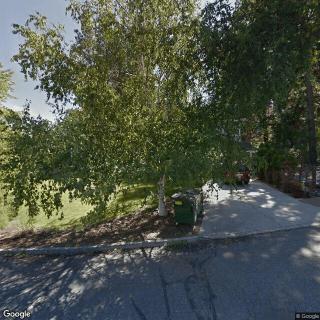
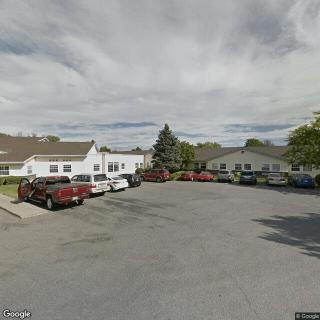
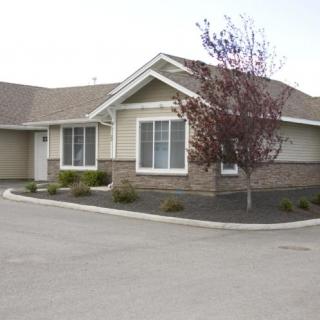
Spokane Valley Good Samaritan on seniors.fyi includes 4 photos including images showing nature, trees, outdoors, pond, fountain, water, grass, outdoor, and more.
Navigating the Financial Road to Nursing Home Care: In-Depth Guidance and Resources

The article offers detailed guidance on the financial complexities of nursing home care, covering costs, payment methods, and alternative funding strategies while emphasizing the importance of proactive planning and legal considerations for individuals and families making care decisions.
Supportive Employee Benefits That Help Caregivers Attain Better Work-Life Harmony
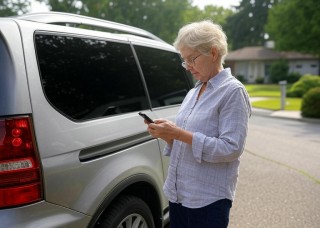
The article emphasizes the critical role of supportive employee benefits for caregivers, advocating for flexible scheduling, paid leave, and mental health services to ease their challenges while enhancing employee well-being and organizational loyalty. It also highlights the importance of strong leadership in promoting these initiatives to foster a sustainable workplace culture that values caregivers.
Top Cars for Senior Drivers and Essential Safety Innovations


Senior drivers prioritize comfort, safety, and ease of use in vehicles due to age-related challenges, seeking features like easy entry, clear visibility, and modern driver-assistance technologies. Recommended models include the Subaru Forester, Honda CR-V, and Toyota Camry, with emphasis on test-driving for personal comfort and evaluating crash-test ratings alongside insurance considerations.