
E 17121 8Th Avenue, Greenacres, WA 99016
For more information about senior living options: (866) 208-4318
Overall Review of Good Samaritan Society Spokane Valley
Pros
 They described Good Samaritan Society Spokane Valley as a very wonderful place to rehab.
- The staff were caring, knowledgeable, and professional.
- The facility was clean and well-staffed.
- They felt love, compassion, respect, and support from staff and other patients.
- They appreciated conferences that discussed the mom’s progress and prognosis.
- The care provided offered good value, about the same price as a regular care home.
- They noted engaging activities (barbecues, Wii bowling, Bingo) and transportation to appointments.
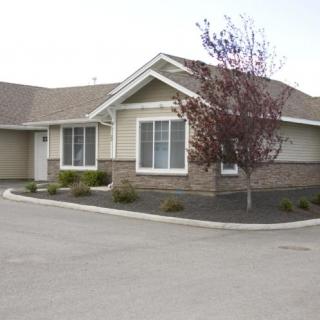
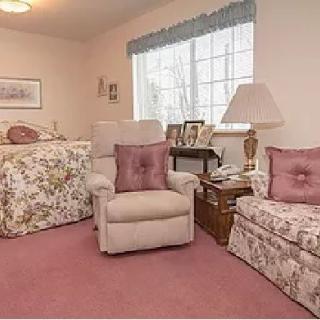
- The cottages and living spaces are spacious and well-maintained, with pleasant grounds.
- The setting is personable, and the staff are friendly and familiar with residents.
- They observed that Good Samaritan’s prices were lower than those of other facilities.
Cons
 They feared their elderly father wouldn’t receive the care he needed.
 - They were billed for charges after the hospitalization and received no help resolving the mistake.
- They felt they were being hounded for the money.
- They were not overwhelmingly impressed and found the facility more institutionalized and less attractive than other places.
- The setting appeared understaffed.
- They were given only three days’ notice that rehab would become private pay, which put them in a bind.
Review
Good Samaritan Society Spokane Valley in Greenacres, Washington, is best suited for families that want a practical, budget-conscious continuum of care where skilled nursing rehab is stitched together with later-stage assisted living on a single campus. The community’s real strength is its integrated model: cottages up to roughly 1,400 square feet with two bedrooms, two baths, and a path to an apartment with assistance before moving into full care if needed. This layout reduces the friction of transitions, letting loved ones stay within a familiar setting while staff coordinate rehab, routines, and daily life. In practice, the atmosphere feels personal, with staff known by name, and a fullness of activity options that keeps residents engaged.
Alternatives are worth considering for families who prize newer aesthetics, or who want a non-denominational environment free from any religious affiliation. Several reviewers noted the facility’s older, more institutional appearance and ongoing construction, which can feel less upscale than some peers. Administrative issues, most notably a past billing dispute connected to hospice care, provide a cautionary baseline about ensuring clear, updated billing practices and pre-authorization processes. For those requiring the most consistent staffing at every shift, the occasional comments about being understaffed in certain areas should be weighed against the overall care quality.
On the upside, the core caregiving staff are repeatedly praised for compassion, professionalism, and attentiveness. Cleanliness of the facility and the level of staff engagement in rehab are frequently cited, with families applauding clear progress and proactive communication, including conference-style updates on progress and prognosis. The price point often comes in as favorable compared with other options, reinforcing value for a bundled continuum of care. The campus also delivers robust social programming, barbecues, Wii bowling, Bingo, entertainers, and transportation to appointments or shopping, along with a YMCA perk and shuttle services that extend daily life beyond the walls.
Yet the cons matter enough to temper enthusiasm. The buildings and interiors carry an older, institutional vibe that won’t suit everyone, and visitors noted undercurrents of understaffing at times, which can slow response or touchpoints during busy periods. Construction during visits contributed to a sense of incompletion in some areas. Wheelchair access and some furnishings have been flagged for upgrade, signaling that certain aspects of daily living could be improved. The hospice billing incident remains a blemish on trust, signaling the need for prospective residents to demand transparent billing and timely resolution if questions arise.
For families prioritizing a steady rehab pathway with a built-in progression from cottage living to assisted living to full care, Spokane Valley offers a compelling argument. The continuity of care on one campus, the emphasis on recovery, and the demonstrated warmth of staff can translate into smoother transitions and clearer accountability. However, solid due diligence is essential: confirm current staffing levels and ratios, get a detailed, written billing outline, and verify that the construction schedule won’t disrupt critical routines. Ask about current hospice or private-pay policies and whether any charges have been adjusted since past disputes.
Bottom line: Good Samaritan Society Spokane Valley is a sound, practical option for families needing rehabilitative intensity, engaged staff, and cost awareness, with the flexibility to move from cottages to more intensive care without relocating. It excels when recovery and community integration are priorities and when the family can tolerate a facility that reads as a bit older in appearance. For those who demand pristine aesthetics, non-denominational assurance, or guaranteed staffing consistency on every shift, alternatives should be compared head-to-head, focusing on current staffing patterns, recent renovations, and transparent financial practices before making a choice.
 14 resident community capacity
 Assisted Living
 Board and Care Home
 Continuing Care Retirement Community (CCRC)
 Skilled Nursing Facility
 Cable or satellite TV
 Dining room
 Fully furnished
 Garden
 Housekeeping services
 Move-in coordination
 Outdoor space
 Telephone
 Wi-Fi/high-speed internet available
 Spokane International (17 miles away)
 24-hour supervision
 Activities of daily living assistance
 Assistance with bathing
 Assistance with dressing
 Assistance with transfers
 Diabetes diet
 Meal preparation and service
 Medication management
 Special dietary restrictions
 Transportation arrangement (medical)
 Transportation to doctors appointments





 8 Key Indicators That Suggest It May Be Time to Transition from Assisted Living to Skilled Nursing Care
 Vibrant Senior Living: A Comprehensive Guide for Active Older Adults
 When to Transition from Assisted Living to Memory Care: Key Indicators, Steps, and Finding the Right Community