
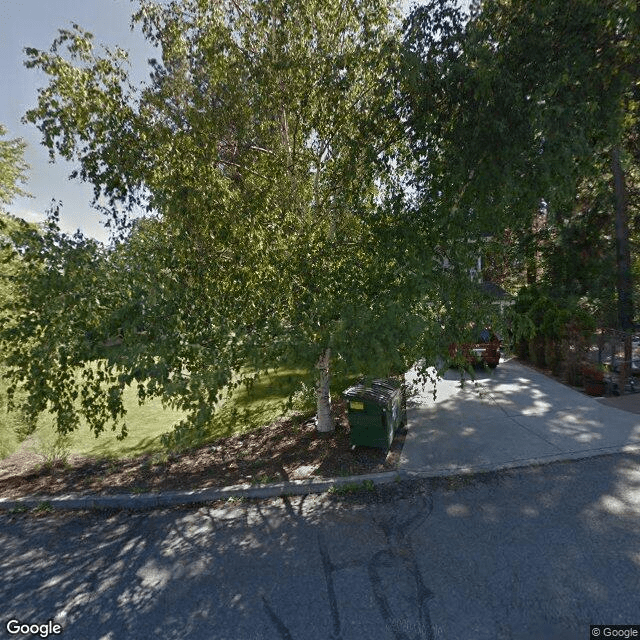
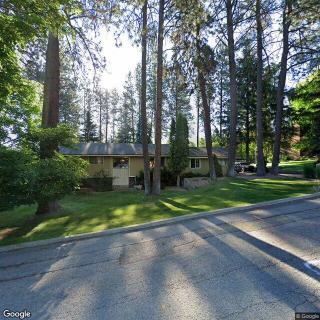
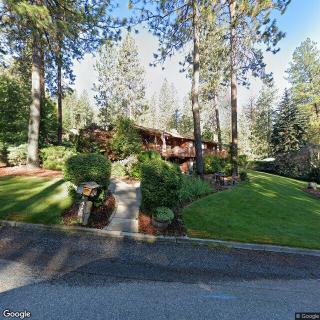
S. 2509 Sonora Dr., Spokane, WA 99037
To contact a resident: (509) 891-0291
For more information about senior living options: (866) 208-4318
Churchill's AFH Costs & Pricing
At Churchill's Adult Family Home (AFH), we are proud to offer competitive pricing for our residents. Our semi-private rooms are available for $2,500 per month, significantly more affordable than the average rates of $3,863 in Spokane County and $4,267 across the state of Washington. For those seeking a private room, our rate is $3,200, again lower than both the Spokane County average of $4,111 and the state average of $4,772. These cost-effective options reflect our commitment to providing quality care while ensuring that financial considerations do not compromise the well-being of our residents.
| Floor plans | Churchill's AFH | Spokane County | Washington |
|---|---|---|---|
| Semi-Private | $2,500 | $3,863 | $4,272 |
| Private | $3,200 | $4,111 | $4,774 |
Senior living communities with a similar price nearby
-
from -$305 / mo

Broadway Court Estates
$2,195 to $3,395 / month2.6 miles away -
About the same
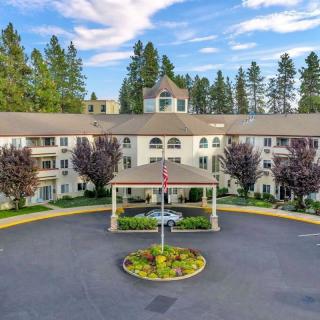
North Star
$2,484 to $4,482 / month18.2 miles away -
from +$150 / mo
Riverview Terrace
$2,650 to $10,800 / month9.5 miles away -
from +$195 / mo
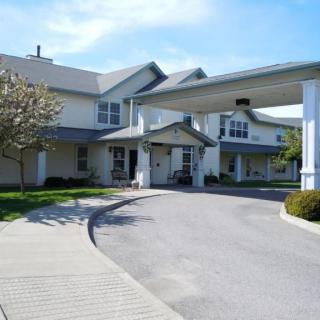
Sullivan Park Assisted Living Community
$2,695 to $4,450 / month1.5 miles away -
from +$495 / mo
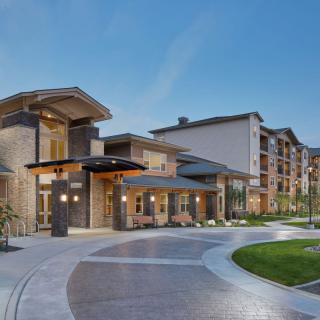
Revel Spokane
$2,995 to $4,400 / month4.2 miles away
Overall Review of Churchill's AFH
Pros
 It is a very nice place for a dementia patient.
- It provides good attentive care.
- The environment is clean and tidy.
- The caregivers are experienced.
Cons
 The home would not consider Mom because she is a Hoyer patient, which would interfere with the home’s fire evacuation requirements.
Review
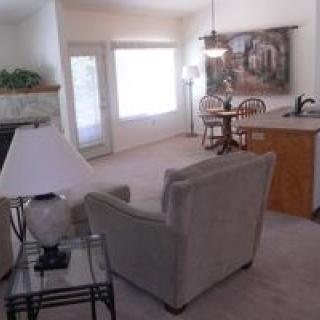
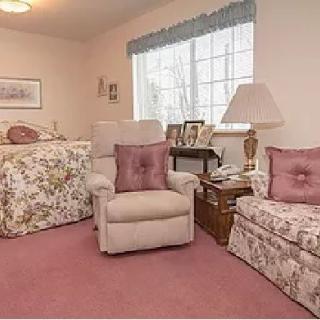
Churchill's AFH in Spokane is best suited for families seeking a small, home-like assisted living setting that centers on dementia care. The community clearly serves residents whose primary needs are attentive supervision, predictable daily routines, and a calm, orderly environment rather than high-acuity medical interventions. It is a practical fit for seniors who benefit from steady caregiver contact and a familiar, low-stimulus atmosphere. Those with more complex medical needs, extensive wound care, or equipment demands beyond standard lifts will want to scrutinize whether the home can keep pace. In short, Churchill's AFH shines where dementia-focused care and a personable staff approach matter most.
The strongest and most reliable positives center on dementia care. Reviews consistently describe good attentive care in a clean, tidy setting and an experienced team of caregivers. The small, home-like environment appears to foster steady monitoring, quicker recognition of behavioral changes, and more personalized attention than larger facilities. For families worried about neglect or薄 impersonal supervision, the practical takeaway is clear: staff engagement is deliberate and meaningful, not peripheral. Residents who thrive on routine, familiar faces, and predictable daily schedules will likely feel safer and more at ease here.
That personalized approach translates into tangible daily stability. Attentive, experienced caregivers can respond promptly to confusion, reassurance, and safety reminders, which matters greatly for dementia management. Cleanliness and a tidy environment reinforce a sense of dignity and safety, reducing the let-down that can accompany care in less orderly settings. The intimate dynamic, with staff who know preferences and routines, often minimizes friction and supports smoother transitions from independent living or from more clinical environments. In practice, this is the kind of care that families can observe in real time and rely on day after day.
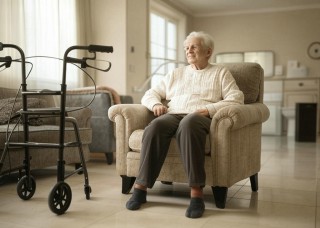
A significant caveat surfaces around evacuation and transfer needs. The most consequential drawback for some households is the potential incompatibility with residents who require Hoyer lifts or similar assistive devices. One reviewer specifically noted that a Hoyer-dependent family member would not fit the home’s fire evacuation requirements, effectively ruling out the setting for that situation. Practically, this means evacuation planning and safety logistics may not accommodate certain equipment-heavy transfers, which can be a decisive factor for families managing mobility limitations. Prospective residents should push hard on how lift devices are stored, how lifts would be used during emergencies, and what contingencies exist for residents who rely on assistive devices.
Given that constraint, alternatives are worth considering for families whose loved ones cannot accommodate the evacuation realities here. If the priority includes robust safety planning around emergencies and ready accommodation for assistive transfer devices, broader options, larger memory care communities or facilities explicitly designed to handle Hoyer lifts and similar equipment, may be a better fit. Other Spokane settings with stronger protocols, higher staff-to-resident ratios, and explicit policies about equipment and evacuation can offer comparable dementia care benefits with added safety assurances. In short, Churchill's AFH excels in dementia-focused care and a calm, home-like ambience but may fall short for those whose needs hinge on evacuation logistics or heavier medical supports.
Bottom line: Churchill's AFH represents a solid, practical option for families prioritizing dementia-specific care in a warm, clean, and attentive environment. The standout strengths are the consistent staff engagement and the calm, structured routine that dementia residents often require. The decisive drawback is the potential incompatibility with residents needing Hoyer lifts or intricate evacuation planning, which can make it unsuitable for certain households. If evacuation and transfer requirements are non-negotiable, broaden the search to facilities that explicitly accommodate assistive devices and emergency safety needs. Otherwise, schedule a visit, observe staff interactions, and verify daily routines and activity programming, then confirm readiness to support a loved one’s dementia journey in this intimate setting. We would counsel families to test these factors directly with management and to consider a trial stay if offered.
 Board and Care Home
 Cats allowed
 Dogs allowed
 Activities on-site
 Bath tubs
 Indoor common areas
 Outdoor common areas
 Private
 Respite or short term stays offered
 Spokane International (16 miles away)
 Diabetic care
 High acuity care
 Incontinence care
 Medication management
 Kosher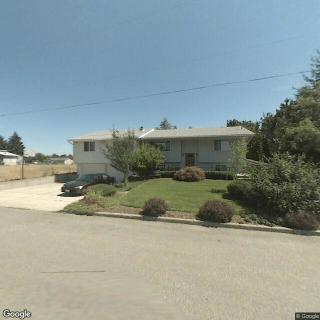


 8 Essential Assistive Devices for Older Adults
 Navigating the Financial Road to Nursing Home Care: In-Depth Guidance and Resources
 Supportive Employee Benefits That Help Caregivers Attain Better Work-Life Harmony