

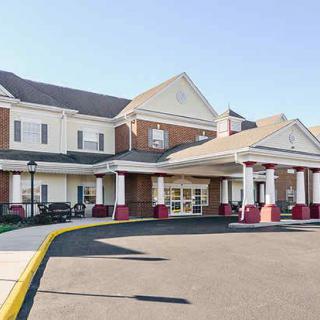
340 Lynn Shores Dr, Virginia Beach, VA 23452
To contact a resident: (757) 340-6611
For more information about senior living options: (866) 208-4318
Overall Review of Beacon Shores
Cons
 Beacon Shores has been renamed to The Citadel, but the rename does not fix the problems.
- The ownership change reportedly caused a resident's mother to end up in the ER.
- The female administrator was described as making excuses.
- Medicaid beds are hard to find in nursing homes.
- Memory care is even more difficult to locate.
- Cleanliness issues, including roaches, were reported to the State.
- There is a lack of nurse training and evident staff apathy, including extensive cell phone use and doors blocked by chairs.
- There is a lack of activities for residents.
- The food is subpar.
- The reviewer gave no stars (zero stars).
Review
Beacon Shores, now operating as The Citadel, is a community that should be understood through a crisis-driven lens. It is best considered only when a family faces an urgent Medicaid-bed constraint in Virginia Beach and absolutely no well-regarded option with availability exists. In such a narrow frame, the facility may appear as a viable placement, but the reality reflected in the available feedback paints a stark picture: ownership changes did not cure core deficiencies, and safety, dignity, and daily life quality hang in the balance. The name change cannot be mistaken for improvement; the underlying issues persist and demand hard scrutiny before any longer-term commitment.
Who should consider alternatives is clear: families prioritizing stability, predictable staffing, and genuine memory-care capability should look elsewhere. This community is not a reliable match for seniors requiring careful supervision, consistent nurse training, or robust activity programming. Prospective residents should demand verifiable documentation of memory-care protocols, trained staff, and a track record of incidents managed without drama or delays. For anyone exploring long-term options, it is prudent to treat this facility as a last resort rather than a recommended path, given the absence of meaningful rehabilitative or enrichment signals in the observed feedback.
The few potential positives are outweighed by the most consequential downsides. The market’s marketing of memory care does not compensate for proven gaps in daily operation or clinical oversight. Even the most modest advantages, such as proximity to emergency services or nearby hospitals, do not offset a broader pattern of neglect or mismanagement. In practical terms, a safe, respectful living environment requires more than access to medical facilities; it requires steady leadership, reliable staffing, and a culture of accountability that this setting has not demonstrated.
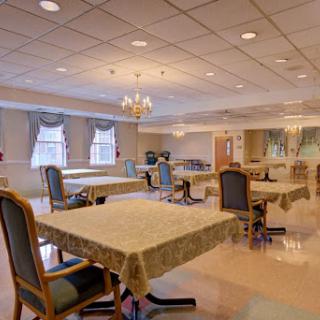
From the perspective of daily life and resident safety, the main concerns are explicit and persistent. Reports describe recurring cleanliness problems, including roaches, which facilities cannot tolerate in a setting housing vulnerable adults. Staff performance appears hampered by insufficient training and a troubling degree of apathy, including pervasive cell-phone use and behaviors that block egress and disrupt routine safety checks. Activities are minimal at best, with residents shuttled to “movie time” or given basic coloring tasks that resemble last-minute, low-effort programming rather than structured engagement. These factors collectively erode quality of life and raise questions about dignity and personal stimulation.
Operational details compound the concern: the laundry system is unreliable, with lost items and misplacing others’ belongings creating a sense of disorganization that seeps into all routines. Food quality is described as subpar, undermining nutrition and morale, everyday meals matter deeply in senior living, and a pattern of inadequate nutrition signals broader neglect. The combination of these issues, cleanliness failures, inadequate training, disengaged staff, sparse programming, laundry disruptions, and disappointing meals, creates a milieu where residents may experience frustration, loneliness, and safety risk. Such a profile makes a convincing case for pursuing alternatives worthy of trust and accountability.
For families still weighing options, a disciplined due-diligence plan is essential. Seek out state inspection histories, review staffing levels and turnover, and request unannounced visits to observe staff interactions, response times, and safety practices. Ask for sample meal plans, activity schedules, and proof of memory-care certification if memory support is claimed. Speak with current residents and families to assess consistency of care and any patterns of concern. In parallel, compare nearby communities with strong cleanliness records, transparent governance, and active engagement programs; prioritize settings with open channels for reporting, oversight, and rapid corrective action.
In the end, the verdict is blunt: this site presents significant risk for long-term placement. The Citadel, inherited from Beacon Shores, carries a bundle of red flags that modern families should not normalize as “the cost of care.” Alternatives with documented safety, engaged staff, and meaningful activity programming should be pursued first, with this option reserved only for the most constrained circumstances and under a strict, condition-laden plan that includes independent oversight, a clear stopgap for escalation, and a readiness to pivot at the first sign of ongoing trouble.
 Skilled Nursing Facility
 Norfolk International (6 miles away)
 Caring, responsive staff with good communication.


 Understanding the Nuances of Palliative Care and Hospice: A Comprehensive Exploration
 Fecal Incontinence in Older Adults: A Comprehensive Guide
 Recognizing the Journey: Understanding and Navigating Anticipatory Grief