3737 Catalpa Avenue, Po Box 711, Buena Vista, VA 24416
For more information about senior living options: (866) 208-4318
Overall Review of Shenandoah Valley Health And Rehab
Pros
 The facility is great with welcoming staff.
- There is a great team and culture, and visits are enjoyable.
- The staff are described as angels by family members who can’t say enough nice things.
- The facility is excellent.
- The staff and nurses care about loved ones.
- The family appreciated everything the staff did for the grandmother.
Cons
 The experience was horrible from the moment his father was brought to the facility.
- Not a single staff member came to his room for an hour.
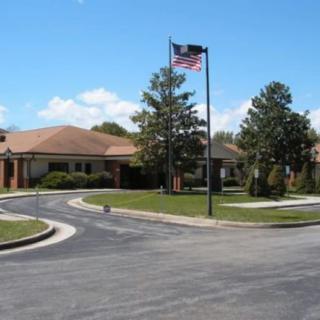
- The facility had old furniture and a rundown building.
- The reviewer urged others to stay away from this place.
Review
This community is best suited for families seeking a warm, relationship-centered care environment in Buena Vista, where staff are consistently described as compassionate and genuinely engaged. The resident experience centers on a welcoming atmosphere, and visitors repeatedly cite the accessibility and kindness of front-line staff. For seniors with moderate care needs who want daily assistance delivered with patience and a strong sense of community, Shenandoah Valley Health And Rehab offers a care model that feels personal and human. The environment supports social connection, with staff actively facilitating meaningful interactions, and families report a sense that their loved ones are valued and known. In short, this is the option for households that measure success by the quality of daily interactions and the reassurance that caregivers treat residents like family.
Alternatives should be considered for families where reliability and pristine upkeep are non-negotiable. If immediate, around-the-clock responsiveness to emergencies is a top priority, or if a newer, more modern facility with consistently impeccable maintenance is essential, other options may serve better. A single negative report about delayed staff attention and an aging physical plant cannot be ignored, particularly when care needs are high acuity or if safety priorities hinge on rapid assistance. For residents requiring specialized memory care, aggressive rehabilitation, or very structured clinical oversight, it is prudent to compare facilities with demonstrably stronger staffing metrics and newer infrastructure. This is not a verdict against Shenandoah Valley, but a practical reality check for families aligning care profiles with facility capabilities.
The strongest selling points lie in the human capital. Multiple reviews converge on a great facility with welcoming staff and a cohesive team culture, suggesting a workplace where caregivers are proud to show up and do meaningful work. Nursing care appears to be a notable strength, with families describing nurses and aides as attentive and genuinely invested in the resident’s well-being. The praise isn’t abstract: it comes with concrete examples of staff who remember names, anticipate needs, and communicate with families in a transparent, supportive manner. When care hinges on the consistency of daily interactions and a sense that staff members are part of a trusted team, these elements translate into steadier routines, fewer misunderstandings, and a more reassuring cadence for both residents and their families.
Yet a lone negative voice cannot be dismissed. One star warns of a markedly different experience: no staff member visiting a resident’s room for an hour after arrival, coupled with notes about old furniture and a rundown building. This report signals potential gaps in staffing responsiveness and maintenance that could undermine safety and comfort if replicated. It stands in stark contrast to the broadly positive feedback and suggests variability by shift, moment, or circumstance. While this is not the prevailing pattern, it highlights a critical decision point: for anyone whose daily life is contingent on rapid assistance or whose comfort is closely tied to the physical state of the surroundings, this risk warrants thorough inquiry before committing.
The pros offset the cons to a meaningful degree when care priorities align with the facility’s strengths. For families prioritizing connection, presence, and a care culture that treats residents as individuals, the benefits of a compassionate, team-oriented environment can far outweigh occasional lapses in responsiveness or maintenance. If the resident welcomes social engagement, thrives on predictable, person-centered care, and benefits from proactive communication, Shenandoah Valley can deliver a quality experience that feels dependable over time. The caution is real, but manageable: verify staffing patterns, observe the pace of response to call bells, and assess how management addresses maintenance and environment issues. When these factors align with the resident’s needs, the favorable balance becomes clear.
Bottom line: Shenandoah Valley Health And Rehab stands as a strong option for families who value a home-like, caregiver-forward atmosphere and are comfortable with some variability in operational consistency. It is less well suited for those whose top criteria include flawless punctuality in every shift, or for families prioritizing a showroom-quality facility and uninterrupted, high-acuity surveillance. Prospective residents should plan a thorough, time-stretched tour, ideally across different mealtimes and shift changes, to observe staff interactions, challenge front-line staff with direct questions about responsiveness, and request a candid overview of care plans, staffing levels by shift, and the maintenance schedule. In the right match, the care climate at Shenandoah Valley can feel like a community that truly supports both residents and their families, turning daily living into a collaborative, reassuring partnership rather than a set of transactional tasks.
 93 resident community capacity
 Skilled Nursing Facility
 Air-conditioning
 Beauty salon
 Cable or satellite TV
 Computer center
 Dining room
 Fitness room
 Fully furnished
 Gaming room
 Garden
 Housekeeping services
 Kitchenette
 Move-in coordination
 Outdoor space
 Private bathrooms
 Restaurant-style dining
 Small library
 Telephone
 Wellness center
 Wi-Fi/high-speed internet available
 Community operated transportation
 12-16 hour nursing
 24-hour call system
 Activities of daily living assistance
 Assistance with bathing
 Assistance with dressing
 Assistance with transfers
 Diabetes diet
 Medication management
 Mental wellness program
 Special dietary restrictions
 Concierge services
 Planned day trips



 Home Health Care Aides: Understanding Their Role and Supporting Your Family
 Urinary Tract Infections in Older Adults: Comprehensive Insights on Symptoms, Treatment, and Prevention
 California's Form 602A: An In-Depth Examination of Senior Care Assessment