
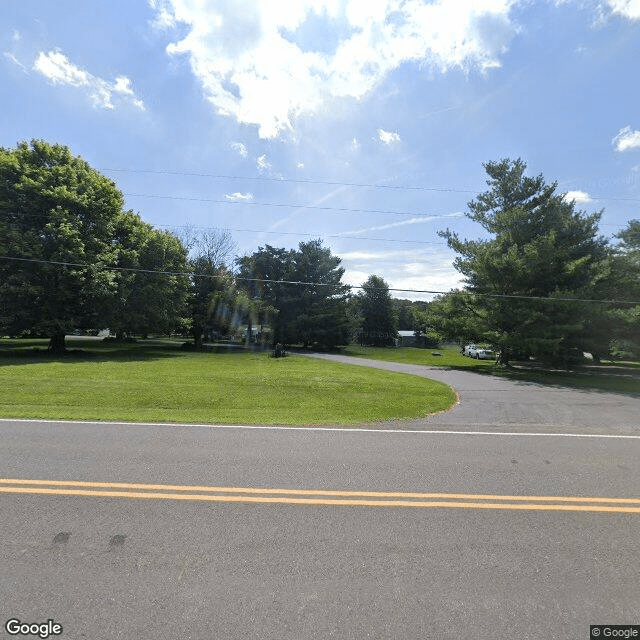
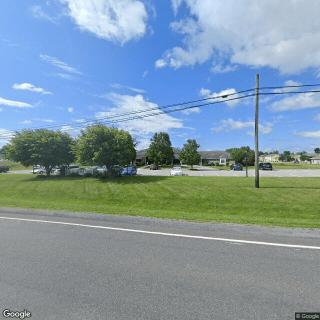
2526 Lee-Jackson Highway, Staunton, VA 24401
To contact a resident: (540) 337-2109
For more information about senior living options: (866) 208-4318
Maple Lawn Home For Adults Costs & Pricing
Maple Lawn Home for Adults offers a cost-effective solution for senior living, with its semi-private room priced at $1,300 per month. This rate stands in stark contrast to the average costs in Staunton city and the broader Virginia state, where semi-private accommodations typically range from $3,088 to $3,991 per month. This significant difference underscores Maple Lawn's commitment to providing affordable care without compromising on quality, making it an appealing option for families seeking budget-friendly alternatives in adult living arrangements.
| Floor plans | Maple Lawn Home For Adults | Staunton city | Virginia |
|---|---|---|---|
| Semi-Private | $1,300 | $3,088 | $3,991 |
Overall Review of Maple Lawn Home For Adults
Pros
 They appreciate the nice country location.
- They like the friendly, comfortable home-like environment that accommodates pets.
- They value the various entry points that allow visitors at all hours.
Cons
 They were concerned about the staff-to-resident ratio.
- They were concerned about residents’ ease of exiting and wandering from different areas of the facility.
- They were concerned that the various entry points allow visitors at all hours.
Review
Maple Lawn Home For Adults in Staunton, Virginia is best suited for seniors who want a small, home-like, pet-friendly setting in a country-style setting and who do not require intensive medical supervision. The facility’s strength lies in a warm, comfortable atmosphere that feels less like a typical institution and more like a lived-in home where pets are welcome and residents can settle into a familiar, relaxed routine. For families prioritizing accessibility to visitors and a casual, homestyle environment, Maple Lawn delivers on those front-line expectations with ease.
That said, certain residents and families should strongly consider alternatives. Those who need robust staff supervision, frequent hands-on assistance, or specialized memory care will likely find this community’s staffing and design insufficient for ongoing safety and daily care demands. In addition, the ease with which residents can exit or wander between different areas raises legitimate safety concerns for individuals at risk of wandering or getting lost. If security, controlled access, and tightly supervised movement are non-negotiable, a larger, more structured setting or a memory-care-focused option may be preferable.
The primary advantages, country location, a friendly, comfortable home-like vibe, and pet compatibility, offer meaningful counterweights to the downsides. The rural setting can reduce agitation and promote a calmer daily rhythm, which benefits residents who prize quiet surroundings and simple, routine activities. A pet-friendly policy adds emotional support and opportunities for companionship that residents often miss in more clinical environments. The welcoming atmosphere complements social engagement, making day-to-day living feel more regular and less institutional, which in turn can offset concerns about staff ratios to some extent for residents who enjoy a low-pressure schedule.
However, the lean staff-to-resident ratio and the multiple entry points designed to welcome visitors around the clock introduce real trade-offs. In practice, a lighter staff load can mean slower response times for assistance with meals, mobility, or medication routines, particularly if an episode requires two hands or if staff must continually patrol multiple entrances. The same flexible access design that helps families feel connected can also heighten risk for wandering, especially for seniors with memory challenges or impaired judgment. For these residents, safety and supervision should not be secondary to convenience or social-opportunity considerations.
Residents who thrive at Maple Lawn are those who value a cozy, domestic ambiance, want to maintain a pet-friendly lifestyle, and can function well with moderate supervision rather than constant hands-on care. They are typically individuals who welcome informal routines, personal autonomy, and the ability to set their own pace in a smaller setting. By contrast, those with significant cognitive impairment, high fall risk, or a need for structured, around-the-clock care will likely find the environment insufficient without substantial modifications or additional services.
To make a well-informed decision, families should conduct a candid assessment of safety needs and care expectations. Visit during peak activity times to observe staff interactions and responsiveness, inquire about staff-to-resident ratios on different shifts, and ask how wandering risks are mitigated in practice. Probe the layout and door security: which exits are monitored, how doors are locked, and what proactivity exists to prevent unsupervised movement. Request concrete examples of how residents with mobility or memory challenges are supported without compromising the home-like atmosphere. With clear expectations and a realistic picture of daily life, Maple Lawn can be a compelling fit for the right resident, and an obvious alternative for those requiring stronger supervision and memory-care resources.
 Board and Care Home
 Memory Care
 Bath tubs
 Shenandoah Valley Regional (19 miles away)
 Ambulatory care
 Diabetic care
 High acuity care
 Incontinence care


 Dementia-Related Hallucinations: Causes, Experiences, and Practical Approaches
 Illuminating Insights About Alzheimer's Disease: Ten Crucial Realities
 A Thorough Discussion of Medications Potentially Linked to Dementia Risk