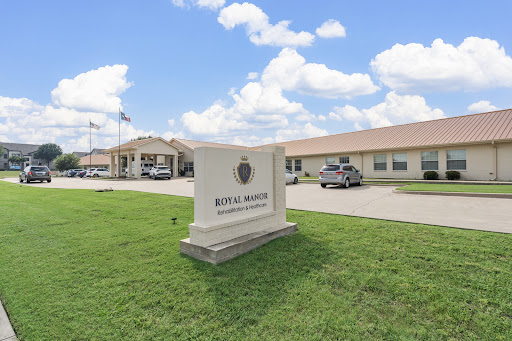



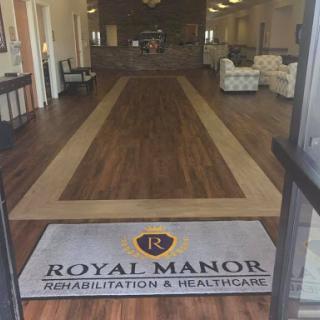
9101 Panther Way, Waco, TX 76712
For more information about senior living options: (866) 208-4318
Overall Review of Royal Manor
Pros
 The facility was excellent.
- It was a wonderful place.
- The staff were really caring.
- The staff were really nice.
- The reviewer was very happy with the staff.
Cons
 She never really got any better.
- My mom didn't participate in any of them.
- The food was average.
- It wasn't wonderful.
- It could have been a little bit better.
Review
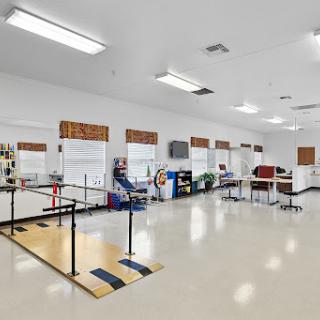
Royal Manor in Waco, TX is best suited for families seeking a dependable, neighborhood nursing home where the resident can stay close to home and settle into a steady, reassuring daily rhythm. The community excels when care teams build real relationships and provide consistent, attentive support over a long horizon. It is a practical choice for seniors who need rehab with the comfort of familiar routines and a modest, home-like setting, rather than a resort-style experience. Those whose priority is privacy, gourmet dining, or aggressively paced therapy will want alternatives that emphasize private rooms, premium meals, or more intensive short-term rehab programs.
Alternatives become compelling for residents who insist on private rooms, higher-end dining, or a more robust, higher-frequency therapy schedule. If the goal is rapid discharge after intensive rehabilitation, a facility with a proven track record for aggressive rehab protocols and discharge planning may serve the family better. For those with strict dietary preferences or sensitivity to menu variety, places with bespoke kitchen programs and chef-driven options deserve consideration. In short, Royal Manor works well when reliability and proximity trump the desire for upscale amenities or brisk rehabilitation timelines.
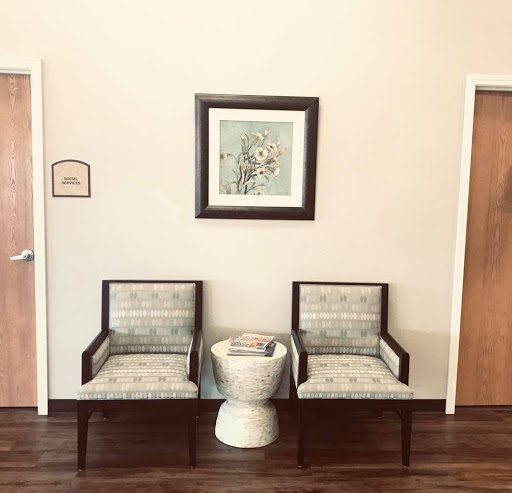
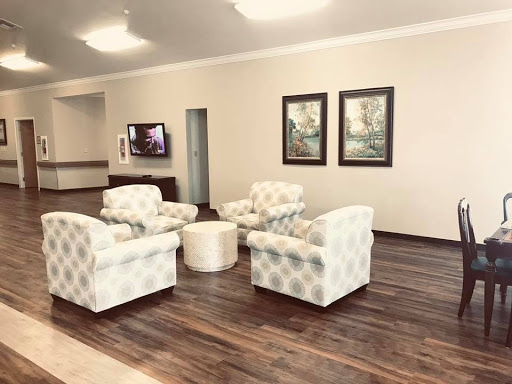
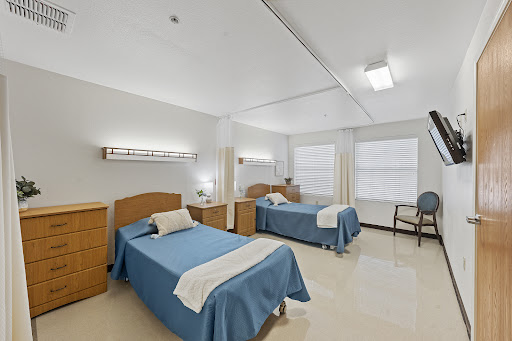
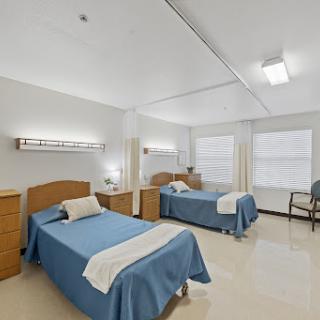
The strongest positives here lie in the human side of care. Families note caring, personable staff who establish trust and provide a reassuring routine for residents. The location is undeniably convenient for loved ones who want frequent in-person visits, a factor that often translates into more attentive, responsive care. The semi-private rooms keep costs manageable while still offering a comfortable, supportive environment, and the facility trains staff to keep a steady, predictable pace that reduces confusion for residents and families alike. Activities are available, which helps prevent isolation, even if participation depends on the individual resident’s engagement. Taken together, these elements create a stable living situation that can be a meaningful home for someone who prioritizes consistency over novelty.
Yet the key trade-off centers on comfort versus culinary and clinical momentum. The single, concrete downside mentioned is that the meals were only average, not a standout feature of the experience. That matters for residents who prize dining quality as part of their daily life and overall satisfaction. Rehab-wise, the review notes that progress wasn’t transformative in the resident’s case, which underscores a reality: outcomes in skilled nursing can be variable and depend on individual recovery trajectories as well as program intensity. Still, the presence of an attentive staff, familiar routines, and ongoing activities can soften those limitations, enabling a safer, dignity-centered stay even when rehab gains aren’t dramatic.
For families weighing a decision, the practical next steps are clear. Assess whether proximity, stability, and staff warmth align with the resident’s priorities, and compare with nearby facilities that offer private rooms or stronger culinary programs. Prior to move-in or renewal, ask to review a sample menu and to meet with therapy and nursing leadership to understand escalation pathways if progress slows. Request a tour focused on day-to-day life: what a typical day looks like, how activities are scheduled, how family involvement is integrated, and what customization exists for personal routines. Finally, obtain a transparent cost outline that distinguishes private-room options, meal plans, and any ancillary services to determine true value.
In sum, Royal Manor is a solid, practical choice for families prioritizing care reliability, consistent staff relationships, and a convenient, semi-private setting. It delivers a respectful, steady environment where elders can receive attentive daily support and participate in activities without the pressure of high-end amenities. The main caveat is dining and the variability of rehab outcomes, which may be acceptable trade-offs for those who value proximity, familiarity, and a predictable routine over luxuries. For residents and families who need private rooms, gourmet meals, or a more aggressive rehabilitation pathway, exploring alternatives will likely yield options better aligned with those specific priorities.
 120 resident community capacity
 Skilled Nursing Facility
 Air-conditioning
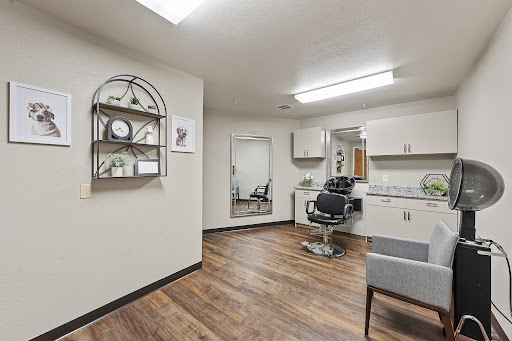
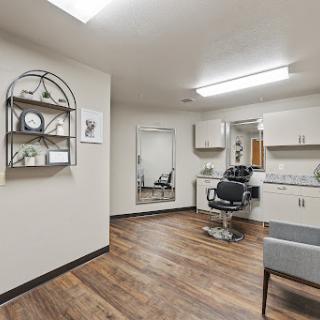
 Beauty salon
 Cable or satellite TV
 Computer center
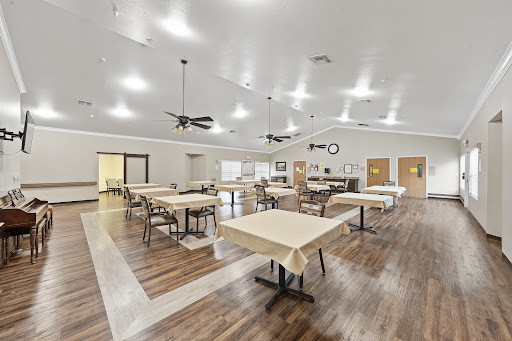
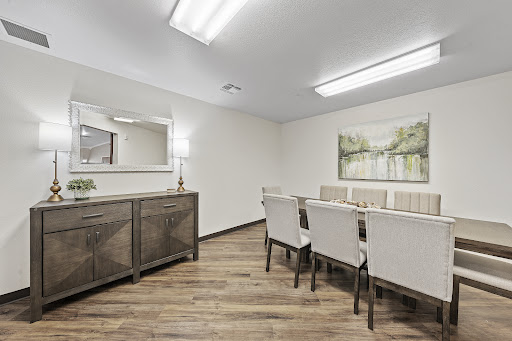
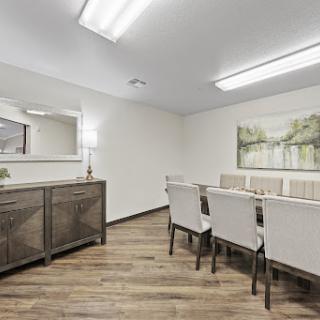
 Dining room
 Fitness room
 Fully furnished
 Gaming room
 Garden
 Housekeeping services
 Kitchenette
 Move-in coordination
 Outdoor space
 Private bathrooms
 Restaurant-style dining
 Small library
 Telephone
 Wellness center
 Wi-Fi/high-speed internet available
 Waco Regional (10 miles away)
 Community operated transportation
 12-16 hour nursing
 24-hour call system
 Activities of daily living assistance
 Assistance with bathing
 Assistance with dressing
 Assistance with transfers
 Diabetes diet
 Medication management
 Mental wellness program
 Special dietary restrictions
 Concierge services
 Planned day trips








 California's Form 602A: An In-Depth Examination of Senior Care Assessment
 Comprehensive Look at Senior Blood Pressure Charts: Normal and Elevated Levels by Age
 Top Canine Companions for Older Adults