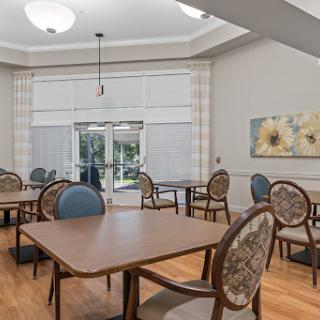
1700 Woodgate Dr, Waco, TX 76712
To contact a resident: (254) 666-5454
For more information about senior living options: (866) 208-4318
Overall Review of Wesley Woods Health And Rehabilitation
Pros
 The reviewers describe Wesley Woods as a five-star experience with exceptional care and compassion.
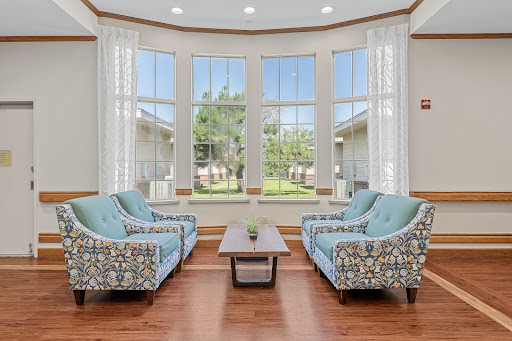
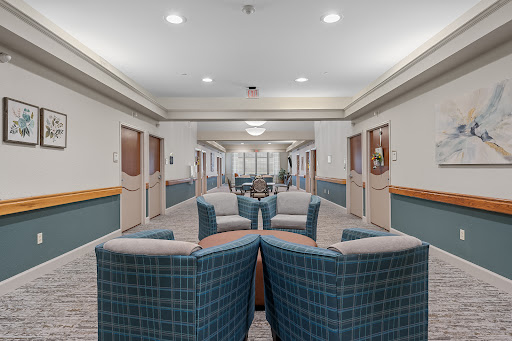
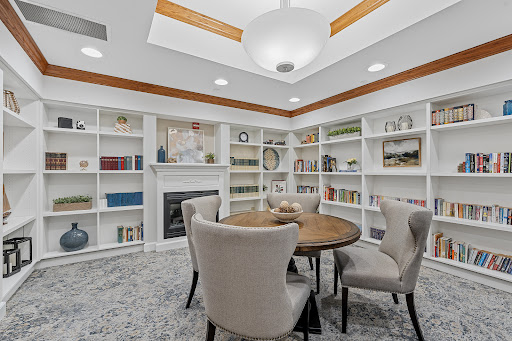
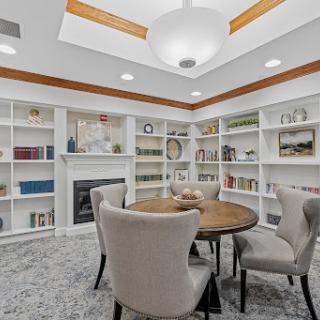
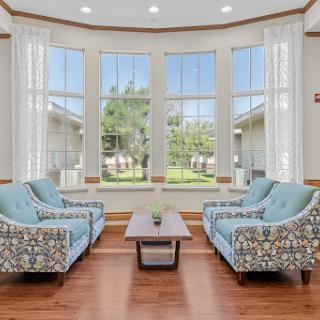
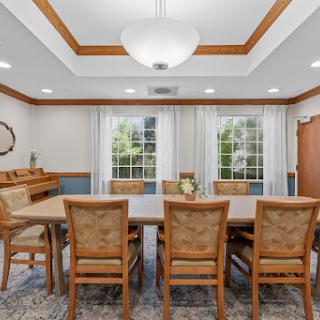
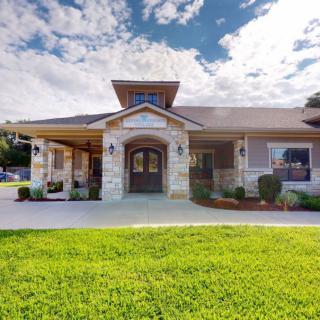
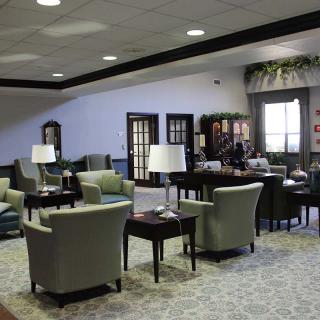
- The facility is clean, well-maintained, and has a warm, home-like atmosphere.
- The staff are praised for going above and beyond to care for residents with patience, kindness, and professionalism.
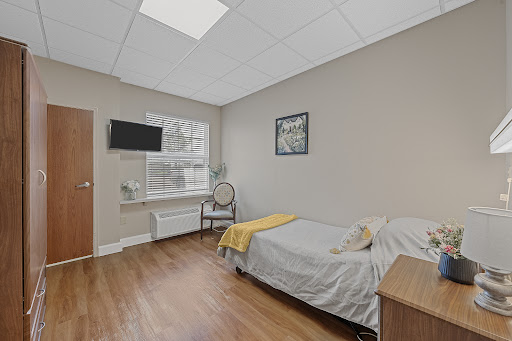
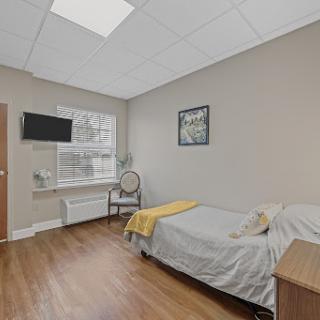
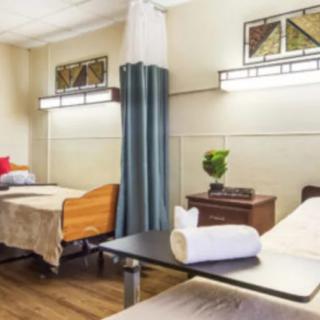
- Each resident has their own private room, which is highlighted as a standout feature.
- The sense of community is strong, with thoughtful and engaging activities, and residents are treated with respect and dignity.
- The staff provide excellent care, regularly checking on patients and addressing their needs with diligence.
- The rehab and therapy teams—speech pathologists, physical therapists, and other specialists—deliver outstanding support.
- The cuisine is excellent, and the overall value for money is considered excellent.
Cons
 They would not place their loved one in this nursing home.
- They state that a resident fell and it took staff three hours to respond.
- They report roaches and ants in the residents’ rooms.
- They allege abuse by multiple aides, with the state investigating.
- They express disappointment with staff who refuse to listen, are rude, and feel the facility has gone downhill with issues swept under the rug.
- They warn others not to use this facility, noting that immediate family cannot say goodbye to a dying loved one.
- They mention missing clothing and personal items, including concerns like bruises on a relative with dementia.
Review
Wesley Woods Health and Rehabilitation in Waco is best suited for families seeking a memory-care oriented environment with private rooms and for residents who need short- to moderate-term rehabilitation supported by hands-on clinical care. When operations run smoothly, the setting feels warm and home-like, with staff who demonstrate patience, dignity, and professional competence. The private-room model is a standout advantage, reducing roommate disruptions and enhancing personal autonomy for dementia patients who value their own space. For families, this combination often translates into calmer transitions, clearer daily routines, and a sense of ongoing safety. Still, performance appears uneven across shifts and leadership, making stability in staffing and administration a decisive factor in overall quality.
Those who require consistently rapid, respectful, and transparent communication should consider alternatives. Several reviews flag serious red flags: allegations of abuse by aides with investigations pending, multiple reports of unexplained bruises, and families who felt overwhelmed by a lack of accountability. Additional concerns cite rude or dismissive staff, meal delays, and food quality that leaves residents underfed or disengaged. Hygiene and pest issues surface in some accounts, accompanied by worries about weight loss and inadequate handling of medications or changes in health. Compounding the risk are anecdotes about families being denied access to loved ones at critical moments and inconsistent explanations about the availability of memory-care services. For safety, trust, and reliable responsiveness, these factors push families to compare options carefully.
Yet the strong positives cannot be dismissed when the operation is well-staffed and well-led. Reviews repeatedly highlight caring department heads and nursing teams who treat residents with genuine kindness, accompanied by a professional clinical posture. The facility’s cleanliness, a pleasant odor, and a home-like atmosphere are consistently noted, along with meaningful social and therapeutic activities that give residents something to look forward to. In memory care specifically, many families praise the presence of programs and staff who stay engaged with residents, helping to prevent isolation. Rehab remains a clear strength in several accounts, with therapists delivering attentive, goal-oriented care and a demonstrated commitment to helping patients regain function. When these elements align, the value proposition, especially on private rooms and individualized attention, can be compelling.
The most consequential judgments hinge on safety, consistency, and the day-to-day reality of care. The captured contradictions between glowing testimonials and serious cautions require a disciplined decision process: one must verify current staffing levels, understand turnover, and request specifics about incident reporting and how any concerns are escalated. Prospective buyers should tour with a careful eye for hygiene, meal service punctuality, and how aides interact with residents during routine care. It is essential to review recent state inspection outcomes, seek candid conversations with front-line staff, and hear from multiple families about ongoing communication and respect. Clarify whether memory-care services are guaranteed, and confirm if single-occupancy private rooms are consistently available for residents who need them.
In sum, Wesley Woods can be an excellent fit for a resident who needs memory-care support, private accommodations, and robust rehab services, provided that staffing stability and safety assurances are verifiably solid. When those elements hold, families often find a responsive, compassionate team, a clean and inviting environment, and a practical price point that makes ongoing care feasible. However, the facility is not a universal remedy: the most important decision hinges on whether risk factors, possible neglect, inconsistent response times, or management gaps, are tolerable or negotiable. For households unwilling to compromise on daily accountability, surrounding facilities with demonstrated, barrier-free safety records and steadier staffing should be actively considered. A disciplined, in-person due diligence process will reveal which path preserves dignity, safety, and peace of mind for the loved one.
 120 resident community capacity
 Skilled Nursing Facility
 Air-conditioning
 Beauty salon
 Cable or satellite TV
 Computer center
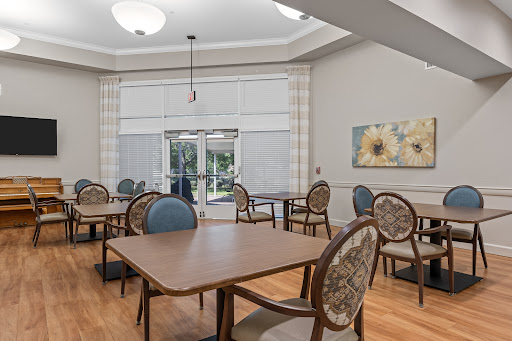
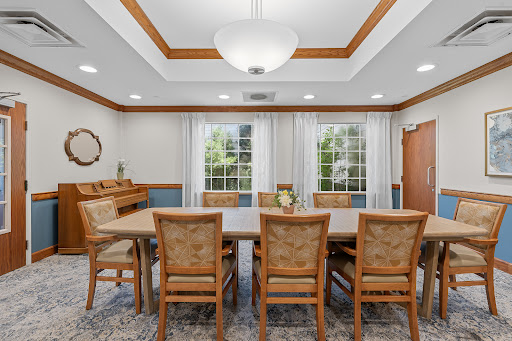
 Dining room
 Fitness room
 Fully furnished
 Gaming room
 Garden
 Housekeeping services
 Kitchenette
 Move-in coordination
 Outdoor space
 Private bathrooms
 Restaurant-style dining
 Small library
 Telephone
 Wellness center
 Wi-Fi/high-speed internet available
 Waco Regional (9 miles away)
 Community operated transportation
 12-16 hour nursing
 24-hour call system
 Activities of daily living assistance
 Assistance with bathing
 Assistance with dressing
 Assistance with transfers
 Diabetes diet
 High acuity care
 Medication management
 Mental wellness program
 Special dietary restrictions
 Concierge services
 Planned day trips



 Home Health Care Aides: Understanding Their Role and Supporting Your Family
 Urinary Tract Infections in Older Adults: Comprehensive Insights on Symptoms, Treatment, and Prevention
 California's Form 602A: An In-Depth Examination of Senior Care Assessment