Pinecrest Nursing & Rehabilitation Center in Tyler, TX
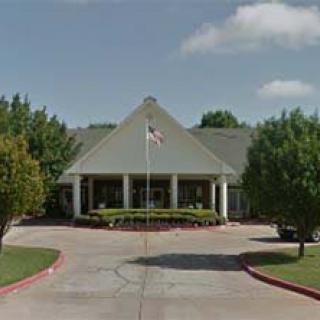
Pinecrest Nursing & Rehabilitation Center is a nursing home community in Tyler, TX.
Information last verified:
3505 Old Jacksonville Road, Tyler, TX 75701
For more information about senior living options: (866) 208-4318
4 from 45 reviews
5 stars
32
4 stars
1
3 stars
1
2 stars
0
1 stars
11
Overall Review of Pinecrest Nursing & Rehabilitation Center
caveat4 reviews mention this
Facility condition draws mixed reactions
Several reviewers describe the facility as unclean or visibly outdated.
Some reviewers say they noticed strong cleanliness or upkeep problems during their visit, including flies and odors, and describe rooms or shared areas as worn down. Another reviewer describes an outdated look, an unsettling outdoor area, and a lack of engagement in the common spaces they saw. A separate review also mentions unmet expectations around basic room setup, including medication access and shower availability.
common22 reviews mention this
Staff friendliness comes through
Many reviews highlight friendly, helpful staff interactions.
Across many reviews, residents and families describe staff as welcoming and helpful when they visit or call. Several mention specific moments—like the front desk being kind and the nursing aids doing a good job—while others say staff are always available to talk. A minority of reviews push back, describing staff as unresponsive, overworked, or not following through as expected.
common3 reviews mention this
Care updates and oversight
Reviewers describe communication about changes and ongoing care.
Some families say they receive clear updates during their loved one’s stay, including reporting changes and being able to talk through concerns. Another review describes staff making it possible to see the resident each morning, which the family appreciated during a difficult period. On the negative side, a few reviewers describe medication being delayed or not provided, which undercuts the overall consistency of care they expected.
common4 reviews mention this
Food is often praised
Food quality is a recurring point of praise in reviews.
Multiple reviewers say the food was good or enjoyable during their visits. One reviewer also calls out the dining experience as part of a positive visit, and another says a friend commented positively on the food. A tour-focused review did not describe the dining space positively, saying it felt inactive and uninviting when they stopped by.
common4 reviews mention this
Activities help pass the time
Residents are described as enjoying the scheduled activities provided.
Several reviews mention activities as a meaningful part of the stay, including enjoying what is offered while there. One reviewer specifically notes a strong sense of engagement and enjoyment through activities. Another tour visit raised questions about social offerings and what was actually available in common spaces, describing limited options they saw.
caveat3 reviews mention this
Medication follow-through is a concern
Some reviewers report problems with medication delivery and orders.
A few reviewers describe situations where medications were not provided as expected, including being unable to get prescribed medication in a timely way. One respite-related review also says staff did not follow doctors’ orders regarding comfort needs. Another negative review similarly mentions missing medication, which adds to concerns about reliability for medication support.
How we summarize
Counts show how many written reviews mention each theme; a review can touch several themes, and only frequently mentioned themes are displayed.
Features
Housing
60 resident community capacity
Types of Care
Skilled Nursing Facility
Amenities
Air-conditioning
Beauty salon
Cable or satellite TV
Computer center
Dining room
Fitness room
Fully furnished
Gaming room
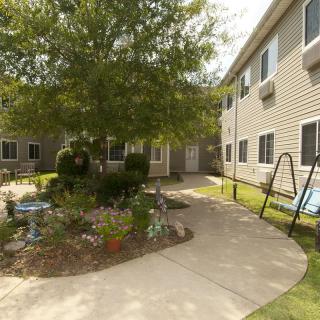
Garden
Housekeeping services
Kitchenette
Move-in coordination
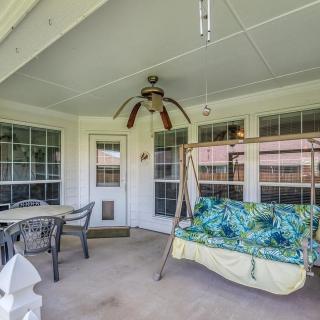
Outdoor space
Private bathrooms
Restaurant-style dining
Small library
Telephone
Wellness center
Wi-Fi/high-speed internet available
Transportation
Tyler Pounds (6 miles away)
Community operated transportation
Transportation arrangement
Transportation arrangement (non-medical)
Transportation to doctors appointments
Care Services
12-16 hour nursing
24-hour call system
24-hour supervision
Activities of daily living assistance
Assistance with bathing
Assistance with dressing
Assistance with transfers
Diabetes diet
Meal preparation and service
Medication management
Mental wellness program
Special dietary restrictions
Dining
Diabetes diet
Special dietary restrictions
Activities
Community-sponsored activities
Concierge services
Fitness programs
Planned day trips
Resident-run activities
Scheduled daily activities
Nearby Places of Interest
Places of Worship
Tyler Christian Fellowship (0.1 miles)
Congregation Beth El (0.8 miles)
Green Acres Baptist Church (2.3 miles)
College Hill Baptist Church (2.3 miles)
Calvary Baptist Church (2.6 miles)
Cathedral of the Immaculate Conception (2.6 miles)
Restaurants
The Grove Kitchen & Gardens (0.1 miles)
Kawa's Hibachi Grill & Lounge (0.7 miles)
Yamato Hibachi & Sushi Bar (0.7 miles)
Mercado's (0.7 miles)
Chuck E. Cheese's (0.8 miles)
Tiba Grill (1.1 miles)
McAlister's Deli (1.1 miles)
Pharmacies
Kinsey's Pharmacy (0.6 miles)
Walmart Pharmacy (1.2 miles)
Brookshire Food & Pharmacy (1.5 miles)
Brookshire's (1.5 miles)
CVS Pharmacy (1.6 miles)
Walgreens (1.7 miles)
Smart Rx Pharmacy (1.8 miles)
Physicians
Audiology Associates of East Texas (0.8 miles)
Health At Work (0.8 miles)
Dermatology Associates of Tyler (0.9 miles)
Drug & Alcohol Testing Compliance Services (1 miles)
Dr Hope Short, MD (1.1 miles)
Precision Spine Care (1.2 miles)
MRI Central Tyler (1.5 miles)
Transportation
Hertz Rent A Car (1.2 miles)
Cafes
Starbucks (1.5 miles)
Ming's Cafe (1.9 miles)
Panera Bread (1.9 miles)
Coffee City USA (2.3 miles)
HTeaO (2.5 miles)
Theaters
Times Square Movie Theater (1.5 miles)
Hospitals
Dialysis Access Center Of Tyler (2.3 miles)
Fresenius USA (2.3 miles)
Christus Trinity Mother Frances Rehabilitation Hospital, a partner of Encompass Health (2.5 miles)
East Texas Medical Center Regional Healthcare System (2.6 miles)
East Texas Medical Center Specialty Hospital (2.6 miles)
Caregiving for an aging parent entails emotional and financial responsibilities accompanied by significant tax implications, including potential benefits from claiming them as dependents and deductions for medical expenses and caregiving costs. Caregivers must understand eligibility requirements, maintain thorough documentation, and consider consulting a tax professional to navigate these complexities effectively.
Low-impact exercises are vital for seniors as they promote health, independence, and social interaction while reducing joint strain. These adaptable activities, guided by healthcare professionals, enhance strength, flexibility, and emotional well-being.
The guide details the tax deductibility of in-home healthcare expenses according to IRS guidelines, differentiating between medically necessary services and non-medical assistance, while emphasizing the need for proper documentation and itemization requirements. It also highlights state-level variations, the importance of record-keeping, and encourages seeking professional tax help to understand evolving regulations.
Get PricingAsk A QuestionSchedule A TourContact Senior Advisor
By clicking submit, you agree to our Partner's Terms of Use. You
also consent to receive calls and texts, which may be autodialed, from our Partner. Your consent is not a condition to
using our Partner's service. Please visit our Partner's Privacy Policy for information about their privacy practices.

 60 resident community capacity
 Skilled Nursing Facility
 Air-conditioning
 Beauty salon
 Cable or satellite TV
 Computer center
 Dining room
 Fitness room
 Fully furnished
 Gaming room
 Garden
 Housekeeping services
 Kitchenette
 Move-in coordination
 Outdoor space
 Private bathrooms
 Restaurant-style dining
 Small library
 Telephone
 Wellness center
 Wi-Fi/high-speed internet available
 Tyler Pounds (6 miles away)
 Community operated transportation
 12-16 hour nursing
 24-hour call system
 Activities of daily living assistance
 Assistance with bathing
 Assistance with dressing
 Assistance with transfers
 Diabetes diet
 Medication management
 Mental wellness program
 Special dietary restrictions
 Concierge services
 Planned day trips
 Strong sense of community with attentive staff and engaging activities.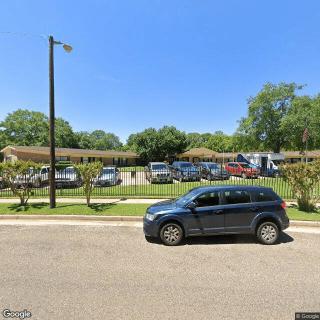

 Navigating the Tax Landscape of Caregiving: Credits, Deductions, and Beyond
 Highly Beneficial Low-Impact Exercises for Senior Living Residents
 Is In-Home Healthcare Tax Deductible? Your Comprehensive Guide