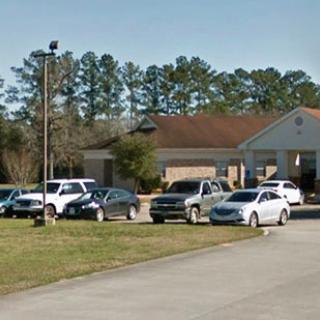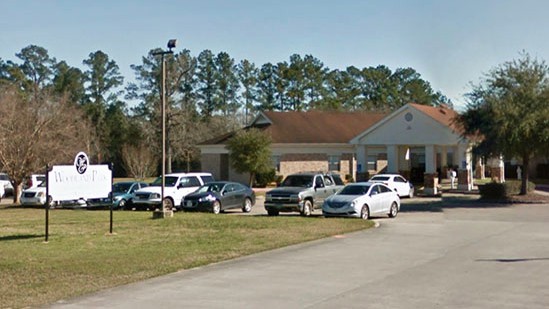
101 Woodland Park Drive, Shepherd, TX 77371
For more information about senior living options: (866) 208-4318
Overall Review of Shepherd Long Term Care Partners
Pros
 The management, staff, and nurses were phenomenal.
- The daily routine and interactions gave residents a second wind and lifted their spirits.
- They kept families updated and were always happy to see them.
- The staff were friendly, caring, and contributed to a clean, bright, loving atmosphere.
- The place is full of love, and staff treat residents like family.
- Angie is dedicated, knowledgeable about Medicaid, and goes to bat for her patients.
- Arts and crafts, celebrations, and social activities help residents feel valued and engaged.
- The staff were gentle, kind, and ensured residents felt supported during difficult times.
- The facility is described as a place of compassion, care, and respect.
Cons
 Place is a dump; do not put your loved ones in there.
- Angie is a backstabber; she will be nice to you then tell your loved ones not to trust your family.
- The nursing home will stop all family members from visiting loved ones.
- They did not contact any family member whatsoever after their loved one’s death.
- They do not care about your loved ones; they just want to keep the rooms full and make money.
- The staff do need more help.
- More staff would mean less pay for current employees who already work so hard for their wages.
Review
Shepherd Long Term Care Partners is best suited for families seeking a warm, home-like environment where staff form real connections with residents, and where navigating Medicaid and daily life needs is a named strength. This community shines for residents who thrive on social engagement, structured activities, and a sense of being cared for as part of a cohesive, family-like team. It can be an excellent match for families that prioritize daily interactions, personal attention, and a culture of warmth, especially when a loved one benefits from active social programming. Distance from home matters here, since some families weighed location heavily in their decision, yet the quality of daily life inside can still win appreciation from those who can make visits work.
On the upside, the most consistently praised aspect is the staff's humanity. The care teams, management, and nurses are repeatedly described as compassionate, attentive, and deeply invested in residents’ well-being. Families report frequent updates and an openness to sharing news, with staff who treat residents like family and who bring a personal touch to ordinary days, whether it’s keeping mom or dad smiling, or coordinating routine activities that give seniors a sense of purpose. The environment is described as clean, bright, and welcoming, with meaningful programs, arts and crafts, celebrations, and regular outings, that underscore a philosophy of living rather than merely aging in place. The Medicaid navigation and advocacy offered by leaders like Angie are singled out as essential, turning a daunting process into workable care planning for many families. When the team shines, the care feels seamless, and the emotional burden on families drops noticeably.
Yet the narrative is not one-note. Several reviews raise serious safety and communication concerns that cannot be dismissed. A critical incident involving a resident who fell after limited assistance, producing a hip fracture, later skull injury, and a lack of timely family notification, creates a jarring counterpoint to the otherwise loving portrayal. Even more troubling are claims that in some cases family members were not alerted promptly and that discrepancies in care or oversight occurred after serious events. A subset of reviewers allege manipulation or evasive communication from a specific office staffer, painting a picture of trust issues that would understandably sharpen a family’s risk calculus. Taken together, these incidents highlight real dangers that require diligent verification and ongoing oversight before committing a loved one to this setting.
The pros can offset the cons only to a point. When the staff consistently demonstrates warmth, clarity, and personal attention, the positives can outweigh emotional concerns and provide a stable, comforting daily life. The sense of community, the way staff become like extended family, the frequent family updates, and the active social calendar, can significantly improve a resident’s happiness and reduce caregiver strain for relatives. However, safety lapses or opaque communication can erode trust quickly, making it essential for families to demand concrete assurances: explicit fall-prevention plans, timely incident reporting, and a transparent pathway for family involvement in care decisions. In that balance, the strongest defense is proactive, documented communication and a demonstrated commitment to resident safety as much as to resident joy.
For families evaluating alternatives, this community makes sense if the priority is a nurturing, socially rich environment and a facility with proven Medicaid know-how, provided there is confidence in safety practices and transparency. If a loved one requires near-constant supervision, predictable staffing, or unambiguous, rapid notification of any incident, the risk profile here may push families to look elsewhere. The distance to home and the potential for variability in day-to-day staffing are practical considerations that can tip decisions toward other options, especially for those who value consistent week-to-week reliability over occasional, high-touch moments of connection. In short, strong relational care and Medicaid savvy are a real asset here, but safety reliability and open communication must be verified before acceptance.
The final call should hinge on due diligence. Prospective families are advised to arrange a thorough tour and to speak candidly with current residents and families about their experiences outside the glossy moments. Probe for concrete staffing ratios, incident-response timelines, and the facility’s exact process for family notification after any fall or medical event. Request to review a resident care plan, daily activity schedules, and the mechanism for ongoing family engagement. Ask about how often staff are scheduled per shift, and what steps the leadership takes to prevent burnout and maintain consistent care. If the responses feel genuine, specific, and reassuring, Shepherd Long Term Care Partners can deliver a compassionate, livable environment that feels like home. If not, alternatives that emphasize unwavering safety protocols and transparent communication may better fit the family’s non-negotiables.
 100 resident community capacity
 Skilled Nursing Facility
 Air-conditioning
 Beauty salon
 Cable or satellite TV
 Computer center
 Dining room
 Fitness room
 Fully furnished
 Gaming room
 Garden
 Housekeeping services
 Kitchenette
 Laundry
 Move-in coordination
 Outdoor space
 Private bathrooms
 Restaurant-style dining
 Small library
 Telephone
 Wellness center
 Wi-Fi/high-speed internet available
 Community operated transportation
 12-16 hour nursing
 24-hour call system
 Activities of daily living assistance
 Assistance with bathing
 Assistance with dressing
 Assistance with transfers
 Diabetes diet
 Medication management
 Mental wellness program
 Special dietary restrictions
 Arts and crafts
 Concierge services
 Games
Games Planned day trips




 Nurturing Our Elders: Linda's Journey of Supporting Her Mother
 A Comprehensive Exploration of Common Misunderstandings about Powers of Attorney
 Senior Move Management: Understanding the Role, Value, and Associated Costs