
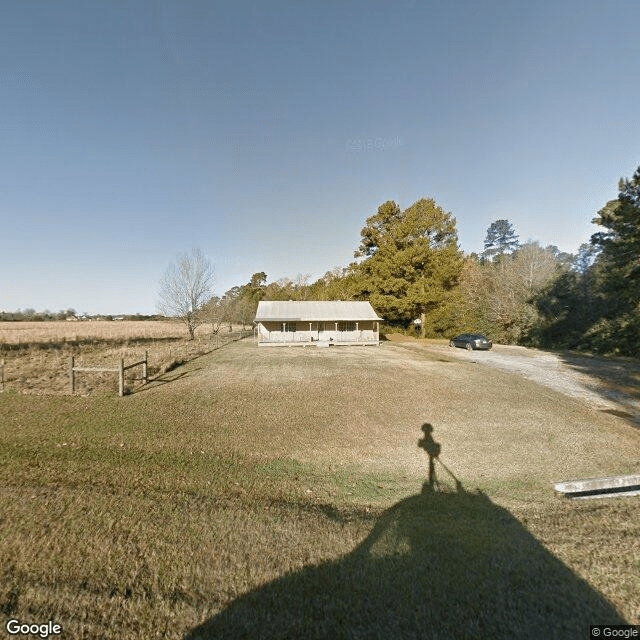
1437 South Fm 1988, Livingston, TX 77351
For more information about senior living options: (866) 208-4318
Tall Pines Assisted Living Costs & Pricing
Tall Pines Assisted Living offers competitive pricing for its residents, particularly when compared to the averages in Polk County and the broader state of Texas. For a semi-private room, Tall Pines charges $2,500 per month, which is slightly below the county average of $2,533 and significantly lower than Texas's average of $3,680. Meanwhile, for a private room, the cost at Tall Pines is set at $3,000 per month - again favorable compared to Polk County's average of $3,100 and well below the state average of $4,096. These rates not only reflect an attractive option for those seeking quality assisted living but also emphasize Tall Pines' commitment to providing affordable care without compromising on service or comfort.
| Floor plans | Tall Pines Assisted Living | Polk County | Texas |
|---|---|---|---|
| Semi-Private | $2,500 | $2,533 | $3,680 |
| Private | $3,000 | $3,100 | $4,096 |
Assisted Living communities with a similar price nearby
-
from -$100 / mo
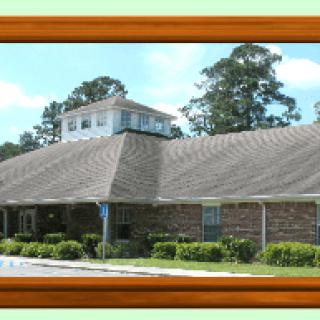
The Gardens at Livingston
$2,400 to $3,550 / month3.7 miles away -
from +$100 / mo
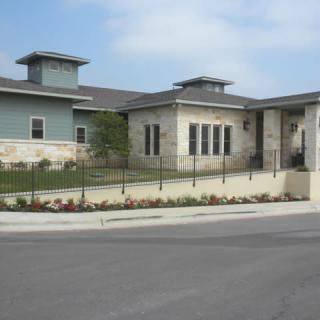
Provident Memory Care
$2,600 to $3,650 / month3.9 miles away
Overall Review of Tall Pines Assisted Living
Pros
 The owners and the staff are absolutely amazing.
- They treat guests like family.
- The uncle is very happy there, and everyone is very sweet to him.
- It is by far the best ALF the reviewer has seen.
- Tall Pines is wonderful and has a home-like atmosphere.
- The staff make the residents feel at home and comfortable.
- The owner is an RN and is on-site all the time.
- They provide transportation for residents anywhere they need to go at no additional cost.
Cons
 One reviewer suggested Tall Pines is only suitable for people who can no longer drive.
- Because the sister wandered off on a four-acre, unfenced property, the reviewer decided it wasn’t the best place for her.
Review
Tall Pines Assisted Living in Livingston, TX is best suited for seniors who no longer drive and crave a warm, home-like setting where care is intimate and leadership is highly visible. The community earns strong marks for personal warmth, with ownership and staff consistently described as caring and welcoming to residents and visitors alike. A standout feature is the presence of an RN owner who is on-site, providing visible medical oversight and a sense of clinical reliability within a small, familial environment. For families who want predictable transportation support, Tall Pines delivers: residents can get to appointments or runs around town at no additional cost, which relieves logistical stress and keeps independence alive for folks who still value autonomy.
Those considering alternatives should note that Tall Pines is not the best fit for residents who require high-intensity supervision or specialized memory-care programming. The most frequently cited caution relates to cases of dementia that progress to wandering or behaviors that demand constant watchfulness. In one family’s experience, a sister with dementia could not be kept safe on the four-acre property because it is unfenced; this highlights a key constraint: the setting works well for people who do not need to be watched every moment, but it may not satisfy families seeking secure environments for high-risk individuals. For families confronting advanced dementia or aggressive wandering, a more structured memory-care facility with secured grounds should be seriously considered.
On balance, the core pros, exceptional staff warmth, an owner-physician leadership presence, ethical operations, and a true home atmosphere, strongly offset most everyday concerns for residents who are relatively mobile and require assistance rather than constant supervision. The staff’s ability to make residents feel “like family” translates into meaningful daily comfort, reduced anxiety for families, and a sense of belonging that can substantially improve quality of life. The on-site RN leadership amplifies trust, particularly for those with ongoing but manageable medical needs, and the transportation program reduces the friction that often accompanies aging in place. For many families, these factors can prove decisive when evaluating options in a market that runs the gamut from clinically austere to aggressively homelike.
The living environment at Tall Pines also plays a practical role in decision-making. The four-acre footprint creates a generous, open feel and a sense of freedom that can be very appealing to residents who enjoy outdoor time and easy access to nature. Yet, the same open space becomes a liability for individuals who require constant supervision or have a high risk of wandering. This tension between comfort and safety is real, and it should guide families to align resident needs with the facility’s capabilities. Prospective residents should test long-range care plans with staff, specifically asking about supervision protocols, alert systems, and the facility’s approach to behavioral symptoms that accompany dementia.
In terms of who should steer away and look elsewhere, the clear answer is anyone prioritizing robust, high-security memory care. Families facing moderate to severe dementia, or those whose loved ones routinely wander beyond sight, will likely need a setting with secure perimeters and more intensive behavioral programming. Tall Pines excels as a caregiver-first community where relationships drive care and logistics are handled smoothly, but this strength does not substitute for a secured, medically structured memory-care environment. Those with moderate independence who occasionally require assistance will likely find Tall Pines a standout choice that aligns with their values and daily living needs.
Ultimately, Tall Pines Assisted Living represents a compelling blend of heartfelt care, practical conveniences, and a human-scale approach to seniors’ daily lives. It is a prudent choice for families seeking a non-institutional, reassuringly warm setting that can manage routine needs, coordinate transportation, and deliver steady, on-site medical oversight. The decision hinges on dementia stage and supervision needs: if a loved one is unlikely to require constant monitoring, Tall Pines delivers the strongest odds of sustained comfort, dignity, and happiness. If, instead, the priority centers on secured grounds and intensive memory-care capabilities, those considerations point toward alternatives better equipped to address high-risk wandering and advanced behavioral challenges.
 16 resident community capacity
 Assisted Living
 Board and Care Home
 Cats allowed
 Dogs allowed
 Activities off-site
 Cable or satellite TV
 Devotional services off-site
 Dining room
 Fully furnished
 Garden
 Housekeeping services
 Indoor common areas
 Move-in coordination
 Outdoor common areas
 Private
 Telephone
 Wheelchair accessible showers
 Wi-Fi/high-speed internet available
 24-hour supervision
 Assistance with bathing
 Assistance with dressing
 Assistance with transfers
 Diabetes diet
 Diabetic care
 High acuity care
 Incontinence care
 Meal preparation and service
 Medication management
 Special dietary restrictions
 Transportation arrangement (medical)
 Transportation to doctors appointments
 An Extensive Exploration of the VA Aid and Attendance Benefit
 Senior Transition Services: Understanding Their Role, Cost, and Importance
 Exploring the Path to Senior Living: A Comprehensive Look at Independent Living and Assisted Living