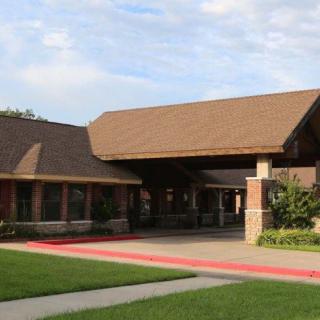
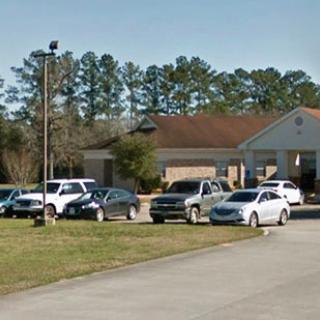
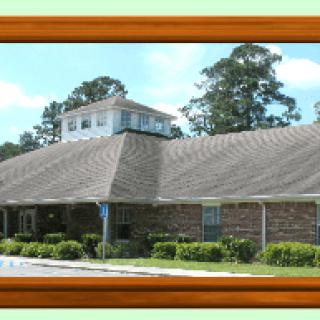
1860 N Washington Ave, Livingston, TX 77351
To contact a resident: (936) 329-0505
For more information about senior living options: (866) 208-4318
Country Place Senior Living of Livingston Costs & Pricing
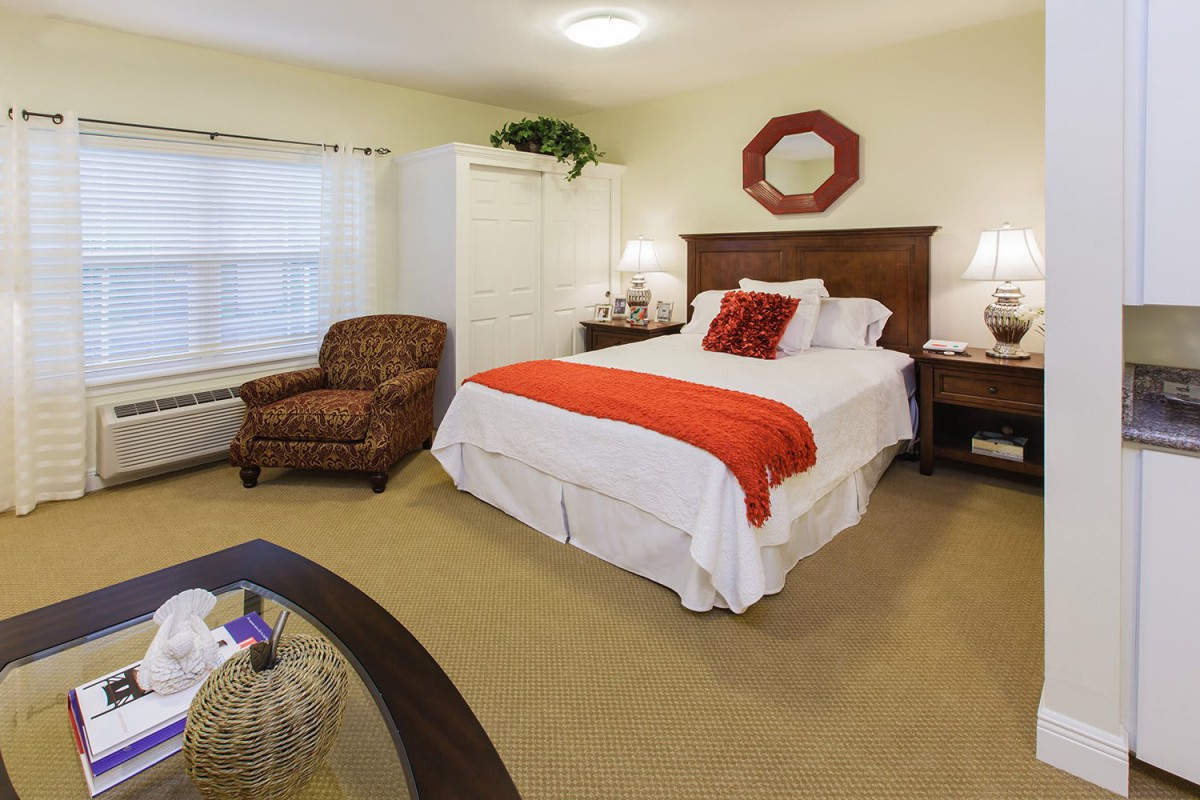
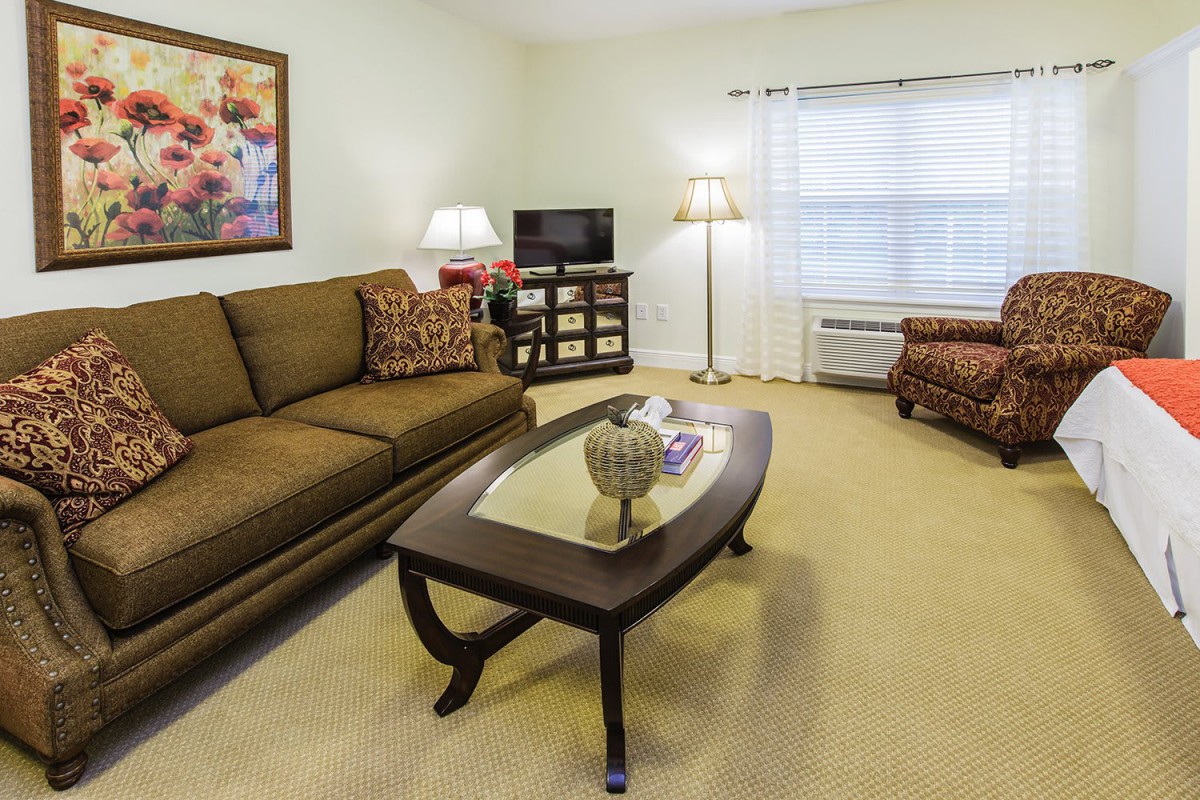
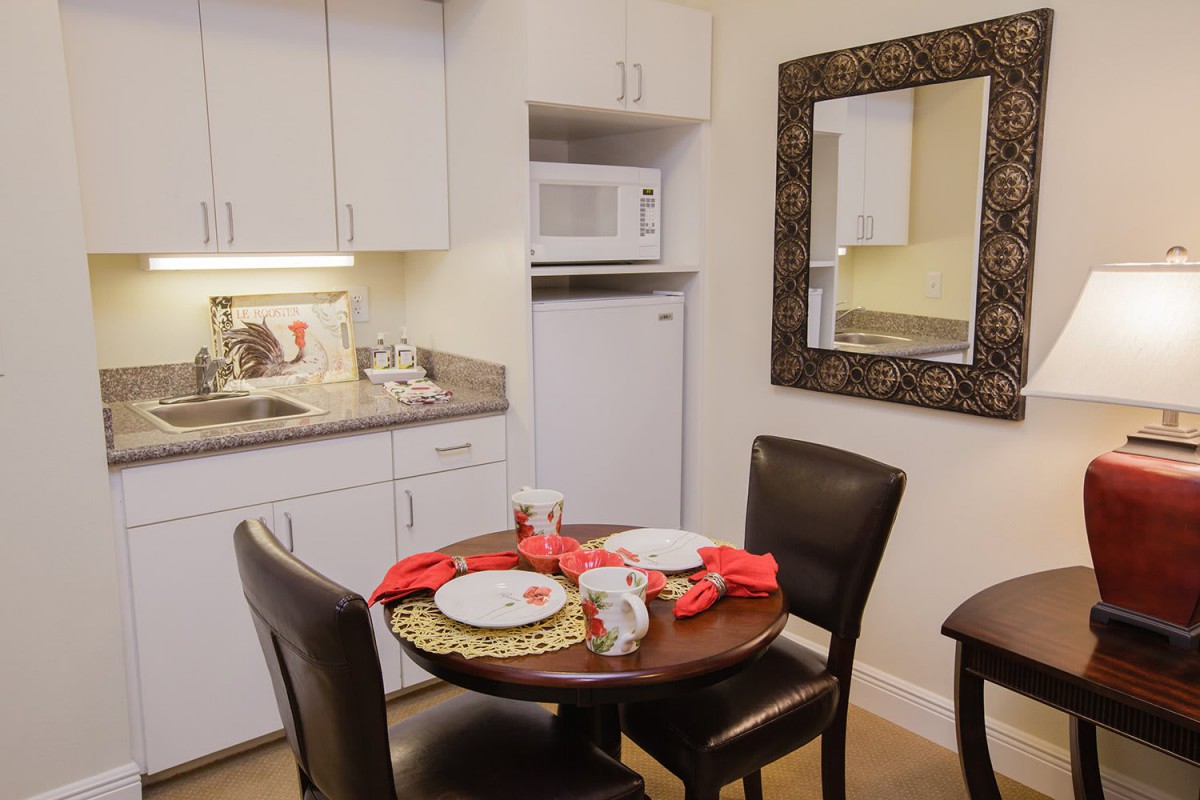
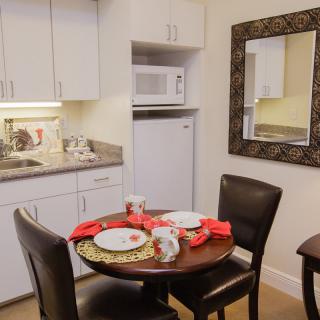
Country Place Senior Living of Livingston offers competitive pricing for its studio accommodations at $3,495 per month, which aligns perfectly with the average costs in Polk County. This pricing not only reflects a commitment to providing quality senior living options but also positions them favorably against the broader market in Texas, where similar studio apartments average around $3,758 per month. By maintaining this cost structure, Country Place Senior Living of Livingston ensures that residents receive exceptional value while enjoying a supportive community designed specifically for seniors.
| Floor plans | Country Place Senior Living of Livingston | Polk County | Texas |
|---|---|---|---|
| Studio | $3,495 | $3,495 | $3,758 |
Assisted Living communities with a similar price nearby
-
from -$595 / mo
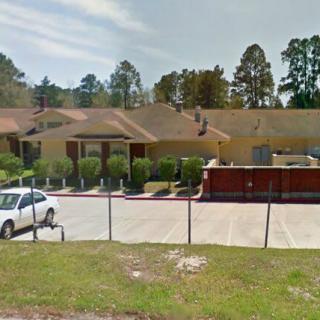
Orchard Assisted Living
$2,900 to $3,160 / month20.8 miles away
Overall Review of Country Place Senior Living of Livingston
Pros
 Country Place Senior Living Memory Care provides unmatched quality of care and value for money.
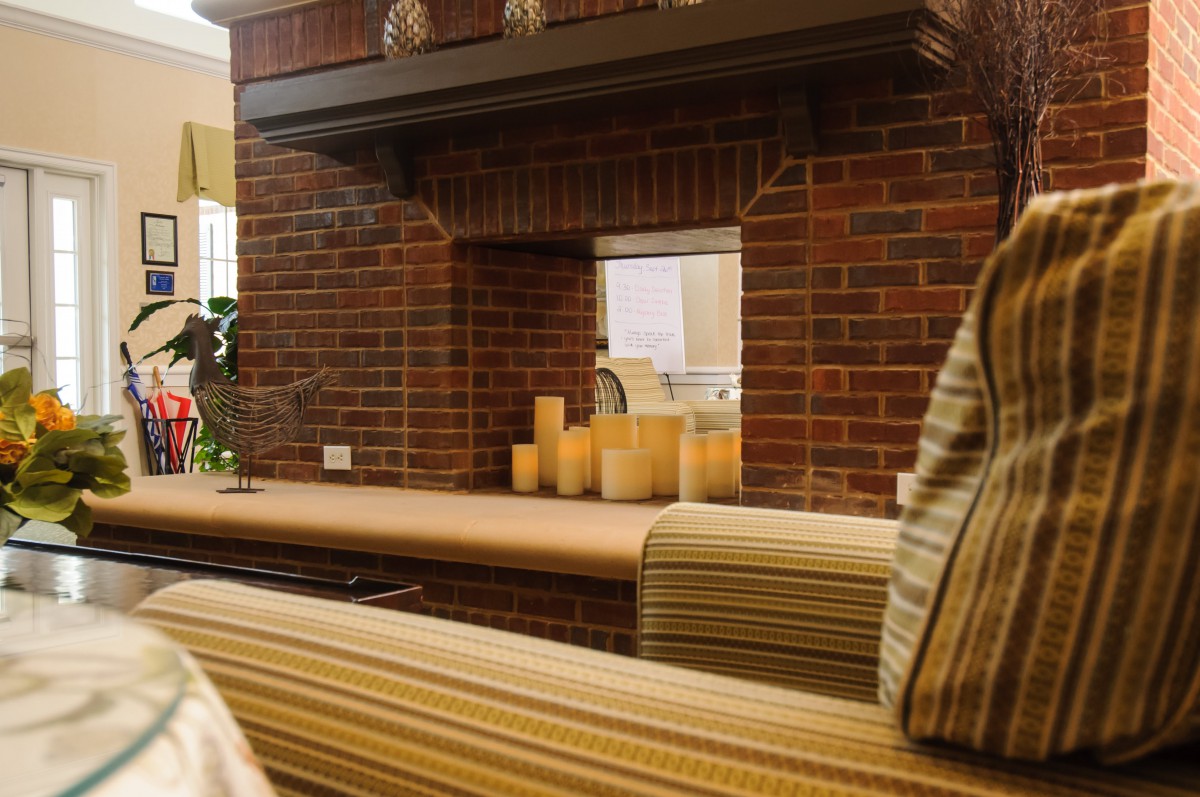
- The facility is clean, bright, and designed with dementia patients in mind, helping keep residents engaged.
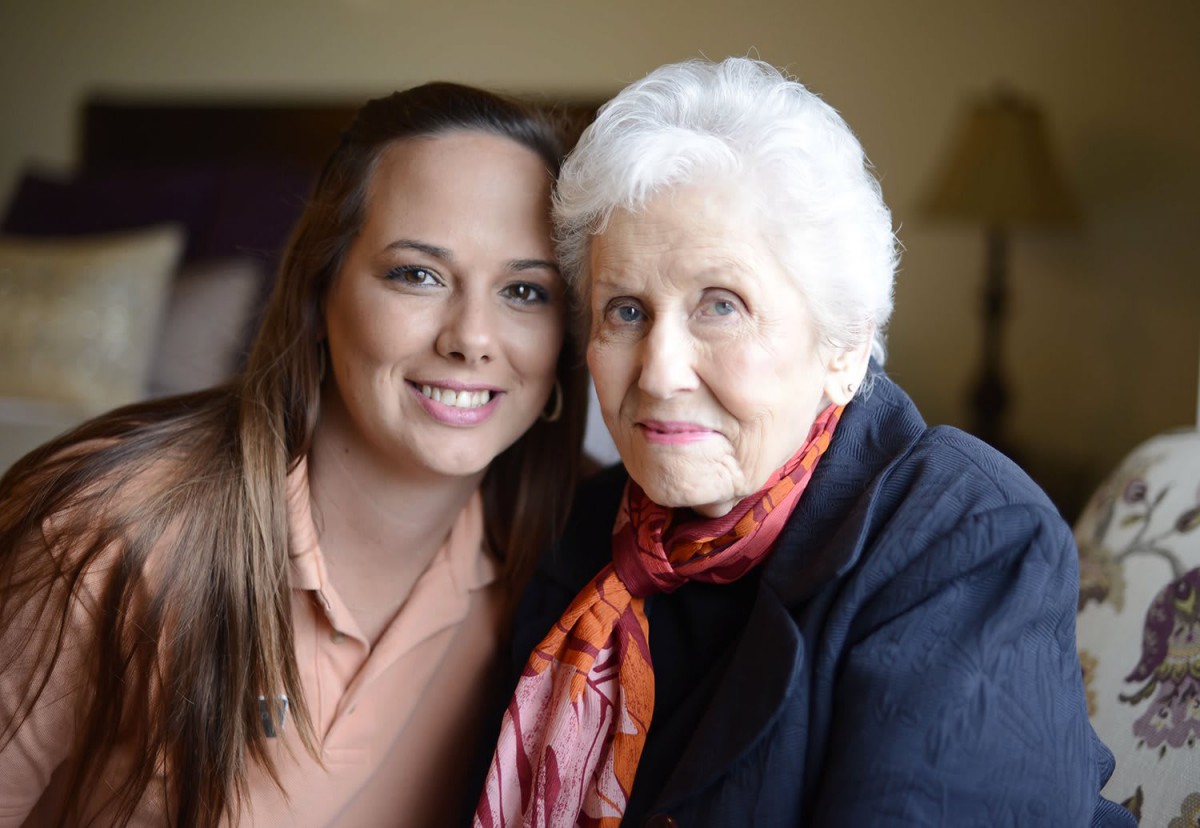
- The staff are truly caring and go above and beyond to meet residents’ needs.
- Ashley, the director, is hands-on, compassionate, and listens to families and residents.
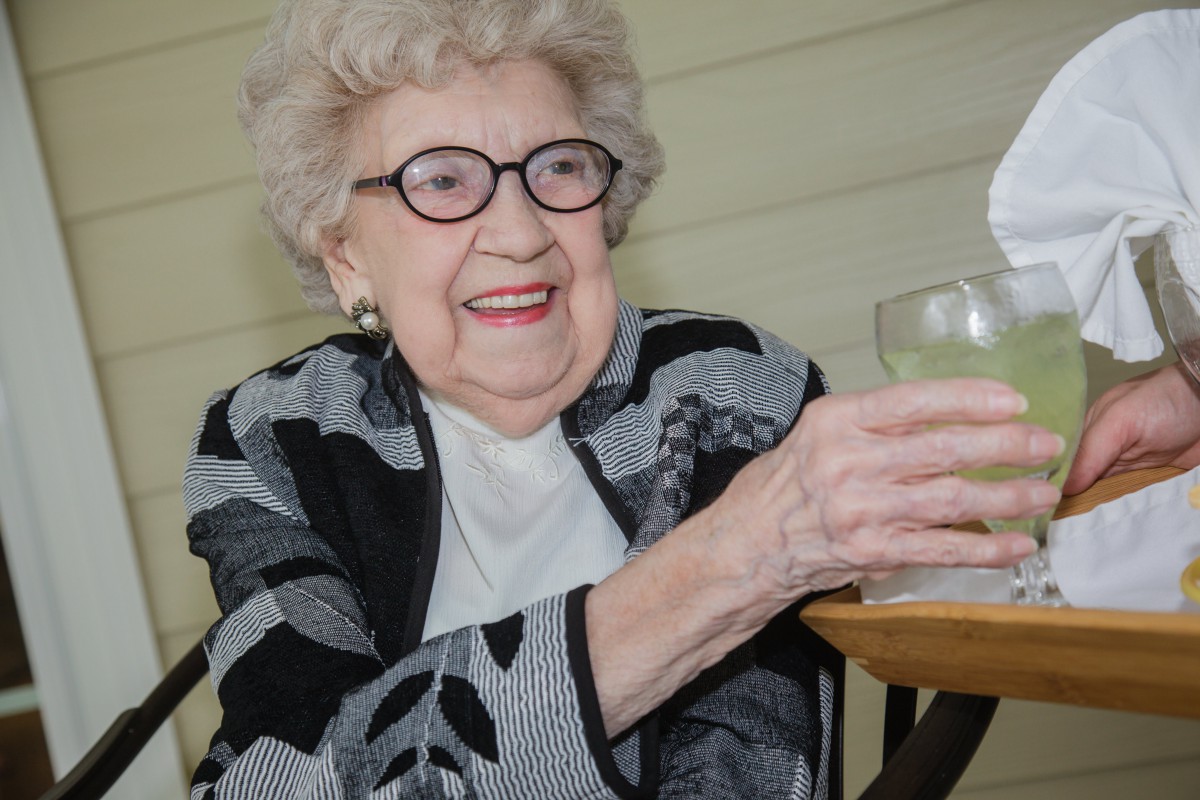
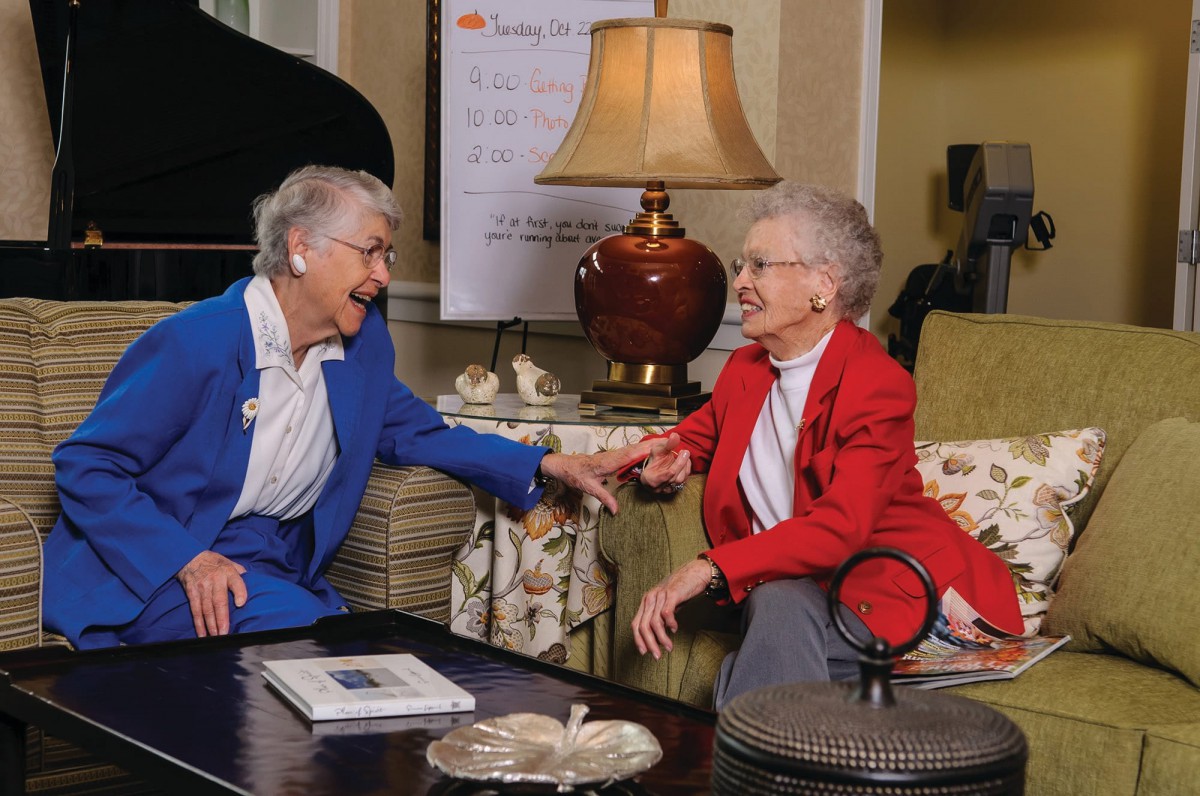
- The community is small and close-knit, where everyone knows everyone and genuinely cares.
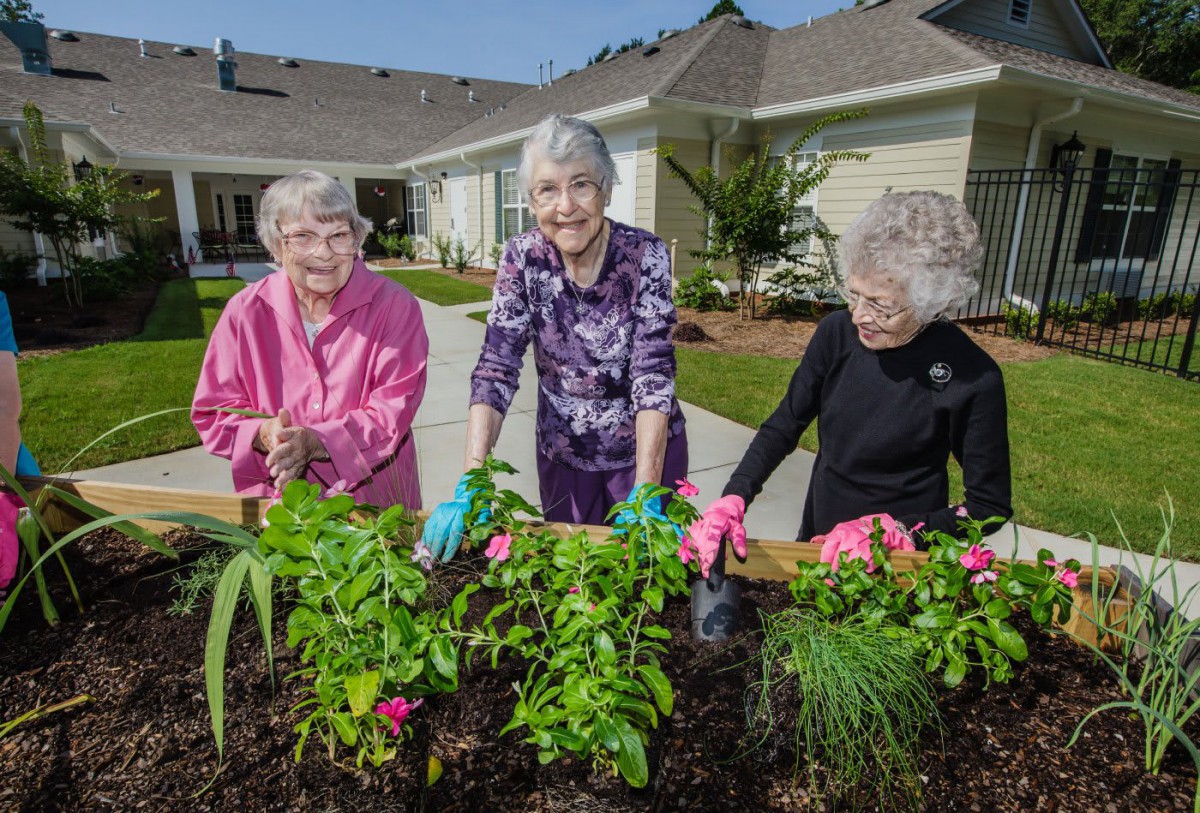
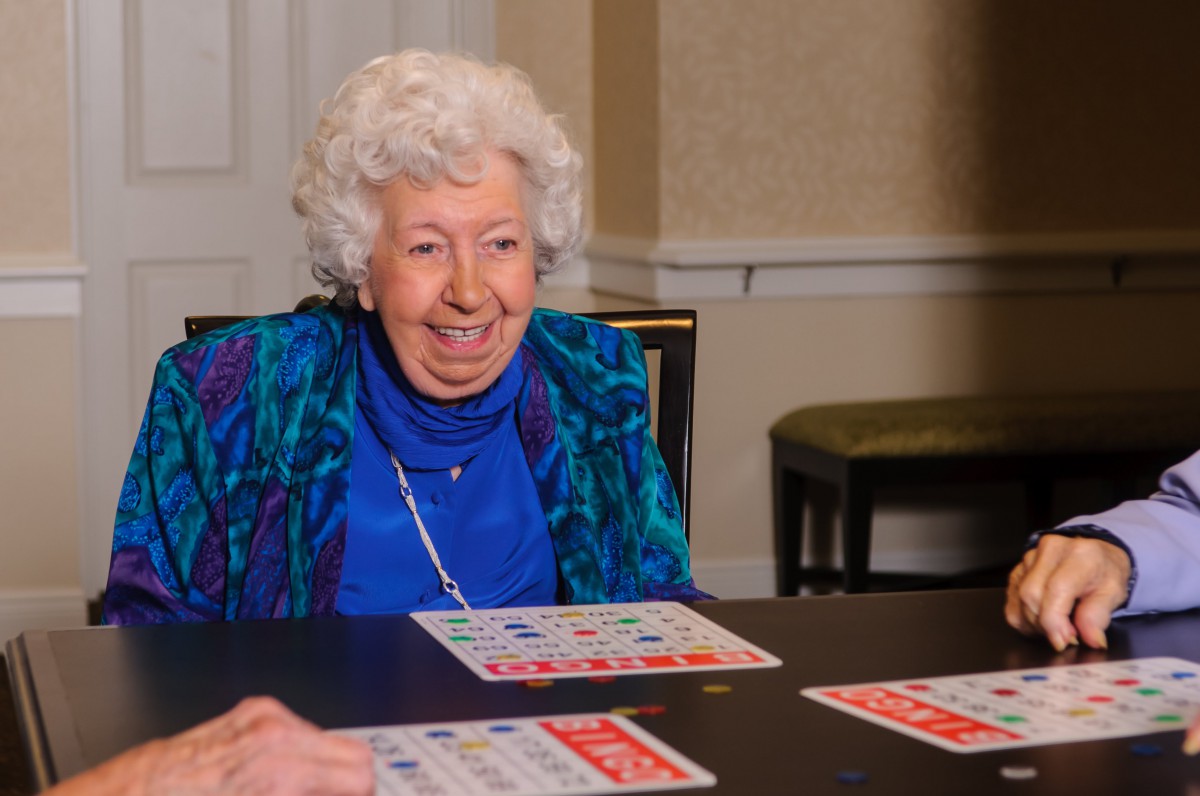
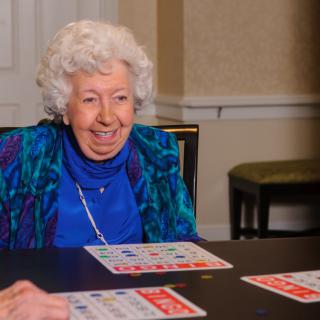
- Meals are good and residents stay engaged with a variety of activities and amenities.
- The environment feels like home, with a supportive corporate office that values each facility.
Cons
 Some staff members are described as there just to collect their paycheck and go home.
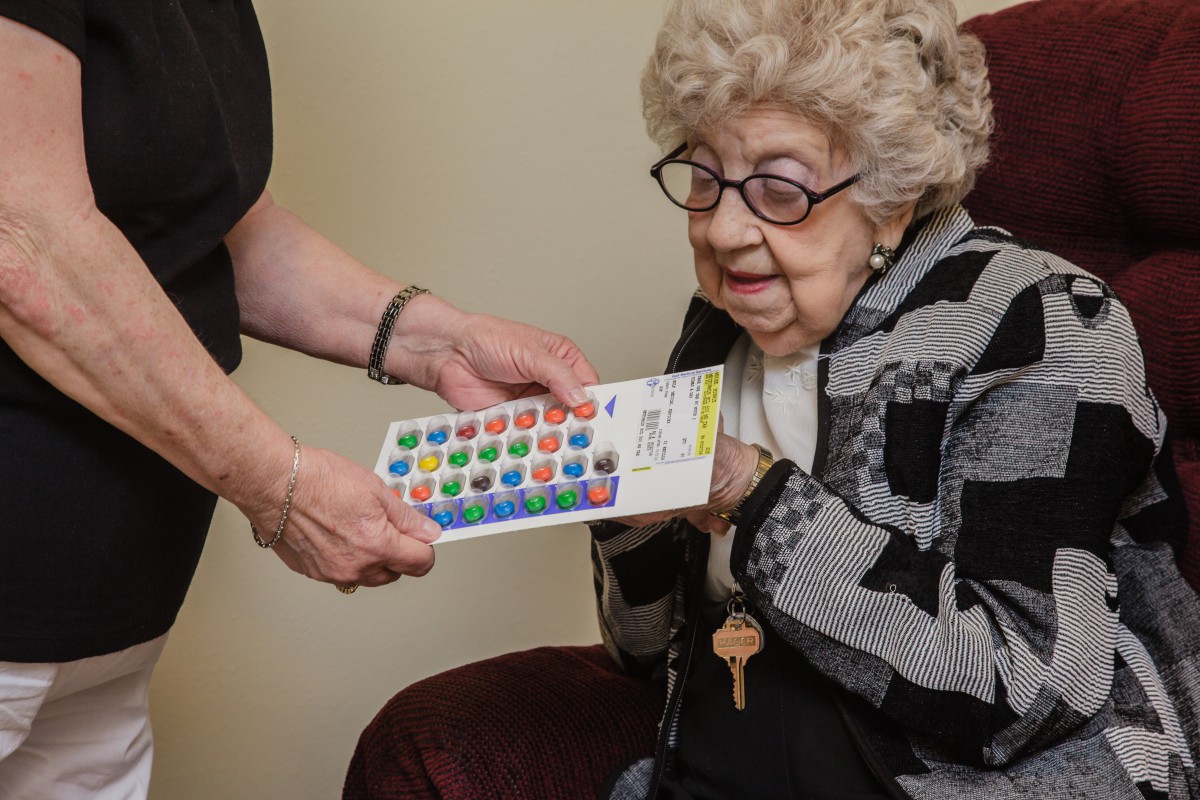
- There have been struggles with medication administration, including orders not reflected on labels and bedtimes being too early.
- The quality of meals has declined over the past several months.
- There seems to be little to no activities for residents in the memory care section.
- There is a perception that some staff prioritize numbers and marketing over genuine care.
- The reviewer notes that if a loved one cannot speak for themselves, the facility might not be recommended unless a private caregiver is hired.
Review
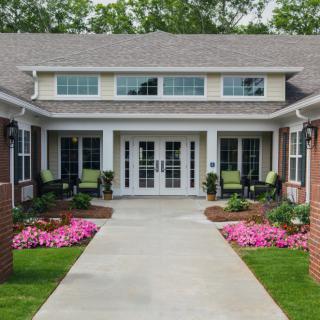
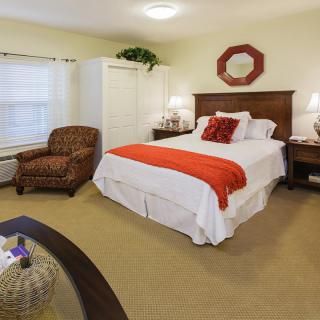
Country Place Senior Living of Livingston is best suited for families seeking a small, home-like memory care environment where staff form real relationships with residents and leadership is hands-on. This community excels for residents who thrive on personal attention, predictable routines, and meaningful daily engagement in a dementia-friendly setting. The setting is bright, intimate, and designed to keep memory-impaired residents connected to activities and people, rather than left idle. For families willing to work with a smaller operation and to value closeknit staff rather than a large corporate footprint, CPSL provides a compelling, ultimately comforting option.
Those who may want to consider alternatives include families with tighter cost constraints or those requiring highly standardized, hospital-like clinical oversight. Several reviewers flagmedication-management gaps and occasional misalignment between doctor orders and labels, along with instances of bedtime adjustments and a variable depth of knowledge about specific dementia needs. If 24/7 clinical precision, expansive memory-care programming, or a facility with broader specialty services is non-negotiable, it pays to compare options. Distance can be a factor too; while one reviewer chose to place a loved one an hour away for the care level, others may prefer closer proximity to family support if frequent visits are essential.
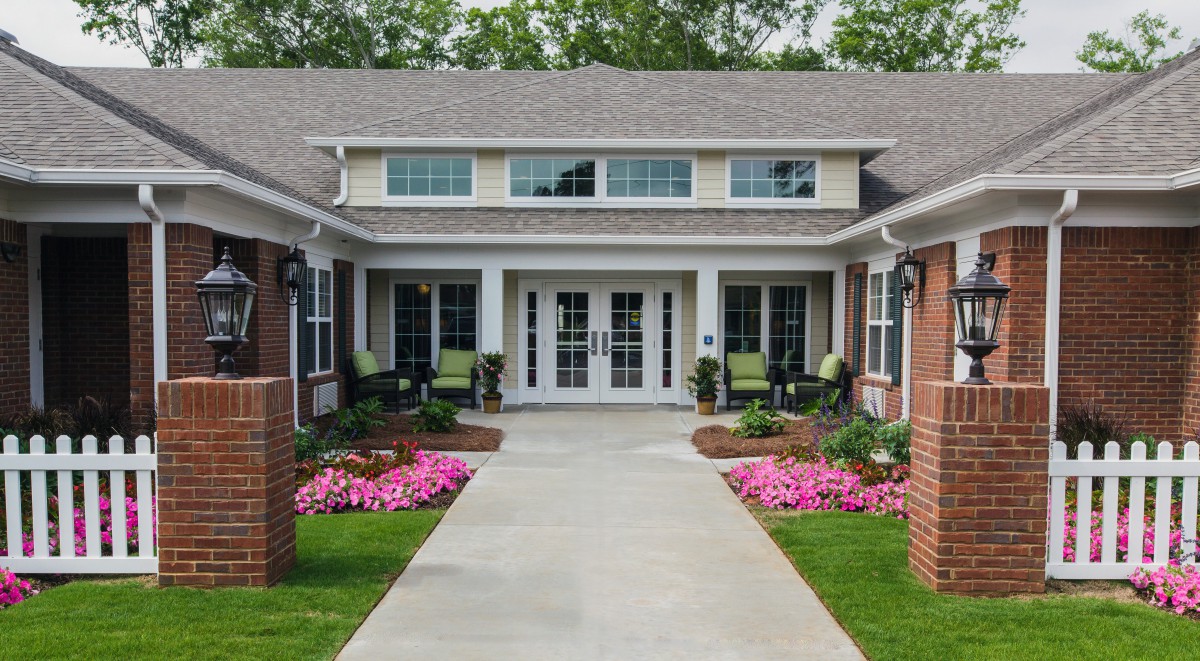
The strongest pros are concrete and meaningful: a small, close-knit environment where “everyone knows everyone,” hands-on leadership, and staff who genuinely express care through hugs and warm interactions. The leadership team, especially the director, is described as caring, responsive, and deeply involved in resident well-being, with a track record of addressing concerns and closing knowledge gaps. The facility itself is clean, well maintained, and bright, with a dementia-informed design that aims to keep residents engaged rather than listless. Families repeatedly highlight the quality of care, the engagement in activities, and the loving atmosphere that permeates daily life, all of which can offset the higher cost by delivering a sense of safety and belonging that’s hard to quantify.
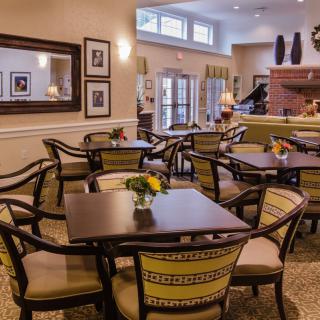
On the care-quality spectrum, notable caveats temper the positives. Medication administration has shown inconsistencies, and some staff knowledge gaps on dementia specifics have been acknowledged by leadership and subsequently addressed. The dining program, while praised for initial home-style meals, is described by at least one reviewer as having shifted toward more convenience-focused menus over time, and some memory-care activities are not as visible to every visitor. Yet the responsive leadership and the emphasis on a calm, supportive environment often mitigate these drawbacks; the guarantee of attentive nighttime checks, visible staff presence, and ongoing efforts to refine processes matter in practical, day-to-day terms for families weighing the personal risk/benefit equation.
For families making a decision, CPSL presents a clear value proposition if the priority is intimate, resident-centered care in a well-kept, pleasant setting with a strong emphasis on love and connection. Pros offset cons when the care team is actively listening, staffing remains stable, and management demonstrates accountability, traits repeatedly credited by families. Pros also align with a dementia-conscious design and a calendar of activities that keeps residents engaged rather than sidelined. The cost question remains, but several reviewers note cooperative problem-solving with families and external funding options, which can make the investment more sustainable. The result is a facility that delivers warmth, reliability, and genuine regard for residents, with the caveat that financial planning and continuous care oversight should be part of the upfront conversation.
In the end, Country Place Senior Living of Livingston is a strong recommendation for families prioritizing a small, hands-on memory-care environment where staff know residents well and leadership is visibly engaged. It is a particularly good fit for those who value warmth, personal attention, and a cheerful, dementia-friendly milieu, and who can navigate occasional medication-planning quirks and evolving menus with the support of an active management team. Those prioritizing aggressive price performance, highly structured memory-care programming, or ultra-precise clinical oversight may want to explore closer alternatives or facilities with a larger clinical footprint. The right fit hinges on aligning care expectations with the proven strengths of a small, compassionate operation that treats residents like family.
 1-bedroom apartments
 Assisted Living
 Cats allowed
 Dogs allowed
 Activities on-site
 Air-conditioning
 Cable or satellite TV
 Devotional services off-site
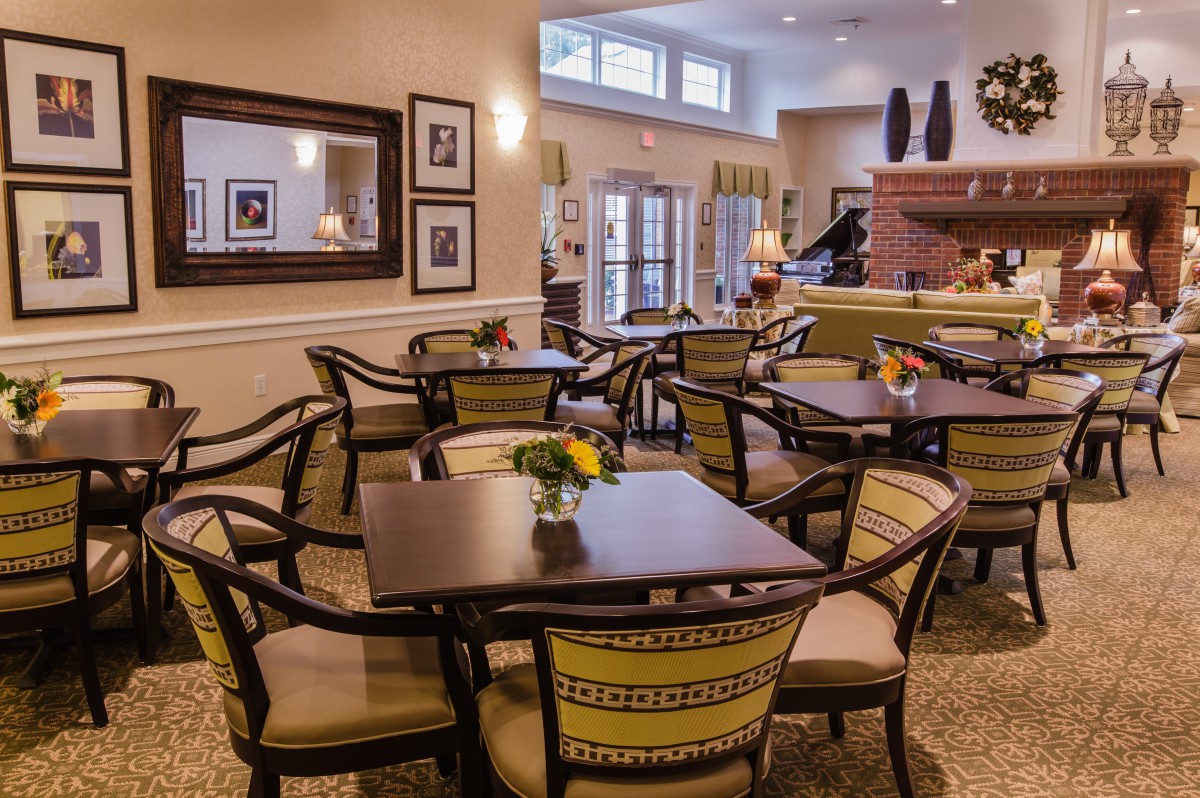
 Dining room
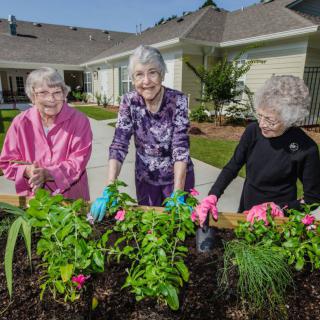
 Garden
 Ground floor units
 Guest parking
 Handicap accessible
 Housekeeping services
 Indoor common areas
 Kitchenette
 Laundry
 Outdoor common areas
 Party space
 Private bathrooms
 Respite or short term stays offered
 Spa
Spa Wheelchair accessible showers
 Wi-Fi/high-speed internet available
 Ambulatory care
 Diabetic care
 Medication management
 Guest meals
 Special dietary restrictions
 Arts and crafts
 BBQs or picnics
 Book club
 Cooking club
 Day trips and outings
 Educational speakers / life long learning
 Fitness programs
 Games
Games Live dance or theater performances
 Live musical performances
 Wii bowling
 Comprehensive Insights into Activities of Daily Living (ADLs) and Their Assessment
 Medicare Coverage for Assisted Living: An In-Depth Exploration
 Choosing the Right Senior Care: A Detailed Exploration of Assisted Living and Nursing Homes