Stone Oak Care Center in San Antonio, TX

Save

  • Interior

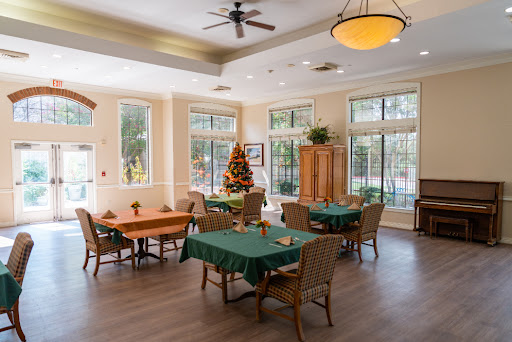
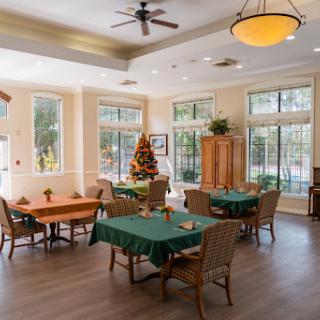
    A bright and inviting dining area featuring tables and chairs arranged for communal dining, with a decorative tree in the corner.
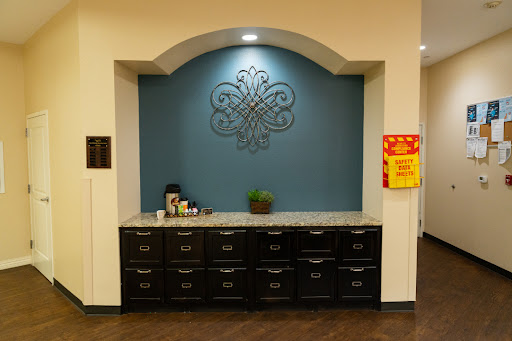
  • Decor

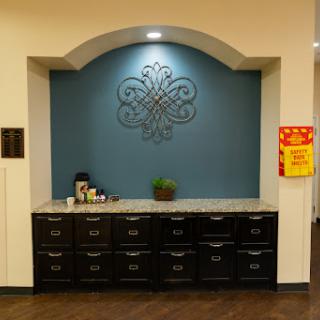
    A stylish kitchenette area featuring a blue accent wall and dark cabinetry.
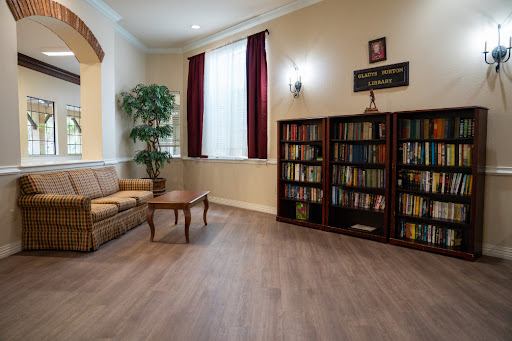
  • Living Room

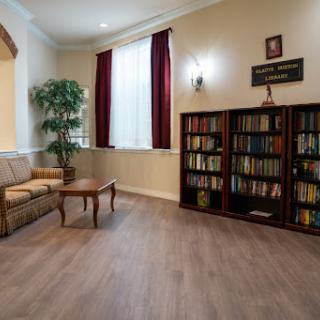
    A cozy living room featuring a bookshelf filled with books, a comfortable sofa, and warm lighting.
  • Building

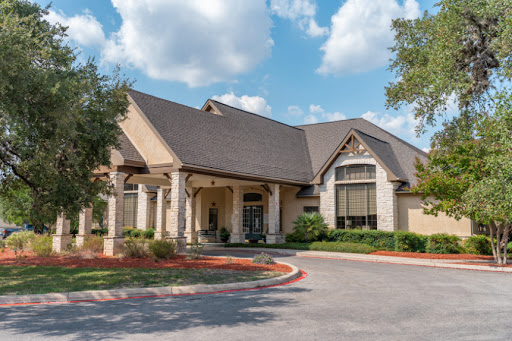
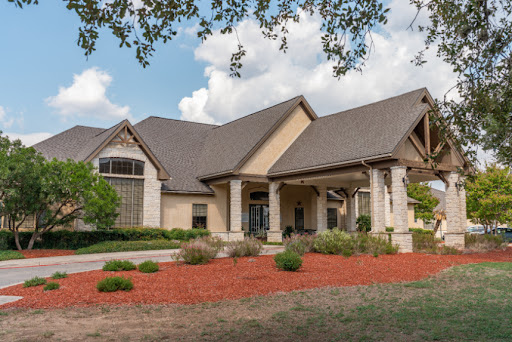
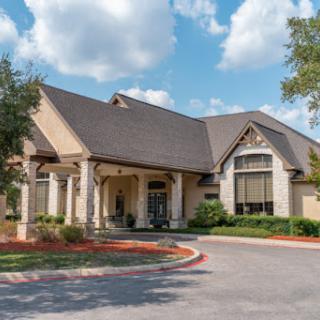
    A beautifully designed building featuring modern architectural elements, surrounded by landscaped greenery.
  • Architecture

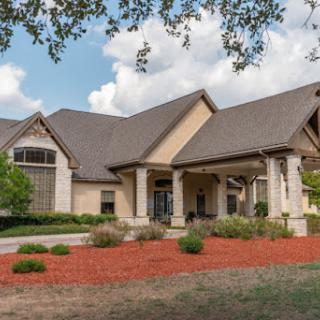
    A beautifully designed residential house with a spacious front yard and elegant architecture.
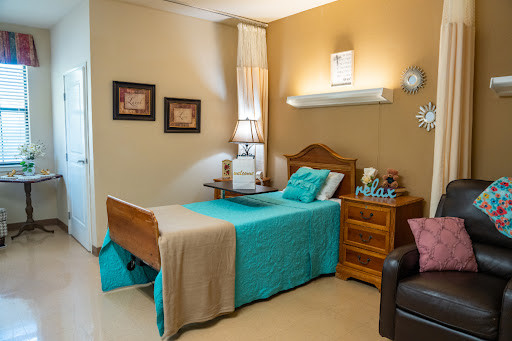
  • Bedroom

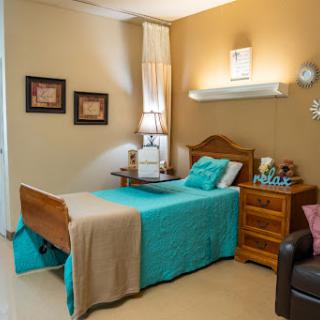
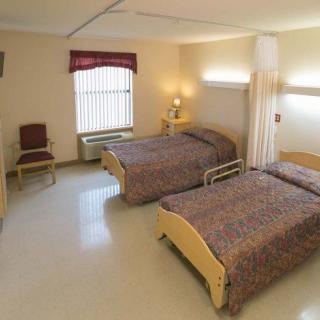
    A cozy and well-decorated bedroom featuring a comfortable bed with colorful bedding, complemented by tasteful wall art and furniture.
  • Trees

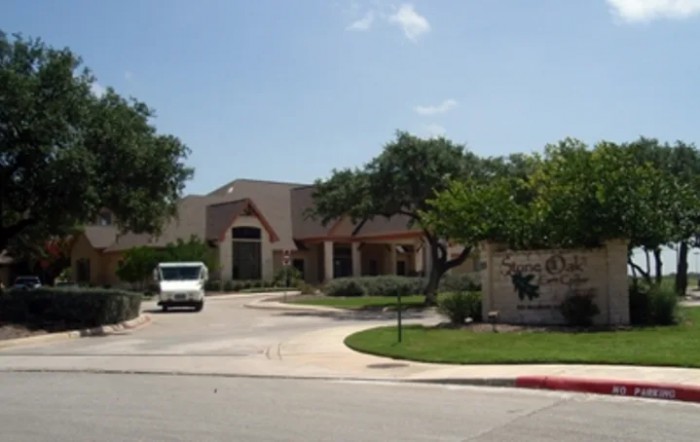
    A building with a driveway and van parked in front, surrounded by trees and landscaping on a sunny day.
  • Dining

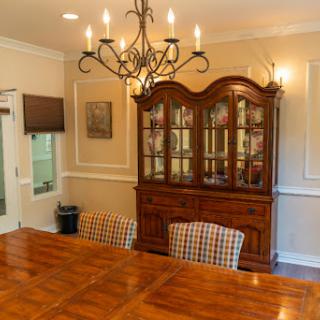
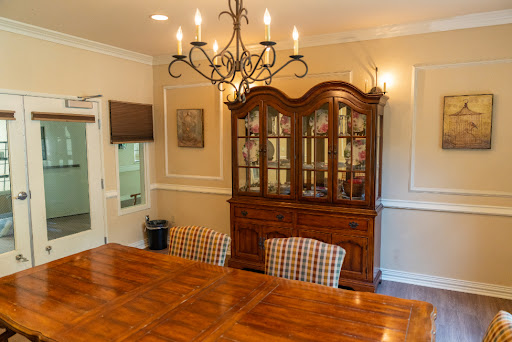
    A beautifully arranged dining room featuring a wooden table, checkered chairs, and an elegant chandelier.
  • Kitchen

    A cozy kitchen corner featuring light wood cabinets, various utensils, and playful wallpaper.
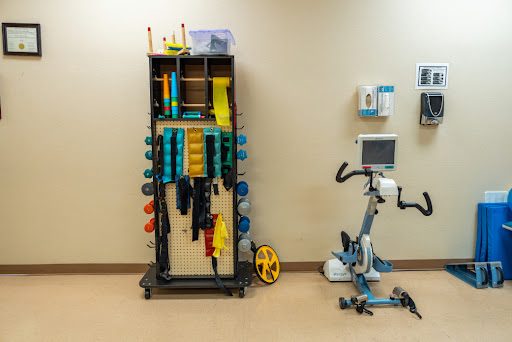
  • Exercise Equipment

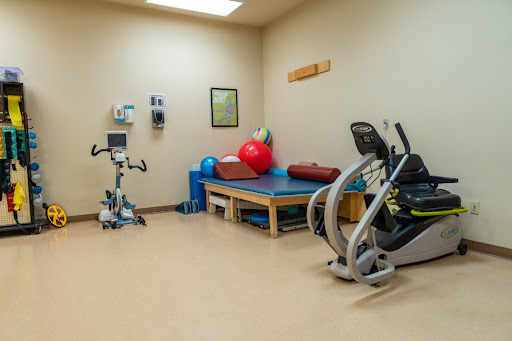
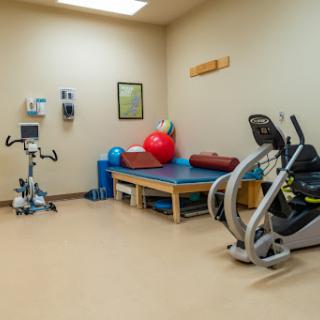
    A well-equipped physical therapy room featuring various exercise machines and tools for rehabilitation.
  • Rehabilitation

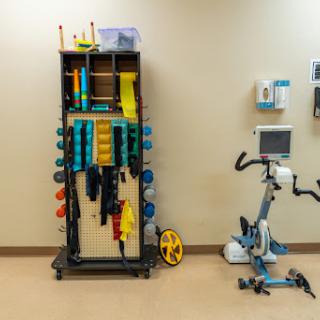
    A well-equipped rehabilitation room featuring various weights and a stationary exercise bike.

Stone Oak Care Center in San Antonio, TX

Information last verified:

505 Madison Oak Drive, San Antonio, TX 78258

For more information about senior living options: (844) 490-3973

4.3 from 133 reviews
5 stars
97
4 stars
15
3 stars
4
2 stars
4
1 stars
13

Overall Review of Stone Oak Care Center

Pros

  • pro The rehab center does an amazing job helping residents regain mobility and independence.
  • pro Rose Haley is kind, attentive, and consistently addresses residents' concerns with prompt resolutions.
  • pro Dora Martinez helps families with scheduling and coordinating transportation to and from doctors' appointments.
  • pro The staff are friendly, experienced, and genuinely care for the residents.
  • pro The facility is clean, well maintained, and safe for residents.
  • pro Rose Haley is an invaluable asset to Stone Oak Care Center, going above and beyond for families and patients.
  • pro Cynthia the RN is caring and compassionate.
  • pro Allison Campbell, the social worker, is always available and advocates effectively for residents.
  • pro Admissions staff, led by Rose Haley, provide warm, professional tours and help with smooth transitions.
  • pro Thanksgiving dinners are delicious and the dining room is beautiful.
  • pro The activity director and her team keep residents engaged daily with meaningful activities.
  • pro The overall care at Stone Oak Care Center is described by families as compassionate, professional, and high quality.

Cons

  • pro One reviewer described the facility as atrocious and deceitful despite a friendly front desk.
  • pro They stated everything smelled like urine, the place was dirty, rooms were rundown, and residents received little attention.
  • pro The memory care unit was criticized for lack of activities, minimal staff, and doors being locked for safety, limiting resident freedoms.
  • pro Nursing staff were described as rude and unresponsive, often shrugging when asked questions or failing to answer calls.
  • pro The administration was labeled lazy, unprofessional, and lacking compassion.
  • pro Residents were reportedly overmedicated, blamed for zombie-like appearances, with unexplained injuries and missed medications.
  • pro There were multiple thefts of residents’ belongings with little follow-up or accountability.
  • pro The facility was described as understaffed with staff changes, leading to inconsistent care and long wait times.
  • pro The owning company was reportedly under state investigation for negligence, with citations and calls for shutdown.

Review

Stone Oak Care Center in San Antonio is best suited for families seeking a transition-focused, rehab-oriented community where the admissions process is thorough, compassionate, and hands-on. The place shines for seniors needing short-term rehabilitation after hospitalization, with a track record of helping residents regain mobility and return home or move toward longer-term plans. It also serves well for families who want a front-office team that can guide insurance, discharge options, and transport with clarity and patience. When the transition is the priority, this community consistently earns praise for its admissions professionals, especially Rose Haley, who is repeatedly described as tireless, responsive, and genuinely invested in easing worry and paperwork. The overall atmosphere, clean, well-maintained spaces, and a homey dining and activities feel, supports families looking for visible care and a sense of stability from day one.

That said, alternatives should be on the radar for families with particular safety or memory-care requirements. Several reviews raise red flags about memory-care operations, safety, and staffing consistency, especially on shifts outside regular business hours. Concerns range from limited activities and restricted outdoor time to doors being locked for safety, alleged neglect, and missing resident belongings. A handful of families report difficulty obtaining timely responses to calls, and some recount disturbing incidents tied to staffing levels, turnover, or perceived administrative disconnection. For a resident who requires highly predictable, meticulously monitored memory care with transparent incident tracking and robust staff presence around the clock, it is prudent to compare facilities with longer, unambiguous safety records and fewer mixed reports about unit-level care.

The strongest positives at Stone Oak consistently offset the more troubling concerns when the right expectations are in place. Families consistently highlight the admissions team as a major asset, with Rose Haley and the broader administrative group delivering proactive guidance, patient transport coordination, and step-by-step support through insurance and discharge planning. Rehab and therapy services are described as capable and engaged, with therapists helping residents regain walking and daily functioning, and with staff who check in frequently and keep families informed about progress. The staff, nurses, CNAs, and social workers, are lauded for kindness, competence, and a genuine commitment to residents’ well-being. Residents comment on bright, clean spaces, well-kept rooms, and reliable dining experiences, including festive events that foster a sense of community and normalcy.

However, the web of reviews also makes clear that success at Stone Oak hinges on consistent, well-staffed operations, and on transparent, responsive leadership. Where the tone is negative, concerns cluster around staffing shortages, inconsistent coverage, and gaps in safety and daily monitoring, especially in memory-care settings. Some critics describe odor and cleanliness issues, delayed responses to care requests, and troubling incidents that erode trust. A few families report experiences of alleged overmedication or communication gaps that left them anxious about a loved one’s daily status. These are not universal experiences, but they are persistent enough to warrant careful vetting. Prospective families should ask to see current staffing schedules, request a direct tour of the memory-care area, and review state inspection findings and recent incident logs before making a final commitment.

From a practical decision-making standpoint, Stone Oak Care Center makes the most sense for families who prioritize a strong entry experience and a hospital-to-home continuum. The admissions process, led by Rose Haley, tends to set a positive tone, often converting initial worry into confidence as families see a clear path to admission, transport, and coordinated care planning. The rehab pipeline is a core strength: therapists and nursing staff typically demonstrate skill, communicate progress clearly, and keep families updated about discharge timing and goals. For families who want to participate actively in their loved one’s daily life, attending meals, events, and therapy sessions, Stone Oak offers a welcoming environment with a social worker (Allison Campbell) who can assist with resource coordination, records requests, and post-discharge planning. The balance of clean, comfortable spaces with a home-like ambiance supports meaningful engagement and a sense of normalcy.

The bottom-line recommendation is practical and specific. Stone Oak Care Center is a strong option for seniors who need rehab-focused care and place high value on a proactive admissions team and a collaborative care approach. It works particularly well for families seeking a smooth transition, reliable case management, and ongoing family communication from a team that tends to go above and beyond in coordinating care. For those whose top priority is unwavering safety, consistent staffing across all shifts, and rigorous, well-documented memory-care practices, it remains essential to conduct thorough due diligence: request recent state inspection reports, observe a memory-care shift, review the activity calendar, and verify meal plans and medication management procedures. In short, Stone Oak stands up well when expectations align with its strengths; when memory-care safety or staffing consistency is non-negotiable, explore comparable options with a track record in those domains.

In closing, families should act with purpose: contact Rose Haley for an in-depth tour, insist on meeting with the memory-care leadership to gauge unit practices, and request transparency about staffing patterns and safety protocols. Visit during a couple of times of day to observe call-response times, activity offerings, and how meals are served. If the goal is a warm, responsive, and treatment-forward environment that can shepherd a loved one through rehab and transition with genuine care, Stone Oak delivers. If, instead, a resident’s needs demand ironclad safety metrics, long-term stability, and consistently low risk of incidents, even at night, the search should widen to include facilities with more documented strength in those areas. The right choice emerges from watching how the team handles transitions, daily care, and family engagement under real-world conditions.

Features

Housing

  • 152 resident community capacity 152 resident community capacity

Types of Care

  • Skilled Nursing Facility Skilled Nursing FacilitySkilled Nursing Facilities are crucial for seniors as they provide round-the-clock medical care, rehabilitation services, and assistance with daily activities. These facilities ensure that seniors receive the specialized care they need to maintain their health and well-being as they age.

Amenities

  • Air-conditioning Air-conditioningAir conditioning is important for seniors as they are more vulnerable to heat-related illnesses and may have underlying health conditions that make it difficult for them to regulate their body temperature. It helps to keep them comfortable, safe, and healthy in hot weather.
  • Beauty salon Beauty salonBeauty salons are important for seniors because they provide a space for them to feel pampered, socialize, and maintain their personal grooming and hygiene. Regular visits to a beauty salon can help boost seniors' self-esteem and overall well-being.
  • Cable or satellite TV Cable or satellite TVCable or satellite TV is important for seniors because it provides entertainment, news, and companionship, helping to combat loneliness and boredom. It also offers a wide range of programming options tailored to different interests and preferences.
  • Computer center Computer centerA computer center is essential for seniors as it provides access to technology, communication tools, and resources that can enhance their daily lives. It allows them to stay connected with loved ones, engage in online activities, and learn new skills, ultimately promoting socialization and mental stimulation.
  • Dining room Dining roomDining rooms are important for seniors as they provide a space for socialization, connection, and nutritious meals. They offer opportunities for residents to bond over shared meals, foster a sense of community, and promote healthy eating habits. Dining rooms also ensure that seniors have access to well-balanced meals tailored to their dietary needs and preferences.
  • Fitness room Fitness roomHaving a fitness room in a senior living community is essential for seniors to stay active, maintain their physical health, and improve their overall well-being. Regular exercise can help prevent falls, reduce the risk of chronic diseases, and promote mental sharpness. It also provides social opportunities for residents to connect with others and enjoy a sense of community.
  • Fully furnished Fully furnishedFully furnished senior living communities are important for seniors because they provide convenience, comfort, and a hassle-free moving experience. Seniors can easily settle into their new living space without the stress of having to buy and move furniture. This allows them to focus on enjoying their new home and community.
  • Gaming room Gaming roomGaming rooms are important for seniors as they provide a fun and engaging environment for socializing, cognitive stimulation, and physical activity. Games can improve memory, problem-solving skills, and overall mental well-being while fostering friendships and reducing feelings of isolation.
  • Garden GardenGardens are important for seniors as they provide a peaceful and therapeutic environment for relaxation, physical activity, and socialization. Being in nature has been shown to reduce stress, improve mood, and promote overall well-being. Gardens also offer opportunities for seniors to engage in gardening activities, which can improve mobility, flexibility, and cognitive function. Additionally, gardens create a sense of community and connection with others who share a passion for plants and outdoor spaces.
  • Housekeeping services Housekeeping servicesHousekeeping services are important for seniors because they help maintain a clean and safe living environment, promote independence, and reduce the risk of accidents or illnesses. Additionally, having assistance with household chores can alleviate physical strain and allow seniors to focus on other aspects of their well-being.
  • Kitchenette KitchenetteKitchenettes are important for seniors living in senior living communities because they provide the convenience and independence of being able to prepare simple meals and snacks in the comfort of their own living space. This can help promote a sense of autonomy and well-being for seniors, allowing them to maintain some level of control over their dietary choices and daily routines.
  • Move-in coordination Move-in coordinationMove-in coordination is important for seniors because it helps ease the transition into their new living environment. It ensures that all logistics, such as packing, organizing movers, and setting up utilities are taken care of, allowing seniors to focus on settling in and adjusting to their new home. Having a smooth move-in process can alleviate stress and anxiety, making the transition smoother and more enjoyable for seniors.
  • Outdoor space Outdoor spaceOutdoor spaces are important for seniors as they provide opportunities for physical activity, social interaction, exposure to natural light and fresh air, and a sense of connection to nature. Having access to outdoor spaces can improve overall well-being and quality of life for older adults living in senior communities.
  • Private bathrooms Private bathroomsPrivate bathrooms are important for seniors in senior living communities because they provide independence, dignity, and comfort. Having a private bathroom allows seniors to maintain their personal hygiene routines without the need for assistance, promoting a sense of autonomy and privacy. Additionally, private bathrooms help prevent the spread of infections and provide a safe and clean environment for seniors to navigate safely.
  • Restaurant-style dining Restaurant-style diningRestaurant-style dining is important for seniors because it allows them to enjoy delicious, nutritious meals in a social and upscale setting. This enhances their dining experience, promotes healthy eating habits, and fosters socialization with fellow residents, ultimately contributing to their overall well-being and quality of life.
  • Small library Small librarySmall libraries are important for seniors as they provide access to a variety of reading materials, including books, newspapers, and magazines. This can help stimulate their minds, keep them engaged, and provide a sense of community through book clubs and other social activities. Additionally, reading has been shown to improve cognitive function and overall mental well-being in older adults.
  • Telephone TelephoneTelephones are important for seniors as they provide a lifeline for communication with loved ones, emergency services, and healthcare providers. They offer a sense of security and independence, enabling seniors to stay connected and access assistance when needed.
  • Wellness center Wellness centerWellness centers are important for seniors because they offer a variety of programs and services that promote physical, mental, and emotional well-being. These centers provide opportunities for exercise, socialization, education, and relaxation, helping seniors maintain their overall health and quality of life.
  • Wi-Fi/high-speed internet available Wi-Fi/high-speed internet availableWi-Fi/high-speed internet is important for seniors to stay connected with loved ones, access online resources, and participate in virtual activities to combat feelings of loneliness and isolation. It also allows them to easily manage healthcare needs, access entertainment, and engage in lifelong learning opportunities.

Transportation

  • San Antonio International (6 miles away) San Antonio International (6 miles away)
  • Community operated transportation Community operated transportationCommunity operated transportation is crucial for seniors as it provides them with the means to access essential services, social activities, and medical appointments. It allows seniors to maintain their independence and quality of life by ensuring they can participate in activities outside of their homes. Additionally, community-operated transportation services offer a safe and reliable way for seniors to travel without having to rely on family or friends for assistance.
  • Transportation arrangement Transportation arrangementTransportation arrangements are crucial for seniors as they may face challenges with driving, mobility, or access to public transportation. Having reliable transportation services ensures that seniors can easily attend appointments, social activities, and maintain their independence and quality of life.
  • Transportation arrangement (non-medical) Transportation arrangement (non-medical)Transportation arrangements are essential for seniors as they provide access to essential services, activities, and social interactions outside the home. This service helps maintain independence, mobility, and overall well-being for seniors who may have limited transportation options.
  • Transportation to doctors appointments Transportation to doctors appointmentsTransportation to doctors appointments is crucial for seniors as it ensures they have access to necessary medical care and support, promoting their health and well-being. It allows them to receive timely treatment, monitor existing conditions, and address any new health concerns efficiently. Additionally, transportation services can help seniors maintain their independence and quality of life by enabling them to stay connected with their healthcare providers.

Care Services

  • 12-16 hour nursing 12-16 hour nursing12-16 hour nursing care is crucial for seniors in order to ensure around-the-clock monitoring, timely medication administration, and prompt response to any health concerns or emergencies. This level of care helps to promote the overall well-being and safety of seniors living in senior living communities.
  • 24-hour call system 24-hour call system24-hour call systems are important for seniors because they provide peace of mind and immediate assistance in case of emergencies. This technology ensures that help is always available, promoting safety and security for elderly individuals living alone or in assisted living facilities.
  • 24-hour supervision 24-hour supervision24-hour supervision is important for seniors to ensure their safety, well-being, and access to immediate assistance in case of emergencies or health issues. This constant support provides peace of mind for both seniors and their loved ones, allowing them to age in place with dignity and security.
  • Activities of daily living assistance Activities of daily living assistanceActivities of daily living assistance are important for seniors because they provide essential support with tasks such as eating, bathing, dressing, and mobility. This assistance helps seniors maintain their independence, dignity, and overall quality of life as they age.
  • Assistance with bathing Assistance with bathingAssistance with bathing is crucial for seniors as it helps maintain personal hygiene, prevents infections, and ensures their overall well-being and comfort. It also provides a sense of dignity and independence for seniors who may struggle with this task on their own.
  • Assistance with dressing Assistance with dressingAssistance with dressing is important for seniors because it helps maintain their independence, promotes personal hygiene, prevents accidents and injuries, and improves overall quality of life. This service ensures that seniors can continue to dress comfortably and confidently, despite any physical limitations they may have.
  • Assistance with transfers Assistance with transfersAssistance with transfers is crucial for seniors as it helps prevent falls and injuries, maintains their independence, and ensures they can safely navigate their living environment. It also provides peace of mind for both seniors and their loved ones.
  • Diabetes diet Diabetes dietA diabetes diet is crucial for seniors as it helps manage blood sugar levels, reduce risks of complications, and improve overall health and well-being. By following a balanced and nutritious diet tailored to their specific needs, seniors can better control their diabetes and enhance their quality of life.
  • Meal preparation and service Meal preparation and serviceMeal preparation and service are crucial for seniors as they may have limited mobility or energy to cook nutritious meals. Having access to healthy and convenient food options can ensure they are getting the proper nutrition needed to maintain their overall health and well-being.
  • Medication management Medication managementMedication management is crucial for seniors to ensure they are taking the right medications at the correct dosages and times. This helps prevent adverse drug interactions, reduces the risk of medication errors, and promotes overall health and well-being. Proactive management also allows for adjustments as needed based on changing health conditions or new prescriptions.
  • Mental wellness program Mental wellness programMental wellness programs are essential for seniors as they promote cognitive stimulation, emotional support, and social engagement. These programs help prevent isolation, depression, and cognitive decline, ultimately enhancing the overall quality of life for older adults.
  • Special dietary restrictions Special dietary restrictionsSpecial dietary restrictions are important for seniors because age-related changes in metabolism and health conditions can make it difficult for their bodies to process certain foods. By following a diet tailored to their specific needs, seniors can maintain their overall health and well-being, manage chronic conditions, and reduce the risk of complications such as malnutrition or food interactions with medications.

Dining

  • Diabetes diet Diabetes dietA diabetes diet is crucial for seniors as it helps manage blood sugar levels, reduce risks of complications, and improve overall health and well-being. By following a balanced and nutritious diet tailored to their specific needs, seniors can better control their diabetes and enhance their quality of life.
  • Special dietary restrictions Special dietary restrictionsSpecial dietary restrictions are important for seniors because age-related changes in metabolism and health conditions can make it difficult for their bodies to process certain foods. By following a diet tailored to their specific needs, seniors can maintain their overall health and well-being, manage chronic conditions, and reduce the risk of complications such as malnutrition or food interactions with medications.

Activities

  • Community-sponsored activities Community-sponsored activitiesCommunity-sponsored activities are important for seniors as they provide opportunities for social interaction, mental stimulation, and physical activity. These activities can help improve overall well-being, combat loneliness and isolation, and promote a sense of belonging and purpose among older adults.
  • Concierge services Concierge servicesConcierge services are essential for seniors as they provide assistance with daily tasks and errands, enhance their quality of life by offering convenience and personalized care, and promote a sense of safety and security.
  • Fitness programs Fitness programsFitness programs are crucial for seniors as they help improve strength, flexibility, balance, and overall well-being. Staying active can reduce the risk of chronic diseases, improve mental health, and enhance quality of life in older adults.
  • Planned day trips Planned day tripsPlanned day trips are important for seniors because they offer opportunities for socialization, mental stimulation, and physical activity. They provide a change of scenery and help seniors stay engaged and connected to their community, promoting overall well-being and quality of life.
  • Resident-run activities Resident-run activitiesResident-run activities are important for seniors as they encourage social interaction, creativity, and a sense of autonomy. These activities empower seniors to stay engaged and active in their community while fostering meaningful connections with their peers.
  • Scheduled daily activities Scheduled daily activitiesScheduled daily activities are important for seniors because they provide structure, socialization, mental stimulation, and physical activity. Engaging in regular activities can improve overall well-being and quality of life for seniors living in a community setting.

Description

The Stone Oak Care Center in San Antonio, TX offers a wide range of amenities and care services to provide a comfortable and enjoyable living experience for its residents. The community features a beauty salon, allowing residents to pamper themselves and maintain their appearance. Each resident has access to cable or satellite TV for entertainment.

Transportation is made easy with community-operated transportation service as well as transportation arrangements for both non-medical needs and medical appointments. Residents can stay connected with loved ones through the use of the computer center, Wi-Fi/high-speed internet, and telephone service.

Delicious meals are provided in the dining room in a restaurant-style setting, catering to special dietary restrictions. Housekeeping services ensure that the community remains clean and tidy at all times. Move-in coordination is available to assist new residents in settling into their new home.

Recreation opportunities abound with a fitness room, gaming room, small library, and outdoor space for residents to enjoy. The wellness center offers programs to support mental wellness, ensuring that residents receive comprehensive care.

When it comes to care services, Stone Oak Care Center excels with 24-hour call system and supervision to meet any needs that may arise at any time. Trained staff are available to assist with daily tasks such as bathing, dressing, and transfers. Medication management ensures that each resident receives their prescribed medications accurately.

The community also takes pride in its location, being conveniently situated near various amenities such as cafes, parks, pharmacies, physicians' offices, restaurants, places of worship, theaters. Additionally there is a hospital nearby for immediate medical needs.

With its diverse range of amenities and care services offered alongside its convenient location within San Antonio's vibrant surroundings; Stone Oak Care Center provides an ideal assisted living community for seniors seeking comfort and support in their daily lives.

Videos

Nearby Places of Interest

This part of San Antonio, Texas, offers a convenient and diverse range of amenities for seniors looking for a comfortable and active lifestyle. With multiple pharmacies, physicians' offices, cafes, restaurants, places of worship, theaters, parks, hospitals, and transportation options within close proximity, residents have easy access to essential services and entertainment options. The area also boasts beautiful green spaces like Phil Hardberger Park and Eisenhower Park for leisurely strolls or picnics. Additionally, the presence of reputable healthcare facilities such as San Antonio Kidney Disease Center and Baptist Neighborhood Hospital ensures quality medical care for residents. Overall, this neighborhood provides a well-rounded living environment with plenty of opportunities for relaxation and recreation.

Pharmacies

  • CVS Pharmacy (0.5 miles)
  • Walgreens (0.5 miles)
  • CVS Pharmacy (1.4 miles)
  • Walgreens (1.6 miles)
  • CVS Pharmacy (1.6 miles)
  • Walgreens (2.3 miles)
  • Walgreens (2.3 miles)

Physicians

  • San Antonio Kidney Disease Center (0.5 miles)
  • ABCD Pediatrics - Stone Oak (0.6 miles)
  • Neurosurgical Associates (0.9 miles)
  • TruOrtho (0.9 miles)
  • Sonterra Dermatology (1.1 miles)
  • North Central Federal Clinic (2.1 miles)
  • Pediatric ENT (2.4 miles)

Cafes

  • Local Coffee (0.6 miles)
  • Starbucks (1.5 miles)
  • Starbucks (4.7 miles)
  • La Media Luna Cafe (5.9 miles)
  • Starbucks (6.3 miles)
  • Starbucks (6.6 miles)
  • Kaffeinated Crepes and Coffee (6.6 miles)

Restaurants

  • Chama Gaucha Brazilian Steakhouse (0.9 miles)
  • Little Woodrow's (1 miles)
  • Eggspectation (1.1 miles)
  • Kneaders Bakery & Café (1.5 miles)
  • Chili's Grill & Bar (1.8 miles)
  • Whataburger (2.3 miles)
  • Lupe Tortilla (2.6 miles)

Places of Worship

  • Northrock Church (1.2 miles)
  • Community Bible Church (2.4 miles)
  • Hope Church (3.2 miles)
  • Abiding Presence Lutheran Church (3.3 miles)
  • Church of Jesus Christ of Latter Day Saints (3.9 miles)
  • Church of Jesus Christ of Latter Day Saints (5.1 miles)
  • St George Episcopal School (6.6 miles)

Theaters

  • Regal Northwoods (1.9 miles)
  • Alamo Drafthouse Stone Oak (3.3 miles)
  • Santikos Palladium IMAX (6.7 miles)
  • Alamo Drafthouse Park North (7.1 miles)

Parks

  • Phil Hardberger Park (4.5 miles)
  • Phil Hardberger Dog Park (4.6 miles)
  • Eisenhower Park (5 miles)

Hospitals

  • Baptist Neighborhood Hospital (4.6 miles)

Transportation

  • Landmark Aviation (5.8 miles)
  • Skyplace Center (6.1 miles)
  • Southwest Airlines Cargo (6.3 miles)
  • American Airlines (6.5 miles)
  • San Antonio International Airport (SAT) (6.6 miles)
  • Rental Car Center (6.6 miles)
  • Terminal 1 Arrivals (6.7 miles)

Frequently Asked Questions

Where is Stone Oak Care Center?
What photos are available for Stone Oak Care Center in San Antonio, Texas?

Nearby Communities

  • Independence Hill Assisted Living

    Independence Hill Assisted Living

    San Antonio, TX

    4.3 from 49 reviews
    $3,195 to $4,095 / month

    pro Professional management with a warm, engaged staff and engaging activities.


  • Independence Hill Retirement Community

    Independence Hill Retirement Community

    San Antonio, TX

    4.5 from 108 reviews
    $2,595 to $3,095 / month

    pro Strong, long-tenured staff and spacious, well-maintained apartments.

  • Preferred Care at Home of North San Antonio

    Preferred Care at Home of North San Antonio

    San Antonio, TX

    5 from 16 reviews
     

    pro Well-connected location with abundant nearby amenities.

  • Overture Stone Oak

    Overture Stone Oak

    San Antonio, TX

    4.3 from 71 reviews
    $1,750 to $2,082 / month

    pro Well-maintained facility with friendly staff and abundant activities.

  • The Enclave

    The Enclave

    San Antonio, TX

    4.2 from 117 reviews
     

    pro Knowledgeable staff, clean facility, and the therapy dog Bentley.

  • Mentis Neuro Health

    Mentis Neuro Health

    San Antonio, TX

    4.2 from 50 reviews
     

    pro Fully furnished assisted living with on-site dining, 24-hour care, and a mental wellness program.

  • Sonterra Health Center

    Sonterra Health Center

    San Antonio, TX

    4.7 from 118 reviews
     

    pro Compassionate, attentive staff with a welcoming atmosphere.

  • Franklin Park Sonterra

    Franklin Park Sonterra

    San Antonio, TX

    4.4 from 96 reviews
    $4,630 to $6,420 / month

    pro Caring staff in a warm community with engaging activities and well-kept grounds.

  • The Landing at Stone Oak

    The Landing at Stone Oak

    San Antonio, TX

    4.5 from 127 reviews
    $4,895 to $5,995 / month

    pro Engaging Montessori-style memory care with 24/7 nursing and restaurant-style dining.

Skilled Nursing Facility in Nearby Cities

Related Resources

  • elderly fall preventionComprehensive Insights and Practical Strategies to Help Older Adults Avoid Falls

    The article highlights the high risk of falls among older adults due to factors like muscle weakness, vision issues, and environmental hazards, with one in four experiencing a fall annually. It advocates for a comprehensive prevention approach that includes exercise, home safety modifications, medication management, social support, and caregiver involvement.

  • what does an elder law attorney do6 Crucial Ways an Elder Law Attorney Assists Families

    Elder law attorneys assist older adults and their families with legal matters such as estate planning, Medicaid eligibility, and guardianships, while also providing protection against elder abuse. They help navigate complex regulations to safeguard financial resources, ensure well-being, and maintain autonomy for seniors.

  • tax implications of parent living with youNavigating the Tax Landscape of Caregiving: Credits, Deductions, and Beyond
    Caregiving for an aging parent entails emotional and financial responsibilities accompanied by significant tax implications, including potential benefits from claiming them as dependents and deductions for medical expenses and caregiving costs. Caregivers must understand eligibility requirements, maintain thorough documentation, and consider consulting a tax professional to navigate these complexities effectively.