Mentis Neuro Health is an assisted living community in San Antonio, TX.
Information last verified:
18931 Hardy Oak Boulevard, San Antonio, TX 78258
For more information about senior living options: (866) 208-4318
4.2 from 57 reviews
5 stars
44
4 stars
1
3 stars
1
2 stars
3
1 stars
8
Overall Review of Mentis Neuro Health
common25 reviews mention this
Staff compassion and professionalism
Residents and families frequently describe the staff as compassionate and professional.
Many reviewers highlight caring, kind interactions—nurses, aides, therapists, and administrators are repeatedly described as supportive and respectful. Several comments also mention staff responsiveness, taking time to listen, and helping families feel informed. A few negative reviews cite a lack of compassion or poor responses, but the overall tone in the larger set is about people showing up and providing support during recovery.
differentiator10 reviews mention this
Rehab progress with therapy
Reviews repeatedly connect therapy participation with noticeable recovery progress.
A number of residents and families describe real changes during their stay, including improvements in mobility, speech, and daily functioning. Reviewers also mention hands-on rehabilitation and learning daily-life skills, and several point to multiple therapy disciplines being involved. In the positive accounts, the therapy plan is described as individualized and focused on helping people work toward independence.
caveat4 reviews mention this
Family involvement and communication
Some families report difficulty getting access to visits and seeing care in action.
Multiple negative reviews say the facility was restrictive about family time, with commenters describing tight visiting hours and difficulty obtaining exceptions. Some reviewers also say communication about treatment and care plans felt limited. While other reviews praise responsiveness and guidance, these concerns about involving family come up often enough to stand out.
caveat3 reviews mention this
Meals are mixed
Dining reviews are inconsistent, with both praise and complaints showing up.
Some reviewers say meals were good and satisfying during their stay. Others criticize the food as overly salty and not well suited for stroke recovery. This split aligns with the presence of special-diet-related dining notes in the care details residents may receive while they’re here.
How we summarize
Counts show how many written reviews mention each theme; a review can touch several themes, and only frequently mentioned themes are displayed.
Features
Housing
24 resident community capacity
Types of Care
Assisted Living
Amenities
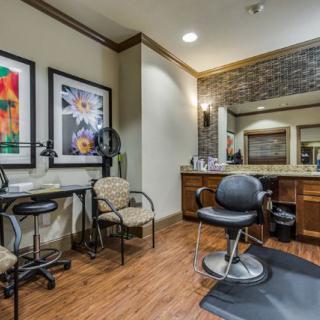
Beauty salon
Cable or satellite TV
Dining room
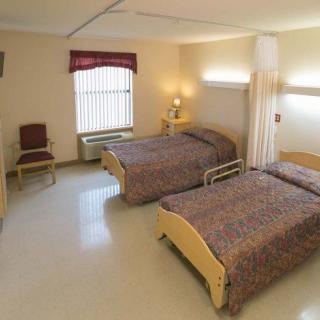
Fully furnished
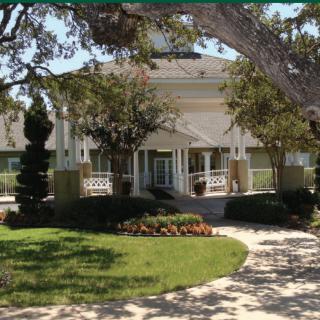
Garden
Housekeeping services
Kitchenette
Move-in coordination
Outdoor space
Restaurant-style dining
Small library
Telephone
Wi-Fi/high-speed internet available
Transportation
San Antonio International (6 miles away)
Care Services
24-hour call system
24-hour supervision
Activities of daily living assistance
Assistance with bathing
Assistance with dressing
Assistance with transfers
Diabetes diet
Meal preparation and service
Medication management
Mental wellness program
Special dietary restrictions
Dining
Diabetes diet
Special dietary restrictions
Activities
Community-sponsored activities
Resident-run activities
Scheduled daily activities
Nearby Places of Interest
Physicians
San Antonio Kidney Disease Center (0.3 miles)
Neurosurgical Associates (0.4 miles)
TruOrtho (0.4 miles)
Sonterra Dermatology (0.4 miles)
ABCD Pediatrics - Stone Oak (1.2 miles)
North Central Federal Clinic (1.4 miles)
Pediatric ENT (3 miles)
Cafes
Local Coffee (0.5 miles)
Starbucks (1.6 miles)
Starbucks (5.3 miles)
La Media Luna Cafe (5.4 miles)
Starbucks (6.9 miles)
Starbucks (7.3 miles)
Kaffeinated Crepes and Coffee (7.3 miles)
Places of Worship
Northrock Church (0.7 miles)
Community Bible Church (1.7 miles)
Hope Church (2.4 miles)
Abiding Presence Lutheran Church (3 miles)
Church of Jesus Christ of Latter Day Saints (3.1 miles)
Church of Jesus Christ of Latter Day Saints (4.8 miles)
St George Episcopal School (6.7 miles)
Restaurants
Little Woodrow's (0.9 miles)
Chili's Grill & Bar (1.3 miles)
Chama Gaucha Brazilian Steakhouse (1.4 miles)
Eggspectation (1.5 miles)
Kneaders Bakery & Café (1.8 miles)
Whataburger (1.8 miles)
Lupe Tortilla (2.1 miles)
Pharmacies
CVS Pharmacy (1 miles)
Walgreens (1.2 miles)
Walgreens (1.6 miles)
CVS Pharmacy (1.7 miles)
Walgreens (1.8 miles)
CVS Pharmacy (2.2 miles)
Walgreens (2.8 miles)
Theaters
Regal Northwoods (1.3 miles)
Alamo Drafthouse Stone Oak (3 miles)
Alamo Drafthouse Park North (7 miles)
Santikos Palladium IMAX (7.4 miles)
Hospitals
Baptist Neighborhood Hospital (4.5 miles)
Parks
Phil Hardberger Park (4.7 miles)
Phil Hardberger Dog Park (4.8 miles)
Eisenhower Park (5.7 miles)
Comanche Lookout Park (7.1 miles)
Transportation
Landmark Aviation (5.6 miles)
Skyplace Center (5.8 miles)
Southwest Airlines Cargo (6.1 miles)
American Airlines (6.3 miles)
San Antonio International Airport (SAT) (6.4 miles)
The article examines senior housing options, detailing the distinctions between independent living and assisted living, along with the emerging "independent assisted living" model that blends both approaches. It highlights the importance of assessing individual needs, preferences, and financial factors in making informed decisions about suitable living arrangements for seniors.
The deductibility of assisted living expenses on taxes hinges on factors like the individual's medical condition and service nature, typically requiring the resident to be "chronically ill" per IRS definitions. Taxpayers may deduct eligible medical expenses related to personal care services but generally not rent unless primarily for medical care, and they should maintain thorough documentation to support claims while considering itemizing versus standard deductions.
The guide highlights the importance of assisted living facilities for aging veterans needing daily support, discusses unique challenges they face, and outlines available financial assistance from the VA, including the Aid and Attendance program. It emphasizes understanding eligibility criteria and navigating the VA system to access necessary benefits effectively.
Get PricingAsk A QuestionSchedule A TourContact Senior Advisor
By clicking submit, you agree to our Partner's Terms of Use. You
also consent to receive calls and texts, which may be autodialed, from our Partner. Your consent is not a condition to
using our Partner's service. Please visit our Partner's Privacy Policy for information about their privacy practices.

 24 resident community capacity
 Assisted Living
 Beauty salon
 Cable or satellite TV
 Dining room
 Fully furnished
 Garden
 Housekeeping services
 Kitchenette
 Move-in coordination
 Outdoor space
 Restaurant-style dining
 Small library
 Telephone
 Wi-Fi/high-speed internet available
 San Antonio International (6 miles away)
 24-hour call system
 Activities of daily living assistance
 Assistance with bathing
 Assistance with dressing
 Assistance with transfers
 Diabetes diet
 Medication management
 Mental wellness program
 Special dietary restrictions
 Knowledgeable staff, clean facility, and the therapy dog Bentley.



 Exploring the Path to Senior Living: A Comprehensive Look at Independent Living and Assisted Living
 Is Assisted Living Deductible on Your Taxes? Understanding the Complexities of Assisted Living Expenses and Deductions
 Assisted Living Support for Veterans: A Complete and Detailed Overview