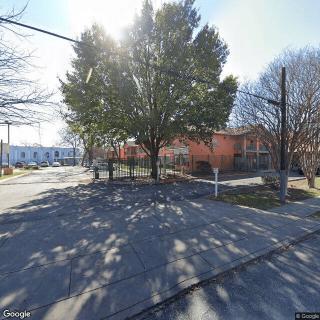
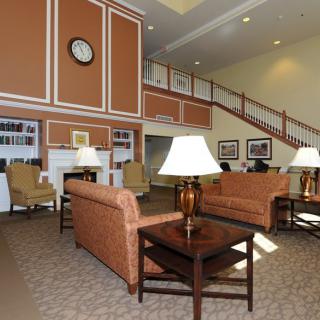
Mccullough Hall Nursing Center

603 South West 24Th Street, San Antonio, TX 78207

For more information about senior living options: (844) 490-3973

3 from 8 reviews
5 stars
4
4 stars
0
3 stars
0
2 stars
0
1 stars
4

Skilled Nursing Facility

What level of care are you interested in?

Assisted Living

Memory Care

Independent Living

Skilled Nursing Facility

Continuing Care Retirement Community (CCRC)CCRC

Other


Request a tour at Mccullough Hall Nursing Center

    Overall Review of Mccullough Hall Nursing Center

    Pros

    • pro The patient's rehabilitation was amazing, and the short-term plan exceeded expectations, with friendly staff.
    • pro The staff were sweet and kind, and the patient enjoyed a private room that offered privacy during care.
    • pro The rehab was very good, with regular checkups and proper equipment provided.
    • pro The family was grateful to have been referred to this facility.
    • pro If another rehab is needed, they would definitely choose this facility again.

    Cons

    • pro Staff snatched the mother's cell phone from her hand.
    • pro Aides refused to help her change.
    • pro The administrator Michelle Holden promised care plans but did not deliver.
    • pro The administrator refused the additional week.
    • pro A staff member was described as Godless and mean for sport.
    • pro The hospice staff showed no compassion and treated hospice patients with heartlessness.
    • pro A supervisor was rude and mocked the aunt, and there was a lack of staff training.

    Review

    A disturbing and highly polarized set of experiences emerges from these accounts, revealing a facility whose care can feel radically inconsistent. In one family's story, the environment was perilous and disheartening from the start: a mother was nearly assaulted by a staff member who allegedly snatched her cell phone, and aides reportedly refused basic care such as changing her clothes. The family's attempt to obtain an additional week of stay - necessary to bridge insurance changes from a nursing facility to home - was met with outright denial. The administrator, Michelle Holden, is singled out for making promises about individualized care plans that were never fulfilled, and for being the one who flatly refused the requested extension. The reviewer also expresses revulsion at the facility's ties to a Catholic Church, suggesting a sense of ethical dissonance between religious branding and the reported behavior.

    Within the same thread of testimony, a separate bitter remark directed at a named staff member - Arianna - illustrates how quickly personal interactions devolve into heated exchanges. The reviewer claims that Arianna is a "Godless woman" and "mean for sport," adding a vindictive wish that this person will "meet the same fate." This harsh language underscores how the reviewers frame individual staff conduct as emblematic of the facility's values. While these statements are emotionally charged and troubling, they are presented as part of the reviewer's lived experience and grievances, emphasizing perceived insensitivity and a lack of accountability from leadership.

    Against the backdrop of these negative experiences, other voices recount markedly different outcomes. One family member claims that, despite an uncertain start, the rehabilitation provided by the center's physical therapy team and certified nursing assistants was exceptional. They describe the rehabilitation plan as exceeding expectations, and they express gratitude for the care they received, highlighting praise for the rehab professionals who helped their loved one regain function. The tone here shifts toward appreciation and relief, suggesting that for some patients, the center delivers the kind of skilled, supportive care that families hope for during recovery.

    Another account focuses on a short-term stay during which the staff were described as "so sweet and kind." While initial days were described as rocky, the eventual stabilization and the patient's satisfaction with a private room - without a roommate - left a positive impression. The reviewer notes careful attention to equipment and safety, with frequent check-ins and a sense of reassurance about the rehabilitation process. This narrative reinforces the idea that individual interactions and room arrangements can significantly influence a family's perception of care quality, even within the same facility.

    A more harrowing hospice experience follows, painting a starkly different picture of care. A family member recounts transferring a terminally ill aunt from University Hospital's ICU to the center for hospice care. From the outset, the experience is described as lacking compassion, with persistent concerns about the treatment of a dying patient. The account details specific, distressing moments: electrodes on the patient's head leaving residue and pain, a hospital gown during transfer after weeks of hospitalization, and a confrontation with a supervisor described as rude who prohibited sitting with the patient's family near the nuns. The narrator emphasizes a sense of violated privacy and dignity, including a moment when a family member attempted to help with the residue and was admonished for actions and attire. This review depicts systemic shortcomings - limited training for hospice staff, inadequate sensitivity to patients' needs, and a sense of institutional indifference - that culminated in the patient's death shortly thereafter.

    The critique culminates in a pointed indictment of the facility's hospice services and branding. The reviewer who witnessed the ongoing care asserts that the "5-star hospice center" claim is not borne out by the lived experience, arguing that essential compassion and patient-centered attention were missing during the critical final days. The narrator emphasizes that hospice represents a deeply intimate and emotional stage for families and loved ones, where dignity, empathy, and thorough training are non-negotiable. The overall impression is clear: while some patients seem to benefit from competent rehabilitation and attentive staff, others encounter neglect, disrespect, and a lack of continuity in care that undermines trust in the institution.

    Taken together, these narratives offer a mosaic of care experiences. They reveal a facility capable of delivering high-quality rehabilitation that can significantly improve a patient's functional status, coordinated equipment checks, and compassionate short-term support in some instances. Yet they also expose serious failures in safety, communication, and end-of-life care in other situations. The tension between hopeful recoveries and devastating disappointments is palpable, underscoring how critical it is for families to have transparent, reliable information and for administrators to honor care plans, patient safety, and compassionate practice - especially when families are navigating the transition from hospital to home or into hospice. In the end, the reviews converge on a single, sobering conclusion: compassion and consistency in care matter most, and when either is missing, the impact on patients and their families is profound and lasting.

    Features

    Housing

    • 51 resident community capacity 51 resident community capacity

    Types of Care

    • Skilled Nursing Facility Skilled Nursing FacilitySkilled Nursing Facilities are crucial for seniors as they provide round-the-clock medical care, rehabilitation services, and assistance with daily activities. These facilities ensure that seniors receive the specialized care they need to maintain their health and well-being as they age.

    Amenities

    • Air-conditioning Air-conditioningAir conditioning is important for seniors as they are more vulnerable to heat-related illnesses and may have underlying health conditions that make it difficult for them to regulate their body temperature. It helps to keep them comfortable, safe, and healthy in hot weather.
    • Beauty salon Beauty salonBeauty salons are important for seniors because they provide a space for them to feel pampered, socialize, and maintain their personal grooming and hygiene. Regular visits to a beauty salon can help boost seniors' self-esteem and overall well-being.
    • Cable or satellite TV Cable or satellite TVCable or satellite TV is important for seniors because it provides entertainment, news, and companionship, helping to combat loneliness and boredom. It also offers a wide range of programming options tailored to different interests and preferences.
    • Computer center Computer centerA computer center is essential for seniors as it provides access to technology, communication tools, and resources that can enhance their daily lives. It allows them to stay connected with loved ones, engage in online activities, and learn new skills, ultimately promoting socialization and mental stimulation.
    • Dining room Dining roomDining rooms are important for seniors as they provide a space for socialization, connection, and nutritious meals. They offer opportunities for residents to bond over shared meals, foster a sense of community, and promote healthy eating habits. Dining rooms also ensure that seniors have access to well-balanced meals tailored to their dietary needs and preferences.
    • Fitness room Fitness roomHaving a fitness room in a senior living community is essential for seniors to stay active, maintain their physical health, and improve their overall well-being. Regular exercise can help prevent falls, reduce the risk of chronic diseases, and promote mental sharpness. It also provides social opportunities for residents to connect with others and enjoy a sense of community.
    • Fully furnished Fully furnishedFully furnished senior living communities are important for seniors because they provide convenience, comfort, and a hassle-free moving experience. Seniors can easily settle into their new living space without the stress of having to buy and move furniture. This allows them to focus on enjoying their new home and community.
    • Gaming room Gaming roomGaming rooms are important for seniors as they provide a fun and engaging environment for socializing, cognitive stimulation, and physical activity. Games can improve memory, problem-solving skills, and overall mental well-being while fostering friendships and reducing feelings of isolation.
    • Garden GardenGardens are important for seniors as they provide a peaceful and therapeutic environment for relaxation, physical activity, and socialization. Being in nature has been shown to reduce stress, improve mood, and promote overall well-being. Gardens also offer opportunities for seniors to engage in gardening activities, which can improve mobility, flexibility, and cognitive function. Additionally, gardens create a sense of community and connection with others who share a passion for plants and outdoor spaces.
    • Housekeeping services Housekeeping servicesHousekeeping services are important for seniors because they help maintain a clean and safe living environment, promote independence, and reduce the risk of accidents or illnesses. Additionally, having assistance with household chores can alleviate physical strain and allow seniors to focus on other aspects of their well-being.
    • Kitchenette KitchenetteKitchenettes are important for seniors living in senior living communities because they provide the convenience and independence of being able to prepare simple meals and snacks in the comfort of their own living space. This can help promote a sense of autonomy and well-being for seniors, allowing them to maintain some level of control over their dietary choices and daily routines.
    • Move-in coordination Move-in coordinationMove-in coordination is important for seniors because it helps ease the transition into their new living environment. It ensures that all logistics, such as packing, organizing movers, and setting up utilities are taken care of, allowing seniors to focus on settling in and adjusting to their new home. Having a smooth move-in process can alleviate stress and anxiety, making the transition smoother and more enjoyable for seniors.
    • Outdoor space Outdoor spaceOutdoor spaces are important for seniors as they provide opportunities for physical activity, social interaction, exposure to natural light and fresh air, and a sense of connection to nature. Having access to outdoor spaces can improve overall well-being and quality of life for older adults living in senior communities.
    • Private bathrooms Private bathroomsPrivate bathrooms are important for seniors in senior living communities because they provide independence, dignity, and comfort. Having a private bathroom allows seniors to maintain their personal hygiene routines without the need for assistance, promoting a sense of autonomy and privacy. Additionally, private bathrooms help prevent the spread of infections and provide a safe and clean environment for seniors to navigate safely.
    • Restaurant-style dining Restaurant-style diningRestaurant-style dining is important for seniors because it allows them to enjoy delicious, nutritious meals in a social and upscale setting. This enhances their dining experience, promotes healthy eating habits, and fosters socialization with fellow residents, ultimately contributing to their overall well-being and quality of life.
    • Small library Small librarySmall libraries are important for seniors as they provide access to a variety of reading materials, including books, newspapers, and magazines. This can help stimulate their minds, keep them engaged, and provide a sense of community through book clubs and other social activities. Additionally, reading has been shown to improve cognitive function and overall mental well-being in older adults.
    • Telephone TelephoneTelephones are important for seniors as they provide a lifeline for communication with loved ones, emergency services, and healthcare providers. They offer a sense of security and independence, enabling seniors to stay connected and access assistance when needed.
    • Wellness center Wellness centerWellness centers are important for seniors because they offer a variety of programs and services that promote physical, mental, and emotional well-being. These centers provide opportunities for exercise, socialization, education, and relaxation, helping seniors maintain their overall health and quality of life.
    • Wi-Fi/high-speed internet available Wi-Fi/high-speed internet availableWi-Fi/high-speed internet is important for seniors to stay connected with loved ones, access online resources, and participate in virtual activities to combat feelings of loneliness and isolation. It also allows them to easily manage healthcare needs, access entertainment, and engage in lifelong learning opportunities.

    Transportation

    • San Antonio International (9 miles away) San Antonio International (9 miles away)
    • Community operated transportation Community operated transportationCommunity operated transportation is crucial for seniors as it provides them with the means to access essential services, social activities, and medical appointments. It allows seniors to maintain their independence and quality of life by ensuring they can participate in activities outside of their homes. Additionally, community-operated transportation services offer a safe and reliable way for seniors to travel without having to rely on family or friends for assistance.
    • Transportation arrangement Transportation arrangementTransportation arrangements are crucial for seniors as they may face challenges with driving, mobility, or access to public transportation. Having reliable transportation services ensures that seniors can easily attend appointments, social activities, and maintain their independence and quality of life.
    • Transportation arrangement (non-medical) Transportation arrangement (non-medical)Transportation arrangements are essential for seniors as they provide access to essential services, activities, and social interactions outside the home. This service helps maintain independence, mobility, and overall well-being for seniors who may have limited transportation options.
    • Transportation to doctors appointments Transportation to doctors appointmentsTransportation to doctors appointments is crucial for seniors as it ensures they have access to necessary medical care and support, promoting their health and well-being. It allows them to receive timely treatment, monitor existing conditions, and address any new health concerns efficiently. Additionally, transportation services can help seniors maintain their independence and quality of life by enabling them to stay connected with their healthcare providers.

    Care Services

    • 12-16 hour nursing 12-16 hour nursing12-16 hour nursing care is crucial for seniors in order to ensure around-the-clock monitoring, timely medication administration, and prompt response to any health concerns or emergencies. This level of care helps to promote the overall well-being and safety of seniors living in senior living communities.
    • 24-hour call system 24-hour call system24-hour call systems are important for seniors because they provide peace of mind and immediate assistance in case of emergencies. This technology ensures that help is always available, promoting safety and security for elderly individuals living alone or in assisted living facilities.
    • 24-hour supervision 24-hour supervision24-hour supervision is important for seniors to ensure their safety, well-being, and access to immediate assistance in case of emergencies or health issues. This constant support provides peace of mind for both seniors and their loved ones, allowing them to age in place with dignity and security.
    • Activities of daily living assistance Activities of daily living assistanceActivities of daily living assistance are important for seniors because they provide essential support with tasks such as eating, bathing, dressing, and mobility. This assistance helps seniors maintain their independence, dignity, and overall quality of life as they age.
    • Assistance with bathing Assistance with bathingAssistance with bathing is crucial for seniors as it helps maintain personal hygiene, prevents infections, and ensures their overall well-being and comfort. It also provides a sense of dignity and independence for seniors who may struggle with this task on their own.
    • Assistance with dressing Assistance with dressingAssistance with dressing is important for seniors because it helps maintain their independence, promotes personal hygiene, prevents accidents and injuries, and improves overall quality of life. This service ensures that seniors can continue to dress comfortably and confidently, despite any physical limitations they may have.
    • Assistance with transfers Assistance with transfersAssistance with transfers is crucial for seniors as it helps prevent falls and injuries, maintains their independence, and ensures they can safely navigate their living environment. It also provides peace of mind for both seniors and their loved ones.
    • Diabetes diet Diabetes dietA diabetes diet is crucial for seniors as it helps manage blood sugar levels, reduce risks of complications, and improve overall health and well-being. By following a balanced and nutritious diet tailored to their specific needs, seniors can better control their diabetes and enhance their quality of life.
    • Meal preparation and service Meal preparation and serviceMeal preparation and service are crucial for seniors as they may have limited mobility or energy to cook nutritious meals. Having access to healthy and convenient food options can ensure they are getting the proper nutrition needed to maintain their overall health and well-being.
    • Medication management Medication managementMedication management is crucial for seniors to ensure they are taking the right medications at the correct dosages and times. This helps prevent adverse drug interactions, reduces the risk of medication errors, and promotes overall health and well-being. Proactive management also allows for adjustments as needed based on changing health conditions or new prescriptions.
    • Mental wellness program Mental wellness programMental wellness programs are essential for seniors as they promote cognitive stimulation, emotional support, and social engagement. These programs help prevent isolation, depression, and cognitive decline, ultimately enhancing the overall quality of life for older adults.
    • Special dietary restrictions Special dietary restrictionsSpecial dietary restrictions are important for seniors because age-related changes in metabolism and health conditions can make it difficult for their bodies to process certain foods. By following a diet tailored to their specific needs, seniors can maintain their overall health and well-being, manage chronic conditions, and reduce the risk of complications such as malnutrition or food interactions with medications.

    Dining

    • Diabetes diet Diabetes dietA diabetes diet is crucial for seniors as it helps manage blood sugar levels, reduce risks of complications, and improve overall health and well-being. By following a balanced and nutritious diet tailored to their specific needs, seniors can better control their diabetes and enhance their quality of life.
    • Special dietary restrictions Special dietary restrictionsSpecial dietary restrictions are important for seniors because age-related changes in metabolism and health conditions can make it difficult for their bodies to process certain foods. By following a diet tailored to their specific needs, seniors can maintain their overall health and well-being, manage chronic conditions, and reduce the risk of complications such as malnutrition or food interactions with medications.

    Activities

    • Community-sponsored activities Community-sponsored activitiesCommunity-sponsored activities are important for seniors as they provide opportunities for social interaction, mental stimulation, and physical activity. These activities can help improve overall well-being, combat loneliness and isolation, and promote a sense of belonging and purpose among older adults.
    • Concierge services Concierge servicesConcierge services are essential for seniors as they provide assistance with daily tasks and errands, enhance their quality of life by offering convenience and personalized care, and promote a sense of safety and security.
    • Fitness programs Fitness programsFitness programs are crucial for seniors as they help improve strength, flexibility, balance, and overall well-being. Staying active can reduce the risk of chronic diseases, improve mental health, and enhance quality of life in older adults.
    • Planned day trips Planned day tripsPlanned day trips are important for seniors because they offer opportunities for socialization, mental stimulation, and physical activity. They provide a change of scenery and help seniors stay engaged and connected to their community, promoting overall well-being and quality of life.
    • Resident-run activities Resident-run activitiesResident-run activities are important for seniors as they encourage social interaction, creativity, and a sense of autonomy. These activities empower seniors to stay engaged and active in their community while fostering meaningful connections with their peers.
    • Scheduled daily activities Scheduled daily activitiesScheduled daily activities are important for seniors because they provide structure, socialization, mental stimulation, and physical activity. Engaging in regular activities can improve overall well-being and quality of life for seniors living in a community setting.

    Description

    Mccullough Hall Nursing Center in San Antonio, TX is an assisted living community that offers a wide range of amenities and care services to meet the needs of its residents. The community features a beauty salon, allowing residents to pamper themselves and maintain their appearance. Residents can enjoy their favorite shows with access to cable or satellite TV in their fully furnished rooms.

    Transportation is made easy with community-operated transportation and arrangement for non-medical transportation to doctors' appointments. A computer center is available for residents to stay connected with loved ones or pursue their interests online. The dining room offers restaurant-style dining, where delicious meals are prepared and served daily. Special dietary restrictions are accommodated.

    To promote an active lifestyle, Mccullough Hall Nursing Center has a fitness room and wellness center where residents can participate in fitness programs tailored to their needs. Planned day trips and resident-run activities ensure that there are plenty of opportunities for social engagement and entertainment. There is also a gaming room, small library, and outdoor space for relaxation.

    Care services provided include assistance with activities of daily living such as bathing, dressing, and transfers. Medication management and diabetes diets are offered to ensure the overall well-being of residents. Mental wellness programs are available to promote emotional health.

    Mccullough Hall Nursing Center is conveniently located near various amenities in the surrounding area, including cafes, parks, pharmacies, physicians' offices, restaurants, places of worship, transportation options, and hospitals.

    With its comprehensive amenities and care services combined with its convenient location, Mccullough Hall Nursing Center provides a comfortable and supportive environment for seniors seeking assisted living in San Antonio, TX.

    Nearby Places of Interest

    Hospitals

    • University Health System (0.6 miles)
    • Texsan Heart Hospital (4.5 miles)
    • Wilford Hall Ambulatory Surgical Center (4.9 miles)
    • Reid Health Services Clinic (5.6 miles)
    • Methodist Hospital (6 miles)
    • Audie L Murphy Memorial Veterans Hospital (6.1 miles)
    • University Hospital Sky Tower (6.1 miles)

    Restaurants

    • Taqueria Vallarta (0.8 miles)
    • McDonald's (2 miles)
    • Mi Tierra Cafe (2.7 miles)
    • The Esquire Tavern (3.2 miles)
    • Essence (3.2 miles)
    • Iron Cactus Mexican Restaurant and Margarita Bar (3.2 miles)
    • Taco Cabana (3.2 miles)

    Pharmacies

    • CVS Pharmacy (1.5 miles)
    • Health Mart Pharmacy (1.8 miles)
    • Walgreens (2.8 miles)
    • Walgreens (3 miles)
    • H-E-B Pharmacy (3 miles)
    • CVS Pharmacy (3.3 miles)
    • Walgreens (3.5 miles)

    Parks

    • Woodlawn Lake Park (2 miles)
    • Medical Center Volleyball Courts (5.8 miles)
    • Lackland Terrace Park (6 miles)

    Physicians

    • UHS Pharmacy (2.5 miles)
    • San Saba Medical Building (2.7 miles)
    • John A Campagna (3.3 miles)
    • San Antonio Eye Center (3.5 miles)
    • SAGA - San Antonio Gastroenterology Associates, P.A. (3.5 miles)
    • Summit Children's Clinic (3.6 miles)
    • Wesley Primary Care (3.8 miles)

    Places of Worship

    • St Ann's Catholic Church (2.6 miles)
    • Primera Iglesia Bautista Mexicana-San Antonio (2.9 miles)
    • Temple Beth-El (3.3 miles)
    • Mission Concepcion (3.9 miles)
    • Mission San Jose (5.8 miles)
    • Muslim Mosque Lackland AFB (6 miles)

    Transportation

    • Exit 567/Fredericksburg Rd/E (2.7 miles)

    Cafes

    • Starbucks (3.2 miles)
    • Starbucks (3.4 miles)
    • Starbucks (5.7 miles)
    • Starbucks (5.9 miles)

    Theaters

    • Cinemark San Antonio 16 (5.3 miles)

    Frequently Asked Questions

    Where is Mccullough Hall Nursing Center?

    Nearby Communities

    Skilled Nursing Facility in Nearby Cities

    Related Resources

    • memory games for seniors9 Stimulating Memory Activities for Seniors: Puzzles, Cards, and Much More

      The article highlights nine memory-boosting activities for seniors that enhance cognitive health and social interaction, including puzzles, trivia quizzes, and storytelling, while emphasizing the importance of adapting these activities to individual preferences to maximize enjoyment and engagement. Consistent mental engagement is linked to improved cognitive function and emotional well-being in older adults.

    • what happens when medicare stops paying for nursing home careManaging Nursing Home Expenses After Medicare Coverage Ends

      Medicare provides limited coverage for skilled nursing home care, covering full benefits for the first 20 days and partial benefits up to 100 days under certain conditions, after which families must explore alternative funding options like Medicaid or long-term care insurance to manage potentially high costs. Proactive planning is essential to navigate the complexities of financing ongoing care once Medicare coverage ends.

    • geriatric care managerIs a Geriatric Care Manager the Right Choice for Your Family?

      Geriatric care managers create personalized care plans for older adults, addressing their medical, social, financial, and psychological needs while coordinating services and advocating for their well-being. They help families navigate caregiving challenges but may be hindered by high costs and a shortage of qualified professionals.


    Get Pricing Ask A Question Schedule A Tour Contact Senior Advisor