
1809 Allende Street, San Antonio, TX 78237
For more information about senior living options: (866) 208-4318
Overall Review of Ledesma Personal Care Home
Pros
 They were very attentive to his needs, and he was very comfortable.
- Claudia's attention to detail in overseeing his care made it feel just like home.
- The care at Just Like Home Care feels like family care.
- Claudia and her staff are caring, understanding, and put loved ones first.
- They found their mother's final home with Claudia and her amazing staff.
- The home is small, immaculate, and offers daily home-cooked meals, supporting quality care.
- The staff changes are minimal, reflecting consistency and quality of care.
- The safety of residents is a top priority, and the owners make families feel like extended family.
- The environment is a loving home with outstanding care, and families would highly recommend Just Like Home Care.
Cons
 One reviewer described the facility as “not a good place.”
- Another reviewer claimed the owner yelled at them for calling the main number, indicating poor communication.
- They stated that staff spoke to family members in a mean or rude way.
- They said they would be making unannounced visits, signaling distrust.
Review
Ledesma Personal Care Home in San Antonio is best suited for families seeking a truly intimate, home-like setting where residents receive highly individualized, hands-on attention from a small, focused caregiving team. The reviews describing similarly structured, family‑led homes point to something tangible: when resident numbers stay deliberately low, staff can know each person well, respond quickly to needs, and tailor daily routines with a warmth that many larger facilities struggle to maintain. For families prioritizing safety, daily familiarity, home-cooked meals, and steady caregiver relationships, this environment offers a compelling match. The emphasis is on comfort, dignity, and the kind of attentive oversight that makes dementia, mobility limits, or end-stage needs feel manageable rather than overwhelming.
Still, there are clear reasons some families should explore alternatives. The most important is scale and medical oversight. A smaller home inherently delivers less hospital‑grade structure, fewer on-site clinicians, and a calendar of programs that resembles a private residence more than a campus. For residents who require ongoing, intensive medical management, frequent nursing supervision, or highly structured activity programming, a larger facility with formal medical staffing may deliver the predictability and oversight that a family cannot always obtain in a tiny setting. In addition, one review notes that communication with the home’s leadership can be uneven, which is a meaningful risk for families needing consistent, transparent updates and a known escalation path.
The strongest positives in these small, home-style settings are concrete and highly impactful. Caregivers tend to be attentive, compassionate, and consistent, with little staff turnover that translates into fewer new faces for a resident who relies on familiar support. The environment feels immaculate and home-like, with daily routines that emphasize safety, predictability, and personal preference, down to meals and rest schedules. Families repeatedly highlight the sense that residents are treated as family, not as a number, which directly supports emotional well-being and cooperation from residents who may resist institutional routines. The ability to mobilize resources quickly in a crisis, an oxygen concentrator, a new bed, or urgent adjustments to a care plan, illustrates a practical readiness that larger facilities sometimes struggle to match in the moment.
What gives potential cons weight is the risk of communication friction and limited scalability. When leadership styles skew toward a highly personal, small-team approach, there can be gaps in how information is shared with families, especially during transitions, vacations, or staffing changes. One negative experience in the set of reviews highlights a confrontation over calling channels, signaling that a family’s need for timely updates may collide with administration’s preferred communication practices. For families who require rigorous, proactive reporting, or who value a clearly defined chain of command and routine updates, this dynamic warrants careful inquiry. Additionally, the limited size means fewer on-site amenities and social programs, which matters for residents who crave a busy calendar or diverse activities.
Yet the pros can decisively offset the cons for the right resident. The very traits that create a “home” atmosphere, low resident-to-staff ratios, stable caregiving teams, and a culture of safety and individualized attention, also produce peace of mind for families. Personalizing meals, adapting routines to dementia progression, and quickly addressing mobility or comfort concerns reduce anxiety and hospitalization risk. The intimate setting fosters meaningful relationships that encourage residents to engage at a pace and in a manner that honors their history and preferences. For many families, these advantages trump the appeal of a larger, more structured campus, especially when a parent or spouse values dignity, familiarity, and the sense of belonging that comes with a true home environment.
For families weighing Ledesma Personal Care Home, the practical next steps are clear. Investigate current staffing ratios and who will be the primary family liaison, ensuring there is a reliable, proactive channel for updates and concerns. Confirm available medical oversight relative to resident needs, and clarify what urgent care protocols exist and how equipment or medications will be managed if health status changes. Tour the home with questions about daily programming, meal customization, and how walking, mobility aids, and dementia care are integrated into the day. Ask for references from families with residents at similar care levels and request a written care plan that outlines escalation steps, communication expectations, and the process for emergencies. The verdict: this community is an excellent match for seniors who want a warm, intimate, highly personalized setting with caring, steady staffing and a true sense of home. It is less likely to satisfy those who insist on a bustling activity calendar, expansive clinical oversight, or a highly formalized administrative process. When aligned with these preferences, Ledesma Personal Care Home stands out as a practical, compassionate choice for dignified, person-centered living.
 12 resident community capacity
 Assisted Living
 Board and Care Home
 Respite Care
 Cable or satellite TV
 Dining room
 Fully furnished
 Garden
 Housekeeping services
 Move-in coordination
 Outdoor space
 Telephone
 Wi-Fi/high-speed internet available
 San Antonio International (10 miles away)
 24-hour supervision
 Activities of daily living assistance
 Assistance with bathing
 Assistance with dressing
 Assistance with transfers
 Diabetes diet
 Meal preparation and service
 Medication management
 Special dietary restrictions
 Transportation arrangement (medical)
 Transportation to doctors appointments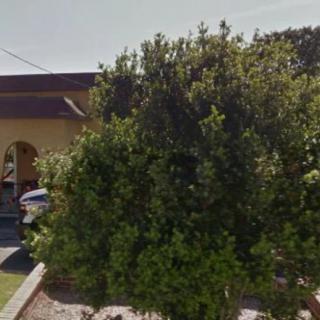





 Social Security Benefits and Assisted Living: Navigating Options Across the U.S.
 An Extensive Exploration of the VA Aid and Attendance Benefit
 Senior Transition Services: Understanding Their Role, Cost, and Importance