


1315 Texas Avenue, San Antonio, TX 78201
For more information about senior living options: (866) 208-4318
Overall Review of The Sarah Roberts French Home
Pros
 They take wonderful care of residents, treating them with dignity and respect.
- Residents are kept clean and wearing fresh clothes.
- The staff ensures residents can enjoy their preferred music all day.
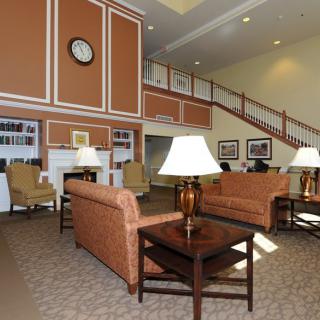
- The facility feels like a home and offers a warm, welcoming atmosphere.
- The administration keeps families informed, and the staff are generally friendly and caring.
- The building is consistently clean and well maintained, with a dedicated team across departments.
- The facility accepts private pay, Medicaid, and Medicare, helping families access care.
- The staff’s long tenure and commitment contribute to peace of mind for families.
Cons
 They don’t pay their vendor bills.
- The company should be ashamed of itself for not paying vendors while soliciting donations.
- The main nurse was horrible.
- The nurse was perceived as uncaring toward residents.
- A nurse was accused of not passing medications and instead charting.
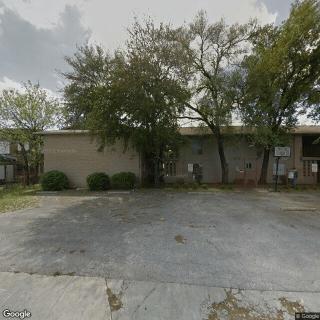
- The back of the old age home looked like an eyesore and blocked the view to the park.
- The facility lacked on-site security guards.
- The staff were described as very bad and the care was neglected.
Review
This community is best suited for families seeking a small, home-like setting for an older female relative who values warmth, cleanliness, and a personal touch over polish or campus-scale amenities. The Sarah Roberts French Home operates on a intimate scale, with a clear emphasis on dignity and daily comfort. It appeals to families looking for a budget-conscious option that still accepts Medicaid/Medicare and offers a more personal, “mom-and-dad’s-house” feel, rather than a large, impersonal facility. The all-women environment is a recurrent feature in several reviews and will matter to families prioritizing a single-gengender setting. In short, it suits residents who prioritize close-knit, familiar care in a modest, quieter place near a lake, with a willingness to trade some modern fixtures for legible, devoted attention.
That said, certain families should consider alternatives. Men and couples may find the layout and admissions preference limiting. Residents needing robust, specialized memory-care programming or highly structured, demonstrably reliable medication management should look elsewhere, given repeated concerns about staffing quality, turnover, and the handling of medications. Financial and governance considerations also come into play; reports of unpaid invoices and frequent staff changes signal potential instability in operations that may be unacceptable for families requiring tight oversight and predictable continuity of care. If security, richer amenities, or a larger, more polished campus environment are essential, this is likely not the right fit.
The strongest positives of the home tend to center on human elements that many reviewers value highly. An orderly, clean environment and a sense that residents are treated with respect and dignity are recurring themes, along with staff across administration, nursing, and maintenance who are described as caring and approachable. The facility’s smaller size can translate into more individualized attention, with families noting that residents are kept clean, fed, and engaged in a way that feels personal rather than transactional. The Medicaid/Medicare acceptance and the homier, lake-adjacent setting enhance affordability and everyday quality of life for residents who thrive in a gentler pace and appreciate staff who know their names and routines. These pros provide meaningful compensation for families who want relational warmth and predictable daily rhythms.
Yet the cons present serious considerations that cannot be ignored. Medication management and staffing consistency emerge as the most consequential risks, with multiple accounts alleging delays or failures in passing medications and tense, contentious interactions among staff and agency workers. High staff turnover translates into new faces and uncertain continuity of care, which undermines the very personalized attention that the facility claims to offer. Physical conditions, an older building with limited amenities and inconsistent security measures, add another layer of risk for families prioritizing safety, stimulation for cognitive residents, and a sense of modern comfort. The combination of these factors creates a real tension: the home’s strengths in warmth and cleanliness can be undermined by governance and operational gaps that affect resident safety and day-to-day reliability.
For families weighing a decision, practical criteria should drive visits and conversations. Prioritize a formal tour focused on medication administration, ask to observe a routine medication pass, confirm who administers meds, and inspect documentation practices. Probe staff continuity: what is the turnover rate, and how are new staff oriented to individual residents, especially those with Alzheimer’s or cognitive needs? Verify the facility’s ability to provide appropriate activities, light exposure, and mobility support, since several reviews point to gaps in stimulating an Alzheimer's resident’s day or maintaining mobility. Finally, confirm the admissions policy and whether male residents can be accommodated, and consider speaking with current families to gauge consistency of care and communication with administration.
Ultimately, The Sarah Roberts French Home delivers warmth, attentiveness, and a compact, affordable option that can be an excellent fit for a female relative who thrives in a small, home-like setting and whose care can be managed within the facility’s current staffing framework. The persistent concerns surrounding medication reliability, staff stability, and operational governance demand thorough vetting and an honest assessment of risk tolerance. If the family can couple the home’s intimate environment with proactive, ongoing oversight, seasoned by clear expectations and regular check-ins, this facility can be a good match. If not, it is wise to widen the search to alternatives with steadier staffing models and stronger memory-care capacity.
 60 resident community capacity
 Board and Care Home
 Skilled Nursing Facility
 Activities off-site
 Air-conditioning
 Beauty salon
 Cable or satellite TV
 Computer center
 Devotional services on-site
 Dining room
 Fitness room
 Fully furnished
 Gaming room
 Garden
 Housekeeping services
 Indoor common areas
 Kitchenette
 Move-in coordination
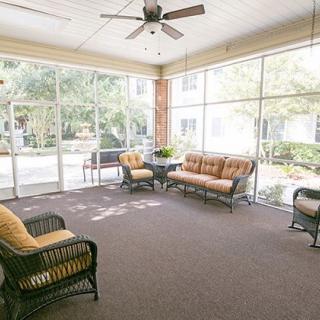
 Outdoor common areas
 Private bathrooms
 Restaurant-style dining
 Small library
 Telephone
 Wellness center
 Wi-Fi/high-speed internet available
 San Antonio International (7 miles away)
 Community operated transportation
 12-16 hour nursing
 24-hour call system
 Assistance with bathing
 Assistance with dressing
 Assistance with transfers
 Diabetes diet
 High acuity care
 Incontinence care
 Medication management
 Mental wellness program
 Special dietary restrictions
 Concierge services
 Planned day trips




 Understanding the Sandwich Generation: Stress and Responsibilities for Multigenerational Caregivers
 8 Essential Assistive Devices for Older Adults
 Navigating the Financial Road to Nursing Home Care: In-Depth Guidance and Resources