


207 West Merritt Street, Marshall, TX 75670
For more information about senior living options: (866) 208-4318
Overall Review of Marshall Manor West
Pros
 The staff at Marshall Manor West are very experienced.
- The nurses have been there for at least 10 years and are very good with the patients.
- The way they handle Alzheimer’s patients is totally amazing.
- The nurses’ experience makes the care much better.
- The dad seems to be doing really well there.
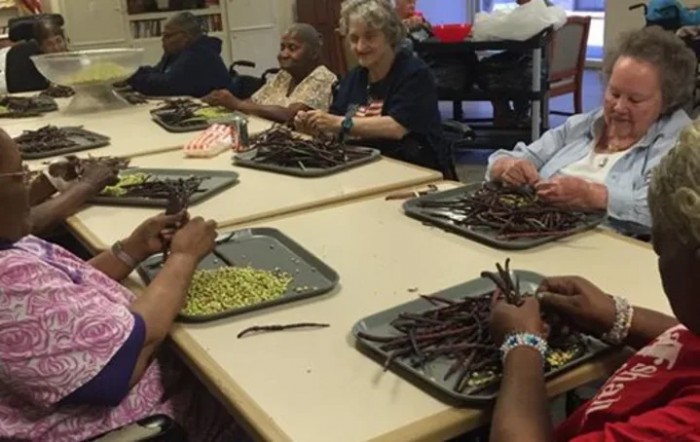
- The facility offers a variety of puzzles, games, and activities to keep residents engaged.
Cons
 The place is old.
- The community is older and not as pretty as newer ones.
Review
Marshall Manor West is best suited for families seeking dementia-focused care delivered by veteran, highly skilled nurses in a smaller, more intimate setting where proven caregiving matters more than showroom polish. The community’s core strength lies in its people: long-tenured staff who have built deep, practical expertise in handling Alzheimer’s and other memory impairments. Nurses and aides operating here bring a steady, confident touch to daily routines, which translates into fewer moments of uncertainty for residents and more predictable support for families. When a loved one’s cognitive needs are primary, this is a place where care consistency, trust, and specialized know-how drive stability and improvement. Quality of life appears to hinge less on the aesthetics of the space and more on the reliability and competence of those delivering care.
Those who may want to consider alternatives are those who prize modern decor, expansive amenities, or large, bustling memory-care campuses. The facility itself is older and not as pretty as newer properties, a factor that can matter to families seeking a bright, contemporary environment. For families looking for a wide array of individualized programming beyond group activities, other communities with bigger activity calendars or more private space per resident may be a better fit. In short, a love of sleek interiors or a wider range of amenities could steer decisions toward different options, even when dementia care remains a priority.
The strongest pros, expert, long-tenured staff and a dementia program that truly works, largely offset the main drawbacks. With most nurses having ten or more years on site, consistent caregiving emerges as the backbone of daily life, fostering trust and reducing the stress often associated with memory care transitions. The approach to Alzheimer's is described as exceptional, with routines and strategies that minimize agitation and boost engagement. A relatively small Alzheimer’s population, about 12 to 15 residents, allows caregivers to stay closely connected, ensuring that each person receives attentive, purposeful programming rather than being lost in a crowded schedule. Group activities like puzzles, games, and communal TV time provide structure and social connection that many families value highly.
Nevertheless, the facility’s age and its less-polished ambience carry weight in decision-making. The environment may feel dated or less vibrant than newer campuses, which can influence mood and perceived stimulation for some residents. While activity offerings exist, the format leans toward group engagement rather than a broad menu of highly individualized therapies. For families whose loved one responds best to one-on-one attention, more private space, or a broader spectrum of therapeutic modalities, alternatives with a more contemporary feel could prove more satisfying. The key is to weigh the comfort of a familiar, well-staffed dementia unit against the appeal of a brighter, more extractable array of amenities elsewhere.
Practical steps help translate these impressions into a sound choice. Prospective families should inquire about staffing stability, training specifics, and how dementia care plans are customized and updated as needs evolve. Observing direct interactions with residents, especially during moments of confusion or agitation, offers a frank view of real-world care dynamics. Request a sample daily schedule to assess how routines balance group engagement with individual attention, and examine the physical space for safety, accessibility, and comfort. Clarify what a typical day looks like for a resident with moderate to advanced memory impairment, including activities, supervision, and opportunities for meaningful companionship.
Ultimately, Marshall Manor West stands out for those who need dependable, seasoned dementia care delivered with a steady, compassionate hand. The combination of long-tenured staff and an effective Alzheimer’s program provides genuine day-to-day stability that can outweigh the drawbacks of an older building. For families prioritizing top-tier caregiver expertise over upscale surroundings, this community offers a pragmatic, trustworthy option that can yield meaningful improvements in a loved one’s trajectory. If a modern, expansive memory-care campus with abundant private spaces and high-end amenities is the non-negotiable goal, alternatives should be pursued. For a resident whose dementia care hinges on consistent, skilled supervision within a closely observed unit, Marshall Manor West presents a convincing, practical path.
 115 resident community capacity
 Skilled Nursing Facility
 Air-conditioning
 Beauty salon
 Cable or satellite TV
 Computer center
 Dining room
 Fitness room
 Fully furnished
 Gaming room
 Garden
 Housekeeping services
 Kitchenette
 Move-in coordination
 Outdoor space
 Private bathrooms
 Restaurant-style dining
 Small library
 Telephone
 Wellness center
 Wi-Fi/high-speed internet available
 Gregg County (22 miles away)
 Community operated transportation
 12-16 hour nursing
 24-hour call system
 Activities of daily living assistance
 Assistance with bathing
 Assistance with dressing
 Assistance with transfers
 Diabetes diet
 Medication management
 Mental wellness program
 Special dietary restrictions
 Concierge services
 Planned day trips






 Comprehensive Exploration of Living Wills and Other Advance Directives
 A Detailed Exploration of Living Wills and Advance Directives
 Comprehensive Guide to Medicare Coverage for Hospice Care