Marshall Manor Nursing & Rehabilitation Center

Save
Marshall Manor Nursing & Rehabilitation Center Marshall Manor Nursing & Rehabilitation Center

Marshall Manor Nursing & Rehabilitation Center

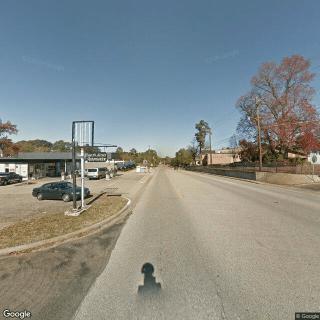
1007 South Washington Avenue, Marshall, TX 75670

For more information about senior living options: (844) 490-3973

2.8 from 9 reviews
5 stars
4
4 stars
0
3 stars
0
2 stars
0
1 stars
5

Skilled Nursing Facility

What level of care are you interested in?

Assisted Living

Memory Care

Independent Living

Skilled Nursing Facility

Continuing Care Retirement Community (CCRC)CCRC

Other


Request a tour at Marshall Manor Nursing & Rehabilitation Center

    Overall Review of Marshall Manor Nursing & Rehabilitation Center

    Pros

    • pro The administration and CNAs were wonderful.
    • pro The employees are very friendly and the residents are even friendlier.
    • pro They treat the mother like family.
    • pro Visitors can visit anytime.
    • pro The nurses and aides are the best.
    • pro They immediately call if anything happens, even something minor.
    • pro It is considered the best nursing home in town.

    Cons

    • pro The nursing staff and wound care team almost killed the patient's father.
    • pro Dana was very unprofessional and uncaring toward the family.
    • pro Dana made a Gestapo-type statement implying everyone would receive the lesser amount of visiting time.
    • pro The family was escorted out of the building while the father was dying, despite pleas to stay.
    • pro The reviewer believes Marshall Manor's claim of care and support for families is a lie.
    • pro The front office was slow and unfriendly, with staff on the phone or copier and not arriving on time.
    • pro The back desk was loud and unprofessional, with staff talking and joking, and one staff member in a wheelchair cussing and preaching.

    Review

    Marshall Manor is painted by some residents and families as a place where the administration and CNAs shine. In these accounts, the staff are described as exceptionally friendly, and the residents as welcoming and sociable. One reviewer notes that the caregivers treat their mother "like family," and that visits are easy and frequent: "We visit anytime we want to. The nurses and aids are the best. They immediately call if anything happens, even something minor." The tone here is warm and hopeful, suggesting a homey environment where the day-to-day care is attentive and heartfelt. The impression given is that, on many days, the facility delivers quality interaction, prompt communication, and a supportive atmosphere for both residents and their families.

    But beneath that hopeful surface lies a starkly contrasting experience that has left one family traumatized and deeply resentful. The same facility, they say, became the backdrop for what they describe as the worst 24 hours of their lives. The father was admitted to hospice care, and the family sought information about visiting policies. Their contact with Dana is recounted with vivid discomfort: Dana is described as "very unprofessional and uncaring," and the questions about who could visit and for how long sparked a cascade of tension. The family was confronted with policy distinctions tied to geography - differences between visits allowed for out-of-state relatives versus those who live nearby - which were difficult to understand, and Dana allegedly made a "gestapo type statement" that if the policy wasn't followed, "ok then everyone gets the lesser amount of time." The reviewer emphasizes the emotional impact of the moment - "The hairs on my arm stood straight up" - and the sense that the care environment was being overshadowed by harsh management behavior rather than compassionate guidance.

    The episode intensified as the father's condition progressed toward hospice and the family experienced what they describe as a severe breach of empathy. After an hour and a half, the family was told to leave. The mother cried and begged for a little more time to be with family and to call out to loved ones, but the request was denied, and the reviewer was "escorted" out of the building. The language is stark and traumatic: "heartless, disrespect and disgusting show of ?management' in my life." The reviewer frames this as a direct contradiction to the very message that Marshall Manor promotes - care and support for patients and their families. The resulting impression is that the management style they encountered was not aligned with the care values they expected, and they describe the entire experience as a personal betrayal.

    In a separate thread within the same broad narrative, another encounter paints a different shade of the facility's reputation. This reviewer repeats a claim of being told to arrive at a set time, only to wait. The scene unfolds with a sense of inefficiency and frustration: the reviewer arrived 20 minutes early for a 2:00 pm appointment, waited past the appointed time, and found the front office staff disengaged. The moment grows more uncomfortable as a "Lady in 2nd office" is described as being on the phone and "sort of hateful about it." The sense of a lack of attentiveness is reinforced by a separate visual impression - "I saw woman I was supposed to talk to. She was on copier and had not come to front office." The environment at the back of the facility is depicted as chaotic or unconcerned, with "3 Black women" at the back desk described as "cussing and preaching and calling people there." The reviewer adds that they observed staff who were "all talking and laughing real loud and joking," a combination that left them with the impression that the space wasn't in a state fit for their mother's care. The conclusion drawn by this reviewer is clear: the atmosphere and staff behavior in that moment were not conducive to placing a family member there.

    Taken together, these reviews present a facility that can appear in two very different lights. On one hand, the administration and CNAs can be genuinely praised for warmth, accessibility, and a sense that families can become part of the community. The repeated affirmations - "Best nursing home in town," "Your family is their family," and the emphasis on immediate calls when something happens - suggest a core strength in daily care and a culture of inclusion that many families value deeply. It is easy to see why some families feel reassured, supported, and grateful for the level of attention that caregivers can provide, especially when life is complicated by illness or end-of-life transitions.

    On the other hand, these experiences reveal a troubling underside that cannot be ignored. The hospice episode, the confrontational and unsympathetic engagement with visiting policies, and the feeling of being forced out during a critical moment all combine to create a story of care that is at odds with the ideal the facility appears to strive for publicly. The descriptions of management as controlling, the use of language likening policy enforcement to a "gestapo" approach, and the sense that respectful, patient-centered communication was replaced by rigidity and coercion, are no small concerns. The second account of a perceived lack of courtesy and professionalism at the front desk and back desks - where staff appeared distracted, dismissive, or loud - adds another layer to the overall assessment: a facility that can feel chaotic and unwelcoming at times, even when its best moments showcase compassion and warmth.

    For readers weighing Marshall Manor, these narratives suggest that experiences there may vary dramatically depending on who is involved, when events occur, and how policy and communication are handled. The warmth and family-oriented care described by one reviewer stand in stark contrast to the distress and disillusionment expressed by another. The common thread is a reminder that the quality of care is not merely a function of the institution's policies, but also of everyday interactions, staffing consistency, and the emotional intelligence of those who guide families through difficult moments. If you're considering this facility, these accounts advocate for approaching with a balanced mindset: recognize the potential for genuine, thoughtful care, while also asking pointed questions about visiting policies, emergency communications, and the steps the administration takes when families feel misheard or dismissed. In the end, the stories reflect a place of possibility and pain, care and critique, all coexisting within the same walls.

    Features

    Housing

    • 169 resident community capacity 169 resident community capacity

    Types of Care

    • Skilled Nursing Facility Skilled Nursing FacilitySkilled Nursing Facilities are crucial for seniors as they provide round-the-clock medical care, rehabilitation services, and assistance with daily activities. These facilities ensure that seniors receive the specialized care they need to maintain their health and well-being as they age.

    Amenities

    • Air-conditioning Air-conditioningAir conditioning is important for seniors as they are more vulnerable to heat-related illnesses and may have underlying health conditions that make it difficult for them to regulate their body temperature. It helps to keep them comfortable, safe, and healthy in hot weather.
    • Beauty salon Beauty salonBeauty salons are important for seniors because they provide a space for them to feel pampered, socialize, and maintain their personal grooming and hygiene. Regular visits to a beauty salon can help boost seniors' self-esteem and overall well-being.
    • Cable or satellite TV Cable or satellite TVCable or satellite TV is important for seniors because it provides entertainment, news, and companionship, helping to combat loneliness and boredom. It also offers a wide range of programming options tailored to different interests and preferences.
    • Computer center Computer centerA computer center is essential for seniors as it provides access to technology, communication tools, and resources that can enhance their daily lives. It allows them to stay connected with loved ones, engage in online activities, and learn new skills, ultimately promoting socialization and mental stimulation.
    • Dining room Dining roomDining rooms are important for seniors as they provide a space for socialization, connection, and nutritious meals. They offer opportunities for residents to bond over shared meals, foster a sense of community, and promote healthy eating habits. Dining rooms also ensure that seniors have access to well-balanced meals tailored to their dietary needs and preferences.
    • Fitness room Fitness roomHaving a fitness room in a senior living community is essential for seniors to stay active, maintain their physical health, and improve their overall well-being. Regular exercise can help prevent falls, reduce the risk of chronic diseases, and promote mental sharpness. It also provides social opportunities for residents to connect with others and enjoy a sense of community.
    • Fully furnished Fully furnishedFully furnished senior living communities are important for seniors because they provide convenience, comfort, and a hassle-free moving experience. Seniors can easily settle into their new living space without the stress of having to buy and move furniture. This allows them to focus on enjoying their new home and community.
    • Gaming room Gaming roomGaming rooms are important for seniors as they provide a fun and engaging environment for socializing, cognitive stimulation, and physical activity. Games can improve memory, problem-solving skills, and overall mental well-being while fostering friendships and reducing feelings of isolation.
    • Garden GardenGardens are important for seniors as they provide a peaceful and therapeutic environment for relaxation, physical activity, and socialization. Being in nature has been shown to reduce stress, improve mood, and promote overall well-being. Gardens also offer opportunities for seniors to engage in gardening activities, which can improve mobility, flexibility, and cognitive function. Additionally, gardens create a sense of community and connection with others who share a passion for plants and outdoor spaces.
    • Housekeeping services Housekeeping servicesHousekeeping services are important for seniors because they help maintain a clean and safe living environment, promote independence, and reduce the risk of accidents or illnesses. Additionally, having assistance with household chores can alleviate physical strain and allow seniors to focus on other aspects of their well-being.
    • Kitchenette KitchenetteKitchenettes are important for seniors living in senior living communities because they provide the convenience and independence of being able to prepare simple meals and snacks in the comfort of their own living space. This can help promote a sense of autonomy and well-being for seniors, allowing them to maintain some level of control over their dietary choices and daily routines.
    • Move-in coordination Move-in coordinationMove-in coordination is important for seniors because it helps ease the transition into their new living environment. It ensures that all logistics, such as packing, organizing movers, and setting up utilities are taken care of, allowing seniors to focus on settling in and adjusting to their new home. Having a smooth move-in process can alleviate stress and anxiety, making the transition smoother and more enjoyable for seniors.
    • Outdoor space Outdoor spaceOutdoor spaces are important for seniors as they provide opportunities for physical activity, social interaction, exposure to natural light and fresh air, and a sense of connection to nature. Having access to outdoor spaces can improve overall well-being and quality of life for older adults living in senior communities.
    • Private bathrooms Private bathroomsPrivate bathrooms are important for seniors in senior living communities because they provide independence, dignity, and comfort. Having a private bathroom allows seniors to maintain their personal hygiene routines without the need for assistance, promoting a sense of autonomy and privacy. Additionally, private bathrooms help prevent the spread of infections and provide a safe and clean environment for seniors to navigate safely.
    • Restaurant-style dining Restaurant-style diningRestaurant-style dining is important for seniors because it allows them to enjoy delicious, nutritious meals in a social and upscale setting. This enhances their dining experience, promotes healthy eating habits, and fosters socialization with fellow residents, ultimately contributing to their overall well-being and quality of life.
    • Small library Small librarySmall libraries are important for seniors as they provide access to a variety of reading materials, including books, newspapers, and magazines. This can help stimulate their minds, keep them engaged, and provide a sense of community through book clubs and other social activities. Additionally, reading has been shown to improve cognitive function and overall mental well-being in older adults.
    • Telephone TelephoneTelephones are important for seniors as they provide a lifeline for communication with loved ones, emergency services, and healthcare providers. They offer a sense of security and independence, enabling seniors to stay connected and access assistance when needed.
    • Wellness center Wellness centerWellness centers are important for seniors because they offer a variety of programs and services that promote physical, mental, and emotional well-being. These centers provide opportunities for exercise, socialization, education, and relaxation, helping seniors maintain their overall health and quality of life.
    • Wi-Fi/high-speed internet available Wi-Fi/high-speed internet availableWi-Fi/high-speed internet is important for seniors to stay connected with loved ones, access online resources, and participate in virtual activities to combat feelings of loneliness and isolation. It also allows them to easily manage healthcare needs, access entertainment, and engage in lifelong learning opportunities.

    Transportation

    • Gregg County (23 miles away) Gregg County (23 miles away)
    • Community operated transportation Community operated transportationCommunity operated transportation is crucial for seniors as it provides them with the means to access essential services, social activities, and medical appointments. It allows seniors to maintain their independence and quality of life by ensuring they can participate in activities outside of their homes. Additionally, community-operated transportation services offer a safe and reliable way for seniors to travel without having to rely on family or friends for assistance.
    • Transportation arrangement Transportation arrangementTransportation arrangements are crucial for seniors as they may face challenges with driving, mobility, or access to public transportation. Having reliable transportation services ensures that seniors can easily attend appointments, social activities, and maintain their independence and quality of life.
    • Transportation arrangement (non-medical) Transportation arrangement (non-medical)Transportation arrangements are essential for seniors as they provide access to essential services, activities, and social interactions outside the home. This service helps maintain independence, mobility, and overall well-being for seniors who may have limited transportation options.
    • Transportation to doctors appointments Transportation to doctors appointmentsTransportation to doctors appointments is crucial for seniors as it ensures they have access to necessary medical care and support, promoting their health and well-being. It allows them to receive timely treatment, monitor existing conditions, and address any new health concerns efficiently. Additionally, transportation services can help seniors maintain their independence and quality of life by enabling them to stay connected with their healthcare providers.

    Care Services

    • 12-16 hour nursing 12-16 hour nursing12-16 hour nursing care is crucial for seniors in order to ensure around-the-clock monitoring, timely medication administration, and prompt response to any health concerns or emergencies. This level of care helps to promote the overall well-being and safety of seniors living in senior living communities.
    • 24-hour call system 24-hour call system24-hour call systems are important for seniors because they provide peace of mind and immediate assistance in case of emergencies. This technology ensures that help is always available, promoting safety and security for elderly individuals living alone or in assisted living facilities.
    • 24-hour supervision 24-hour supervision24-hour supervision is important for seniors to ensure their safety, well-being, and access to immediate assistance in case of emergencies or health issues. This constant support provides peace of mind for both seniors and their loved ones, allowing them to age in place with dignity and security.
    • Activities of daily living assistance Activities of daily living assistanceActivities of daily living assistance are important for seniors because they provide essential support with tasks such as eating, bathing, dressing, and mobility. This assistance helps seniors maintain their independence, dignity, and overall quality of life as they age.
    • Assistance with bathing Assistance with bathingAssistance with bathing is crucial for seniors as it helps maintain personal hygiene, prevents infections, and ensures their overall well-being and comfort. It also provides a sense of dignity and independence for seniors who may struggle with this task on their own.
    • Assistance with dressing Assistance with dressingAssistance with dressing is important for seniors because it helps maintain their independence, promotes personal hygiene, prevents accidents and injuries, and improves overall quality of life. This service ensures that seniors can continue to dress comfortably and confidently, despite any physical limitations they may have.
    • Assistance with transfers Assistance with transfersAssistance with transfers is crucial for seniors as it helps prevent falls and injuries, maintains their independence, and ensures they can safely navigate their living environment. It also provides peace of mind for both seniors and their loved ones.
    • Diabetes diet Diabetes dietA diabetes diet is crucial for seniors as it helps manage blood sugar levels, reduce risks of complications, and improve overall health and well-being. By following a balanced and nutritious diet tailored to their specific needs, seniors can better control their diabetes and enhance their quality of life.
    • Meal preparation and service Meal preparation and serviceMeal preparation and service are crucial for seniors as they may have limited mobility or energy to cook nutritious meals. Having access to healthy and convenient food options can ensure they are getting the proper nutrition needed to maintain their overall health and well-being.
    • Medication management Medication managementMedication management is crucial for seniors to ensure they are taking the right medications at the correct dosages and times. This helps prevent adverse drug interactions, reduces the risk of medication errors, and promotes overall health and well-being. Proactive management also allows for adjustments as needed based on changing health conditions or new prescriptions.
    • Mental wellness program Mental wellness programMental wellness programs are essential for seniors as they promote cognitive stimulation, emotional support, and social engagement. These programs help prevent isolation, depression, and cognitive decline, ultimately enhancing the overall quality of life for older adults.
    • Special dietary restrictions Special dietary restrictionsSpecial dietary restrictions are important for seniors because age-related changes in metabolism and health conditions can make it difficult for their bodies to process certain foods. By following a diet tailored to their specific needs, seniors can maintain their overall health and well-being, manage chronic conditions, and reduce the risk of complications such as malnutrition or food interactions with medications.

    Dining

    • Diabetes diet Diabetes dietA diabetes diet is crucial for seniors as it helps manage blood sugar levels, reduce risks of complications, and improve overall health and well-being. By following a balanced and nutritious diet tailored to their specific needs, seniors can better control their diabetes and enhance their quality of life.
    • Special dietary restrictions Special dietary restrictionsSpecial dietary restrictions are important for seniors because age-related changes in metabolism and health conditions can make it difficult for their bodies to process certain foods. By following a diet tailored to their specific needs, seniors can maintain their overall health and well-being, manage chronic conditions, and reduce the risk of complications such as malnutrition or food interactions with medications.

    Activities

    • Community-sponsored activities Community-sponsored activitiesCommunity-sponsored activities are important for seniors as they provide opportunities for social interaction, mental stimulation, and physical activity. These activities can help improve overall well-being, combat loneliness and isolation, and promote a sense of belonging and purpose among older adults.
    • Concierge services Concierge servicesConcierge services are essential for seniors as they provide assistance with daily tasks and errands, enhance their quality of life by offering convenience and personalized care, and promote a sense of safety and security.
    • Fitness programs Fitness programsFitness programs are crucial for seniors as they help improve strength, flexibility, balance, and overall well-being. Staying active can reduce the risk of chronic diseases, improve mental health, and enhance quality of life in older adults.
    • Planned day trips Planned day tripsPlanned day trips are important for seniors because they offer opportunities for socialization, mental stimulation, and physical activity. They provide a change of scenery and help seniors stay engaged and connected to their community, promoting overall well-being and quality of life.
    • Resident-run activities Resident-run activitiesResident-run activities are important for seniors as they encourage social interaction, creativity, and a sense of autonomy. These activities empower seniors to stay engaged and active in their community while fostering meaningful connections with their peers.
    • Scheduled daily activities Scheduled daily activitiesScheduled daily activities are important for seniors because they provide structure, socialization, mental stimulation, and physical activity. Engaging in regular activities can improve overall well-being and quality of life for seniors living in a community setting.

    Description

    Marshall Manor Nursing & Rehabilitation Center in Marshall, TX is an exceptional assisted living community that provides a comfortable and enriching environment for its residents. With a wide range of amenities and care services, residents can enjoy a high quality of life while receiving the assistance they need.

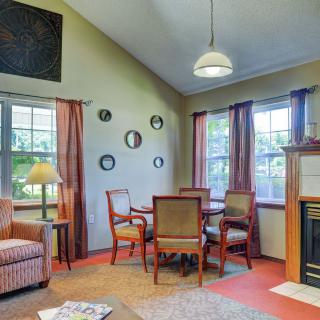
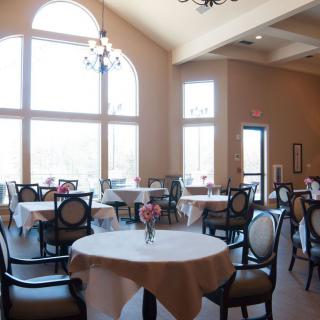
    The community offers numerous amenities to enhance the residents' experience. There is a beauty salon on-site, allowing residents to maintain their appearance and feel pampered. Cable or satellite TV is available in each resident's room, ensuring entertainment options are readily accessible. Community operated transportation makes it convenient for residents to get around town for various activities and appointments. The computer center allows residents to stay connected with loved ones or pursue personal interests online. The dining room offers restaurant-style dining, where delicious meals are prepared and served daily. For those who enjoy physical fitness, there is a fitness room available on-site. The gaming room provides opportunities for socializing and friendly competition among residents. A garden and outdoor space allow residents to enjoy nature and spend time outdoors. Housekeeping services ensure that common areas and individual rooms are kept clean and tidy. Each resident has a private bathroom for their convenience and privacy. There is also a small library where residents can find books to read at their leisure. Telephone access, transportation arrangement (non-medical), wellness center, wi-fi/high-speed internet are additional amenities provided.

    The care services offered at Marshall Manor Nursing & Rehabilitation Center prioritize the well-being of each resident. With 24-hour call system and supervision available, help is always just a button away for any urgent needs or concerns that may arise. Trained staff provide assistance with activities of daily living such as bathing, dressing, and transfers for those who require support in these areas. Medication management ensures that each resident receives their prescribed medications on time and as directed by healthcare professionals. Meal preparation and service cater to special dietary restrictions including diabetes diet, ensuring that each resident's nutritional needs are met. A mental wellness program is in place to support the emotional and psychological well-being of residents. Transportation arrangements make it convenient for residents to attend medical appointments when needed.

    At Marshall Manor Nursing & Rehabilitation Center, residents can enjoy a vibrant social life with scheduled daily activities and many opportunities for engagement. Concierge services are available to assist with any special requests or needs. Fitness programs and planned day trips allow residents to stay active and explore their interests. Resident-run activities provide an opportunity for residents to take an active role in planning and organizing events within the community.

    Conveniently located near parks, pharmacies, physicians, restaurants, transportation options, places of worship, theaters, and hospitals, Marshall Manor Nursing & Rehabilitation Center ensures that residents have easy access to essential amenities in their surrounding community.

    Overall, Marshall Manor Nursing & Rehabilitation Center offers a comfortable and supportive environment where residents can maintain their independence while receiving personalized care and enjoying a wide range of amenities and activities.

    Nearby Places of Interest

    Pharmacies

    • Medicine Chest Pharmacy (0.1 miles)
    • Matthewson Drug Co. (0.2 miles)
    • Super 1 Foods 631 (1.2 miles)
    • Super 1 Foods Pharmacy (1.3 miles)
    • Walgreens (1.3 miles)
    • CVS Pharmacy (1.5 miles)
    • City Drug Co. (15.4 miles)

    Physicians

    • Marshall Professional Building (0.1 miles)
    • Texas Oncology-Marshall (0.1 miles)
    • Marshall Women's Clinic (0.2 miles)
    • East Texas Pediatrics (0.2 miles)
    • Fernandes, Susan Genesis Primecare (0.2 miles)
    • Luis Balbuena Jr., MD (0.2 miles)
    • Marshall Pediatric Clinic (0.3 miles)

    Hospitals

    • Good Shepherd Medical Center (0.1 miles)
    • Marshall Regional Medical Center Home Care (0.5 miles)
    • First In Pediatrics HHC (15.5 miles)

    Restaurants

    • Burger Shop (0.4 miles)
    • Mariscos La Conchita (0.7 miles)
    • Dragon Donuts (0.7 miles)
    • Venue Restaurant (0.7 miles)
    • Sweet Sabine's (0.7 miles)
    • Pazzeria By Pietro's (0.7 miles)
    • Cajun Tex (0.9 miles)

    Places of Worship

    • Emmanuel Seventh Day Adventist Church (0.4 miles)
    • New Life Church of God in Christ (0.5 miles)
    • Southside Church of Christ (0.6 miles)
    • Center Hill Fwb Church (0.7 miles)
    • Trinity Episcopal School (0.7 miles)
    • First Baptist Church (0.7 miles)
    • First Presbyterian Church (0.8 miles)

    Transportation

    • Amtrak (1.1 miles)
    • U-Haul (1.6 miles)
    • Alamo (2 miles)
    • TNT Railcar Service (14.1 miles)
    • Jefferson & Cypress Bayou Railway (15.5 miles)

    Theaters

    • Marshall Cinema (1.3 miles)

    Parks

    • Lions Park (1.5 miles)
    • Caddo Lake State Park (15 miles)
    • Otstott Park (15.4 miles)

    Cafes

    • The Taste Of Caddo Caf (15.3 miles)
    • Texas Club Cafe (15.4 miles)

    Frequently Asked Questions

    Where is Marshall Manor Nursing & Rehabilitation Center?

    Nearby Communities

    Skilled Nursing Facility in Nearby Cities

    Related Resources

    • how to pay for nursing homeNavigating the Financial Road to Nursing Home Care: In-Depth Guidance and Resources

      The article offers detailed guidance on the financial complexities of nursing home care, covering costs, payment methods, and alternative funding strategies while emphasizing the importance of proactive planning and legal considerations for individuals and families making care decisions.

    • caregiver benefitsSupportive Employee Benefits That Help Caregivers Attain Better Work-Life Harmony
      The article emphasizes the critical role of supportive employee benefits for caregivers, advocating for flexible scheduling, paid leave, and mental health services to ease their challenges while enhancing employee well-being and organizational loyalty. It also highlights the importance of strong leadership in promoting these initiatives to foster a sustainable workplace culture that values caregivers.

    • best car for seniorsTop Cars for Senior Drivers and Essential Safety Innovations

      Senior drivers prioritize comfort, safety, and ease of use in vehicles due to age-related challenges, seeking features like easy entry, clear visibility, and modern driver-assistance technologies. Recommended models include the Subaru Forester, Honda CR-V, and Toyota Camry, with emphasis on test-driving for personal comfort and evaluating crash-test ratings alongside insurance considerations.


    Get Pricing Ask A Question Schedule A Tour Contact Senior Advisor