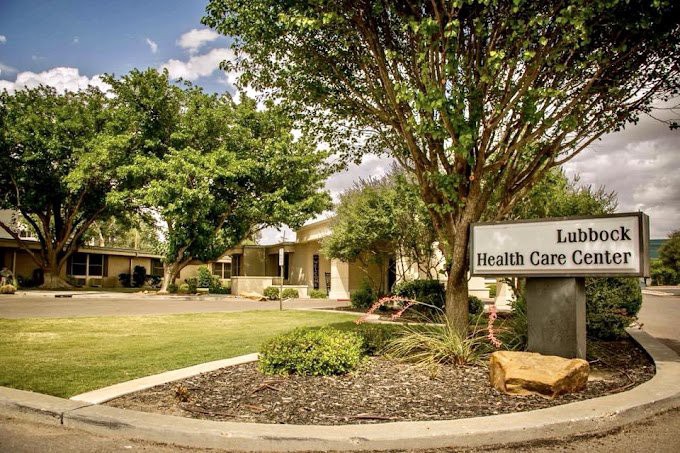
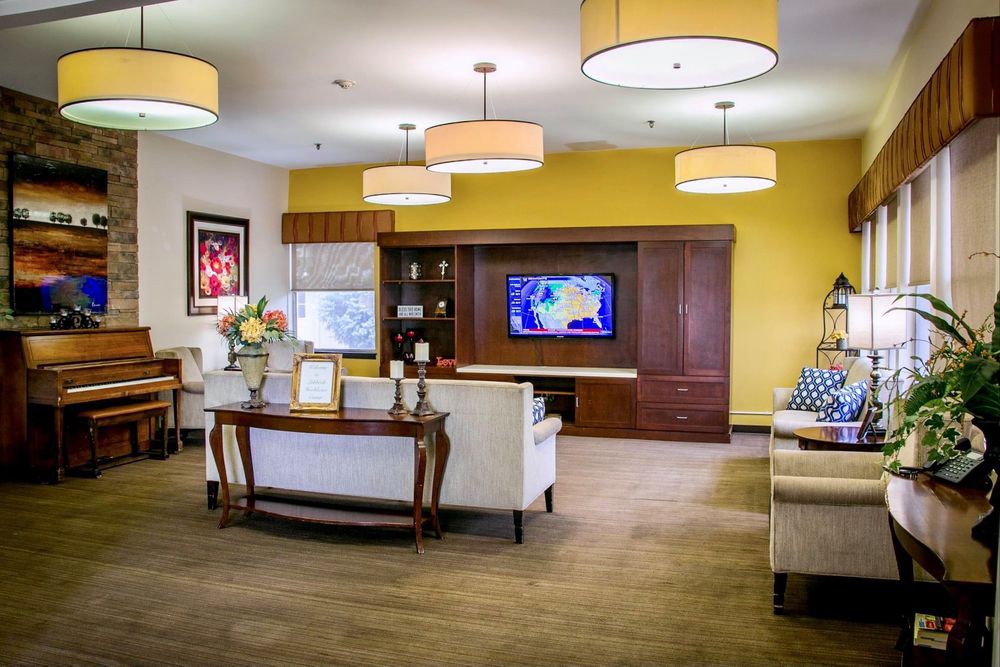
Residents and families repeatedly describe a clean, odor-free facility.
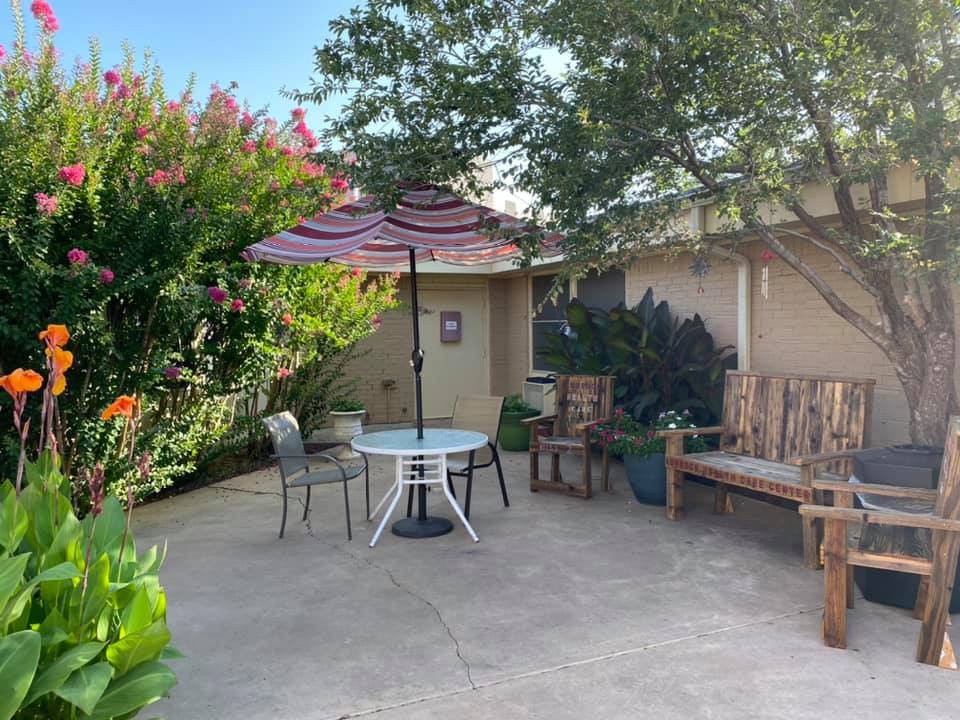
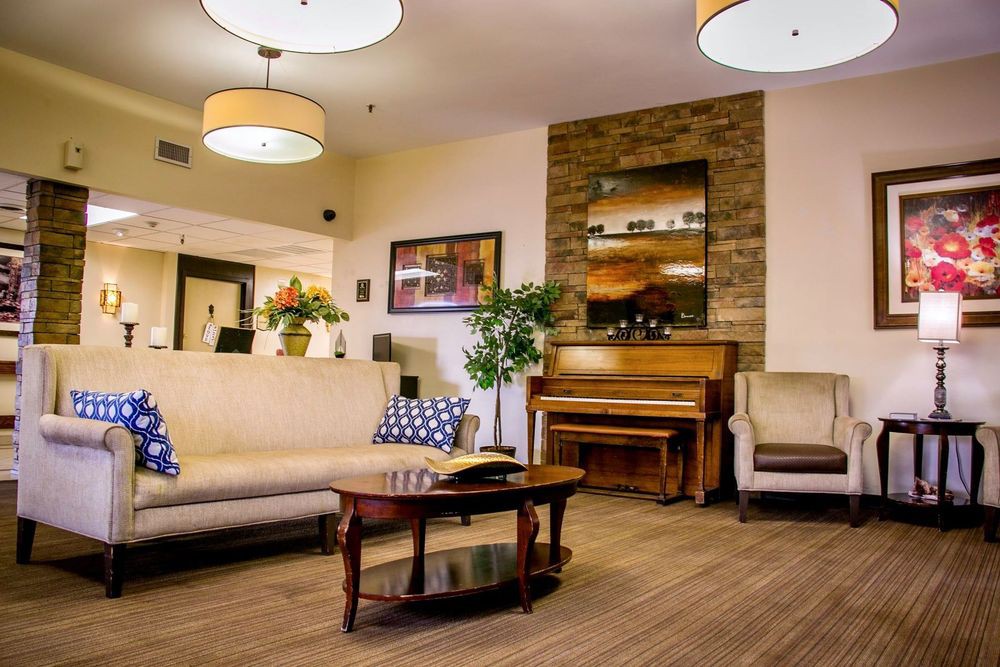
Many reviewers emphasize cleanliness, including comments about no odors, a well-maintained building, and a fresh, home-like feel. Several visits are described with residents looking clean and engaged in activities, which reviewers connect to how the facility is kept. A few reviews also note the facility looks more welcoming than a typical nursing setting.
common20 reviews mention this
Care team is kind and supportive
Staff kindness and responsiveness come up across many reviews.
Reviewers describe staff members as caring, compassionate, and helpful, from daily support to addressing family concerns. Multiple comments single out the administrative or admission side, including working with insurance and being supportive during a difficult transition. Several reviewers say staff treated them like family and were available to answer questions.
differentiator6 reviews mention this
Therapy support stands out
Therapy is described as a major reason residents improve.
Several reviewers call therapy top-tier or excellent, and describe therapists paying attention and helping patients make progress. Families also mention therapy teams helping patients regain abilities, including moving toward independent living. One review credits therapy with a meaningful recovery after a hospital stay.
common4 reviews mention this
Food quality is a mixed point
Residents often mention meal quality, with some inconsistency.
Some reviewers describe the food positively, including meals tasting good and the dining experience smelling appealing. Others note variety or dietary choices for meals, while one reviewer specifically criticizes breakfast quality even while saying lunch and dinner were good. Overall, dining feedback centers on taste and consistency rather than the room itself.
caveat3 reviews mention this
Call-button and attention complaints
Some reviews raise concerns about delayed help.
A small set of negative reviews describe situations where help took too long, including long waits for call-light response. Other complaints include periods when a resident was left in a wheelchair for hours or without necessary items like a walker or shower. These reviewers characterize the issues as unacceptable and say their loved ones did not receive the level of attention they expected.
How we summarize
Counts show how many written reviews mention each theme; a review can touch several themes, and only frequently mentioned themes are displayed.
Features
Housing
120 resident community capacity
Types of Care
Skilled Nursing Facility
Amenities
Air-conditioning
Beauty salon
Cable or satellite TV
Computer center
Dining room
Fitness room
Fully furnished
Gaming room
Garden
Housekeeping services
Kitchenette
Move-in coordination
Outdoor space
Private bathrooms
Restaurant-style dining
Small library
Telephone
Wellness center
Wi-Fi/high-speed internet available
Transportation
Lubbock International (8 miles away)
Community operated transportation
Transportation arrangement
Transportation arrangement (non-medical)
Transportation to doctors appointments
Care Services
12-16 hour nursing
24-hour call system
24-hour supervision
Activities of daily living assistance
Assistance with bathing
Assistance with dressing
Assistance with transfers
Diabetes diet
Meal preparation and service
Medication management
Mental wellness program
Special dietary restrictions
Dining
Diabetes diet
Special dietary restrictions
Activities
Community-sponsored activities
Concierge services
Fitness programs
Planned day trips
Resident-run activities
Scheduled daily activities
Nearby Places of Interest
Physicians
Dr David Blann Ob/Gyn (0.1 miles)
Dr Blann, Dr M. Owen And Dr J. Owen (0.1 miles)
Covenant Medical Group Dalton's Office (0.1 miles)
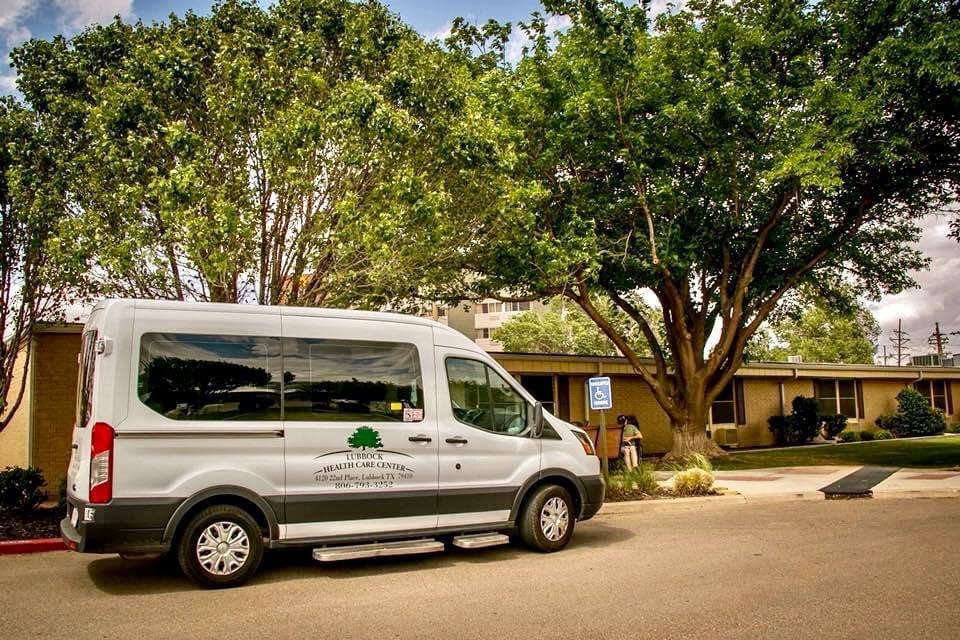
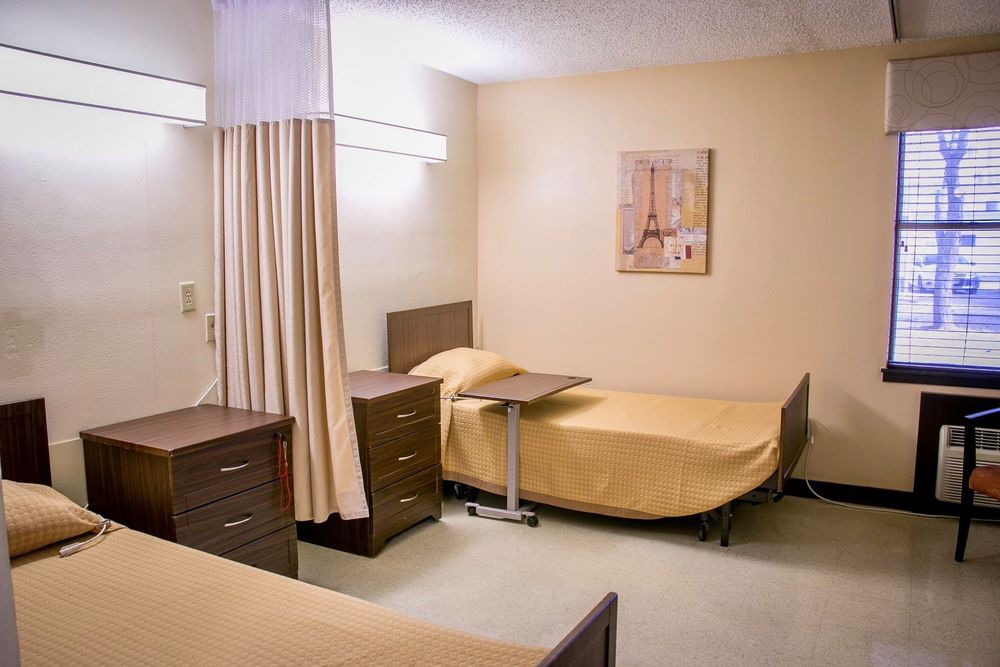
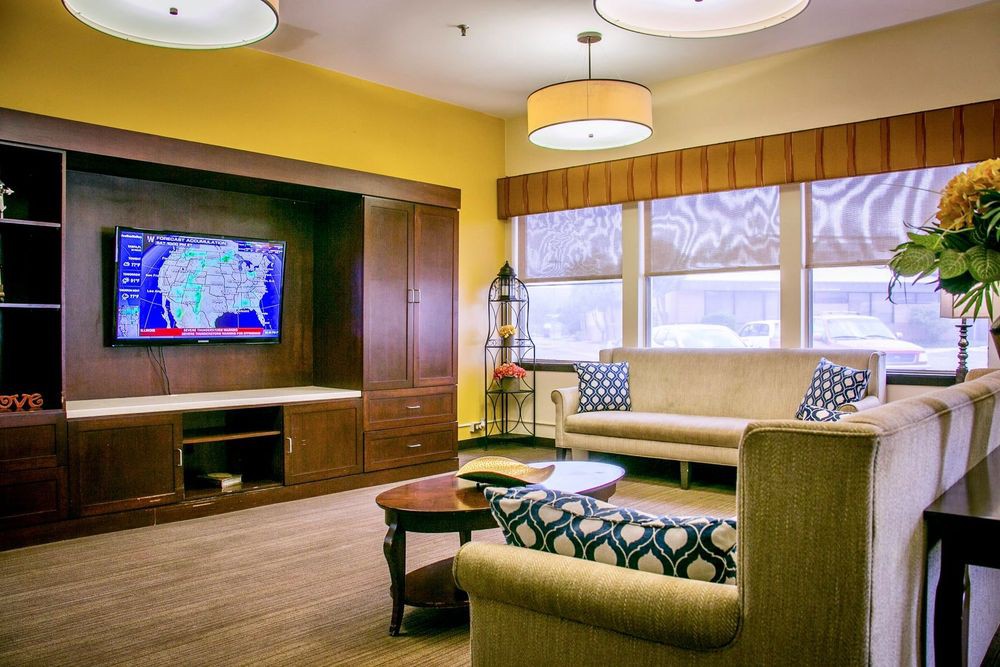
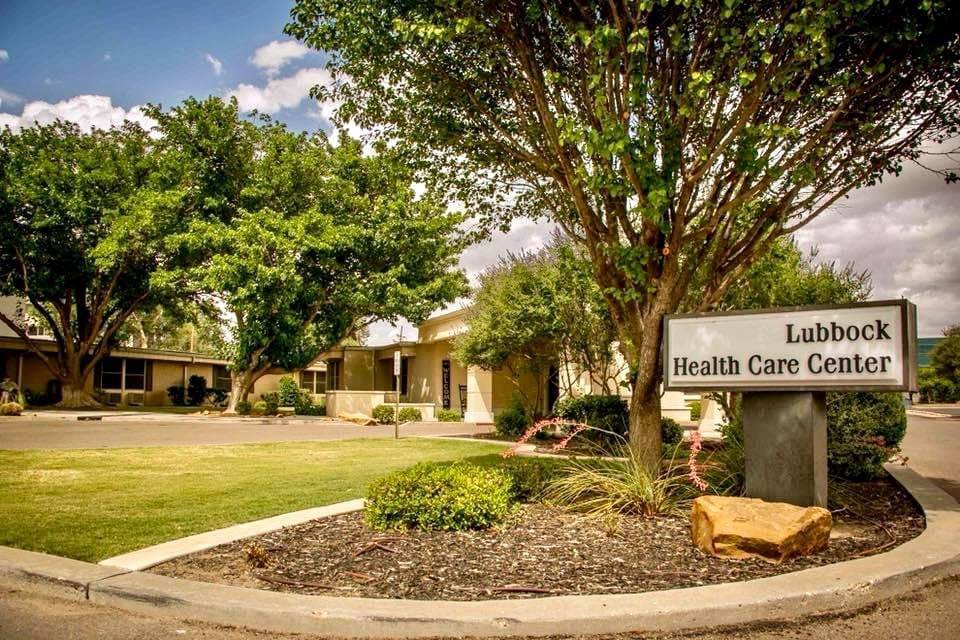
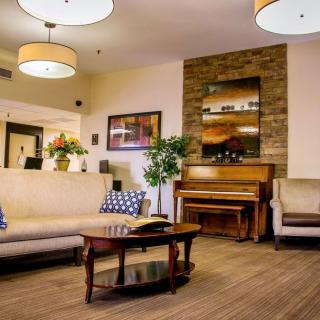
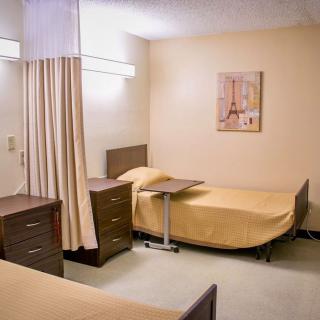
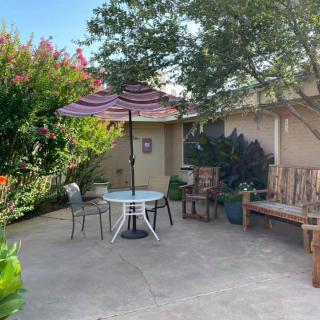
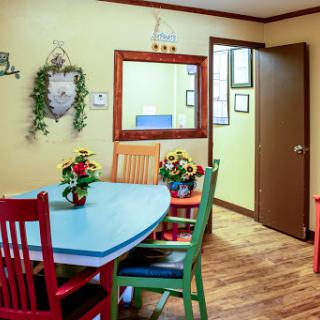
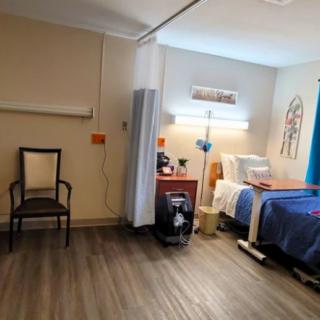
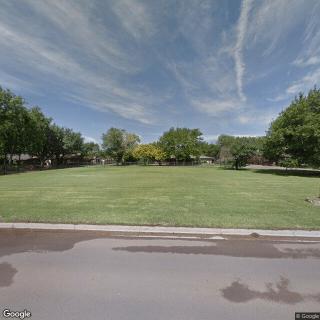
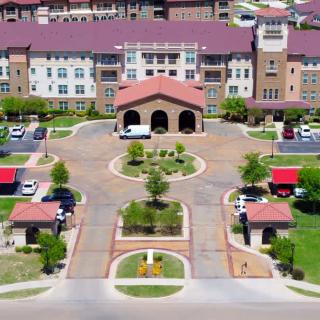
Lubbock Health Care Center on seniors.fyi includes 9 photos including images showing building, trees, interior, living room, television, lighting, decor, bedroom, and more.
Nearby Communities
Sisters of Loving Arms
Lubbock, TX
3.3 from 3 reviews
$2,400 to $2,800 / month
Welcoming, family-like atmosphere with communal spaces and meals included.
Lakeside Rehabilitation And Care Center
Lubbock, TX
4 from 28 reviews
Extensive amenities and care services (dining, wellness, transportation, activities, private rooms).
Transitional Learning Center At Lubbock
Lubbock, TX
5 from 3 reviews
Supportive board-and-care with diabetes-friendly meals, 24/7 supervision, and coordinated healthcare.
Mi Casita Nursing And Rehabiitation Center
Lubbock, TX
3 from 10 reviews
Extensive on-site amenities and round-the-clock care.
Southern Specialty Rehab & Nursing
Lubbock, TX
4.2 from 100 reviews
Extensive amenities and 24/7 care with comprehensive services (dining, transportation, wellness, activities).
August Healthcare
Lubbock, TX
4.1 from 101 reviews
Excellent access to numerous nearby restaurants, hospitals, pharmacies, and entertainment.
Manna Acres
Lubbock, TX
2.6 from 5 reviews
$2,500 to $3,000 / month
Affordable, comprehensive assisted living in a small, home-like community with on-site amenities.
Brookdale Remington Park
Lubbock, TX
4.3 from 145 reviews
$3,605 to $9,340 / month
Friendly, attentive staff; clean, bright environment with engaging activities.
The Isle at Raider Ranch
Lubbock, TX
4.7 from 81 reviews
$3,745 to $4,920 / month
Caring staff and a luxurious, well-maintained environment with engaging activities.
Home health nursing is an expanding field where licensed professionals provide specialized medical care in patients' homes, addressing the needs of an aging population through personalized services like assessments and medication management. Effective collaboration with healthcare teams, cultural sensitivity, and quality assurance measures are essential for fostering trust and ensuring positive patient outcomes.
Medicare covers in-home health care services, which are medical and provided by licensed professionals under a physician's supervision, whereas non-medical personal assistance is generally not covered unless part of a broader skilled care plan. Eligibility for benefits depends on being homebound and needing intermittent skilled services from a Medicare-certified agency, with specific coverage limitations and additional resources available for navigating options.
In-home care is increasingly sought after by older adults for maintaining independence, with average private home care rates in 2025 varying by state and service type, reflecting geographical and local labor market influences. As demand rises, families are considering funding options like Medicaid waivers and long-term care insurance to manage costs effectively while ensuring quality care.
Get PricingAsk A QuestionSchedule A TourContact Senior Advisor
By clicking submit, you agree to our Partner's Terms of Use. You
also consent to receive calls and texts, which may be autodialed, from our Partner. Your consent is not a condition to
using our Partner's service. Please visit our Partner's Privacy Policy for information about their privacy practices.






 120 resident community capacity
 Skilled Nursing Facility
 Air-conditioning
 Beauty salon
 Cable or satellite TV
 Computer center
 Dining room
 Fitness room
 Fully furnished
 Gaming room
 Garden
 Housekeeping services
 Kitchenette
 Move-in coordination
 Outdoor space
 Private bathrooms
 Restaurant-style dining
 Small library
 Telephone
 Wellness center
 Wi-Fi/high-speed internet available
 Lubbock International (8 miles away)
 Community operated transportation
 12-16 hour nursing
 24-hour call system
 Activities of daily living assistance
 Assistance with bathing
 Assistance with dressing
 Assistance with transfers
 Diabetes diet
 Medication management
 Mental wellness program
 Special dietary restrictions
 Concierge services
 Planned day trips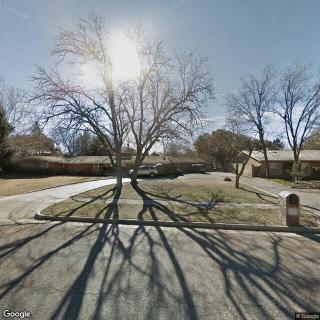
 Welcoming, family-like atmosphere with communal spaces and meals included.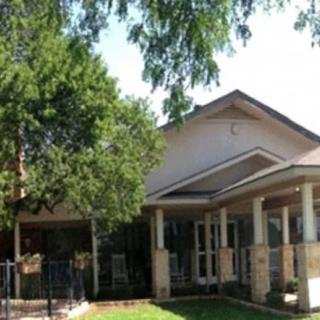



 Exploring the World of Home Health Nurses: Qualifications, Roles, and Hiring Tips
 Navigating Medicare Coverage for In-Home Care Services
 In-Home Care Costs in 2025: A Detailed State-by-State Exploration