
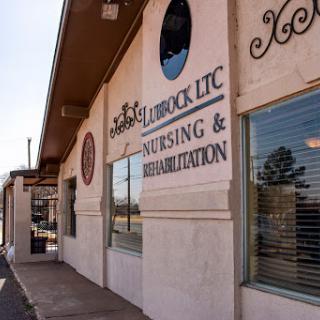
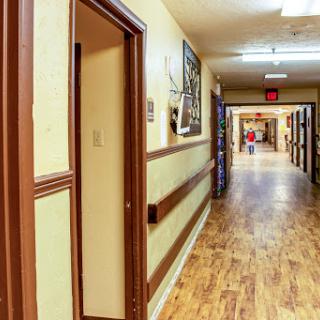

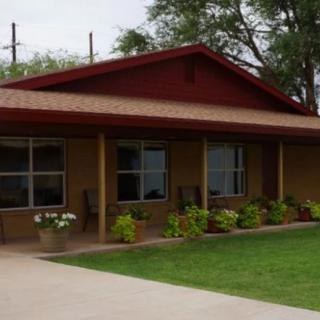
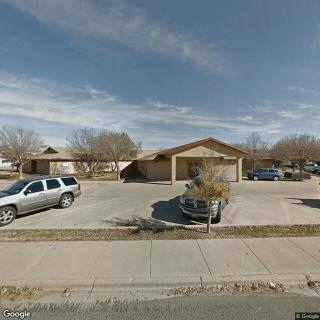
2400 Quaker Avenue, Lubbock, TX 79410
For more information about senior living options: (866) 208-4318
Overall Review of Mi Casita Nursing And Rehabiitation Center
Pros
 The nursing staff are good.
- The staff are friendly, nice, and accommodating.
- The physical staff is phenomenal.
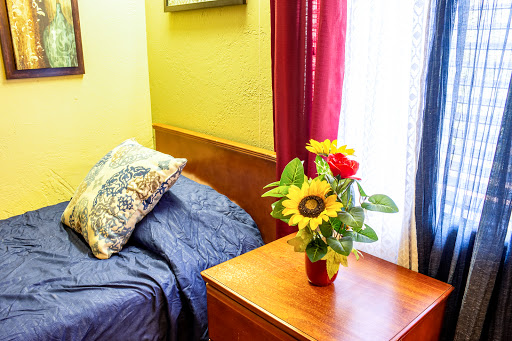
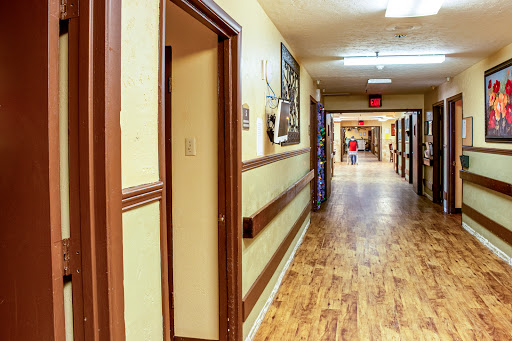
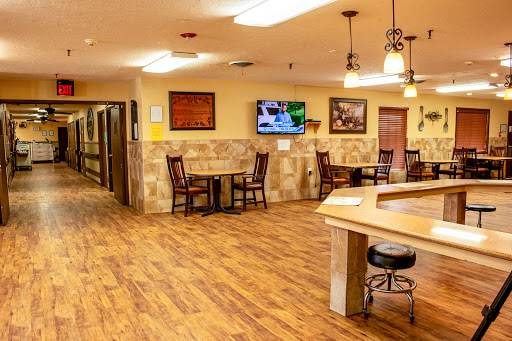
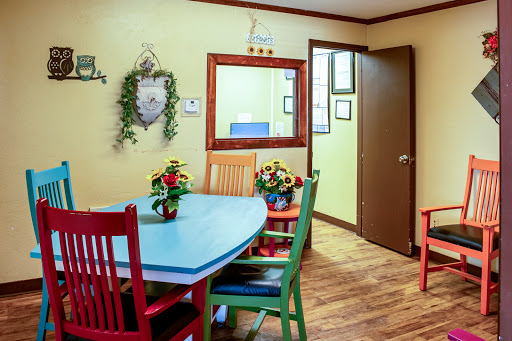
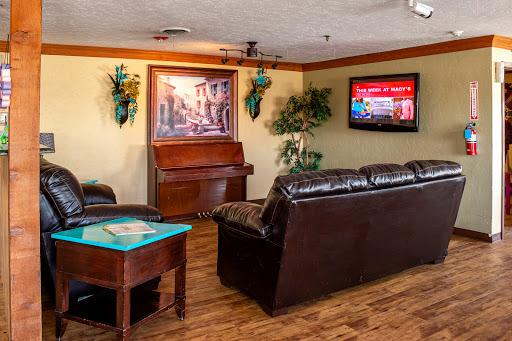
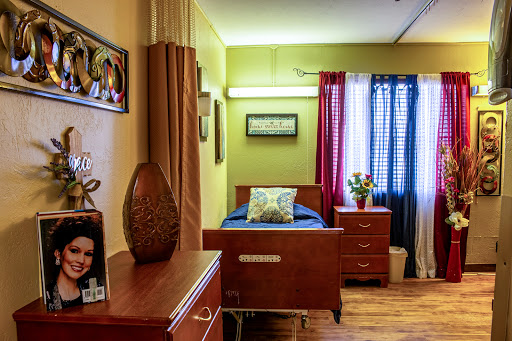
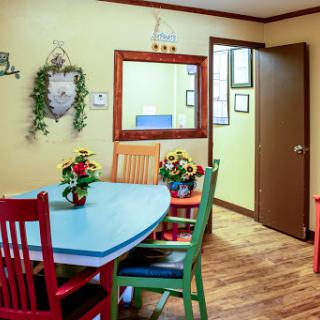
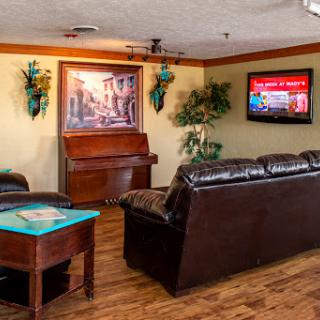
- The staff are awesome, and the place is nice, clean, and home-like.
- They provided 21 days of wound care.
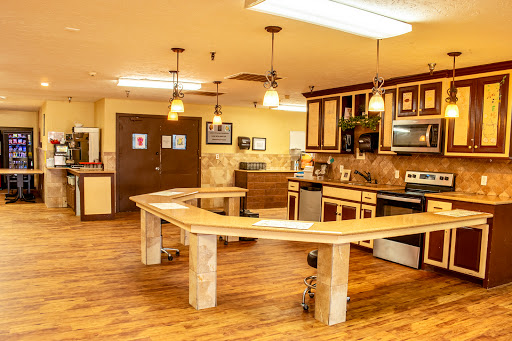
- Newly renovated and under new management.
Cons
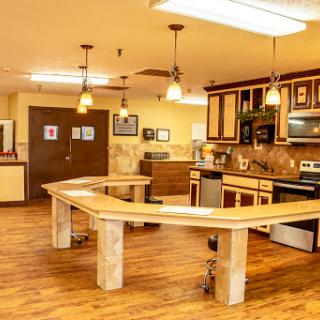
 The reviewer describes the place as horrible, with dirty counters, a dirty stove and microwave, and dirty towels by the sink.
- There is a perceived lack of housekeeping and no visible activity, with EMS not being called when someone was choking.
- There is neglect and poor awareness among certain nurses; not all staff, but some.
- A nurse administered someone else’s medication due to a labeling error.
- Blood pressure readings were taken with inaccurate/outdated machines, leading to being placed on BP meds unnecessarily.
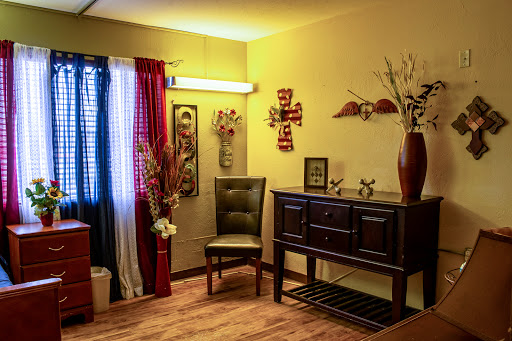
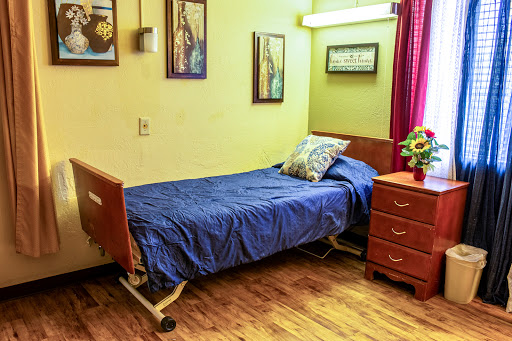
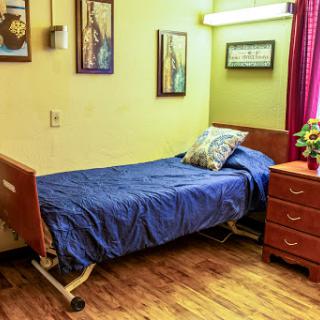
- The environment contained safety hazards: nails sticking out of the wall, a tiny room with no chairs, a broken unsafe wheelchair, and no shower for days.
- The facility allegedly charged $9,000 after a resident died, claiming coverage that was not true, and does not allow stays for those who can’t pay.
Review
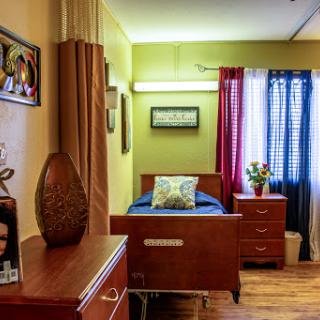
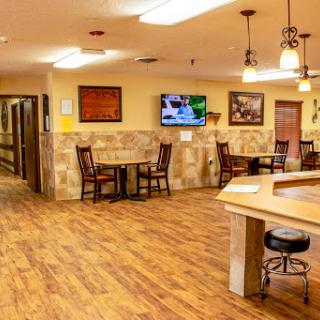
Mi Casita Nursing and Rehabilitation Center in Lubbock is best suited for families working within a tight budget who still want a basic, home-like setting and clear access to rehabilitation services. The facility has been described as newly renovated and decidedly affordable, offering practical rehab potential without the trappings of a high-end care environment. It appeals to relatives who are prepared to stay actively involved in day-to-day oversight, press for timely service when concerns arise, and prioritize functional care over luxury. In short, it serves cost-conscious families who value practical rehab opportunities enough to tolerate some service gaps.
Those who should consider alternatives are families demanding unwavering safety, consistently reliable nursing oversight, and pristine cleanliness. The most troubling themes across feedback are inconsistent nursing practices and documented medication errors, which raise serious concerns about ongoing clinical reliability. Cleanliness gaps in shared spaces and kitchens, visible maintenance hazards such as exposed nails, and small, cramped private rooms further undermine safety and dignity for residents with mobility or cognitive challenges. For residents who require consistent, around-the-clock nursing attention, a structured activity program, or strict infection-control standards, other communities are likely to deliver greater peace of mind.
On the plus side, the strongest redeeming features lie in the rehabilitation-focused care and the attentiveness of some direct-care staff. Family members note that physical therapy staff can be phenomenal, and the presence of capable aides helps residents maintain dignity and comfort during daily routines. The sense of a home-like environment, combined with a willingness to renovate and maintain spaces, can make short-term stays more tolerable and even positive for some residents. There is also anecdotal evidence of effective wound care when it’s needed, which signals that concrete clinical tasks can be managed competently by the right team in the right moments.
The downsides aren’t incidental or minor; they anchor risk in daily life. Reports of mislabeling medications, inconsistent nursing checks, and a history of care lapses point to gaps in process and training. Cleanliness concerns extend beyond cosmetic issues into genuine hygiene and infection-control questions. The physical hazards, such as nails protruding from walls or broken equipment, pose real danger to residents who struggle with balance or impulsivity. Room size and layout can limit privacy and comfort, and the perceived paucity of engaging activities can leave some residents under-stimulated. Financial issues after a resident’s death, including disputes over charges, further complicate trust and planning for families.
Ultimately, the decision hinges on balancing rehab value against clinical risk. When families can provide vigilant oversight, visiting frequently, monitoring med rounds, and demanding rapid responses, the rehab potential and compassionate staff services can deliver meaningful benefits at a lower cost. The affordability and basic, home-like atmosphere offer genuine appeal for households prioritizing value and practical care over polish. But this offset only holds if safety, cleanliness, and nursing reliability can be demonstrated consistently. If those protections cannot be assured, moving to a community with stronger nursing oversight and more robust daily programming is prudent.
Practical next steps for decision-makers are concrete and focused. Arrange a comprehensive on-site tour with a checklist that emphasizes safety features, room dimensions, and cleanliness. Observe medication administration procedures and request recent care plans, staffing ratios, and incident logs to gauge consistency. Speak with current residents and families about daily activities, responsiveness, and how emergencies are handled. If clear assurances on safety and reliable nursing care cannot be produced, or if the facility cannot commit to sustained improvements, it is wise to pursue alternatives. For families willing to accept some risk in exchange for affordability and rehab access, Mi Casita remains a feasible option, provided a proactive advocacy plan accompanies the stay.
 95 resident community capacity
 Skilled Nursing Facility
 Air-conditioning
 Beauty salon
 Cable or satellite TV
 Computer center
 Dining room
 Fitness room
 Fully furnished
 Gaming room
 Garden
 Housekeeping services
 Kitchenette
 Move-in coordination
 Outdoor space
 Private bathrooms
 Restaurant-style dining
 Small library
 Telephone
 Wellness center
 Wi-Fi/high-speed internet available
 Lubbock International (8 miles away)
 Community operated transportation
 12-16 hour nursing
 24-hour call system
 Activities of daily living assistance
 Assistance with bathing
 Assistance with dressing
 Assistance with transfers
 Diabetes diet
 Medication management
 Mental wellness program
 Special dietary restrictions
 Concierge services
 Planned day trips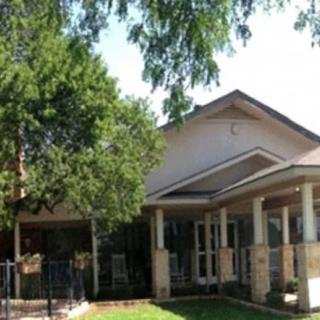






 In-Depth Look at the VA Aid and Attendance Program
 Nurturing Our Loved Ones: A Daughter's Journey in Caring for Her Mother
 Nurturing Our Elders: Linda's Journey of Supporting Her Mother