
4510 27Th Street, Lubbock, TX 79410
For more information about senior living options: (866) 208-4318
Overall Review of Bender Terrace Of Lubbock
Pros
 Bender Terrace and its staff are a blessing to families.
- Bender Terrace staff understand and take care of residents' needs.
- The staff at Bender Terrace are wonderful and caring.
- Ruth, the administrator, is a wonderful and caring leader for the residents and staff.
- Caring staff and happy residents characterize Bender Terrace.
- CNAs are awesome and nurses regularly check on residents.
Cons
 The floors were the nastiest the reviewer had ever seen in a nursing home, with residents living in filth.
- Upon entry the facility was described as beyond unacceptable, and a sister’s room had to be cleaned with supplies purchased by the visitor.
- Debris and trash were visible in the halls, and roaches came out in the restroom after lights were turned on.
- The place was called a joke and was described as failing to provide basic care.
- The facility was warned against for neglecting patients, with some residents attempting to escape.
- Beds were falling apart and there were never enough helpers; abuse by a nurse’s aide led to moving a relative.
- It was advised not to send a loved one there as the care was poor and unsafe.
- A grandmother’s toilet was filled with feces and the facility was described as extremely unsanitary and disgusting.
- The place was described as a run-down hell hole with inadequate staff and poor conditions.
- A father died there, with photographs showing bruises and blood, highlighting a lack of hygiene and multiple incidents.
Review
Bender Terrace of Lubbock is best suited for families that want a hands-on, administrator-led environment and are prepared to supervise day-to-day care closely. The community tends to reward residents with responsive caregivers and a leadership team that can be trusted to push care plans forward when families stay involved. This setup works for seniors who need rehab or routine assistance but whose relatives are ready to advocate, document concerns, and demand timely improvements rather than rely on a flawless, hands-off experience.
On the flip side, this is not a fit for families seeking pristine, consistently hygienic surroundings or a risk-free safety environment. Repeated reports describe dirty floors, debris in rooms, roaches in restrooms, and what some families call neglect or indifference. There are serious red flags around resident safety, including allegations of abuse and investigations tied to care quality. For residents with high needs for daily assistance, rigorous infection control, or dependable supervision, the risk profile is too high, making alternatives worth serious consideration.
Yet the strongest counterweight to the negative visuals lies in the care staff when properly supported. Many reviewers praise CNAs and nurses who visit regularly, and several accounts single out the administrator, Ruth, for listening with compassion, taking ownership, and coordinating care. When care plans are adhered to and staff are available, families report meaningful benefits: clearer communication, reliable routines, and genuine warmth toward residents. These positives prove the building and its people can deliver solid daily care, if oversight remains constant and expectations are clearly enforced.
Where the pros meet the cons, the operational gaps dominate the experience. Observations of dirty rooms, aging infrastructure, inconsistent housekeeping, and intermittent environmental controls weigh heavily on trust. Reports of beds in disrepair, delayed baths for rehab residents, staffing shortages, and tense, even hostile responses under pressure are not isolated anecdotes. Concerns about hygiene, infection risk, and equipment reliability recur enough to undermine confidence. Coupled with questions about temperature management and meal quality, these factors collectively shape a fragile sense of safety and comfort.
For families evaluating this community, a practical approach is essential. Schedule visits at different times, demand observed cleanliness and infection-control practices, and press for a transparent review of each resident’s care plan. Speak with frontline staff about responsibilities, response times, and escalation procedures. Confirm staffing ratios, request recent quality metrics, and check for any regulatory inquiries or investigations. Establish a non-negotiable checklist, hygiene, timely baths, safe room conditions, and consistent communication, and secure contract language that codifies required updates. If these assurances cannot be obtained, or if red flags persist, aggressively consider alternatives.
In sum, Bender Terrace of Lubbock can serve as a viable option for families who are prepared to be vigilant partners in care and who value a responsive administrator and caring frontline staff. However, the constellation of cleanliness and safety concerns means the facility is not suitable for everyone, especially those unable or unwilling to supervise care closely. The prudent path is to compare with other area options that carry stronger public signals of consistency, verify regulatory histories, and insist on rigorous oversight if pursuing this community. When proceeding, set explicit expectations, require measurable improvements, and maintain a clear transition plan should the environment fail to meet those standards.
 120 resident community capacity
 Skilled Nursing Facility
 Air-conditioning
 Beauty salon
 Cable or satellite TV
 Computer center
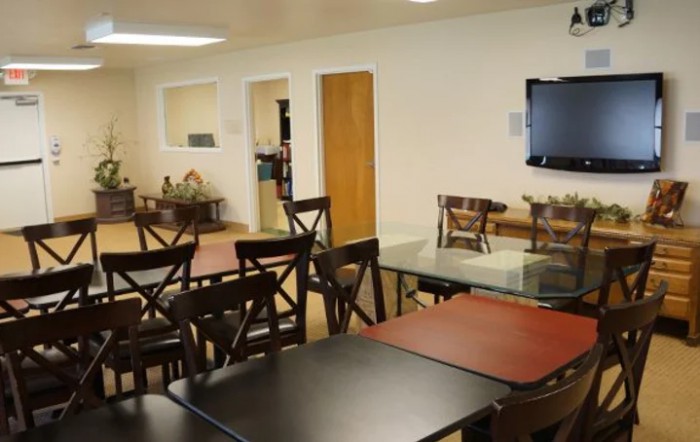
 Dining room
 Fitness room
 Fully furnished
 Gaming room
 Garden
 Housekeeping services
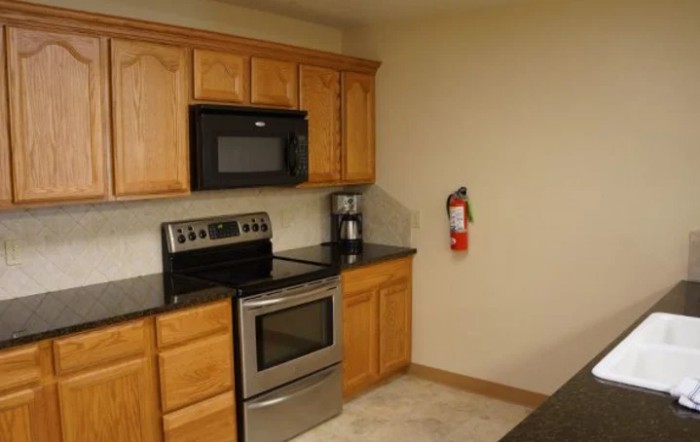
 Kitchenette
 Move-in coordination
 Outdoor space
 Private bathrooms
 Restaurant-style dining
 Small library
 Telephone
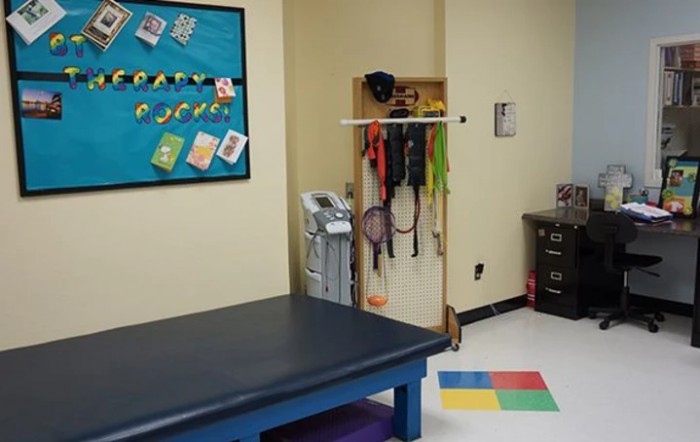
 Wellness center
 Wi-Fi/high-speed internet available
 Lubbock International (8 miles away)
 Community operated transportation
 12-16 hour nursing
 24-hour call system
 Activities of daily living assistance
 Assistance with bathing
 Assistance with dressing
 Assistance with transfers
 Diabetes diet
 Medication management
 Mental wellness program
 Special dietary restrictions
 Concierge services
 Planned day trips






 California's Form 602A: An In-Depth Examination of Senior Care Assessment
 Comprehensive Look at Senior Blood Pressure Charts: Normal and Elevated Levels by Age
 Top Canine Companions for Older Adults