Overall Review of Hilltop Village Nursing And Rehabilitation Center
common
Staff and residents feel like family
Many residents describe staff who treat them and their families like family.
A large share of reviewers emphasize a warm, respectful approach from staff, often saying they feel cared for as people, not just patients. Several also mention specific roles like nurses, therapists, and the business office as being helpful, patient, and responsive. Cleanliness and organized daily care show up alongside these comments, reinforcing the overall impression of attentive support.
differentiator
Rehab therapy is a big focus
Reviews repeatedly highlight rehab therapy teams who support progress and daily goals.
Reviewers frequently connect their outcomes to therapy staff, describing caring therapists and rehab that keeps residents engaged. Some mention wound care being closely monitored and therapists working to individualize treatment. The community also offers skilled nursing services and a rehab setting, aligning with how many reviewers describe their experience after hospital stays or surgeries.
common
Food is often praised
Dining and food quality come up often in reviews, including comments about home-cooked flavor.
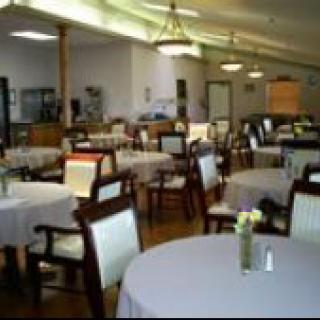
Many reviewers describe the meals as a standout, using phrases like great food, top-notch food, and home-cooked style with good flavor. Others mention the dining experience as more like a restaurant than a cafeteria. Even among less favorable reviews, meals are described more as adequate than the main driver of the criticism, suggesting food is a steadier strength than some other areas.
caveat
Communication and staffing can slip
Some reviewers report missed calls, short staffing, and inconsistent communication.
While many reviews praise helpful staff, several describe difficulty getting callbacks, unanswered phones, or delays when contacting the right person. A smaller set of comments also says staffing felt short at times, with some describing certain shifts as less engaged with residents. A few reviewers also raise concerns about medication handling or regular hygiene, which points to inconsistency rather than a universally reported problem.
How we summarize
We summarize when many written reviews mention each theme; a review can touch several themes, and only frequently mentioned themes are displayed.
Features
Housing
150 resident community capacity
Types of Care
Skilled Nursing Facility
Amenities
Air-conditioning
Beauty salon
Cable or satellite TV
Computer center
Dining room
Fitness room
Fully furnished
Gaming room
Garden
Housekeeping services
Kitchenette
Move-in coordination
Outdoor space
Private bathrooms
Restaurant-style dining
Small library
Telephone
Wellness center
Wi-Fi/high-speed internet available
Transportation
Community operated transportation
Transportation arrangement
Transportation arrangement (non-medical)
Transportation to doctors appointments
Care Services
12-16 hour nursing
24-hour call system
24-hour supervision
Activities of daily living assistance
Assistance with bathing
Assistance with dressing
Assistance with transfers
Diabetes diet
Meal preparation and service
Medication management
Mental wellness program
Special dietary restrictions
Dining
Diabetes diet
Special dietary restrictions
Activities
Community-sponsored activities
Concierge services
Fitness programs
Planned day trips
Resident-run activities
Scheduled daily activities
Nearby Places of Interest
Places of Worship
Southwest TX Conference-United (0.2 miles)
Christ Church Presbyterian (0.5 miles)
Kerrville Bible Church (0.7 miles)
Calvary Baptist Church (1.2 miles)
Impact Church (1.5 miles)
Real Life Fellowship (1.6 miles)
Barnett Chapel Methodist (1.7 miles)
Restaurants
Culver's (1.2 miles)
Chick-Fil-A (1.3 miles)
McDonald's (1.3 miles)
Sonic Drive-In (1.3 miles)
El Jimador (1.3 miles)
Raising Cane's Chicken Fingers (1.3 miles)
Chili's Grill & Bar (1.3 miles)
Pharmacies
Walmart Pharmacy (1.3 miles)
CVS Pharmacy (1.8 miles)
H-E-B Pharmacy (1.9 miles)
Medical Arts Pharmacy (2.1 miles)
Walgreens (2.2 miles)
The Medicine Stop (2.7 miles)
Cafes
Starbucks (1.3 miles)
Snowflake Donuts & Kolaches Shop (1.4 miles)
Sno on the River (1.8 miles)
Hardback Cafe (2.2 miles)
Donut Palace (2.2 miles)
Kelani Yogurt (2.2 miles)
Hill Country Cafe (2.4 miles)
Transportation
U-Haul (1.4 miles)
Jetz Taxidermy Supply (1.7 miles)
Enterprise Rent-A-Car (2.2 miles)
Enterprise Rent-A-Car (2.5 miles)
Physicians
Rosson, Dorothy Dr-Peterson Urgent Care (1.6 miles)
Dr specks (1.6 miles)
South Texas Cardiovascular Consultants - Kerrville (1.6 miles)
Hill Country Vision Center - Kerrville (1.8 miles)
Hill Country Digestive Health (2.1 miles)
Anesthesia Associates (2.1 miles)
Kerrville Oral & Maxillofacial Surgery (2.1 miles)
Hospitals
Kerrville State Hospital (2.1 miles)
Peterson Regional Medical Center (2.3 miles)
Peterson Regional Health Care Center (2.4 miles)
Kerrville Sid Peterson Hospital (2.4 miles)
Peterson Regional Ambulatory Care Center (2.4 miles)
Palliative care focuses on alleviating distress at any stage of a serious illness and can accompany curative treatments, while hospice care is for those nearing the end of life with a prognosis of six months or less, emphasizing comfort over curative measures. Both prioritize holistic care for patients and families but differ in timing, goals, and scope.
Fecal incontinence, prevalent among older adults, arises from factors like weakened pelvic muscles and nerve damage, significantly affecting well-being and social interactions. Diagnosis involves clinical evaluation and tests to inform tailored treatments, while caregivers and preventive measures can aid in managing the condition effectively.
Anticipatory grief is an emotional response to the impending loss of a loved one, characterized by complex emotions such as sadness and anger, and involves navigating stages similar to those identified by Kübler-Ross. Coping strategies are vital for managing this process, emphasizing compassionate communication, self-care, and support groups while recognizing the cultural influences on grieving.
Get PricingAsk A QuestionSchedule A TourContact Senior Advisor
By clicking submit, you agree to our Partner's Terms of Use. You
also consent to receive calls and texts, which may be autodialed, from our Partner. Your consent is not a condition to
using our Partner's service. Please visit our Partner's Privacy Policy for information about their privacy practices.


 150 resident community capacity
 Skilled Nursing Facility
 Air-conditioning
 Beauty salon
 Cable or satellite TV
 Computer center
 Dining room
 Fitness room
 Fully furnished
 Gaming room
 Garden
 Housekeeping services
 Kitchenette
 Move-in coordination
 Outdoor space
 Private bathrooms
 Restaurant-style dining
 Small library
 Telephone
 Wellness center
 Wi-Fi/high-speed internet available
 Community operated transportation
 12-16 hour nursing
 24-hour call system
 Activities of daily living assistance
 Assistance with bathing
 Assistance with dressing
 Assistance with transfers
 Diabetes diet
 Medication management
 Mental wellness program
 Special dietary restrictions
 Concierge services
 Planned day trips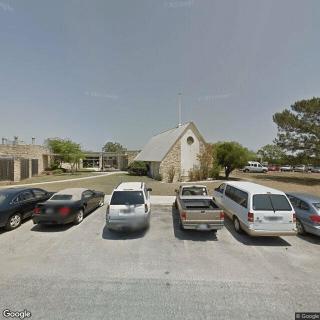
 Excellent access to nearby healthcare, dining, and transportation resources.

 Understanding the Nuances of Palliative Care and Hospice: A Comprehensive Exploration
 Fecal Incontinence in Older Adults: A Comprehensive Guide
 Recognizing the Journey: Understanding and Navigating Anticipatory Grief