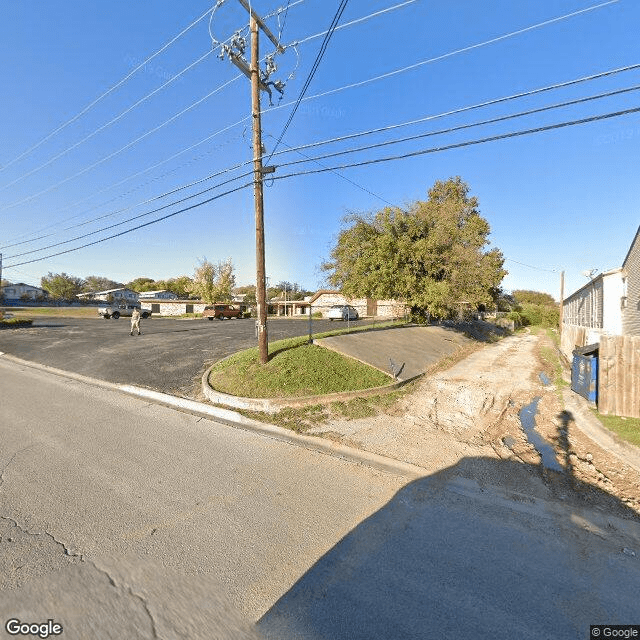
Hill Country Outreach

Save
Hill Country Outreach

Hill Country Outreach

600 Leslie Drive, Kerrville, TX 78028

For more information about senior living options: (844) 490-3973

2.3 from 16 reviews
5 stars
5
4 stars
0
3 stars
0
2 stars
0
1 stars
11

Assisted Living

What level of care are you interested in?

Assisted Living

Memory Care

Independent Living

Skilled Nursing Facility

Continuing Care Retirement Community (CCRC)CCRC

Other


Request a tour at Hill Country Outreach

    Overall Review of Hill Country Outreach

    Pros

    • pro Hill Country has been a godsend for residents and their families.
    • pro The staff genuinely care for residents.
    • pro Starla, the director, is energetic and hands-on, wearing many hats and keeping families in the loop.
    • pro Hill Country Outreach is deserving of higher reviews; the manager was seen as running the place well.
    • pro Employees treat patients with respect both medically and personally.
    • pro The facility is a solid option for the elderly/disabled with limited financial resources.

    Cons

    • pro The facility is described as disgusting inside and not clean.
    • pro The owner is described as very rude.
    • pro The facility cannot keep staff, and workers are reportedly not paid and overworked.
    • pro Two friends who worked there were not paid.
    • pro A sister was mistreated: medications were changed without notice, she experienced withdrawal, and she was moved to another city without written notice or permission.
    • pro Admin is described as very rude, with cases managers being hung up on and calls being ignored.
    • pro Families cannot contact loved ones easily; there is no reliable phone access, and a landline for patients is needed.
    • pro The place has not answered the phone for days, and there are numerous issues that violate client rights, with the state likely to be contacted.

    Review

    Hill Country Outreach in Kerrville, Texas, attracts a broad spectrum of opinions from people who have interacted with the facility and its leadership. On one end, some residents' families speak of a place that truly serves elderly and disabled individuals who have limited options, praising the care they see in staff and management. On the other end, many accounts portray a facility beset by problems that range from governance and communication to basic operations, leaving visitors and loved ones frustrated and worried. The resulting picture is a complicated one: a place that some consider a godsend in difficult circumstances, and others view as disorganized, under-resourced, and difficult to work with.

    A recurring pattern among the harsher reviews is a critique of the owner and the overall environment. One reviewer describes the owner as rude and the interior as disgusting, with complaints about high staff turnover and a sense that staff are not kept or fairly compensated. The impression is that the facility struggles to retain workers, which in turn has ripple effects on daily care and the experience of residents and their families. Another contributor notes that staff are clearly overworked, to the point where the money and treatment seem misaligned, and there is suspicion about whether employees are paid what they are owed. These voices emphasize a perceived lack of regard for workers' welfare, which they connect to broader concerns about care quality.

    In contrast, several reviews highlight a more positive day-to-day reality, centering on specific individuals who make a difference. A family member of a resident reports that Hill Country has been a "godsend" for her father after he needed to relocate from a state shutdown facility. The praise is directed at the care team and especially at Starla, described as the director who is energetic and deeply involved, wearing many hats and keeping the family in the loop. This account suggests that when the leadership and frontline staff pull in the same direction, communication with families improves and residents seem to benefit from attentive, personalized care, even as the facility faces resource constraints.

    Communication and accessibility are a major theme across the reviews. Several comments complain about telephone connectivity and the ability to reach staff, with phrases like "they can't pay people" and "unable to talk to loved ones on the phone" echoing through multiple timelines. One reviewer even urges the addition of a dedicated landline for residents. The sense conveyed is that even when staff are working hard, families feel left out of the loop because of inconsistent phone access or slow responses, which can exacerbate anxiety around a loved one's well-being and discharge plans.

    Another set of reviews focuses on the administrative and clinical side of care, including accusations of unprofessionalism and poor communication with case managers. A reviewer recounts being hung up on by staff when attempting to obtain discharge information, with subsequent calls going unanswered. The tone here is one of frustration and a perception that patience and clarity are in short supply. In some posts, this concern expands to claims of medical mismanagement - patients experiencing withdrawal, changes in medications without notice, or medications being withheld for extended periods - raising questions about patient rights, safety, and the facility's medical oversight.

    There are also more alarming anecdotes that imply serious lapses in oversight and care. A dated but detailed update describes a resident who was moved to another city without written notice or permission, with allegations of a false COVID-19 positive claim used to justify relocation. The writer asserts that the sister did not experience COVID symptoms, but still faced a range of issues including withdrawal from pain medication, withheld tramadol for weeks, and a general pattern of state intervention that seemed to override the family's rights and input. The reviewer promises that the state will be contacted, underscoring a fear that residents' rights and safety are sometimes compromised in pursuit of administrative or logistical decisions.

    Amid these stark contrasts, some posts circle back to express affection for Hill Country and a sense of loyalty to the community in Kerrville. One writer notes that, despite the tumult and a lack of abundant photos due to lockdown, there is affection and a continued attachment to the place. Another reviewer, a military veteran, asserts that the facility's manager runs things well, and that employees treat patients with both medical respect and personal regard, suggesting that the facility can be well-run under strong leadership and dedicated staff.

    Taken together, the collection of experiences paints a nuanced portrait of Hill Country Outreach. There are clear endorsements of compassionate, engaged leadership and attentive care from certain staff members who manage to connect with families even under resource constraints. However, there are equally convincing accounts of disorganization, communication failures, questionable financial practices, and troubling medical-management issues that raise serious concerns about resident safety, rights, and welfare. The variety of perspectives indicates that outcomes at Hill Country depend heavily on individual staff, leadership moments, and the specific circumstances of a resident's care, making the facility a place of strong opinions and divergent experiences.

    Features

    Housing

    • 70 resident community capacity 70 resident community capacity

    Types of Care

    • Assisted Living Assisted LivingAssisted living facilities provide crucial support and care for seniors who may need help with daily tasks such as medication management, bathing, and meal preparation. These communities offer a safe and comfortable environment where seniors can maintain their independence while receiving the assistance they need to thrive in their golden years.

    Amenities

    • Activities on-site Activities on-siteActivities on-site are important for seniors because they provide opportunities for socialization, mental stimulation, physical activity, and overall well-being. Engaging in activities can help seniors stay active, maintain their independence, and improve their quality of life.
    • Air-conditioning Air-conditioningAir conditioning is important for seniors as they are more vulnerable to heat-related illnesses and may have underlying health conditions that make it difficult for them to regulate their body temperature. It helps to keep them comfortable, safe, and healthy in hot weather.
    • Beauty salon Beauty salonBeauty salons are important for seniors because they provide a space for them to feel pampered, socialize, and maintain their personal grooming and hygiene. Regular visits to a beauty salon can help boost seniors' self-esteem and overall well-being.
    • Cable or satellite TV Cable or satellite TVCable or satellite TV is important for seniors because it provides entertainment, news, and companionship, helping to combat loneliness and boredom. It also offers a wide range of programming options tailored to different interests and preferences.
    • Computer center Computer centerA computer center is essential for seniors as it provides access to technology, communication tools, and resources that can enhance their daily lives. It allows them to stay connected with loved ones, engage in online activities, and learn new skills, ultimately promoting socialization and mental stimulation.
    • Devotional services off-site Devotional services off-siteDevotional services off-site are important for seniors as they provide spiritual nourishment, social engagement, and a sense of community outside of the senior living facility. This can enhance overall well-being and help combat feelings of isolation and loneliness often experienced by older adults.
    • Dining room Dining roomDining rooms are important for seniors as they provide a space for socialization, connection, and nutritious meals. They offer opportunities for residents to bond over shared meals, foster a sense of community, and promote healthy eating habits. Dining rooms also ensure that seniors have access to well-balanced meals tailored to their dietary needs and preferences.
    • Fitness room Fitness roomHaving a fitness room in a senior living community is essential for seniors to stay active, maintain their physical health, and improve their overall well-being. Regular exercise can help prevent falls, reduce the risk of chronic diseases, and promote mental sharpness. It also provides social opportunities for residents to connect with others and enjoy a sense of community.
    • Fully furnished Fully furnishedFully furnished senior living communities are important for seniors because they provide convenience, comfort, and a hassle-free moving experience. Seniors can easily settle into their new living space without the stress of having to buy and move furniture. This allows them to focus on enjoying their new home and community.
    • Gaming room Gaming roomGaming rooms are important for seniors as they provide a fun and engaging environment for socializing, cognitive stimulation, and physical activity. Games can improve memory, problem-solving skills, and overall mental well-being while fostering friendships and reducing feelings of isolation.
    • Garden GardenGardens are important for seniors as they provide a peaceful and therapeutic environment for relaxation, physical activity, and socialization. Being in nature has been shown to reduce stress, improve mood, and promote overall well-being. Gardens also offer opportunities for seniors to engage in gardening activities, which can improve mobility, flexibility, and cognitive function. Additionally, gardens create a sense of community and connection with others who share a passion for plants and outdoor spaces.
    • Housekeeping services Housekeeping servicesHousekeeping services are important for seniors because they help maintain a clean and safe living environment, promote independence, and reduce the risk of accidents or illnesses. Additionally, having assistance with household chores can alleviate physical strain and allow seniors to focus on other aspects of their well-being.
    • Indoor common areas Indoor common areasIndoor common areas are crucial for seniors as they provide a space for socialization, recreation, and community engagement, promoting overall well-being and reducing feelings of isolation and loneliness.
    • Kitchenette KitchenetteKitchenettes are important for seniors living in senior living communities because they provide the convenience and independence of being able to prepare simple meals and snacks in the comfort of their own living space. This can help promote a sense of autonomy and well-being for seniors, allowing them to maintain some level of control over their dietary choices and daily routines.
    • Move-in coordination Move-in coordinationMove-in coordination is important for seniors because it helps ease the transition into their new living environment. It ensures that all logistics, such as packing, organizing movers, and setting up utilities are taken care of, allowing seniors to focus on settling in and adjusting to their new home. Having a smooth move-in process can alleviate stress and anxiety, making the transition smoother and more enjoyable for seniors.
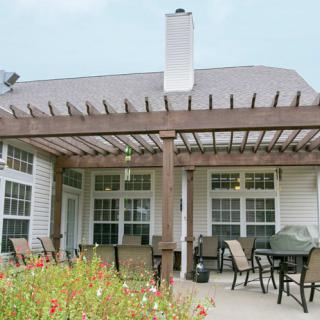
    • Outdoor space Outdoor spaceOutdoor spaces are important for seniors as they provide opportunities for physical activity, social interaction, exposure to natural light and fresh air, and a sense of connection to nature. Having access to outdoor spaces can improve overall well-being and quality of life for older adults living in senior communities.
    • Private bathrooms Private bathroomsPrivate bathrooms are important for seniors in senior living communities because they provide independence, dignity, and comfort. Having a private bathroom allows seniors to maintain their personal hygiene routines without the need for assistance, promoting a sense of autonomy and privacy. Additionally, private bathrooms help prevent the spread of infections and provide a safe and clean environment for seniors to navigate safely.
    • Restaurant-style dining Restaurant-style diningRestaurant-style dining is important for seniors because it allows them to enjoy delicious, nutritious meals in a social and upscale setting. This enhances their dining experience, promotes healthy eating habits, and fosters socialization with fellow residents, ultimately contributing to their overall well-being and quality of life.
    • Small library Small librarySmall libraries are important for seniors as they provide access to a variety of reading materials, including books, newspapers, and magazines. This can help stimulate their minds, keep them engaged, and provide a sense of community through book clubs and other social activities. Additionally, reading has been shown to improve cognitive function and overall mental well-being in older adults.
    • Telephone TelephoneTelephones are important for seniors as they provide a lifeline for communication with loved ones, emergency services, and healthcare providers. They offer a sense of security and independence, enabling seniors to stay connected and access assistance when needed.
    • Wellness center Wellness centerWellness centers are important for seniors because they offer a variety of programs and services that promote physical, mental, and emotional well-being. These centers provide opportunities for exercise, socialization, education, and relaxation, helping seniors maintain their overall health and quality of life.
    • Wi-Fi/high-speed internet available Wi-Fi/high-speed internet availableWi-Fi/high-speed internet is important for seniors to stay connected with loved ones, access online resources, and participate in virtual activities to combat feelings of loneliness and isolation. It also allows them to easily manage healthcare needs, access entertainment, and engage in lifelong learning opportunities.

    Transportation

    • Community operated transportation Community operated transportationCommunity operated transportation is crucial for seniors as it provides them with the means to access essential services, social activities, and medical appointments. It allows seniors to maintain their independence and quality of life by ensuring they can participate in activities outside of their homes. Additionally, community-operated transportation services offer a safe and reliable way for seniors to travel without having to rely on family or friends for assistance.
    • Transportation arrangement Transportation arrangementTransportation arrangements are crucial for seniors as they may face challenges with driving, mobility, or access to public transportation. Having reliable transportation services ensures that seniors can easily attend appointments, social activities, and maintain their independence and quality of life.
    • Transportation arrangement (non-medical) Transportation arrangement (non-medical)Transportation arrangements are essential for seniors as they provide access to essential services, activities, and social interactions outside the home. This service helps maintain independence, mobility, and overall well-being for seniors who may have limited transportation options.
    • Transportation to doctors appointments Transportation to doctors appointmentsTransportation to doctors appointments is crucial for seniors as it ensures they have access to necessary medical care and support, promoting their health and well-being. It allows them to receive timely treatment, monitor existing conditions, and address any new health concerns efficiently. Additionally, transportation services can help seniors maintain their independence and quality of life by enabling them to stay connected with their healthcare providers.

    Care Services

    • 12-16 hour nursing 12-16 hour nursing12-16 hour nursing care is crucial for seniors in order to ensure around-the-clock monitoring, timely medication administration, and prompt response to any health concerns or emergencies. This level of care helps to promote the overall well-being and safety of seniors living in senior living communities.
    • 24-hour call system 24-hour call system24-hour call systems are important for seniors because they provide peace of mind and immediate assistance in case of emergencies. This technology ensures that help is always available, promoting safety and security for elderly individuals living alone or in assisted living facilities.
    • 24-hour supervision 24-hour supervision24-hour supervision is important for seniors to ensure their safety, well-being, and access to immediate assistance in case of emergencies or health issues. This constant support provides peace of mind for both seniors and their loved ones, allowing them to age in place with dignity and security.
    • Activities of daily living assistance Activities of daily living assistanceActivities of daily living assistance are important for seniors because they provide essential support with tasks such as eating, bathing, dressing, and mobility. This assistance helps seniors maintain their independence, dignity, and overall quality of life as they age.
    • Ambulatory care Ambulatory care"Ambulatory care services provide essential medical support and treatment to seniors without requiring hospitalization, allowing them to maintain their independence and quality of life while managing chronic conditions or receiving routine medical care."
    • Assistance with bathing Assistance with bathingAssistance with bathing is crucial for seniors as it helps maintain personal hygiene, prevents infections, and ensures their overall well-being and comfort. It also provides a sense of dignity and independence for seniors who may struggle with this task on their own.
    • Assistance with dressing Assistance with dressingAssistance with dressing is important for seniors because it helps maintain their independence, promotes personal hygiene, prevents accidents and injuries, and improves overall quality of life. This service ensures that seniors can continue to dress comfortably and confidently, despite any physical limitations they may have.
    • Assistance with transfers Assistance with transfersAssistance with transfers is crucial for seniors as it helps prevent falls and injuries, maintains their independence, and ensures they can safely navigate their living environment. It also provides peace of mind for both seniors and their loved ones.
    • Diabetes diet Diabetes dietA diabetes diet is crucial for seniors as it helps manage blood sugar levels, reduce risks of complications, and improve overall health and well-being. By following a balanced and nutritious diet tailored to their specific needs, seniors can better control their diabetes and enhance their quality of life.
    • Diabetic care Diabetic careDiabetic care is crucial for seniors as they are more susceptible to developing diabetes due to aging and other health conditions. Proper management of diabetes can help prevent complications such as heart disease, vision loss, and nerve damage, improving the overall quality of life for seniors in senior living communities.
    • Meal preparation and service Meal preparation and serviceMeal preparation and service are crucial for seniors as they may have limited mobility or energy to cook nutritious meals. Having access to healthy and convenient food options can ensure they are getting the proper nutrition needed to maintain their overall health and well-being.
    • Medication management Medication managementMedication management is crucial for seniors to ensure they are taking the right medications at the correct dosages and times. This helps prevent adverse drug interactions, reduces the risk of medication errors, and promotes overall health and well-being. Proactive management also allows for adjustments as needed based on changing health conditions or new prescriptions.
    • Mental wellness program Mental wellness programMental wellness programs are essential for seniors as they promote cognitive stimulation, emotional support, and social engagement. These programs help prevent isolation, depression, and cognitive decline, ultimately enhancing the overall quality of life for older adults.
    • Special dietary restrictions Special dietary restrictionsSpecial dietary restrictions are important for seniors because age-related changes in metabolism and health conditions can make it difficult for their bodies to process certain foods. By following a diet tailored to their specific needs, seniors can maintain their overall health and well-being, manage chronic conditions, and reduce the risk of complications such as malnutrition or food interactions with medications.

    Dining

    • Diabetes diet Diabetes dietA diabetes diet is crucial for seniors as it helps manage blood sugar levels, reduce risks of complications, and improve overall health and well-being. By following a balanced and nutritious diet tailored to their specific needs, seniors can better control their diabetes and enhance their quality of life.
    • Meals provided Meals provided"Meals provided" are crucial for seniors in assisted living communities as it ensures they have access to nutritious, balanced meals without the stress of meal planning and preparation. This can help promote overall health and well-being for seniors who may have limited mobility or cognitive abilities.
    • Special dietary restrictions Special dietary restrictionsSpecial dietary restrictions are important for seniors because age-related changes in metabolism and health conditions can make it difficult for their bodies to process certain foods. By following a diet tailored to their specific needs, seniors can maintain their overall health and well-being, manage chronic conditions, and reduce the risk of complications such as malnutrition or food interactions with medications.

    Activities

    • Activities on-site Activities on-siteActivities on-site are important for seniors because they provide opportunities for socialization, mental stimulation, physical activity, and overall well-being. Engaging in activities can help seniors stay active, maintain their independence, and improve their quality of life.
    • Community-sponsored activities Community-sponsored activitiesCommunity-sponsored activities are important for seniors as they provide opportunities for social interaction, mental stimulation, and physical activity. These activities can help improve overall well-being, combat loneliness and isolation, and promote a sense of belonging and purpose among older adults.
    • Concierge services Concierge servicesConcierge services are essential for seniors as they provide assistance with daily tasks and errands, enhance their quality of life by offering convenience and personalized care, and promote a sense of safety and security.
    • Devotional activities offsite Devotional activities offsiteDevotional activities offsite are important for seniors because they provide social engagement, spiritual growth, and a sense of community outside of their living environment. This can improve overall well-being, mental health, and combat feelings of isolation or loneliness.
    • Fitness programs Fitness programsFitness programs are crucial for seniors as they help improve strength, flexibility, balance, and overall well-being. Staying active can reduce the risk of chronic diseases, improve mental health, and enhance quality of life in older adults.
    • Planned day trips Planned day tripsPlanned day trips are important for seniors because they offer opportunities for socialization, mental stimulation, and physical activity. They provide a change of scenery and help seniors stay engaged and connected to their community, promoting overall well-being and quality of life.
    • Resident-run activities Resident-run activitiesResident-run activities are important for seniors as they encourage social interaction, creativity, and a sense of autonomy. These activities empower seniors to stay engaged and active in their community while fostering meaningful connections with their peers.
    • Scheduled daily activities Scheduled daily activitiesScheduled daily activities are important for seniors because they provide structure, socialization, mental stimulation, and physical activity. Engaging in regular activities can improve overall well-being and quality of life for seniors living in a community setting.

    Description

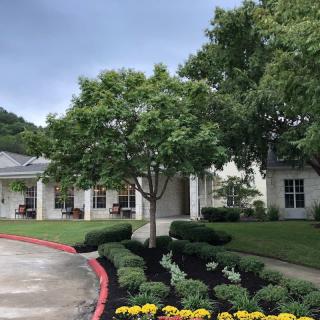
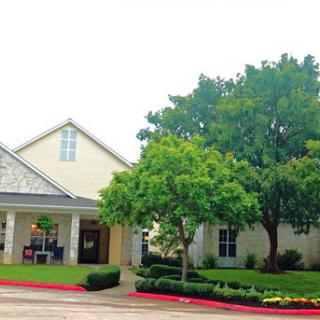
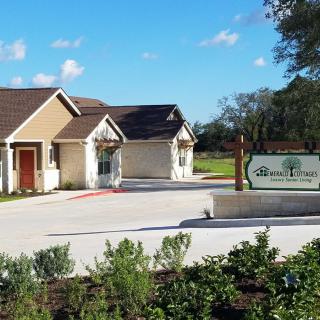
    Welcome to Hill Country Outreach in Kerrville, TX! Our assisted living community is designed to provide a comfortable and enriching environment for our residents. We offer a wide range of amenities and care services to cater to the individual needs and preferences of our residents.

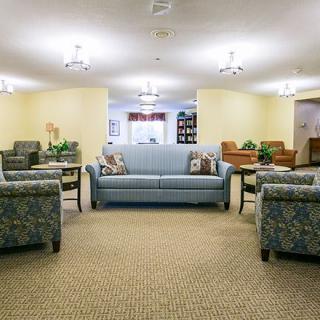
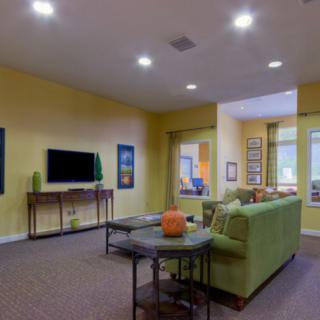
    Our community features air-conditioned apartments that are fully furnished for convenience. Residents can enjoy their favorite TV shows with cable or satellite TV in their private rooms. For socialization and entertainment, we have indoor common areas, a gaming room, and a small library. There is also an outdoor space where residents can relax or engage in gardening activities.

    We understand the importance of maintaining physical well-being, which is why we provide a fitness room and wellness center on-site. Our dedicated staff assists with daily living activities such as bathing, dressing, and transfers. We also offer medication management and diabetes care to ensure the health needs of our residents are met.

    Meals at Hill Country Outreach are prepared by our skilled culinary team, taking into consideration special dietary restrictions. The dining experience is restaurant-style, providing delicious meals while fostering social interaction among residents.

    In addition to the amenities and care services offered, we strive to create a vibrant community atmosphere through various activities. Residents can take part in community-sponsored events, resident-run activities, fitness programs, and planned day trips. We also offer transportation arrangements for non-medical purposes as well as doctor's appointments.

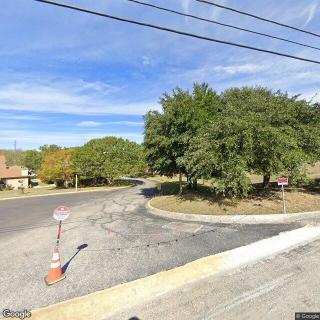
    Located in Kerrville, TX, our community benefits from its proximity to local amenities such as cafes, parks, pharmacies, physicians' offices, restaurants, places of worship, transportation options, and hospitals. This ensures that our residents have easy access to necessary services and opportunities for leisure activities.

    At Hill Country Outreach in Kerrville, TX, we prioritize the comfort and well-being of our residents. Our comprehensive amenities and care services aim to enhance their quality of life while promoting independence and social engagement within a supportive community environment.

    Nearby Places of Interest

    This area of Kerrville, Texas offers convenient access to a variety of amenities and services that may be beneficial for seniors looking to live in the area. With several rental car options nearby, transportation is easily accessible for running errands or visiting loved ones. There are also plenty of cafes and restaurants within a short distance, providing ample dining options for meals out or social gatherings. For medical needs, there are several physician offices, pharmacies, and hospitals in the vicinity, ensuring healthcare services are readily available. Additionally, places of worship offer spiritual support and community connections. Overall, this area provides a mix of convenience and essential services that could make it a suitable choice for senior living.

    Transportation

    • Enterprise Rent-A-Car (0.2 miles)
    • Jetz Taxidermy Supply (0.7 miles)
    • Enterprise Rent-A-Car (1.8 miles)
    • U-Haul (2.2 miles)
    • U-Haul Neighborhood Dealer (2.3 miles)

    Cafes

    • Starbucks (0.3 miles)
    • Kelani Yogurt (0.9 miles)
    • Donut Palace (1.4 miles)
    • Hill Country Cafe (1.8 miles)
    • Hardback Cafe (1.9 miles)
    • PAX Coffee & Goods (1.9 miles)
    • Sno on the River (2 miles)

    Restaurants

    • Sonic Drive-In (0.4 miles)
    • Acapulco Mexican Restaurant (0.4 miles)
    • McDonald's (0.4 miles)
    • IHOP (0.7 miles)
    • Taco Casa (1 miles)
    • Soaring Dragon (1.4 miles)
    • Slices by Broken Stone Pizza Co. (1.4 miles)

    Physicians

    • Flynn William MD (0.7 miles)
    • Rashid Edward R MD FACS (0.8 miles)
    • Riverhill Ophthalmology Pa (1.6 miles)
    • Hill Country Digestive Health (1.9 miles)
    • Kerrville Cancer Center (1.9 miles)
    • O Young MD Laser and Medical Aesthetics (1.9 miles)
    • Anesthesia Associates (1.9 miles)

    Places of Worship

    • Louada Raschke Ministries (1.4 miles)
    • Barnett Chapel Methodist (1.6 miles)
    • First Presbyterian Church (1.7 miles)
    • Presbyterian Church (1.7 miles)
    • Commission Ministers Network (1.8 miles)
    • Kerrville Christian Center (1.8 miles)
    • St Peter's Episcopal Church (1.8 miles)

    Pharmacies

    • Walgreens (1.7 miles)
    • H-E-B Pharmacy (1.8 miles)
    • CVS Pharmacy (1.8 miles)
    • The Medicine Stop (1.9 miles)
    • Frontier Drug Compounding (2 miles)
    • Medical Arts Pharmacy (2.3 miles)

    Hospitals

    • Peterson Regional Health Care Center (1.9 miles)
    • Kerrville Sid Peterson Hospital (1.9 miles)
    • Peterson Regional Medical Center (2 miles)
    • Kerrville Ambulatory Surgery Center (2 miles)
    • Peterson Regional Ambulatory Care Center (2.5 miles)
    • Peterson Regional Medical Center (2.5 miles)
    • Kerrville State Hospital (2.6 miles)

    Parks

    • Louise Hays Park (2.1 miles)

    Frequently Asked Questions

    Where is Hill Country Outreach?

    Nearby Communities

    Related Resources

    • assisted living vs skilled nursingExploring the Contrasts Between Assisted Living and Skilled Nursing

      The article compares assisted living and skilled nursing facilities, detailing their differing levels of assistance, medical support, cost structures, and day-to-day experiences. It emphasizes that assisted living is for those needing help with daily activities while maintaining independence, whereas skilled nursing facilities provide intensive medical care with 24-hour staff supervision.

    • when to move from assisted living to nursing home8 Key Indicators That Suggest It May Be Time to Transition from Assisted Living to Skilled Nursing Care

      The transition from assisted living to skilled nursing care is often prompted by complex medical needs that assisted living cannot meet, with key indicators including frequent health declines, increased falls, severe memory issues, and caregiver burnout. Families should recognize these signs early to discuss options with healthcare providers and prepare for the emotional and logistical aspects of moving to a facility that offers comprehensive medical support.

    • active senior livingVibrant Senior Living: A Comprehensive Guide for Active Older Adults

      Vibrant Senior Living emphasizes active senior living communities that promote independence and engagement through diverse amenities and activities, fostering wellness and social interaction among older adults. These communities range from independent to assisted living, with a focus on personal growth, family involvement, financial planning, and leveraging technology to enhance residents' experiences.


    Get Pricing Ask A Question Schedule A Tour Contact Senior Advisor