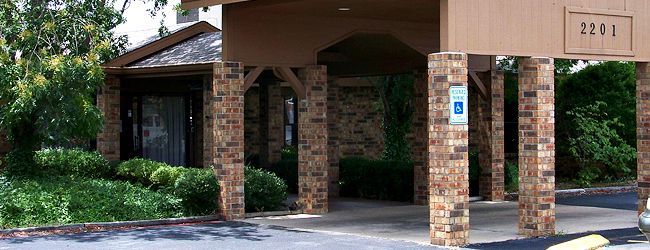
2201 Junction Highway, Kerrville, TX 78028
To contact a resident: (830) 792-4001
For more information about senior living options: (866) 208-4318
Overall Review of Mountain Villa At Kerrville
Pros
 The staff management is excellent, with around-the-clock care, making it the best place in town.
- The care is excellent, with individualized attention and strict adherence to doctors’ orders.
- Residents are checked every two hours, and call lights are answered within a minute on average.
Cons
 The facility is described as a horrible place for loved ones.
- The staff are described as horrible to residents.
- The reviewers say the facility favors staff who are horrible to residents.
- The reviewer claims McDonald's could manage the facility better.
- The reviewer says McDonald's would at least get half the order right.
- The reviewer disliked the six- to eight-month stay.
- They witnessed unprofessional conduct.
- The reviewer would not put their worst enemy there.
Review
Mountain Villa At Kerrville is best suited for seniors who demand vigilant medical oversight and around-the-clock staffing. The clearest advantage is a disciplined approach to adhering to doctors’ orders and maintaining constant resident contact throughout the day. For families seeking a care regime where medication management and medical changes are monitored with regularity, the structure appears designed to deliver reliable, observable care: call lights get answered promptly, and staff routinely check on residents to verify safety. Those with complex medical needs or chronic conditions may find reassurance in the documented emphasis on medical precision and continuous availability. In short, the community leans into medical rigor and round-the-clock presence as its defining strength.
However, alternatives should be considered for residents who prioritize a respectful culture, warmth of interaction, and steady, professional staffing as the baseline experience. Several accounts describe staff dynamics that feel punitive or dismissive and even unprofessional conduct, which can seriously undermine daily quality of life. Families should be cautious if a homelike atmosphere and consistently positive relationships among residents and staff are non-negotiables. Additionally, historical feedback about management and everyday behavior suggests potential ongoing issues in supervision and accountability. If a calm, engaging social environment with reliably respectful staff is essential, exploring other options with stronger reputations for resident-centered culture would be prudent.
On the positive side, when the care is delivered as described, the benefits are substantial. Individualized attention paired with strict adherence to medical orders translates into a predictable care plan where residents’ needs are addressed promptly. The around-the-clock presence and a two-hour check cadence create a safety net that reduces the risk of medication errors and missed changes in condition. In the best cases, call lights trigger near-immediate responses, offering real peace of mind for families managing daily concerns. The strongest praise centers on staff management and the perception of serious, attentive care. Taken together, these elements can offset many operational gaps by delivering reliable clinical oversight and a structured daily routine.
Yet the red flags cannot be ignored. Reports of favoritism and visible distress among residents point to a culture that can erode the quality of life for individuals who value warmth, respect, and autonomy. Unprofessional behavior, framed as insufficient supervision or inconsistent standards, undermines the very safety net the facility markets. Prospective residents should verify current staffing levels, turnover, and the administrator’s responsiveness to concerns. A thorough visit should include conversations with current residents and family members, observations of how staff interact during routine tasks, and a direct assessment of how emergencies or rapid changes in condition are handled. Confirm the practicality of the asserted two-hour check cadence and the speed of call-light responsiveness in everyday practice.
Specific resident profiles will shape how Mountain Villa lands on the decision spectrum. For individuals with high medical complexity or those who require relentless oversight, the care framework can be an attractive match, provided the environment maintains professional conduct and responsive leadership. For seniors who prize social engagement, autonomy, and a consistently compassionate staff culture, the drawbacks described by multiple reviewers may feel prohibitive. Memory care or behavioral needs add another layer of scrutiny: insist on clear policies, specialized staff training, and stable staffing to avoid disruptive turnover. In all cases, quantify what matters most, safety versus social vitality, and insist on witnessing live examples of the daily routine before committing.
Bottom line: Mountain Villa At Kerrville offers hard-edged medical reliability as its core strength, paired with a mixed track record on staff culture. Families prioritizing medical management and rapid response will likely find value here, but the risk of a negative interpersonal climate cannot be dismissed. Alternatives that emphasize a consistently respectful environment and strong, stable staff culture deserve consideration, especially if quality of life and dignity in everyday interactions are non-negotiable. Proceed with disciplined due diligence: schedule candid tours, request current references, and probe leadership about how problems are addressed day-to-day. In the right circumstances, Mountain Villa can be a fit; in others, it should be considered only after comparing options with steadier, more consistently positive resident experiences.
 50 resident community capacity
 Assisted Living
 Activities on-site
 Beauty salon
 Cable or satellite TV
 Devotional services off-site
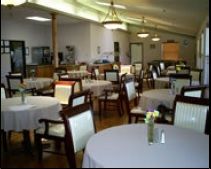
 Dining room
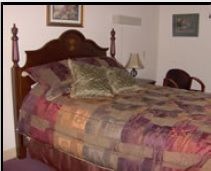
 Fully furnished
 Garden
 Housekeeping services
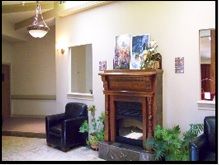
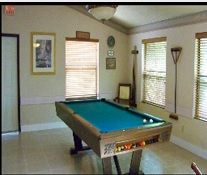
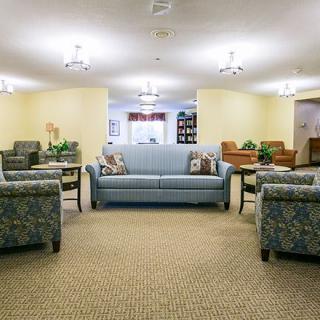
 Indoor common areas
 Kitchenette
 Move-in coordination
 Outdoor space
 Restaurant-style dining
 Small library
 Telephone
 Wi-Fi/high-speed internet available
 24-hour call system
 Ambulatory care
 Assistance with bathing
 Assistance with dressing
 Assistance with transfers
 Diabetes diet
 Diabetic care
 Medication management
 Mental wellness program
 Special dietary restrictions



 Funding and Affording Assisted Living: A Thorough Overview
 Assisted Living Expenses and Long-Term Care Insurance: A Comprehensive Exploration
 Securing Financial Support for Assisted Living: A Comprehensive Overview