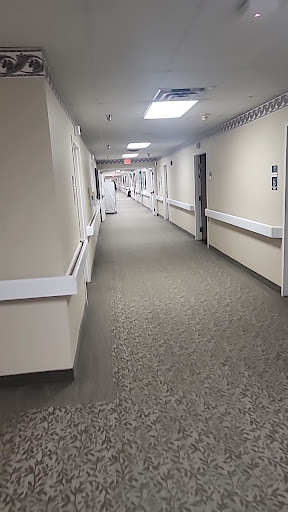
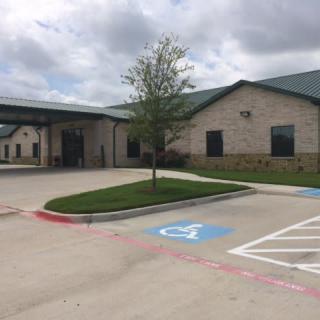
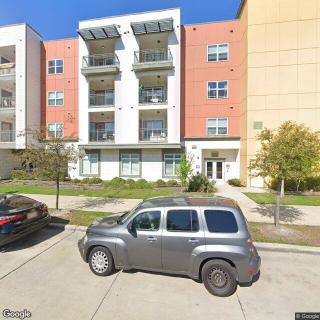
Williamsburg Village Healthcare Campus in Desoto, TX

Save
Williamsburg Village Healthcare Campus Williamsburg Village Healthcare Campus

Williamsburg Village Healthcare Campus in Desoto, TX

Information last verified:

941 Scotland Drive, Desoto, TX 75115

For more information about senior living options: (844) 490-3973

3.9 from 116 reviews
5 stars
78
4 stars
4
3 stars
5
2 stars
2
1 stars
27

Overall Review of Williamsburg Village Healthcare Campus

Pros

  • pro The admissions staff is attentive, caring, and informative.
  • pro Tonya Cooper is consistently described as helpful, organized, and a gem in admissions.
  • pro The Williamsburg staff are often praised as amazing, attentive, and genuinely caring.
  • pro Norma Pacheco is thorough, efficient, and keeps areas clean and smelling fresh.
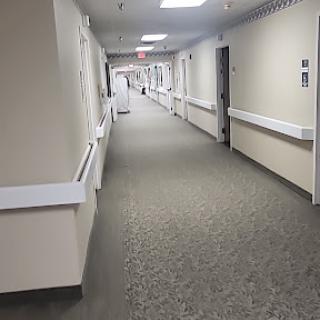
  • pro The facility is noted for cleanliness, pleasant surroundings, and a welcoming atmosphere.
  • pro Chef Clennon Green and the dining team are praised for good meals and compassionate care.
  • pro The therapy and nursing teams are effective, with residents showing progress.
  • pro Crystal Murad and the administrative team are helpful and go above and beyond to assist families.
  • pro Communication about residents’ care is frequently described as timely and reassuring.
  • pro The staff’s dedication and compassion are repeatedly acknowledged by grateful families.

Cons

  • pro The director Vernon was very rude and dismissive.
  • pro The social worker Gwen was argumentative, combative, and disrespectful.
  • pro The facility is described as one of the worst, with numerous violations.
  • pro The place is horrible, understaffed, and should be shut down.
  • pro The staff dropped the reviewer’s mother and failed to notify the family promptly.
  • pro There is false charting and overdosing of medications to keep residents lethargic.
  • pro Water is not distributed consistently, leading to dehydration.
  • pro The memory care unit is horrible; staff are rude and uncaring.
  • pro The building is dilapidated and reeks of urine.

Review

This community is best suited for families seeking memory‑care and post‑acute rehab where a strong administrative presence can steer admissions smoothly, and where daily life benefits from a defined social environment, visible cleanliness, and a dining program that residents generally respond to well. The most compelling case here is for families who want a campus that treats the admission process as a starting point for ongoing coordination, with Adams-on leadership and social work staff who can keep questions answered and plans in motion. When a loved one needs structured support, predictable routines, and reassurance that staff will be accessible and communicative, Williamsburg Village can deliver that core package. Residents who thrive on a steady rhythm, routine therapy input, and a sense of being part of a larger community tend to experience the most benefit.

At the same time, alternatives deserve serious consideration for families prioritizing unfaltering day‑to‑day consistency and unambiguous safety. The reviews reveal a spectrum of experiences, and some families confront chronic staffing gaps, delayed responses to call lights, and troubling gaps in medical monitoring. If a loved one is highly vulnerable to dehydration, rapid changes in condition, or needs near‑constant supervision, it may be prudent to explore facilities with longer track records of universal staffing coverage and stricter oversight. Conditioned by the most alarming reports, unreported incidents, perceived neglect, and communication breakdowns, some families will rightly conclude that this campus may not be the safest fit for individuals with very high care needs or for those who demand pristine, error‑free execution every day.

The strongest positives center on the people who manage intake and who work to build a bridge between administration and front‑line care. The admissions team, especially Tonya Cooper, is repeatedly cited as professional, patient, and helpful, smoothing the path for families during a stressful transition. Several social workers and nurses on the care floor are praised for attentiveness, timely updates, and genuine care for residents and visitors. Cleanliness and upkeep therapy spaces, responsive housekeeping leadership such as Norma Pacheco, and a kitchen staff that delivers nutritious meals create a foundation that many families prize. When the campus runs well, families describe a sense of “home‑like” care, with staff who remember individual preferences and who keep families informed about the resident’s day‑to‑day status.

Yet the cons cannot be overlooked, and they matter in decision making. A dominant concern is staffing inconsistency: shifts that feel understaffed, aides who seem overwhelmed, and nursing care that can fluctuate from one day to the next. Several families report long delays in responding to call lights, variable quality of bedside care, and a disconnect between what the medical team prescribes and what is delivered on the floor. These dynamics are magnified by claims of unreported medical events or miscommunications around hospital transfers, which inevitably erode trust. In the memory‑care environment, the stakes are even higher, and some reviewers describe a perceptible decline in attentiveness when supervision tightens or when tension rises on busy shifts.

The way the community handles the friction between strengths and weaknesses will determine whether the positives truly offset the risks. When Tonya Cooper, the admissions leadership, and the care team are aligned, families report smooth transitions, ongoing updates, and a level of warmth that makes the environment feel welcoming rather than clinical. Positive mentions of wound care, physical therapy, and daily interactions with thorough CNAs in memory care suggest that when staffing is available and engaged, residents can progress and maintain dignity. Strong housekeeping leadership and a dependable maintenance of common areas also contribute to a comfortable atmosphere. In short, the facility’s best outcomes are solid when a cohesive leadership and reliable staffing are in place, but those conditions are not guaranteed every day across all units.

For families weighing a decision, a practical path is essential. Schedule visits that cover both the Meadow Lane‑like memory care wing and the rehab floors, and insist on speaking with the unit managers and floor nurses during the same day. Ask for current staffing levels on each shift, request a sample week’s care plan, and request direct access to the administrator or admissions director when concerns arise. Probe for concrete examples of how problems were resolved in recent weeks, and ask how emergency situations are communicated to families. Verify the process for monitoring hydration and nutrition, and request a tour of the medication handling areas to understand how oversight is maintained. Above all, observe tone and responsiveness in real time, these moments reveal whether the promise of compassionate care translates into consistent practice.

Ultimately, Williamsburg Village presents a pragmatic, if uneven, option. It can be an excellent fit for families seeking an engaged administrative backbone, transparent communication, and a community where certain staff members consistently elevate the resident experience. It is not a universal solution; the negatives, particularly staffing gaps, inconsistent routine, and some troubling reports of neglect or mismanagement, mean that those with the most exacting standards should look elsewhere or insist on rigorous, documented assurances before placing a loved one here. The decision hinges on whether the caregiver ecosystem can be trusted to deliver a dependable baseline of care most days, and whether the family can be deeply involved in oversight to compensate for areas still in need of improvement. In the end, Williamsburg Village deserves consideration for the right fit, but only with a clear plan to address the toughest concerns, and with eyes wide open to the realities that drive the most critical, day‑to‑day care decisions.

Features

Housing

  • 242 resident community capacity 242 resident community capacity

Types of Care

  • Skilled Nursing Facility Skilled Nursing FacilitySkilled Nursing Facilities are crucial for seniors as they provide round-the-clock medical care, rehabilitation services, and assistance with daily activities. These facilities ensure that seniors receive the specialized care they need to maintain their health and well-being as they age.

Amenities

  • Air-conditioning Air-conditioningAir conditioning is important for seniors as they are more vulnerable to heat-related illnesses and may have underlying health conditions that make it difficult for them to regulate their body temperature. It helps to keep them comfortable, safe, and healthy in hot weather.
  • Beauty salon Beauty salonBeauty salons are important for seniors because they provide a space for them to feel pampered, socialize, and maintain their personal grooming and hygiene. Regular visits to a beauty salon can help boost seniors' self-esteem and overall well-being.
  • Cable or satellite TV Cable or satellite TVCable or satellite TV is important for seniors because it provides entertainment, news, and companionship, helping to combat loneliness and boredom. It also offers a wide range of programming options tailored to different interests and preferences.
  • Computer center Computer centerA computer center is essential for seniors as it provides access to technology, communication tools, and resources that can enhance their daily lives. It allows them to stay connected with loved ones, engage in online activities, and learn new skills, ultimately promoting socialization and mental stimulation.
  • Dining room Dining roomDining rooms are important for seniors as they provide a space for socialization, connection, and nutritious meals. They offer opportunities for residents to bond over shared meals, foster a sense of community, and promote healthy eating habits. Dining rooms also ensure that seniors have access to well-balanced meals tailored to their dietary needs and preferences.
  • Fitness room Fitness roomHaving a fitness room in a senior living community is essential for seniors to stay active, maintain their physical health, and improve their overall well-being. Regular exercise can help prevent falls, reduce the risk of chronic diseases, and promote mental sharpness. It also provides social opportunities for residents to connect with others and enjoy a sense of community.
  • Fully furnished Fully furnishedFully furnished senior living communities are important for seniors because they provide convenience, comfort, and a hassle-free moving experience. Seniors can easily settle into their new living space without the stress of having to buy and move furniture. This allows them to focus on enjoying their new home and community.
  • Gaming room Gaming roomGaming rooms are important for seniors as they provide a fun and engaging environment for socializing, cognitive stimulation, and physical activity. Games can improve memory, problem-solving skills, and overall mental well-being while fostering friendships and reducing feelings of isolation.
  • Garden GardenGardens are important for seniors as they provide a peaceful and therapeutic environment for relaxation, physical activity, and socialization. Being in nature has been shown to reduce stress, improve mood, and promote overall well-being. Gardens also offer opportunities for seniors to engage in gardening activities, which can improve mobility, flexibility, and cognitive function. Additionally, gardens create a sense of community and connection with others who share a passion for plants and outdoor spaces.
  • Housekeeping services Housekeeping servicesHousekeeping services are important for seniors because they help maintain a clean and safe living environment, promote independence, and reduce the risk of accidents or illnesses. Additionally, having assistance with household chores can alleviate physical strain and allow seniors to focus on other aspects of their well-being.
  • Kitchenette KitchenetteKitchenettes are important for seniors living in senior living communities because they provide the convenience and independence of being able to prepare simple meals and snacks in the comfort of their own living space. This can help promote a sense of autonomy and well-being for seniors, allowing them to maintain some level of control over their dietary choices and daily routines.
  • Move-in coordination Move-in coordinationMove-in coordination is important for seniors because it helps ease the transition into their new living environment. It ensures that all logistics, such as packing, organizing movers, and setting up utilities are taken care of, allowing seniors to focus on settling in and adjusting to their new home. Having a smooth move-in process can alleviate stress and anxiety, making the transition smoother and more enjoyable for seniors.
  • Outdoor space Outdoor spaceOutdoor spaces are important for seniors as they provide opportunities for physical activity, social interaction, exposure to natural light and fresh air, and a sense of connection to nature. Having access to outdoor spaces can improve overall well-being and quality of life for older adults living in senior communities.
  • Private bathrooms Private bathroomsPrivate bathrooms are important for seniors in senior living communities because they provide independence, dignity, and comfort. Having a private bathroom allows seniors to maintain their personal hygiene routines without the need for assistance, promoting a sense of autonomy and privacy. Additionally, private bathrooms help prevent the spread of infections and provide a safe and clean environment for seniors to navigate safely.
  • Restaurant-style dining Restaurant-style diningRestaurant-style dining is important for seniors because it allows them to enjoy delicious, nutritious meals in a social and upscale setting. This enhances their dining experience, promotes healthy eating habits, and fosters socialization with fellow residents, ultimately contributing to their overall well-being and quality of life.
  • Small library Small librarySmall libraries are important for seniors as they provide access to a variety of reading materials, including books, newspapers, and magazines. This can help stimulate their minds, keep them engaged, and provide a sense of community through book clubs and other social activities. Additionally, reading has been shown to improve cognitive function and overall mental well-being in older adults.
  • Telephone TelephoneTelephones are important for seniors as they provide a lifeline for communication with loved ones, emergency services, and healthcare providers. They offer a sense of security and independence, enabling seniors to stay connected and access assistance when needed.
  • Wellness center Wellness centerWellness centers are important for seniors because they offer a variety of programs and services that promote physical, mental, and emotional well-being. These centers provide opportunities for exercise, socialization, education, and relaxation, helping seniors maintain their overall health and quality of life.
  • Wi-Fi/high-speed internet available Wi-Fi/high-speed internet availableWi-Fi/high-speed internet is important for seniors to stay connected with loved ones, access online resources, and participate in virtual activities to combat feelings of loneliness and isolation. It also allows them to easily manage healthcare needs, access entertainment, and engage in lifelong learning opportunities.

Transportation

  • Dallas Love (14 miles away) Dallas Love (14 miles away)
  • Dallas-Fort Worth International (20 miles away) Dallas-Fort Worth International (20 miles away)
  • Community operated transportation Community operated transportationCommunity operated transportation is crucial for seniors as it provides them with the means to access essential services, social activities, and medical appointments. It allows seniors to maintain their independence and quality of life by ensuring they can participate in activities outside of their homes. Additionally, community-operated transportation services offer a safe and reliable way for seniors to travel without having to rely on family or friends for assistance.
  • Transportation arrangement Transportation arrangementTransportation arrangements are crucial for seniors as they may face challenges with driving, mobility, or access to public transportation. Having reliable transportation services ensures that seniors can easily attend appointments, social activities, and maintain their independence and quality of life.
  • Transportation arrangement (non-medical) Transportation arrangement (non-medical)Transportation arrangements are essential for seniors as they provide access to essential services, activities, and social interactions outside the home. This service helps maintain independence, mobility, and overall well-being for seniors who may have limited transportation options.
  • Transportation to doctors appointments Transportation to doctors appointmentsTransportation to doctors appointments is crucial for seniors as it ensures they have access to necessary medical care and support, promoting their health and well-being. It allows them to receive timely treatment, monitor existing conditions, and address any new health concerns efficiently. Additionally, transportation services can help seniors maintain their independence and quality of life by enabling them to stay connected with their healthcare providers.

Care Services

  • 12-16 hour nursing 12-16 hour nursing12-16 hour nursing care is crucial for seniors in order to ensure around-the-clock monitoring, timely medication administration, and prompt response to any health concerns or emergencies. This level of care helps to promote the overall well-being and safety of seniors living in senior living communities.
  • 24-hour call system 24-hour call system24-hour call systems are important for seniors because they provide peace of mind and immediate assistance in case of emergencies. This technology ensures that help is always available, promoting safety and security for elderly individuals living alone or in assisted living facilities.
  • 24-hour supervision 24-hour supervision24-hour supervision is important for seniors to ensure their safety, well-being, and access to immediate assistance in case of emergencies or health issues. This constant support provides peace of mind for both seniors and their loved ones, allowing them to age in place with dignity and security.
  • Activities of daily living assistance Activities of daily living assistanceActivities of daily living assistance are important for seniors because they provide essential support with tasks such as eating, bathing, dressing, and mobility. This assistance helps seniors maintain their independence, dignity, and overall quality of life as they age.
  • Assistance with bathing Assistance with bathingAssistance with bathing is crucial for seniors as it helps maintain personal hygiene, prevents infections, and ensures their overall well-being and comfort. It also provides a sense of dignity and independence for seniors who may struggle with this task on their own.
  • Assistance with dressing Assistance with dressingAssistance with dressing is important for seniors because it helps maintain their independence, promotes personal hygiene, prevents accidents and injuries, and improves overall quality of life. This service ensures that seniors can continue to dress comfortably and confidently, despite any physical limitations they may have.
  • Assistance with transfers Assistance with transfersAssistance with transfers is crucial for seniors as it helps prevent falls and injuries, maintains their independence, and ensures they can safely navigate their living environment. It also provides peace of mind for both seniors and their loved ones.
  • Diabetes diet Diabetes dietA diabetes diet is crucial for seniors as it helps manage blood sugar levels, reduce risks of complications, and improve overall health and well-being. By following a balanced and nutritious diet tailored to their specific needs, seniors can better control their diabetes and enhance their quality of life.
  • Meal preparation and service Meal preparation and serviceMeal preparation and service are crucial for seniors as they may have limited mobility or energy to cook nutritious meals. Having access to healthy and convenient food options can ensure they are getting the proper nutrition needed to maintain their overall health and well-being.
  • Medication management Medication managementMedication management is crucial for seniors to ensure they are taking the right medications at the correct dosages and times. This helps prevent adverse drug interactions, reduces the risk of medication errors, and promotes overall health and well-being. Proactive management also allows for adjustments as needed based on changing health conditions or new prescriptions.
  • Mental wellness program Mental wellness programMental wellness programs are essential for seniors as they promote cognitive stimulation, emotional support, and social engagement. These programs help prevent isolation, depression, and cognitive decline, ultimately enhancing the overall quality of life for older adults.
  • Special dietary restrictions Special dietary restrictionsSpecial dietary restrictions are important for seniors because age-related changes in metabolism and health conditions can make it difficult for their bodies to process certain foods. By following a diet tailored to their specific needs, seniors can maintain their overall health and well-being, manage chronic conditions, and reduce the risk of complications such as malnutrition or food interactions with medications.

Dining

  • Diabetes diet Diabetes dietA diabetes diet is crucial for seniors as it helps manage blood sugar levels, reduce risks of complications, and improve overall health and well-being. By following a balanced and nutritious diet tailored to their specific needs, seniors can better control their diabetes and enhance their quality of life.
  • Special dietary restrictions Special dietary restrictionsSpecial dietary restrictions are important for seniors because age-related changes in metabolism and health conditions can make it difficult for their bodies to process certain foods. By following a diet tailored to their specific needs, seniors can maintain their overall health and well-being, manage chronic conditions, and reduce the risk of complications such as malnutrition or food interactions with medications.

Activities

  • Community-sponsored activities Community-sponsored activitiesCommunity-sponsored activities are important for seniors as they provide opportunities for social interaction, mental stimulation, and physical activity. These activities can help improve overall well-being, combat loneliness and isolation, and promote a sense of belonging and purpose among older adults.
  • Concierge services Concierge servicesConcierge services are essential for seniors as they provide assistance with daily tasks and errands, enhance their quality of life by offering convenience and personalized care, and promote a sense of safety and security.
  • Fitness programs Fitness programsFitness programs are crucial for seniors as they help improve strength, flexibility, balance, and overall well-being. Staying active can reduce the risk of chronic diseases, improve mental health, and enhance quality of life in older adults.
  • Planned day trips Planned day tripsPlanned day trips are important for seniors because they offer opportunities for socialization, mental stimulation, and physical activity. They provide a change of scenery and help seniors stay engaged and connected to their community, promoting overall well-being and quality of life.
  • Resident-run activities Resident-run activitiesResident-run activities are important for seniors as they encourage social interaction, creativity, and a sense of autonomy. These activities empower seniors to stay engaged and active in their community while fostering meaningful connections with their peers.
  • Scheduled daily activities Scheduled daily activitiesScheduled daily activities are important for seniors because they provide structure, socialization, mental stimulation, and physical activity. Engaging in regular activities can improve overall well-being and quality of life for seniors living in a community setting.

Description

Williamsburg Village Healthcare Campus in Desoto, TX is a vibrant assisted living community that offers exceptional amenities and care services to its residents. Our community is designed to provide a comfortable and fulfilling lifestyle for seniors.

Within our campus, residents can enjoy a range of amenities catered towards their entertainment and relaxation. We have an onsite beauty salon for residents to pamper themselves, as well as cable or satellite TV for their entertainment needs. Community-operated transportation is available for residents to conveniently access nearby destinations, while our computer center and Wi-Fi/high-speed internet allow them to stay connected with loved ones. Our fitness room enables active and healthy living, while the gaming room and small library offer opportunities for leisure activities. Outdoor spaces and gardens provide a peaceful environment to relax in.

The dining experience at Williamsburg Village Healthcare Campus is top-notch. Residents can savor delicious meals in our spacious dining room with restaurant-style service. We accommodate special dietary restrictions to ensure that all residents' needs are met.

Our dedicated staff is committed to providing excellent care services round-the-clock. We have a 24-hour call system and supervision to ensure the safety and well-being of our residents. Assistance with daily living activities such as bathing, dressing, and transfers is readily available. Our staff also provides medication management and prepares meals according to diabetes diets if needed. Mental wellness programs are offered to promote emotional well-being.

At Williamsburg Village Healthcare Campus, we understand the importance of social engagement and staying active. We offer concierge services, fitness programs, resident-run activities, planned day trips, and scheduled daily activities that cater to various interests.

With nearby cafes, pharmacies, physicians, restaurants, and hospitals easily accessible from our location, convenience is at the fingertips of our residents.

In summary, Williamsburg Village Healthcare Campus is an exceptional assisted living community that provides outstanding amenities and care services. Our goal is to create a warm and welcoming environment where seniors can thrive physically, mentally, and socially.

Nearby Places of Interest

Physicians

  • Southwest Urology Associates (0.1 miles)
  • Methodist Charlton Medical Center - Azhar A Kazi MD (0.3 miles)
  • Raymond S Khouw (0.3 miles)
  • Texas Oncology (0.4 miles)
  • Southwest Orthopedics-Sports (0.5 miles)
  • Charter Medical Center: Oladele Olusanya, MD (0.6 miles)
  • CareNow (1 miles)

Pharmacies

  • Ike Okolocha Square Pharmacy (0.5 miles)
  • Walgreens (0.7 miles)
  • CVS Pharmacy (0.7 miles)
  • CVS Pharmacy (1.3 miles)
  • Cashsaver Pharmacy 46 (2.6 miles)
  • Walgreens (2.6 miles)
  • CVS Pharmacy (2.7 miles)

Hospitals

  • Methodist Rehabilitation Hospital (0.6 miles)
  • Medical Center At Lancaster (4.8 miles)

Restaurants

  • Chili's Grill & Bar (1.3 miles)
  • Chick-Fil-A (1.3 miles)
  • Roma's Italian Bistro (1.7 miles)
  • Whataburger (2.3 miles)
  • Pollo Regio - 200 (3.4 miles)
  • Cracker Barrel (3.7 miles)
  • Domino's Pizza (3.9 miles)

Cafes

  • Starbucks (1.3 miles)
  • Starbucks (2 miles)
  • Panera Bread (4.2 miles)
  • Starbucks (4.3 miles)
  • Starbucks (4.8 miles)
  • Tops Cafe (5.3 miles)
  • Starbucks (7.6 miles)

Parks

  • Kiest Park (5.1 miles)
  • Cedar Hill State Park (5.9 miles)
  • Kidd Springs Park (8 miles)
  • Kessler Parkway Trail (8.8 miles)

Places of Worship

  • Greater Mount Hebron Baptist Church (6.4 miles)
  • Matthew Road Baptist Church (8.6 miles)
  • Rccg House On The Rock (8.6 miles)

Frequently Asked Questions

Where is Williamsburg Village Healthcare Campus?

Nearby Communities

  • Lennwood Nursing & Rehab

    Lennwood Nursing & Rehab

    Dallas, TX

    3.6 from 65 reviews
     

    pro Strong clinical outcomes with attentive care and therapy three times daily.

  • The Lennwood Nursing And Rehabilitation

    The Lennwood Nursing And Rehabilitation

    Dallas, TX

    3.5 from 67 reviews
     

    pro New, clean facility with comfortable rooms and friendly, responsive staff.

  • Entrust of DeSoto

    Entrust of DeSoto

    Dallas, TX

    4.1 from 61 reviews
    $3,700 to $4,200 / month

    pro Caring staff; updated, welcoming environment.

  • Phillips Family Medical

    Phillips Family Medical

    Duncanville, TX

    4.5 from 104 reviews
     

    pro Excellent access to medical care nearby and convenient amenities (cafes, pharmacies, restaurants, hospital).

  • Duncanville Healthcare And Rehabilitation Center

    Duncanville Healthcare And Rehabilitation Center

    Duncanville, TX

    4.1 from 115 reviews
     

    pro Comprehensive care services with extensive amenities and activity options.

  • A Daughter's Care

    A Daughter's Care

    Desoto, TX

    5 from 11 reviews
     

    pro Excellent access to healthcare and local amenities.

  • Angels of Hands Assisted Living

    Angels of Hands Assisted Living

    Lancaster, TX

    4.3 from 8 reviews
    $3,000 / month

    pro Affordable pricing with comprehensive on-site care and amenities.

  • Hillside West Seniors

    Hillside West Seniors

    Dallas, TX

    2.3 from 6 reviews
    $740 to $882 / month

    pro Lower rent options for seniors; some residents like the location and have noted occasional positive staff interactions.

  • The Estates At Grand Prairie

    The Estates At Grand Prairie

    Grand Prairie, TX

    3.2 from 20 reviews
    $1,400 to $2,400 / month

    pro Caring staff in a welcoming environment with leadership-driven improvement plans.

Related Resources

  • caring for elderly parentsNurturing Our Elders: Linda's Journey of Supporting Her Mother

    Linda's caregiving journey for her elderly mother, Joan, is marked by deep love and challenges as she navigates health changes, emotional support, and practical arrangements while learning to prioritize self-care and utilize community resources. Their evolving relationship highlights resilience and the universal themes of empathy and preparedness in caregiver experiences.

  • obtaining power of attorney without consentA Comprehensive Exploration of Common Misunderstandings about Powers of Attorney

    The article clarifies common misconceptions about Powers of Attorney (POA), highlighting the necessity of the principal's consent, the limitations on an agent's authority, and the importance of mental capacity when signing. It also distinguishes between various types of POAs, addresses concerns about potential abuse, and emphasizes the need for legal consultation to ensure valid and up-to-date documents.

  • senior move managementSenior Move Management: Understanding the Role, Value, and Associated Costs

    Senior move management provides specialized support for older adults relocating by assisting with logistics, emotional challenges, and downsizing decisions to ensure a smooth transition to new living environments. These services address the unique needs of seniors and have become increasingly important as baby boomers retire and seek to downsize.