

1601 Kirkland Drive, Amarillo, TX 79106
For more information about senior living options: (866) 208-4318
Kirkland Court Health And Rehabilitation Center Costs & Pricing
Kirkland Court Health and Rehabilitation Center offers competitive pricing for its services compared to both Randall County and the broader state of Texas. For a semi-private room, residents can expect to pay $3,250 per month, which is significantly lower than the county average of $4,332 and closely aligns with the state average of $3,680. In contrast, the cost for a studio room at Kirkland Court stands at $4,500, which is higher than both local and state averages - $3,759 in Randall County and $3,758 across Texas. Overall, while Kirkland Court excels in affordability for semi-private accommodations, potential residents should consider their options carefully regarding studio living arrangements given the higher associated costs.
| Floor plans | Kirkland Court Health And Rehabilitation Center | Randall County | Texas |
|---|---|---|---|
| Semi-Private | $3,250 | $4,332 | $3,680 |
| Studio | $4,500 | $3,759 | $3,758 |
Skilled Nursing Facilities with a similar price nearby
-
from +$445 / mo
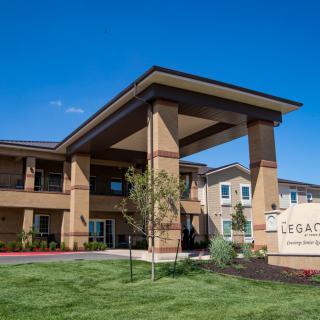
The Legacy at Town Square
$3,695 to $4,695 / month8.9 miles away
Overall Review of Kirkland Court Health And Rehabilitation Center
Pros
 The facility feels homey and welcoming.
- The staff are described as sweet and caring.
- The facility is clean and residents receive prompt help when needed.
- The food is good and meals are served attentively (they even brought a tray).
- Visitors are greeted warmly and treated like family.
- The staff take visitors' questions into consideration and explain care and meal arrangements.
- The rooms are spacious and comfortable.
- Families and patients enjoy their time there and would return.
- The staff are consistently attentive and ensure residents' needs are met.
- The facility is something reviewers would highly recommend.
Cons
 The facility was old and outdated.
- The diet was below average and not appealing, with small serving sizes that left residents hungry.
- Bathing on admission was delayed, leading to skin breakdown.
- Physical therapy assistants were inadequately trained and failed to secure the knee brace, resulting in a dislocated knee.
- The reviewer would not recommend this facility to anyone.
- The facility provided poor care with underqualified staff and outdated or inferior medical equipment, especially the beds.
- The rooms were small.
Review
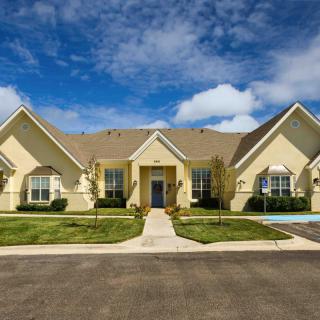
Kirkland Court Health and Rehabilitation Center in Amarillo, Texas, is best suited for seniors who prize a warm, home-like atmosphere with attentive, people-focused staff. Families seeking short-term skilled rehab or post-acute support will find a facility that emphasizes comfort, clean surroundings, and approachable caregivers who want residents and visitors to feel welcome. The ambience and daily interactions come through strongly in reviews: aides and nurses are described as personable, meals are well-regarded, and the pace feels like a trusted, familial setting rather than a clinical farm system. For residents who value easy visitation, visible kindness from front-line staff, and a place that feels more like a caring community than a sterile hospital, Kirkland Court stands out as a solid option.
That said, some families may want to consider alternatives. The most salient caveat is the facility’s aging appearance and smaller room sizes, which can be a deal-breaker for those prioritizing modern aesthetics or more spacious accommodations. A single, highly critical account underscores the possibility of serious safety lapses and subpar rehab experiences, suggesting that high-acuity needs, advanced medical monitoring, or an emphasis on the latest rehabilitation protocols may require a different setting. Prospective residents with heightened safety concerns, or those who insist on consistently updated equipment and highly standardized therapy, may be better served by evaluating other nearby options with more current infrastructure and documented performance on critical safety metrics.
The strongest positives at Kirkland Court are the human elements that families report repeatedly: a clean environment, genuinely friendly staff, prompt attention when emergencies occur, and a dining experience that residents view as satisfactory. These strengths help families endure the realities of a facility that may feel dated in its physical plant. When care hinges on daily reassurance, quick response to falls, and the sense that staff know residents by name, the offset against older furnishings and smaller rooms is meaningful. Conversely, the same warmth can feel insufficient if safety standards or rehab quality are called into question by a family member who has seen better-trained therapists or more rigorous equipment in other settings.
Safety and rehab quality emerge as the most important variables to scrutinize. A notably negative account details an incident where brakes failed on a bed, a mismanaged knee brace, delayed assistance with bathing, and consequential skin breakdown, paired with a decision to leave AMA for continued therapy at home. While several reviews emphasize immediate, attentive responses to falls and a generally caring staff, that single account cannot be dismissed. It signals that, in practice, processes and competencies may vary by shift or caregiver, and it warrants a careful, in-person assessment. Families should verify current safety protocols, request live demonstrations of equipment use, and ask to observe therapy sessions to gauge whether therapists are consistently tightening braces, protecting joints, and following evidence-based rehab practices.
Environment and daily life present a mixed picture. On the positive side, rooms that are described as spacious and comfortable by some residents create a sense of home. Family involvement is a tangible strength: staff regularly greet visitors, provide tours, and facilitate social visits, which can be a real relief for loved ones navigating long-term care decisions. The downsides include references to smaller rooms and ongoing remodeling that can temporarily affect noise levels or access. For families prioritizing a bright, modern atmosphere with larger private spaces and the latest equipment, Kirkland Court may feel less inviting. Those who can tolerate or even enjoy a homey, lived-in feel will likely view the environment more favorably.
Bottom-line guidance centers on alignment of priorities. If warmth, personal attention, and a rehabilitative setting that feels like a village of caregivers is paramount, Kirkland Court is a credible option worthy of a thorough in-person tour. Prospective residents should talk specifically about current rehab staffing, room sizes, and safety practices, and should request to meet a therapy team and several residents to gauge consistency across shifts. If, however, the top priorities are a pristine, modern facility with expansive rooms, or a long-term safety track record that showcases consistently flawless care across high-acuity needs, it may be prudent to compare additional facilities more intensively. A disciplined site visit, with attention to safety demonstrations, care planning, and meal quality, will reveal whether Kirkland Court’s strengths align with the specific expectations and risks of the individual or family seeking placement.
 87 resident community capacity
 Skilled Nursing Facility
 Air-conditioning
 Beauty salon
 Cable or satellite TV
 Computer center
 Dining room
 Fitness room
 Fully furnished
 Gaming room
 Garden
 Housekeeping services
 Kitchenette
 Move-in coordination
 Outdoor space
 Private bathrooms
 Restaurant-style dining
 Small library
 Telephone
 Wellness center
 Wi-Fi/high-speed internet available
 Amarillo International (12 miles away)
 Community operated transportation
 12-16 hour nursing
 24-hour call system
 Activities of daily living assistance
 Assistance with bathing
 Assistance with dressing
 Assistance with transfers
 Diabetes diet
 Medication management
 Mental wellness program
 Special dietary restrictions
 Concierge services
 Planned day trips






 In-Home Care Costs in 2025: A Detailed State-by-State Exploration
 Understanding Home Health Care: A Comprehensive Guide
 Home Health Care Demystified: A Comprehensive Guide for Families and Caregivers