Bivins Pointe in Amarillo, TX
Save
Information last verified:
1001 Wallace Boulevard, Amarillo, TX 79106
For more information about senior living options: (844) 490-3973
This Amarillo program is best suited for adults who are deeply committed to overcoming addiction and who thrive in a structured, peer‑led recovery environment. It rewards residents who engage fully in the program’s groups, daily schedules, and the community-based approach that emphasizes lived-experience coaching and sustained accountability. Families seeking a locally accessible option with a track record of graduates and a sense of community support will find this setting appealing, especially if the goal is long-term sobriety and reintegration into everyday life with a support network already in place.
At the same time, there are clear reasons to consider alternatives. For those who require medically supervised detox with highly consistent medical oversight, or who have complex medical needs (epilepsy, chronic pain management, or other conditions) that demand uninterrupted pharmacologic coordination, this location may fall short. Several reviews raise concerns about responsiveness, communication, and clinical decision-making, including instances of delayed contact, abrupt discharges, and questions about the appropriateness of medications. Families worried about safety, clear accountability, and stable staffing will want to compare options before committing.
The strongest positives center on professional, recovery-minded staff and a program that many alums describe as foundational to lasting change. Commentators repeatedly highlight counselors who share lived recovery experience, a culture of genuine care, and a willingness to tailor the approach to individual needs. The sense that staff go above and beyond to support families and to help clients build practical life skills, such as managing daily routines, handling stress, and reconnecting with the wider community, emerges as a compelling reason to choose this path for someone who is ready to engage deeply. Testimonials about community involvement and long-term sobriety among graduates carry real weight for decision-makers prioritizing durable outcomes.
Yet the cons cannot be dismissed. Repeated warnings about management and administrative practices, uneven quality of care, and reports of miscommunication undermine trust. Critics describe experiences ranging from slow or missing phone contact and perceived gatekeeping to episodes where rules felt punitive or where discharge decisions appeared abrupt. Allegations, albeit from a minority of reviews, about theft, misallocation of beds, or mismanagement of medications paint a troubling picture for families seeking dependable, transparent care. For those with heightened risk aversion or prior negative experiences, these themes can decisively tilt the balance toward alternatives.
Despite these flaws, the program’s core strength, its recovery foundation, often offset the negatives when the fit is right. Individuals who respond well to a structured, group-heavy approach and who can tolerate a rigorous environment tend to report meaningful gains: renewed hope, practical coping tools, and a pathway back to meaningful daily life. The presence of alumni who describe sustained sobriety years later, and the emphasis on building a real-world support network that continues beyond discharge, provide a credible argument for giving this option serious consideration. In short, for the right candidate, the gains can be substantial and lasting.
For families evaluating this option, a practical playbook is essential. Begin with a face-to-face assessment and request direct contact information for the local facility to bypass call-center bottlenecks. Request a tour, and observe how staff interact with clients and families, how groups are conducted, and how individualized plans are developed and followed. Priorities should include medical oversight and continuity of medications, clarity around intake and discharge criteria, and a concrete plan for aftercare or sober-living arrangements. Probe the facility’s communication channels and response times, verify meal quality and living conditions, and speak with current clients about day-to-day realities. Compare these findings against other Texas programs to ensure the chosen option aligns with medical needs, financial realities, and family expectations.
In the end, this Amarillo program offers a credible pathway for serious, motivated individuals who value a strong recovery culture and a community-based framework. It is not a one-size-fits-all solution; for those who require meticulous medical supervision, consistently reliable communication, or unambiguous administrative processes, alternatives deserve serious consideration. The decisive factor is fit: if a resident is prepared to lean into the program, build a robust support network, and work closely with staff, meaningful, lasting change can follow. If any of the red flags, staffing instability, inconsistent responsiveness, or questions about discharge decisions, feel personal or persistent, it is prudent to widen the search and compare options that may better meet medical and logistical needs without compromising the essential aim: a durable, sober future.
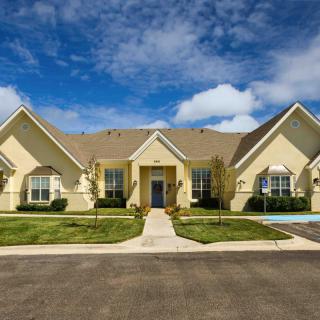
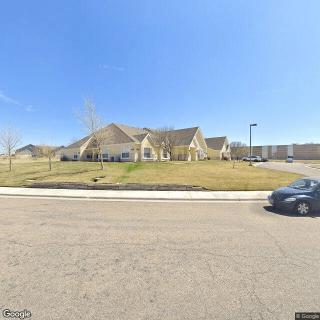
Bivins Pointe in Amarillo, TX is a premier assisted living community offering a range of amenities and care services to enhance the well-being and comfort of its residents. Located in a vibrant neighborhood, Bivins Pointe provides a welcoming environment with various on-site facilities including a beauty salon, gaming room, fitness room, and small library. Residents can enjoy delicious meals prepared by professional chefs in the restaurant-style dining room or take advantage of the kitchenette in their fully furnished apartments for more independent living.
The community also offers numerous activities designed to engage and entertain residents, such as fitness programs, planned day trips, and resident-run activities. Concierge services cater to individual preferences while scheduled daily activities ensure there is always something exciting happening.
With 24-hour supervision and assistance available, residents can have peace of mind knowing that they will receive support with activities of daily living like bathing, dressing, and transfers when needed. Medication management is also provided to ensure proper adherence to prescribed medications. The mental wellness program focuses on promoting emotional well-being through various therapy options.
Bivins Pointe values personalized care and understands that each resident has unique needs. Special dietary restrictions are accommodated to maintain optimal health and satisfaction. The community operates transportation for non-medical purposes as well as transportation arrangement for doctors' appointments.
In addition to the outstanding amenities and care services available at Bivins Pointe, the surrounding neighborhood offers convenient access to several cafes, parks, pharmacies, physicians' offices, restaurants, places of worship, theaters, and hospitals.
Overall, Bivins Pointe provides a supportive and enriching environment for seniors seeking assisted living in Amarillo where they can enjoy an active lifestyle while receiving personalized care tailored to their individual needs.
Bivins Pointe is located at 1001 Wallace Boulevard, Amarillo, TX 79106 in Randall County, Texas
Ten Vital Duties of a Senior Caregiver: A Comprehensive Guide

The guide details ten essential responsibilities of senior caregivers, including personal care, mobility assistance, medication management, and emotional support, while emphasizing the importance of safety, nutrition, and maintaining a safe living environment to enhance seniors' quality of life and independence.
9 Stimulating Memory Activities for Seniors: Puzzles, Cards, and Much More

The article highlights nine memory-boosting activities for seniors that enhance cognitive health and social interaction, including puzzles, trivia quizzes, and storytelling, while emphasizing the importance of adapting these activities to individual preferences to maximize enjoyment and engagement. Consistent mental engagement is linked to improved cognitive function and emotional well-being in older adults.
Managing Nursing Home Expenses After Medicare Coverage Ends
Medicare provides limited coverage for skilled nursing home care, covering full benefits for the first 20 days and partial benefits up to 100 days under certain conditions, after which families must explore alternative funding options like Medicaid or long-term care insurance to manage potentially high costs. Proactive planning is essential to navigate the complexities of financing ongoing care once Medicare coverage ends.