
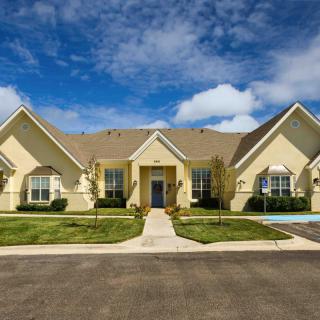
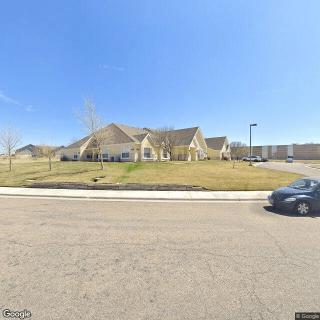
1910 Medi Park Drive, Amarillo, TX 79106
For more information about senior living options: (866) 208-4318
Overall Review of The Arbors
Pros
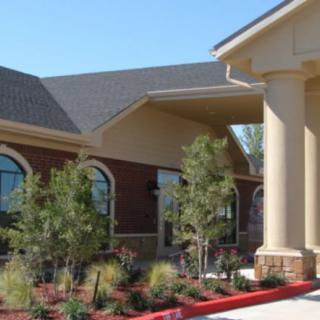
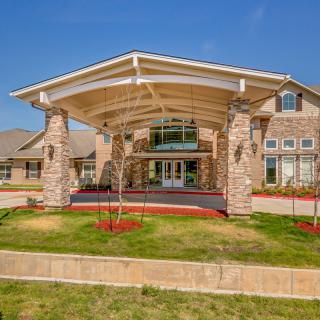
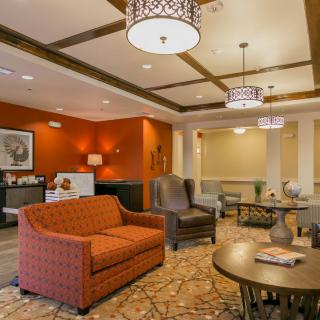
 The Arbors is described as a very clean facility with a warm, home-like environment.
- The staff are welcoming, informative, and caring, providing professional care.
- Nurses and CNAs are exceptional and attentive to residents’ needs.
- The food is good, and the dining experience is pleasant.
- The rooms are comfortable, with accessible bathrooms and spaces to relax.
- The facility offers amenities like a salon, library, and social areas, enhancing the overall experience.
- The care team is knowledgeable and helpful, supporting rehabilitation and recovery.
Cons
 Staff were rude and uncaring, and the reviewer reported that personal belongings and jewelry were stolen.
 - There was no reliable protocol for care-plan meetings when the responsible staff were out, leaving families with little information.
- Wounds were mishandled, with a seeping wound left untreated for weeks and the wound vac not consistently used or sent home.
- The doctor was described as clueless and disinterested, with delays in orders for topical cream and compression socks.
- The facility was severely understaffed, leading to little therapy, missed baths, and impersonal care.
- Medications were given incorrectly on multiple occasions, including three instances for one patient.
- A family reported the death of a loved one due to neglect and lack of timely care in rehab.
- Nighttime noise from staff and residents made rest difficult.
Review
This community is best suited for families seeking post-acute rehabilitation in a clean, comfortable setting where meals and social amenities are a clear plus, and where the emphasis is on getting back on the feet with a pleasant environment. The Arbors can work well for residents who respond to a welcoming atmosphere, accessible dining options, and a range of on-site activities. It is less ideal for those who require rigorous, consistently coordinated medical oversight, careful medication management, or high-frequency, discipline-specific therapy under close supervision. Importantly, The Arbors does not accept Medicaid, a factor that shapes who can realistically use it based on funding needs.
Alternatives should be on the radar for anyone who prioritizes strict clinical governance and reliable, uninterrupted medical attention. Several reviews highlight gaps that can become high-stakes problems: incomplete or inconsistent care-plan meetings, delayed or poorly communicated orders, and uneven follow-through on wound care and medication administration. If a loved one depends on timely doctor communications, precise wound management, or frequent, high-intensity therapy, a facility with stronger, more predictable clinical protocols or one that accepts Medicaid may be a safer fit. For families with a history of needing vigilant advocacy, another nearby option could reduce risk of adverse events.
The strongest positives at The Arbors are tangible and meaningful when the facility is operating smoothly. The environment tends to be clean and pleasant, with recently described or well-maintained patient rooms. Food is frequently praised, and the dining room, social spaces, and amenities such as a salon and library create opportunities for socialization and dignity in daily living. Several staff members, particularly nurses and aides, are remembered for warmth, responsiveness, and a genuine desire to help. Those small, everyday acts of care can make a meaningful difference in recovery and overall experience, especially during lengthy rehab stays.
However, the main Cons endure and can overwhelm the positives when staffing is stretched thin or clinical processes falter. Numerous reviews describe difficulty obtaining timely information about care plans and treatment progress, sometimes with real consequences for health management. Medication errors, reported on multiple occasions, are a red flag in a post-acute setting, along with delayed medications that worsen conditions like swelling or heart failure symptoms. Wound care lapses, missed orders, and even cases of patients going days without necessary treatment illustrate how critical reliable oversight and robust communication are to outcomes. Reports of nighttime noise, limited weekend therapy, and staff shortages amplify concerns about consistency and safety. Allegations of theft and other quality-of-care failures further complicate the decision to place trust here.
Practically evaluating The Arbors requires a proactive, hands-on approach. Prospective families should insist on clear, written protocols for care-plan meetings, and ask who is responsible for patient progress when the primary planner is out. Request a tour during peak activity to observe communication among staff and residents, and specifically inquire about the therapy schedule, weekend availability, and how often patients are mobilized from bed to chair. It’s essential to verify the system for medication administration and incident reporting, and to ask about any recent improvements in staffing or training. If Medicaid coverage is relevant, alternatives that accept Medicaid should be explored, along with potential private-pay options that align with budget and needs.
Ultimately, The Arbors can be a reasonable pick for families prioritizing a pleasant, home-like rehab environment with good food and a capable, caring staff in many shifts. The facility’s ambiance and social offerings are meaningful assets for quality of life during recovery. Yet the risk calculus leans toward caution: without steadfast staffing, rigorous clinical oversight, and dependable care-plan execution, positive outcomes are uncertain. For families who can maintain active oversight, press for transparent processes, and plan for potential advocacy on behalf of their loved one, The Arbors offers a viable path to recovery. For those requiring predictable medical governance, or those navigating Medicaid funding, it is prudent to compare alternatives more closely and basket in options with stronger, consistently implemented clinical protocols.
 120 resident community capacity
 Skilled Nursing Facility
 Air-conditioning
 Beauty salon
 Cable or satellite TV
 Computer center
 Dining room
 Fitness room
 Fully furnished
 Gaming room
 Garden
 Housekeeping services
 Kitchenette
 Move-in coordination
 Outdoor space
 Private bathrooms
 Restaurant-style dining
 Small library
 Telephone
 Wellness center
 Wi-Fi/high-speed internet available
 Amarillo International (12 miles away)
 Community operated transportation
 12-16 hour nursing
 24-hour call system
 Activities of daily living assistance
 Assistance with bathing
 Assistance with dressing
 Assistance with transfers
 Diabetes diet
 Medication management
 Mental wellness program
 Special dietary restrictions
 Concierge services
 Planned day trips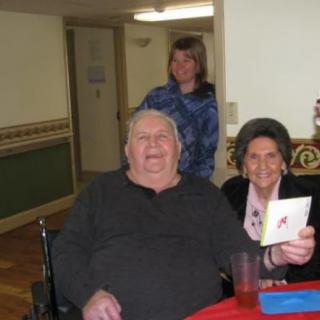


 Fecal Incontinence in Older Adults: A Comprehensive Guide
 Recognizing the Journey: Understanding and Navigating Anticipatory Grief
 Encouraging Participation in Adult Day Care: A Guide to Supporting a Hesitant Parent