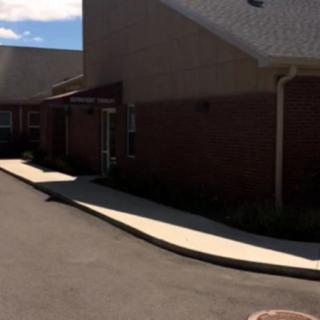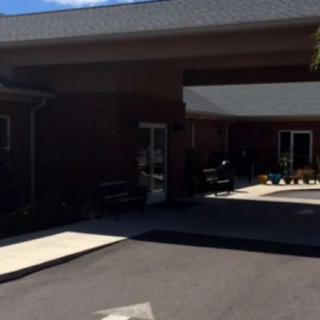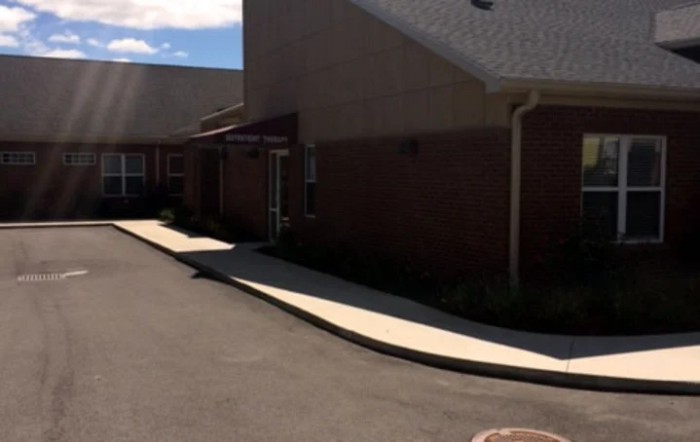
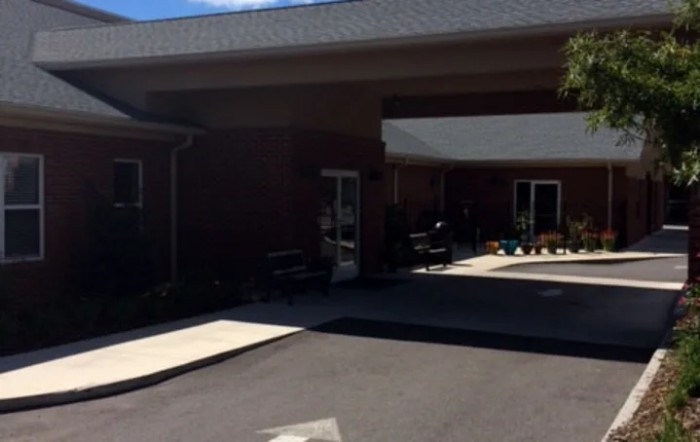
505 North Roan Street, Johnson City, TN 37604
For more information about senior living options: (866) 208-4318

Overall Review of Agape Nursing And Rehabiliation Center
Pros
 The nurses are amazing and kind.
- The nursing staff is absolutely amazing.
- The staff are wonderful there.
- The compassion and love for their patients goes above and beyond.
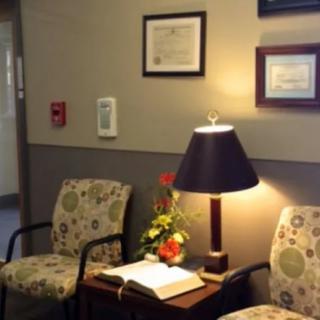
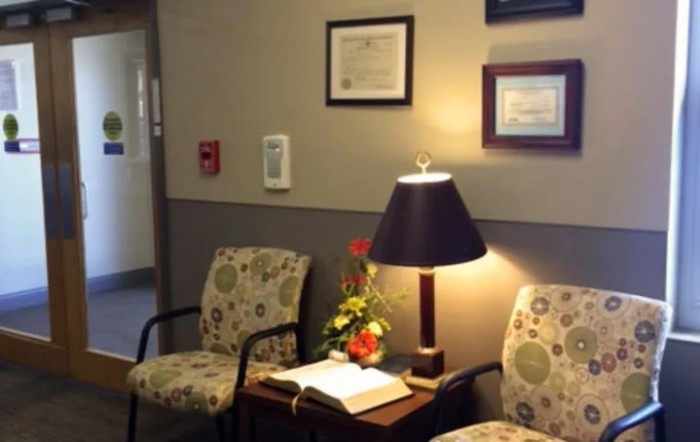
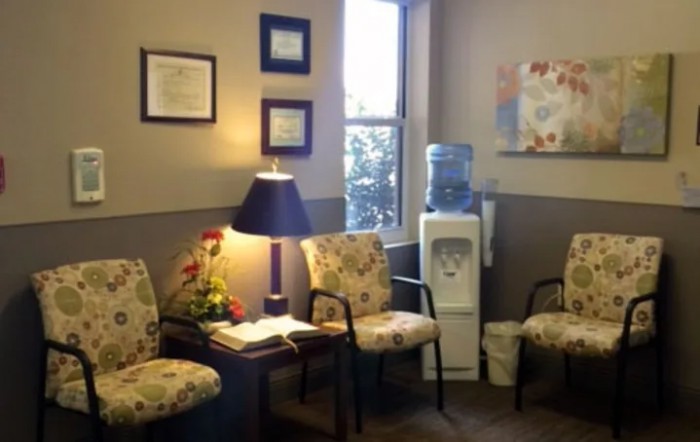
- The facility is very clean.
- The amenities are great and welcoming for retirees.
- They moved her to a beautiful private room so the family could be comfortable and spend her last hours together.
Cons
 The facility is described as one of the most disturbing places the reviewer has stepped into, with safety concerns.
 - CNAs are reportedly vaping marijuana at the nurses’ station and sneaking off to use it on the job, with no accountability.
- Staff under the influence are said to be in charge of medications, hygiene, and meals.
- Those who speak up about abuse or drug use are punished and retaliated against.
- The place is toxic, unsafe, and allegedly criminally negligent.
- Billing issues are constant, with no responses from administration.
- The rooms are dirty, with outdated furniture and odors of waste.
- The facility is understaffed, leading to long delays and unmet basic needs.
Review
Agape Nursing and Rehabilitation Center in Johnson City is best suited for families that value genuine, hands-on nursing care delivered with warmth and compassion, and whom the care team can vigilantly oversee. This community can work for residents who need steady daily assistance, medical attention, and a private room to share meaningful time with loved ones during challenging moments. It is a viable option when the priority is personal connection from frontline caregivers and a setting that feels approachable and human, rather than a pristine antiseptic environment. But this suitability comes with a clear caveat: it presupposes active family involvement and a readiness to demand accountability and transparent communication from administration.
On the plus side, several reviews underscore a core strength: the nursing staff when present can be remarkable and deeply caring. Families repeatedly praise frontline workers who go the extra mile, with anecdotes of attentive, compassionate care and nurses who make a genuine difference in daily life. A number of comments also highlight a generally clean facility and a welcoming atmosphere in the patient-facing areas, including private rooms that can be meaningful for families during difficult times. In short, when the staff love what they do and the environment feels humane, Agape shines as a place where residents are seen and cared for at a personal level.
Yet the cons carry substantial weight and cannot be dismissed. The most troubling narratives center on safety and accountability failures: reports of staff members vaping marijuana at the nurses’ station and caring for residents while under the influence, with little apparent consequence or swift corrective action. Multiple families describe a culture that punishes staff who raise concerns, while allowing problematic behaviors to persist. Understaffing compounds these issues, leading to delays in basic tasks like hygiene, meals, and responding to call bells. Complaints about dirty rooms, outdated furniture, and general maintenance problems recur, and billing disputes with slow or no responses add a financial stressor on top of clinical concerns. The overall impression is of a facility where good intentions exist, but operational gaps threaten consistent, safe care.
The key pros can offset the main drawbacks only to a degree, and that balance varies by family and resident. For those who can secure reliable front-line advocacy, the heartfelt nursing care and the opportunity for intimate family time in a comfortable private room can make a meaningful difference, particularly for residents with complex or end-of-life needs. However, the gravity of safety lapses and the perception of systemic mismanagement often dwarfs the positive experiences. When caregivers are not consistently protected or supported, the risk that essential medications, hygiene, and daily routines fall through the cracks becomes a decisive factor for decision-makers weighing place-of-care options. In other words, the warmth and competence that do exist are not uniformly reliable, and that inconsistency is the deciding factor for families comparing Agape to alternatives.
For families considering Agape, a disciplined, proactive approach is essential. Before any move, insist on speaking directly with front-line staff and a nurse manager to understand how medication administration is supervised and how emergencies or staffing shortages are handled. Request a clear, written care plan with specific milestones, daily routines, and dietary accommodations, especially for residents with allergies or special needs, and verify that these plans are followed. Probe billing processes, confirm what is covered, and set expectations for timely responses; if possible, seek a dedicated point of contact for ongoing questions. Demand transparency about any safety concerns, whistleblower protections, and a concrete path for addressing grievances. Finally, visit repeatedly, during different shifts, to observe how care is delivered and how staff interact with residents and families.
Bottom line: Agape presents a mixed proposition that rewards families willing to invest in oversight and advocate actively for safe, consistent care. It can be a strong fit for residents who prioritize personal, compassionate nursing attention and the comfort of a private room, provided that reliable governance and staffing stability can be demonstrated and maintained. For those whose threshold for risk around safety, accountability, and administrative responsiveness is low, or for families seeking a consistently modern, impeccably managed environment, alternatives should be seriously explored. The decision hinges on whether proactive advocacy can bridge the gaps identified in several reviews, and whether the tangible warmth of the caregiving staff can be sustained amid the structural and cultural challenges described.
 84 resident community capacity
 Skilled Nursing Facility
 Air-conditioning
 Beauty salon
 Cable or satellite TV
 Computer center
 Dining room
 Fitness room
 Fully furnished
 Gaming room
 Garden
 Housekeeping services
 Kitchenette
 Move-in coordination
 Outdoor space
 Private bathrooms
 Restaurant-style dining
 Small library
 Telephone
 Wellness center
 Wi-Fi/high-speed internet available
 Tri-Cities Regional (11 miles away)
 Community operated transportation
 12-16 hour nursing
 24-hour call system
 Activities of daily living assistance
 Assistance with bathing
 Assistance with dressing
 Assistance with transfers
 Diabetes diet
 Medication management
 Mental wellness program
 Special dietary restrictions
 Concierge services
 Planned day trips





 Comprehensive Exploration of Living Wills and Other Advance Directives
 A Detailed Exploration of Living Wills and Advance Directives
 Comprehensive Guide to Medicare Coverage for Hospice Care