

226 Knight Rd, Erin, TN 37061
To contact a resident: (931) 289-4141
For more information about senior living options: (866) 208-4318
Overall Review of Royal Care of Erin
Pros
 The staff are wonderful and caring to residents receiving physical therapy.
- The staff are easy to reach for updates.
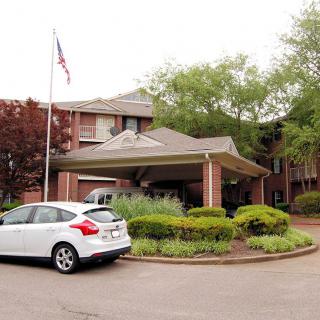
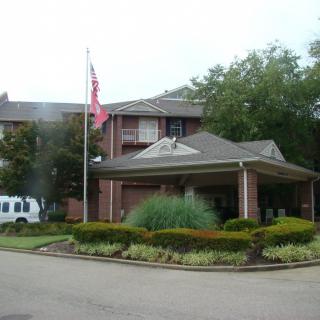
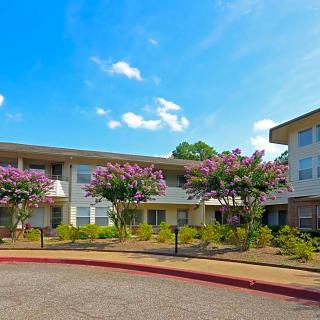
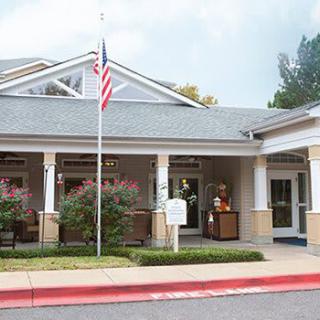
- The campus is beautiful and the caregivers are amazing.
- The care is exceptional and the facility is extremely clean.
- The staff take pride in their work and enhance residents’ quality of life with outings and creative activities.
- The facility offers a variety of outings and activities that improve residents’ daily lives.
- The Alzheimer's unit feels like an extension of home, offering comfort and support.
- The therapy team helps residents regain independence and return home with minimal assistance.
- Signature Healthcare of Erin is highly recommended and regarded by many as a top facility.
- Medicare rates the facility highly, with five stars.
- The staff across departments show love, respect, and dedication to residents, going above and beyond to meet needs.
- The facility is trusted to provide high-quality care and treats residents with dignity.
Cons
 Staff shows no care for patients, leaving them to rot in bed and sit in their feces.
- Staff often goes on breaks leaving patients to fend for themselves.
- They will not listen to doctors’ orders or even write pertinent information in charts.
- They are constantly moving patients from room to room causing confusion for visitors.
- They delay rehabilitation progress by messing up orders or lying about ordering something.
- The food is horrible and unnutritious, and the snacks are locked up so patients have no access to independently feeding themselves.
- If a snack is requested, the nurse will never bring it, let alone water.
- The facility is terrible and not a good place to entrust a loved one.
- They delivered the wrong treatment, setting her back weeks of previous treatment.
Review
Royal Care of Erin is best suited for seniors who urgently need post‑acute rehabilitation and an active schedule of therapy, outings, and social engagement, and for families willing to stay highly involved in care coordination. The setting can feel welcoming and well‑kept, and several accounts highlight a capable therapy team that helps residents regain mobility and independence. For residents who thrive on structured rehab and a busy activity calendar, this community can deliver meaningful progress. However, it is not a match for those who require consistently attentive bedside care, predictable nursing oversight, and seamless daily communication without family advocacy.
The most serious red flags cluster around daily care and communication. Multiple reviews allege neglect in basic routines, patients left in bed or in soiled conditions, with staff reportedly on breaks and hard to reach for essential requests. Charting errors, miscommunications about orders, and frequent room changes that disrupt visits all undermine continuity of care. There are strongly negative accounts of incorrect or delayed treatments that jeopardize rehab progress, along with assertions that essential needs such as hydration and snacking are not reliably met. In the most alarming cases, families report failures in safety and urgent medical communication, including discharges that felt rushed or ill‑advised.
Against these concerns stand pockets of pronounced positives: caregivers described as friendly and approachable, and a therapy program that can produce real gains when properly coordinated. Some reviewers attest that the staff reachability improves updates for families and that residents experience meaningful rehabilitation and social engagement. A number of residents and families also praise the facility’s environment, cleanliness, campus aesthetics, and a culture of care among many team members who consistently go above and beyond in specific departments. The tension is real, but the capacity for compassionate care and effective therapy is not absent; it simply proves uneven in practice.
That unevenness matters profoundly when weighing pros and cons. The strong rehabilitation emphasis and engaging activities can offset certain limitations for a resident who values progress toward independent function and social stimulation, provided a reliable care plan and consistent therapy are in place. Yet the same strengths do not erase fundamental risk if daily nursing coverage, timely responses, or accurate medication management remain unreliable. In other words, tangible rehab wins may be outweighed by episodes of missed care, inconsistent documentation, and systemic communication gaps for a resident with complex medical needs or a fragile condition.
Those considering alternatives should prioritize facilities with demonstrated, consistent bedside care and robust, proactive communication. If a family cannot tolerate recurring lapses in basic nursing duties, or if a resident requires highly predictable attention to orders, nutrition, and hygiene, other SNFs with stronger staffing ratios and steadier management should be on the short list. Prospective residents should scrutinize care planning processes, staffing schedules, and channel for updates with administrators, and compare them against facilities known for reliability and fewer reports of care fragmentation.
In closing, Royal Care of Erin presents a mixed proposition: genuine rehabilitation potential and a welcoming environment for the right resident, tempered by notable concerns about daily care consistency and communication. Families who decide to pursue this community should plan for aggressive advocacy, with structured meetings to review care plans, daily routines, and therapy progress. Before committing, demand a clear, written agreement on staffing expectations, response times, and a guaranteed care protocol during transfers and transitions. If those safeguards cannot be guaranteed, exploring alternatives remains a prudent choice for preserving safety, dignity, and peace of mind.
 Skilled Nursing Facility
 Memphis International (5 miles away)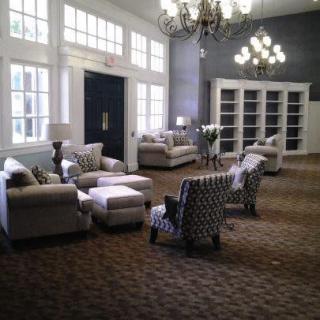


 In-Depth Look at the VA Aid and Attendance Program
 Nurturing Our Loved Ones: A Daughter's Journey in Caring for Her Mother
 Nurturing Our Elders: Linda's Journey of Supporting Her Mother