For more information about senior living options: (866) 208-4318
3.9 from 55 reviews
5 stars
34
4 stars
3
3 stars
7
2 stars
1
1 stars
10
Nhc Healthcare - Greenville Costs & Pricing
NHC Healthcare - Greenville offers a range of room types with costs that reflect both the quality of care and the local market dynamics. Monthly rates for a studio apartment at this facility range from $2,958 to $4,542, positioning it slightly below the average cost in Spartanburg County ($3,629) and just under the state average of $3,649. For one-bedroom accommodations, prices vary from $3,468 to $5,052, which is notably higher than Spartanburg's average of $4,097 but still more competitive than South Carolina's statewide figure of $3,806. The two-bedroom options are similarly priced between $3,728 and $5,312 and align closely with regional and state averages of approximately $4,578 and $4,337 respectively. It is worth noting that private rooms have a fixed cost of $6,742 - a premium compared to both county ($4,096) and state levels ($4,246) - while semi-private rooms are priced at $7,971, significantly exceeding local ($3,198) and state averages ($3,243). This pricing structure underscores NHC Healthcare - Greenville's commitment to providing high-quality care amidst the varying costs associated with senior living in the region.
Floor plans
Nhc Healthcare - Greenville
Spartanburg County
South Carolina
Studio
$2,958 to $4,542
$3,629
$3,649
1 Bedroom
$3,468 to $5,052
$4,097
$3,806
2 Bedrooms
$3,728 to $5,312
$4,578
$4,337
Private
$6,742
$4,096
$4,246
Semi-Private
$7,971
$3,198
$3,243
Skilled Nursing Facilities with a similar price nearby
Residents and families frequently describe staff as kind, attentive, and professional.
Many reviewers say caregivers and nursing staff took a personal interest in their loved ones, with some describing regular check-ins and a calm, supportive tone. Several mention staff professionalism even when the patient was challenging, and families describe quick adjustments and responsiveness to needs. A smaller set of reviews, however, report serious communication and bedside-care problems that affected trust in day-to-day care.
common13 reviews mention this
Cleanliness and upkeep draw mixed feedback
Residents and families often comment on the facility being clean and well maintained.
A number of reviewers praise the buildingā€™s cleanliness, including rooms, bathrooms, and general appearance, and some describe the grounds and inside layout as easy to navigate. Others raise concerns about deep-cleaning quality or specific maintenance details, and one reviewer points to odors in hallways. Overall, cleanliness comes up often, but not everyone rates it consistently.
common12 reviews mention this
Food quality is described both ways
Dining is frequently discussed, with some calling meals top-notch and others reporting issues.
Several families describe the food as good, with options and the ability to choose meals, including what people needed for dietary preferences. In reviews where food is praised, families also mention residents finishing meals and staff offering choices. Other reviews say meals were cold or not appropriate for diabetic needs, and some point to nutrition being mishandled rather than simply a taste issue.
caveat8 reviews mention this
Safety and medication concerns appear
Some reviewers describe medication, supervision, and safety problems that undermined confidence.
While many families describe strong care, multiple reviewers report breakdowns that they connect to nursing communication or clinical attention. Themes include allegations around medication handling, supervision during nighttime or restroom assistance, delayed response during emergencies, and missed or inadequate monitoring for medical needs. These concerns are serious enough that several reviewers say they would not recommend the facility based on their experience.
How we summarize
Counts show how many written reviews mention each theme; a review can touch several themes, and only frequently mentioned themes are displayed.
NHC Healthcare - Greenville offers a range of room types with costs that reflect both the quality of care and the local market dynamics. Monthly rates for a studio apartment at this facility range from $2,958 to $4,542, positioning it slightly below the average cost in Spartanburg County ($3,629) and just under the state average of $3,649. For one-bedroom accommodations, prices vary from $3,468 to $5,052, which is notably higher than Spartanburg's average of $4,097 but still more competitive than South Carolina's statewide figure of $3,806. The two-bedroom options are similarly priced between $3,728 and $5,312 and align closely with regional and state averages of approximately $4,578 and $4,337 respectively. It is worth noting that private rooms have a fixed cost of $6,742 - a premium compared to both county ($4,096) and state levels ($4,246) - while semi-private rooms are priced at $7,971, significantly exceeding local ($3,198) and state averages ($3,243). This pricing structure underscores NHC Healthcare - Greenville's commitment to providing high-quality care amidst the varying costs associated with senior living in the region.
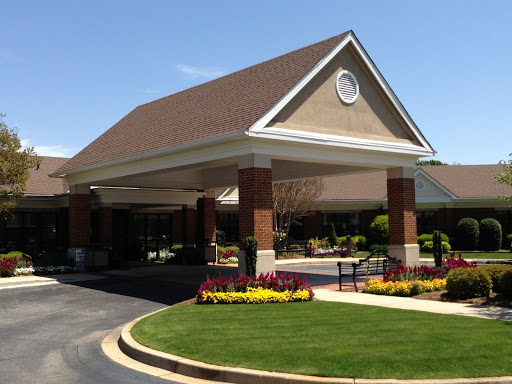
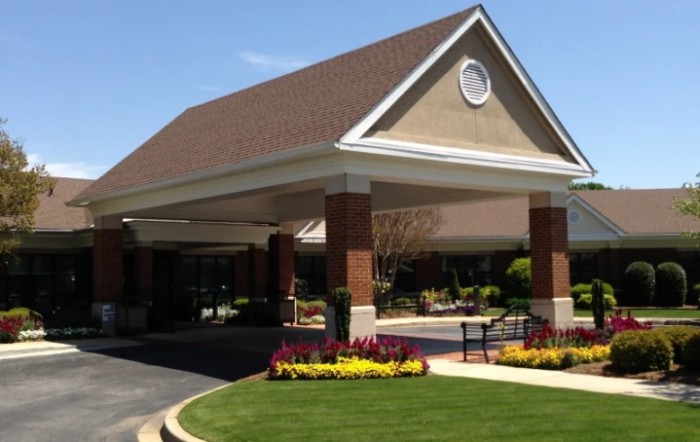
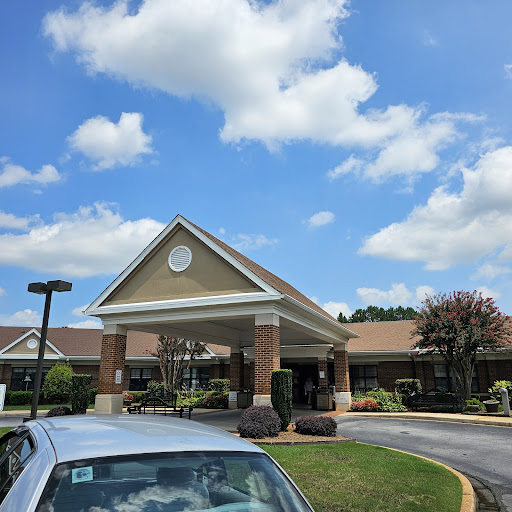
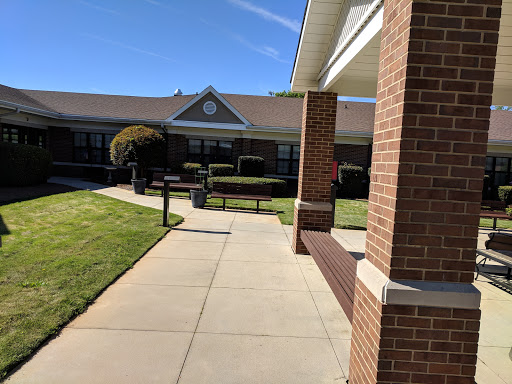
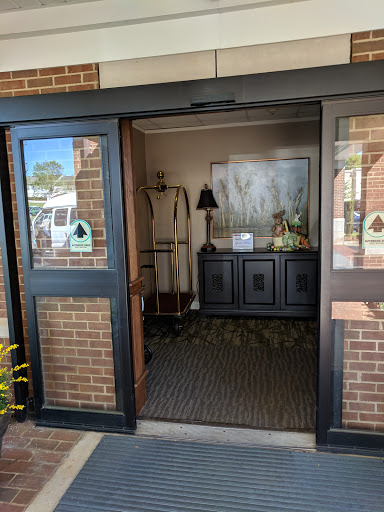
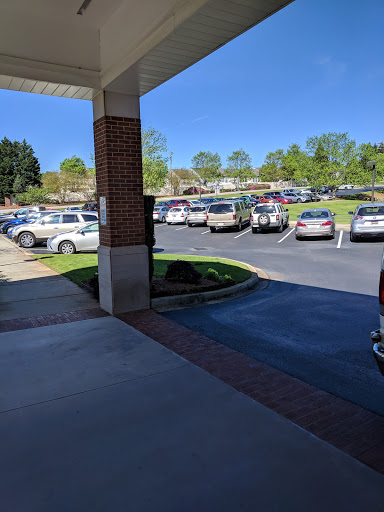
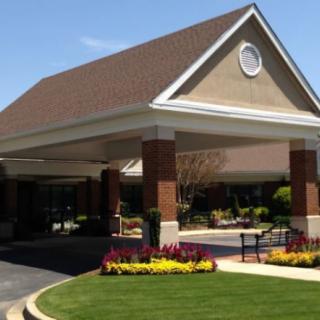
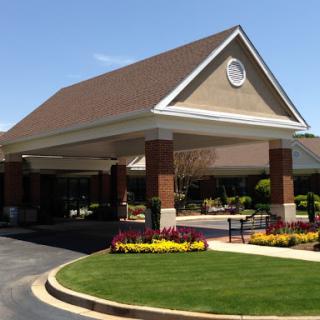
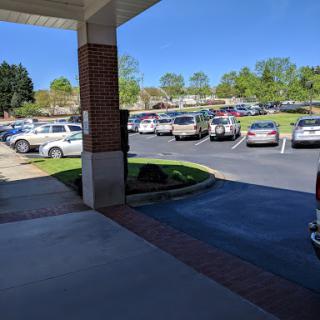
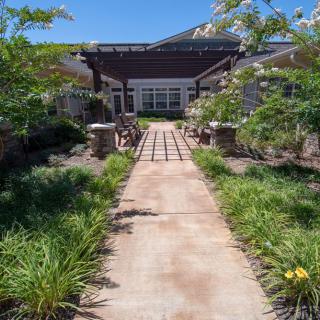
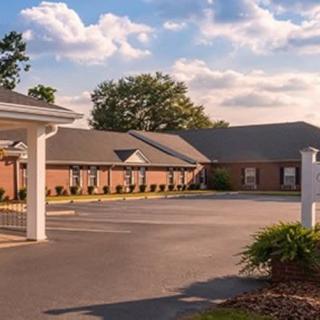
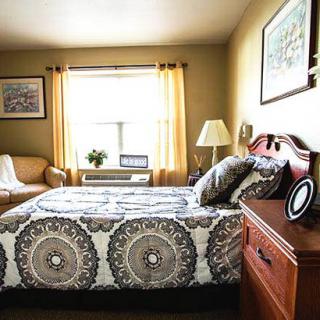
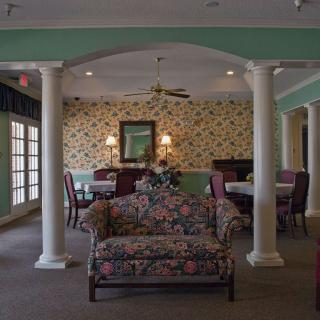
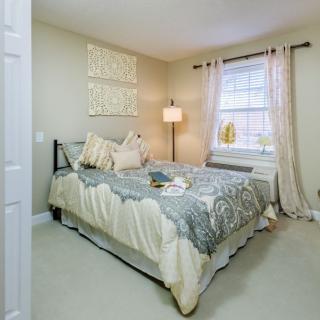
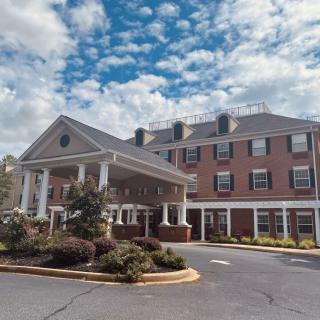
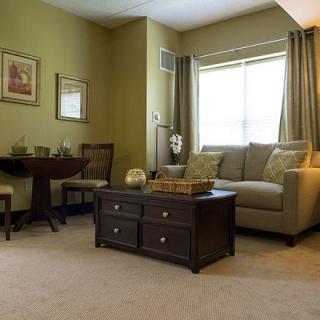
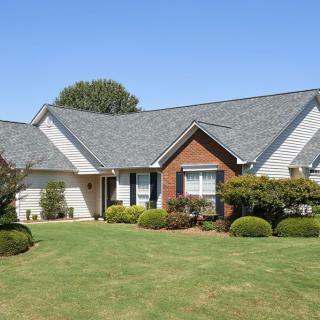
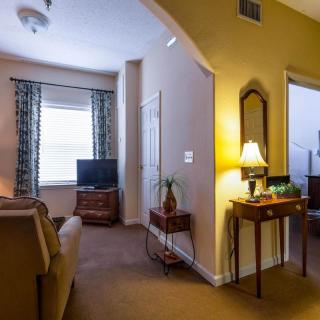
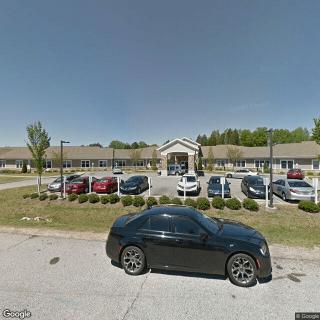
Nhc Healthcare - Greenville on seniors.fyi includes 7 photos including images showing landscaping, building, entrance, architecture, parking, exterior, building exterior, garden, and more.
Nearby Communities
Pine Grove Senior Living
Greenville, SC
4 from 89 reviews
$1,800 to $4,475 / month
Friendly staff and engaging activities at an affordable price.
Windsor House Greenville
Greenville, SC
4.2 from 48 reviews
$3,150 to $4,200 / month
Friendly staff, engaging activities, and convenient on-site amenities (dining, beauty salon, library) with accessible healthcare.
Greenville Glen
Greenville, SC
3.9 from 33 reviews
$2,695 to $3,250 / month
Friendly, caring staff in a welcoming, close-knit community with engaging activities.
Oakleaf Village At Greenville
Greer, SC
4.1 from 53 reviews
Memory-care focus with 24/7 supervision and a wide range of amenities.
Kempton of Greenville
Greer, SC
4 from 82 reviews
$4,165 to $4,965 / month
Friendly staff, pleasant grounds, and engaging activities.
The Gables on Pelham
Greenville, SC
4.1 from 96 reviews
$2,300 to $3,300 / month
Compassionate staff and a vibrant, engaging community.
Rolling Green Village
Greenville, SC
4.4 from 167 reviews
$5,872 / month
Excellent staff with strong communication, plus upscale facilities and broad amenities.
The Gardens At Eastside
Greenville, SC
4.7 from 92 reviews
$2,950 to $5,680 / month
Caring staff with low turnover and strong dementia care; engaging activities.
Patewood Rehabilitation And Healthcare Centers
Greenville, SC
3.5 from 124 reviews
$4,500 / month
Effective therapy with compassionate staff; clean and engaging environment.
Hospice care at home provides specialized end-of-life support that focuses on comfort and dignity for individuals with life-limiting illnesses, offering a range of services including medical management, emotional and spiritual support, and logistical assistance tailored to the family's needs. It involves collaboration to create individualized care plans and extends to bereavement support after a loved one's passing.
The guide outlines the rising costs of 24/7 in-home care, ranging from $10,000 to over $20,000 monthly, driven by factors such as location and caregiver qualifications. It discusses the limited coverage by Medicare and private insurance, potential Medicaid support, and the emotional and living condition considerations influencing families' decisions on care arrangements.
Home health nursing is an expanding field where licensed professionals provide specialized medical care in patients' homes, addressing the needs of an aging population through personalized services like assessments and medication management. Effective collaboration with healthcare teams, cultural sensitivity, and quality assurance measures are essential for fostering trust and ensuring positive patient outcomes.
Get PricingAsk A QuestionSchedule A TourContact Senior Advisor
By clicking submit, you agree to our Partner's Terms of Use. You
also consent to receive calls and texts, which may be autodialed, from our Partner. Your consent is not a condition to
using our Partner's service. Please visit our Partner's Privacy Policy for information about their privacy practices.




 132 resident community capacity
 Skilled Nursing Facility
 Air-conditioning
 Beauty salon
 Cable or satellite TV
 Computer center
 Dining room
 Fitness room
 Fully furnished
 Gaming room
 Garden
 Housekeeping services
 Kitchenette
 Move-in coordination
 Outdoor space
 Private bathrooms
 Restaurant-style dining
 Small library
 Telephone
 Wellness center
 Wi-Fi/high-speed internet available
 Greenville-Spartanburg (4 miles away)
 Community operated transportation
 12-16 hour nursing
 24-hour call system
 Activities of daily living assistance
 Assistance with bathing
 Assistance with dressing
 Assistance with transfers
 Diabetes diet
 Medication management
 Mental wellness program
 Special dietary restrictions
 Concierge services
 Planned day trips
 Friendly staff and engaging activities at an affordable price.
 Understanding Hospice Care at Home: Comprehensive Services, Key Benefits, and Eligibility
 Understanding the Full Cost of 24/7 In-Home Care: A Detailed Overview
 Exploring the World of Home Health Nurses: Qualifications, Roles, and Hiring Tips