The Gardens At Eastside in Greenville, SC

Save

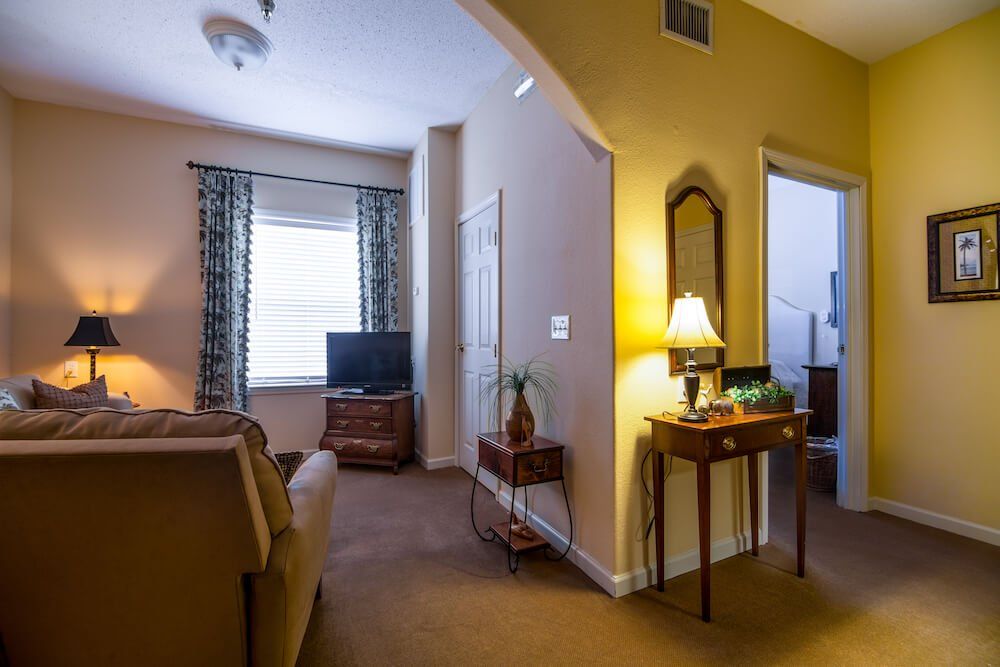
  • Interior

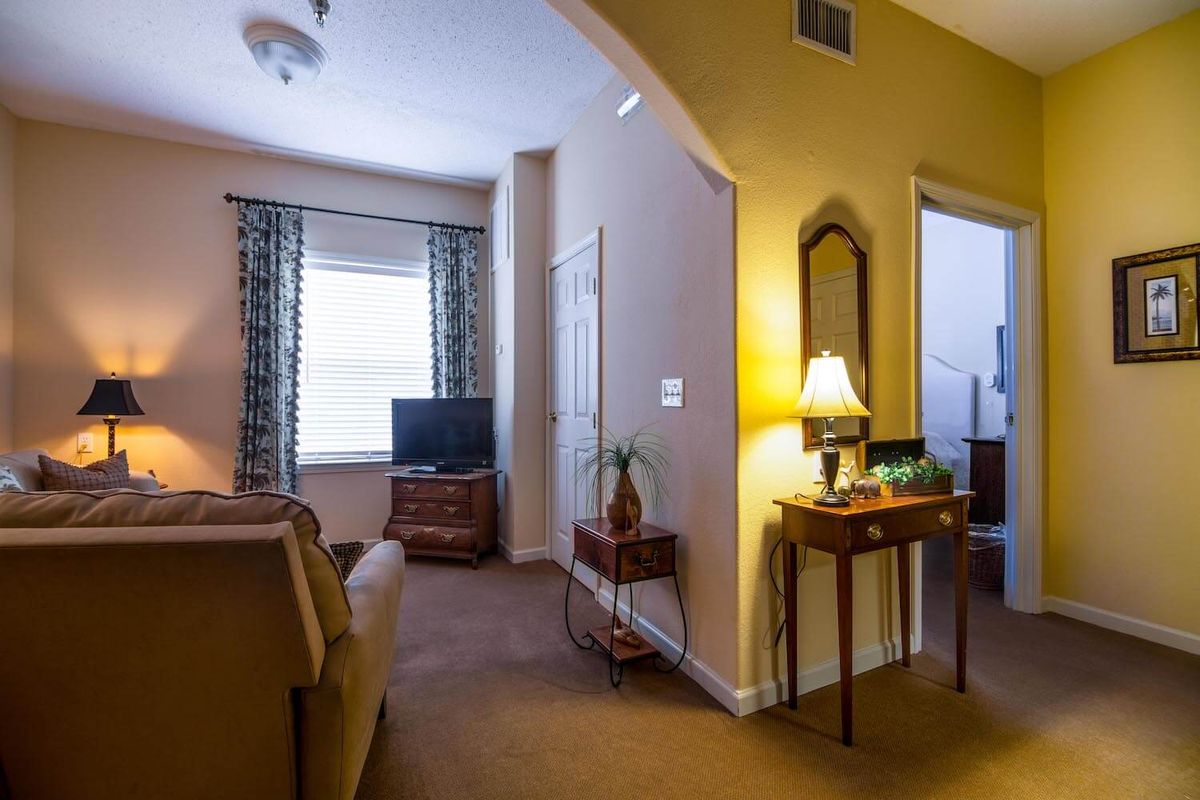
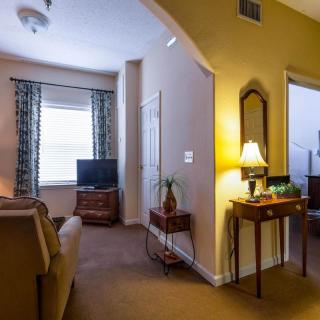
    Cozy living room with seating, a TV, and warm lighting.
  • Decor

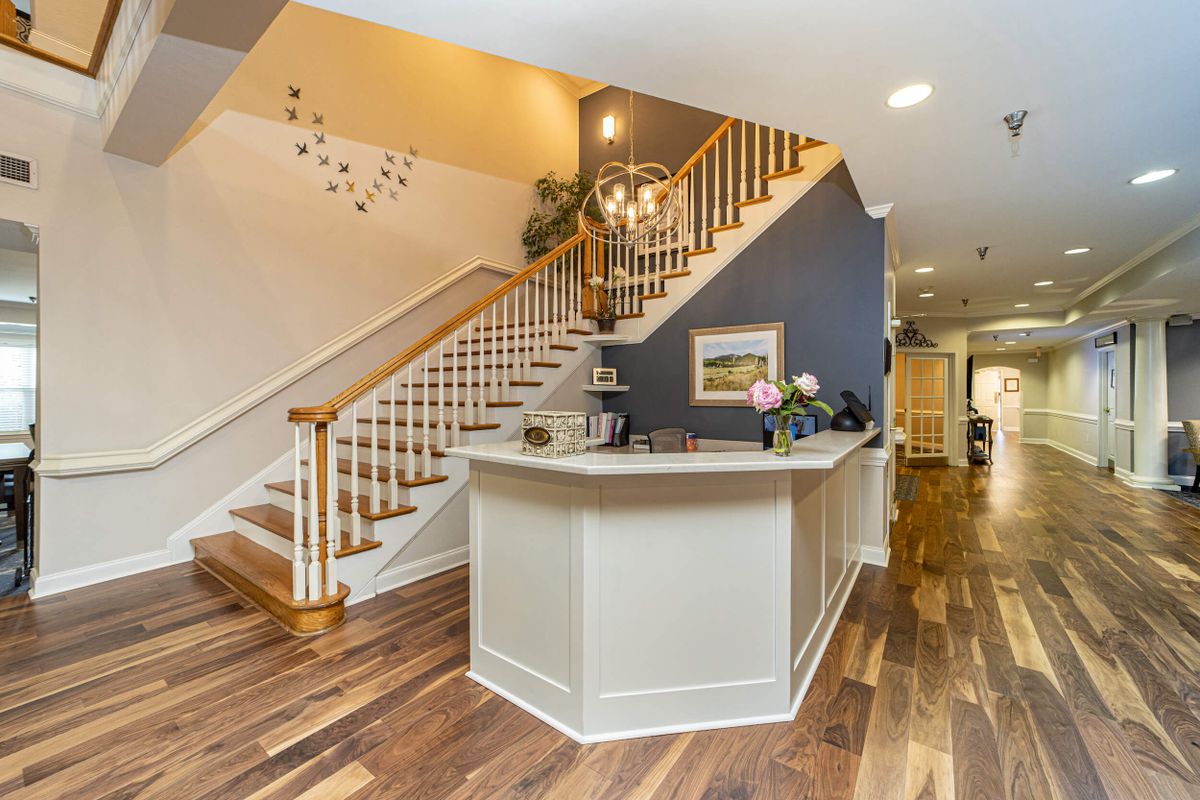
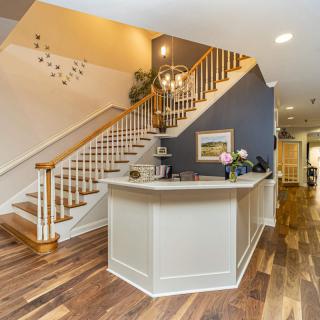
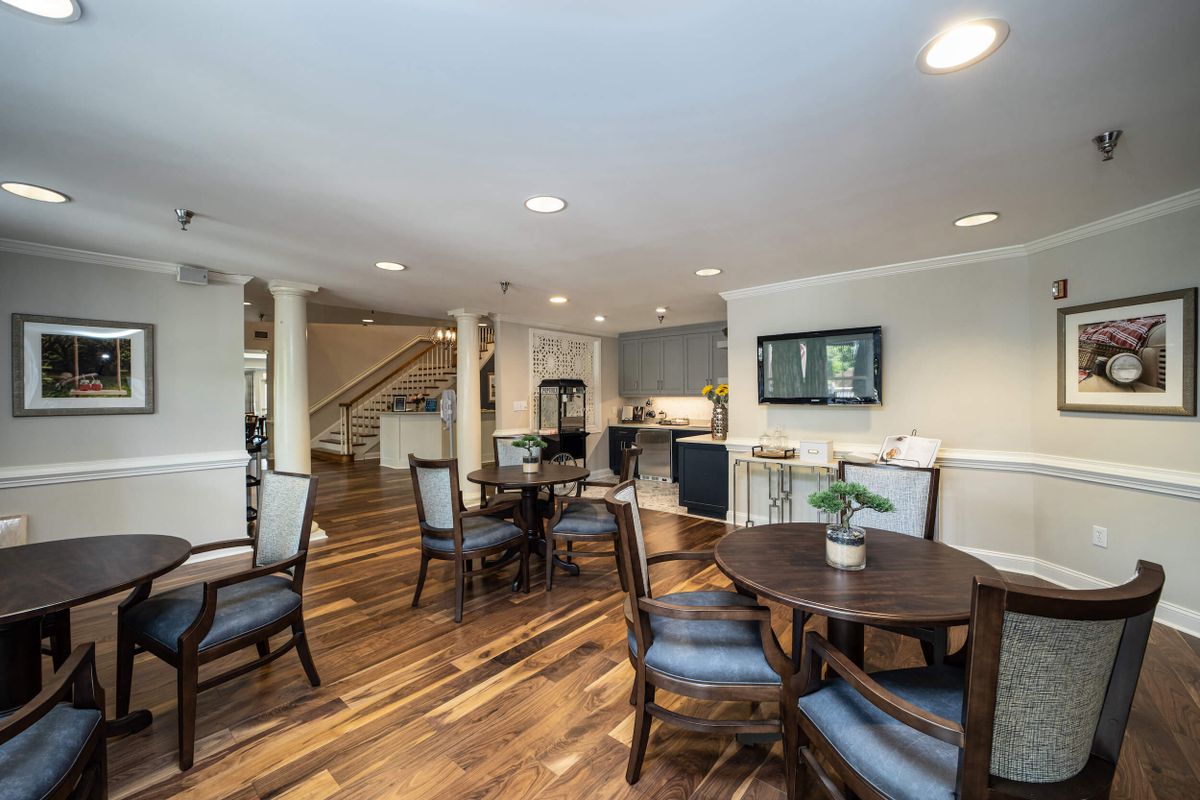
    A modern interior featuring a staircase and reception desk with hardwood flooring and stylish decor.
  • Living Room

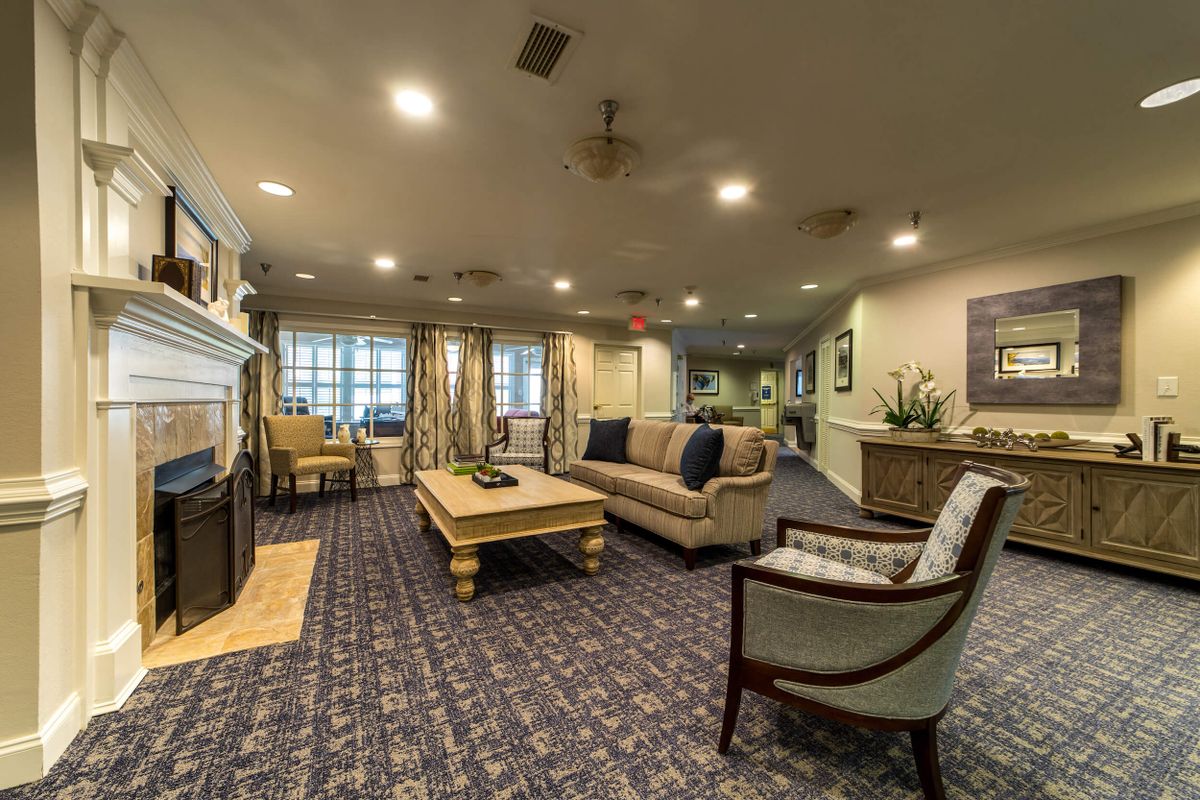
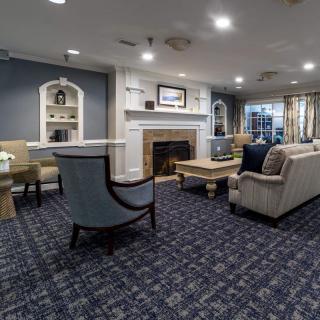
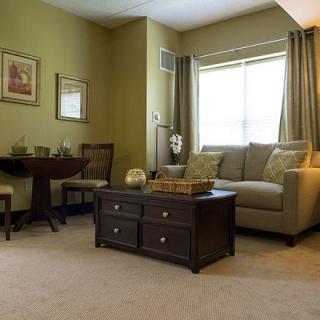
    A cozy living room with comfortable seating, a coffee table, and elegant decor.
  • Building

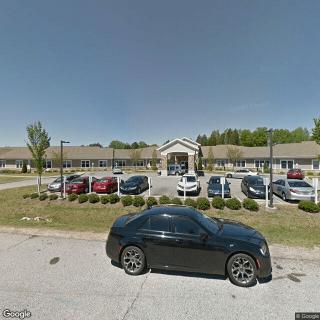
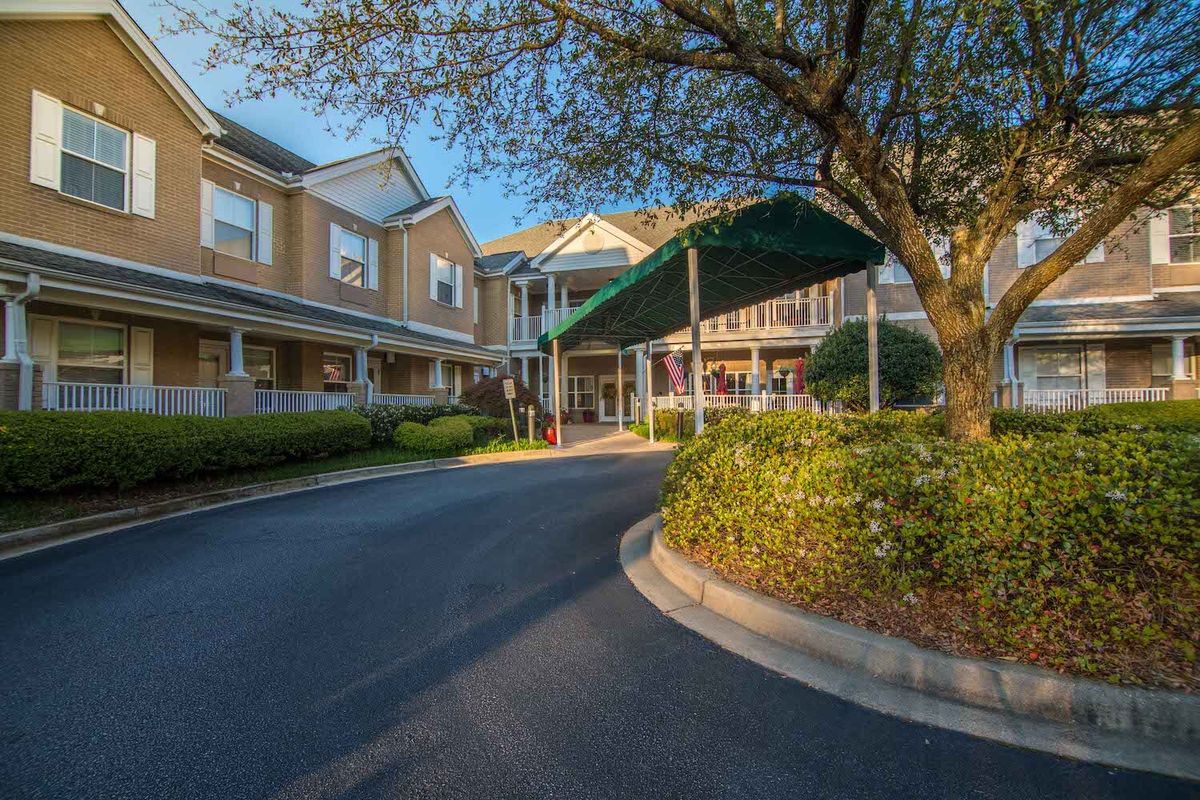
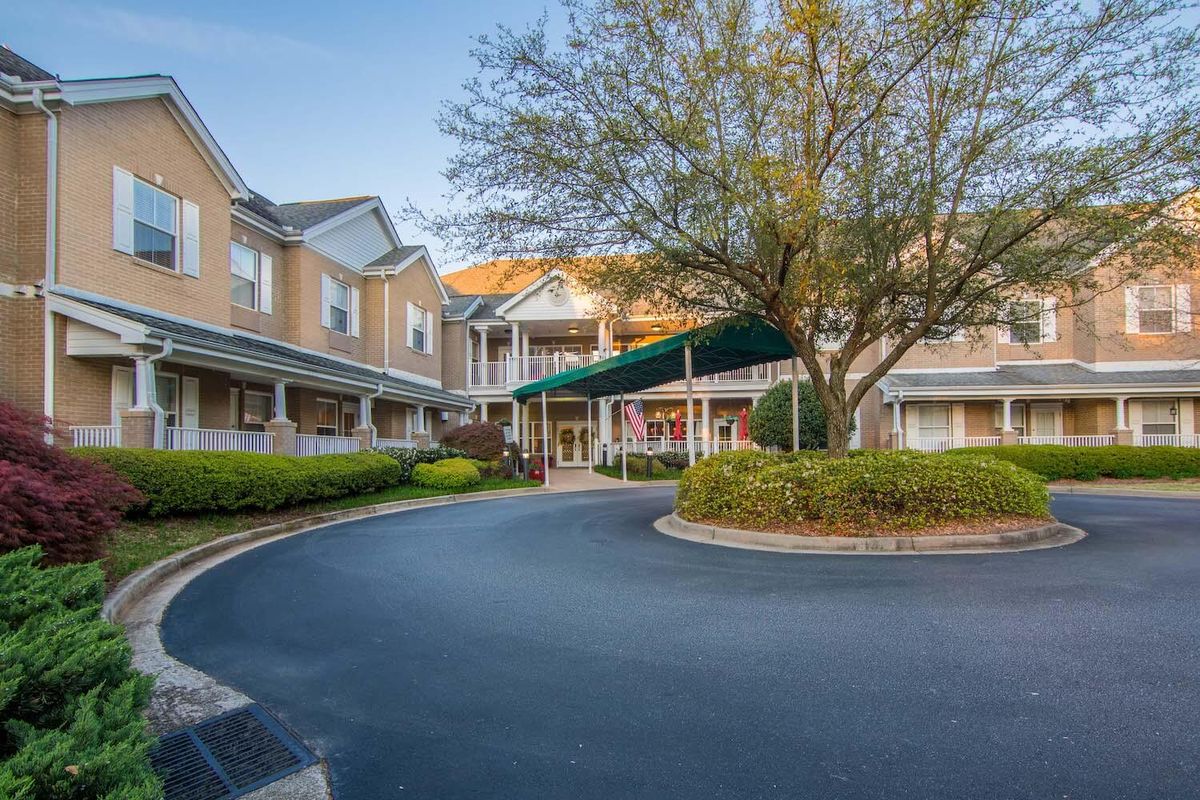
    A residential building with a circular driveway and surrounding trees.
  • Architecture

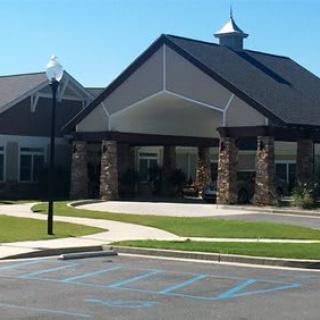
    A residential building with a landscaped entrance and driveway.
  • Trees

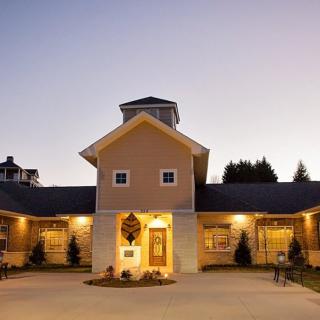
    A residential building with a covered entrance and landscaped driveway.
  • Windows

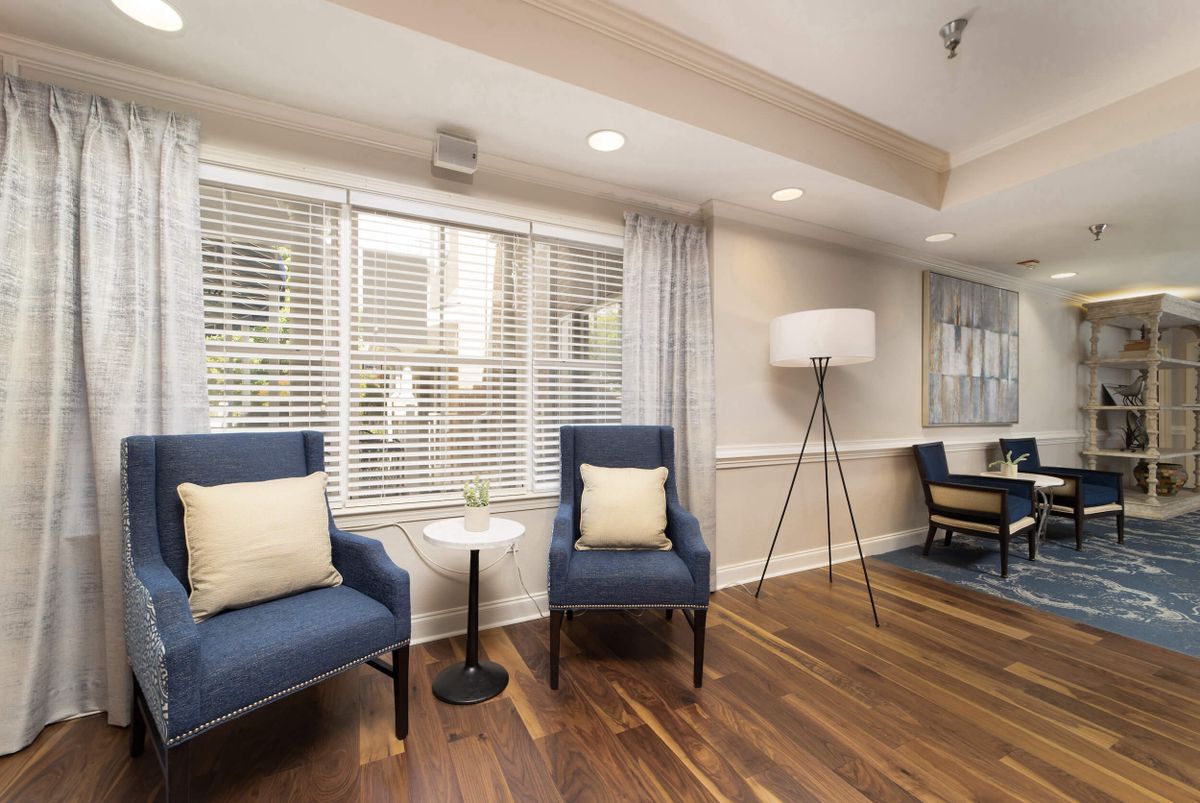
    A cozy living room with blue chairs and a floor lamp on hardwood flooring.
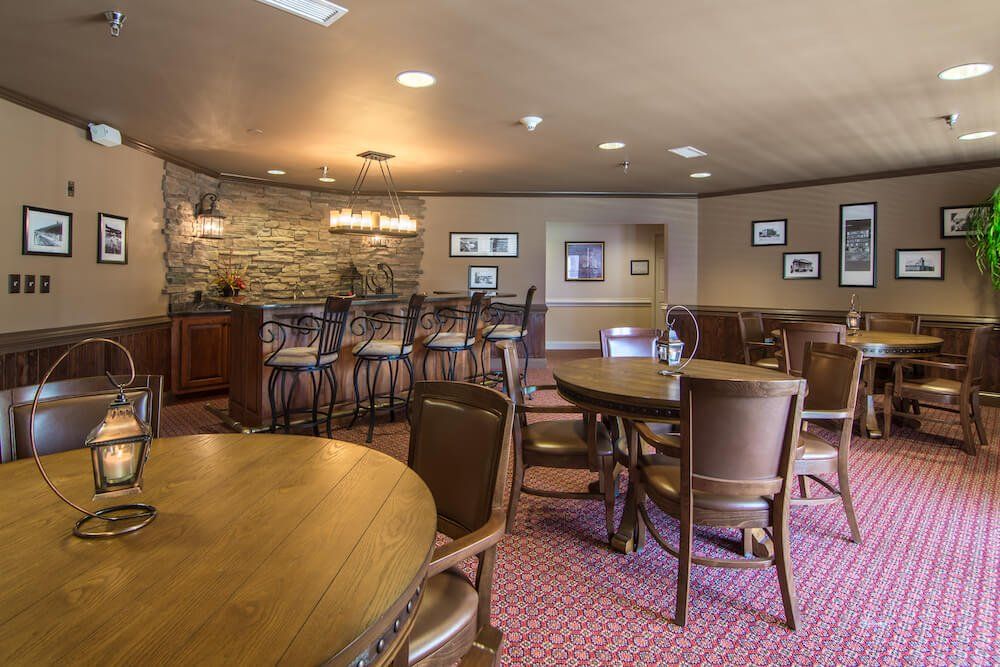
  • Dining

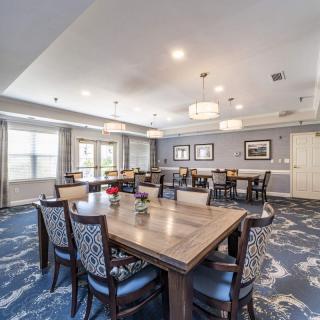
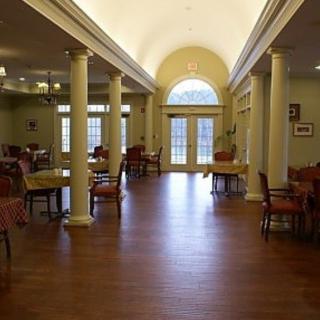
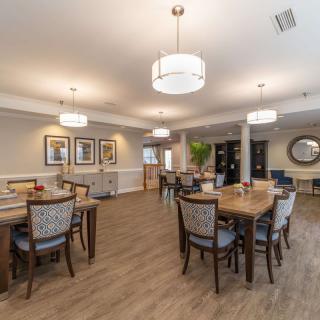
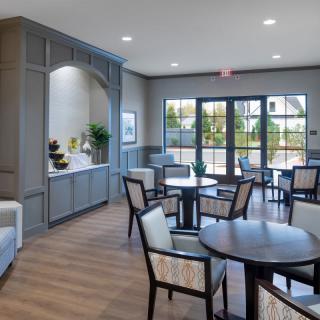
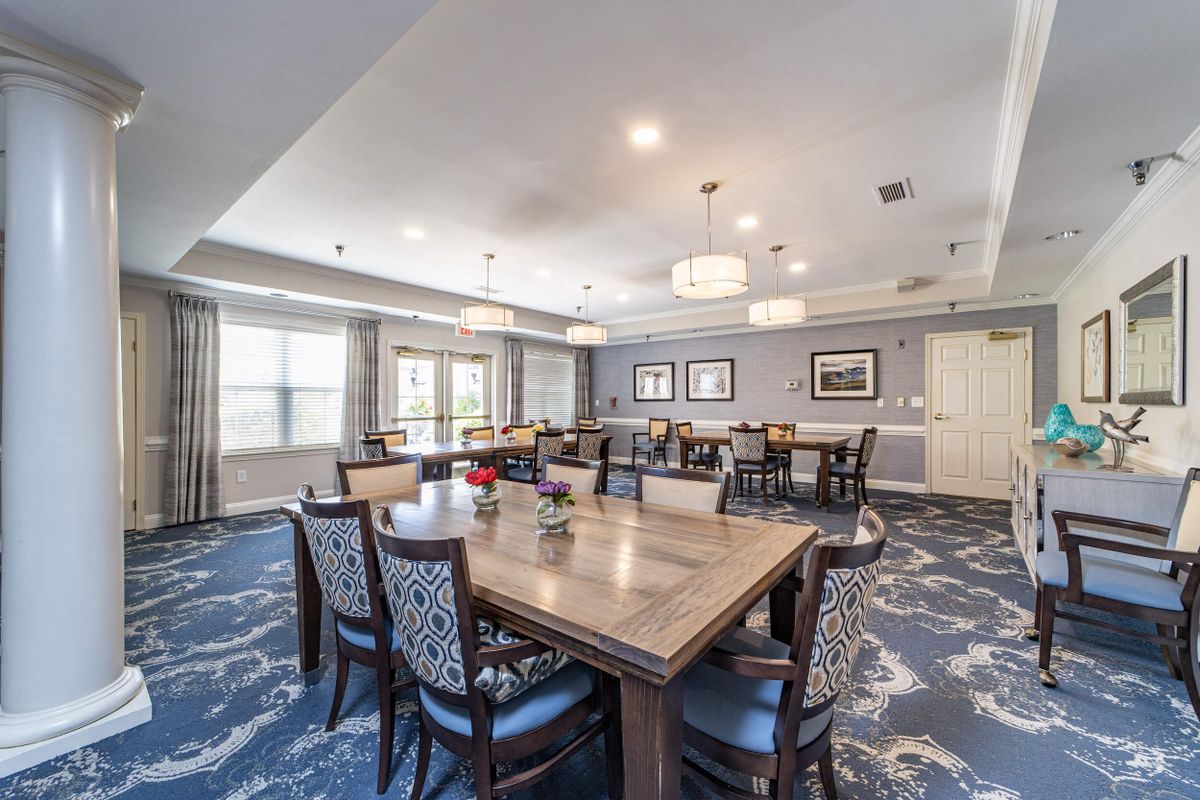
    A modern dining room with elegant furnishings and ambient lighting.
  • Landscaping

    The entrance sign to The Gardens, surrounded by vibrant flowers and lush greenery.
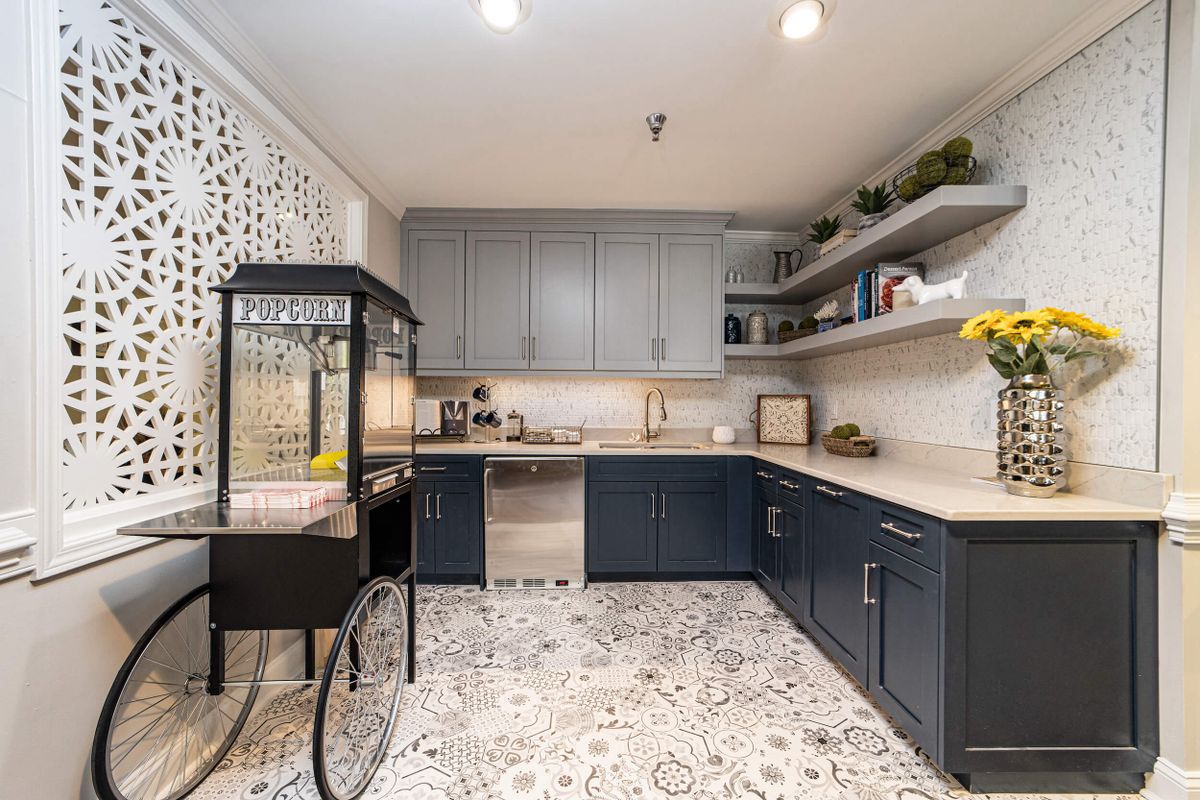
  • Kitchen

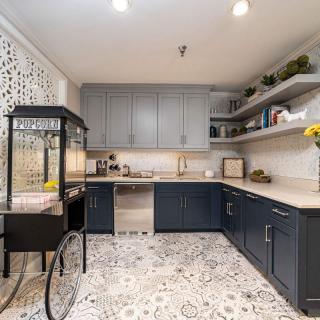
    A modern kitchen featuring blue cabinets, patterned flooring, and open shelves with decorative items.
  • Lighting

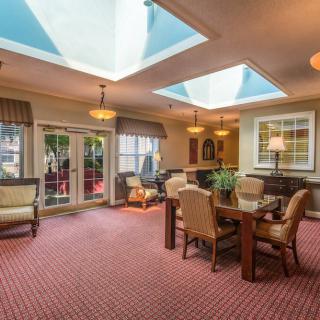
    A cozy living room featuring large skylights, elegant furniture, and soft lighting.
  • Artwork

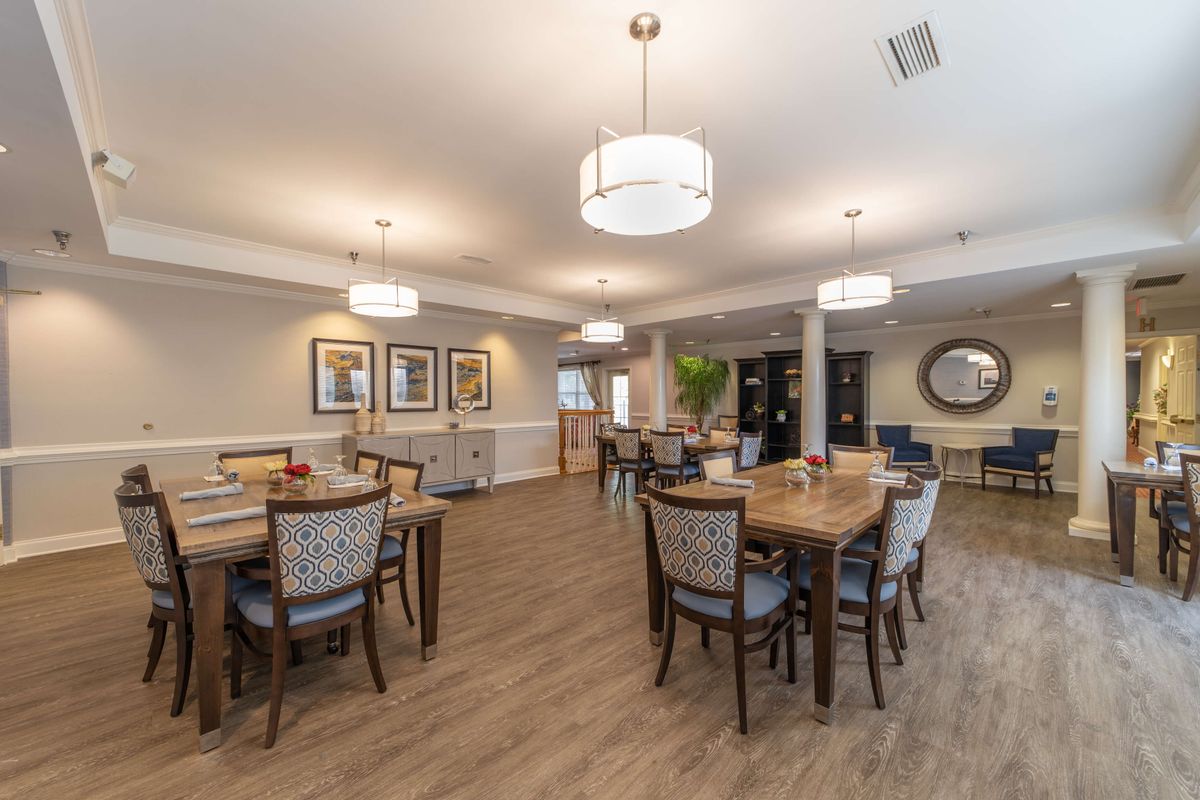
    A well-appointed dining room featuring an elegant table, upholstered chairs, two chandeliers, and artwork on the walls.
  • Fireplace

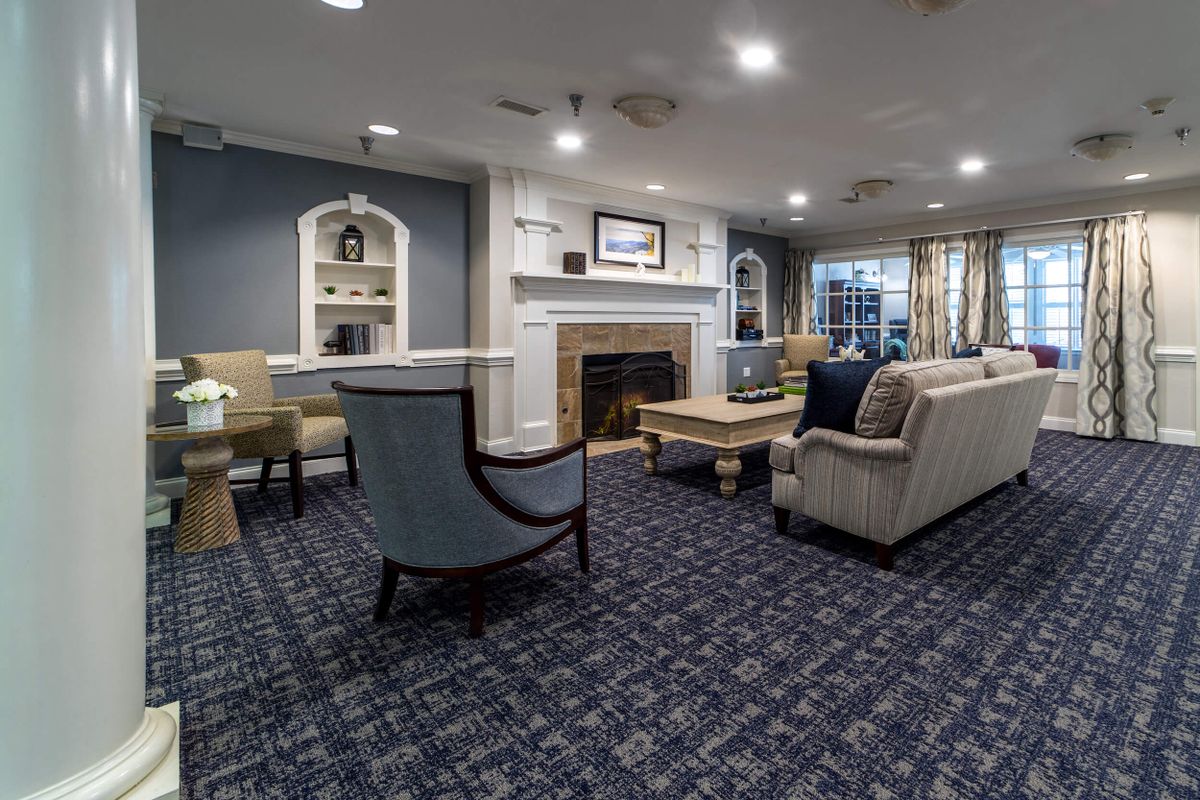
    A cozy living room with elegant furniture, featuring a fireplace and a carpeted floor.
  • Outdoor

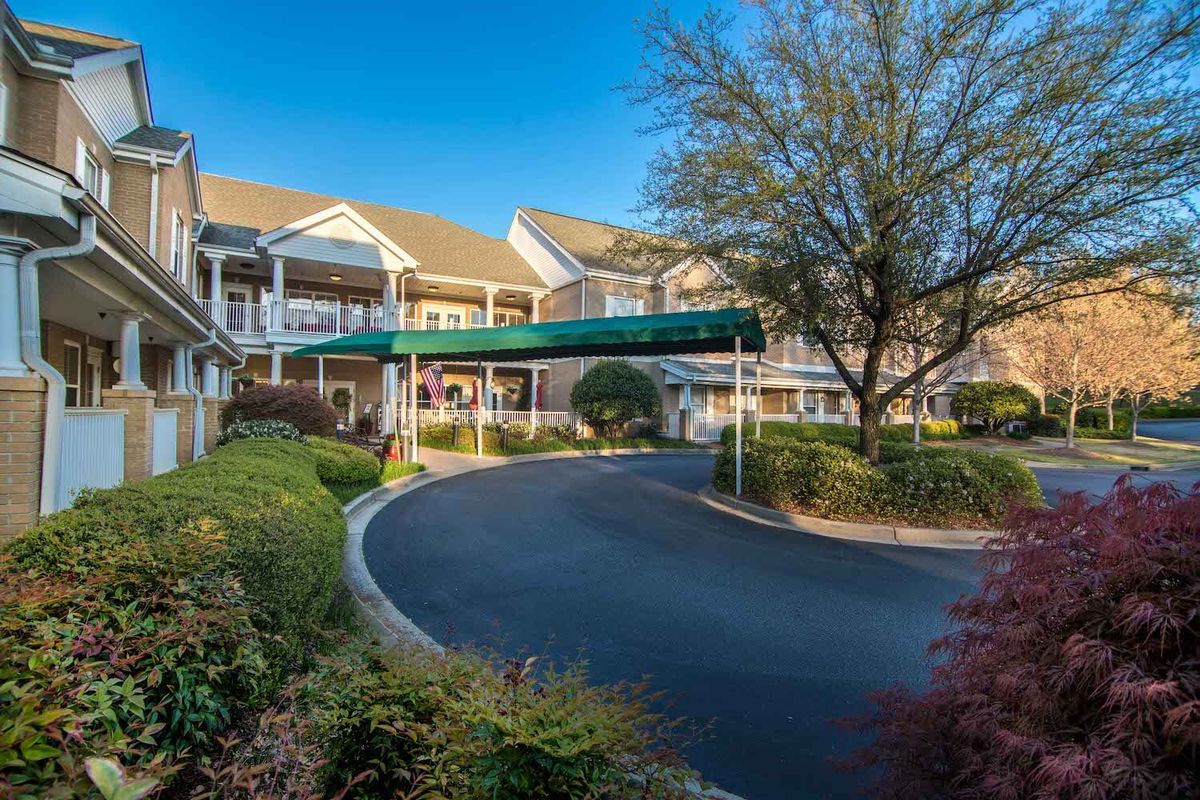
    A picturesque retirement home with a circular driveway surrounded by well-maintained gardens and large trees.

The Gardens At Eastside in Greenville, SC

Information last verified:

275 Commonwealth Drive, Greenville, SC 29615

For more information about senior living options: (844) 490-3973

4.7 from 85 reviews
5 stars
72
4 stars
6
3 stars
4
2 stars
1
1 stars
2

Seniors.FYI Elite Community Awards

Top 5% Senior Living Community in 2022

Add this award to your website

The Gardens At Eastside Costs & Pricing

The Gardens At Eastside offers a range of living accommodations that are competitively priced within the local and state context. For a semi-private room, residents can expect a monthly fee of $2,950, which is notably lower than both Greenville County's average of $3,157 and South Carolina's overall average of $3,243. However, the costs for the studio and one-bedroom apartments stand out as being higher than both county and state averages; studios are priced at $4,729 versus Greenville County's $3,952 and South Carolina's $3,649, while one-bedroom units are available for $5,308 compared to the county's $3,882 and state's $3,806. The two-bedroom apartments also reflect this trend with a price point of $5,680 against averages of $4,132 in Greenville County and $4,337 statewide. Overall, The Gardens At Eastside presents an appealing option for those seeking semi-private accommodations while offering premium pricing for larger living spaces.

Floor plansThe Gardens At EastsideGreenville CountySouth Carolina
Semi-Private$2,950$3,157$3,243
Studio$4,729$3,952$3,649
1 Bedroom$5,308$3,882$3,806
2 Bedrooms$5,680$4,132$4,337

Overall Review of The Gardens At Eastside

Pros

  • pro The staff are welcoming, attentive, and genuinely care for residents’ needs.
  • pro Residents feel like family and the facility feels like home.
  • pro The Gardens at Eastside is top-notch: clean, well-kept, and comfortable.
  • pro The care is exceptional, compassionate, and professional, and families feel fortunate.
  • pro The community offers abundant activities and social engagement, helping residents stay active.
  • pro Leadership is accommodating, collaborative, and responsive to individual needs.
  • pro Tours are informative and staff are knowledgeable and helpful.
  • pro Families report peace of mind and relief after moving their loved ones there.
  • pro The dementia care training is thorough, with staff trained in Teepa Snow methods.
  • pro The Gardens is a warm, safe, welcoming home where staff know residents by name.

Cons

  • pro The front desk staff are not friendly, and the memory care unit manager is horrible.
  • pro The facility is shady and doesn’t seem to care unless you have money.
  • pro The memory care sections were HORRIBLE, with residents appearing like they were in prison behind a locked door.
  • pro There were dirty gloves in the resident’s clean clothes and dishes filled with leftover food.
  • pro There were conflicting stories between the memory care manager and residents/visitors, and communication stopped after complaints.
  • pro The Gardens at Eastside was expensive and out of most families’ price range.
  • pro The day shift care was described as a joke and the management as a joke; the reviewer would not recommend the place to anyone.

Review

The Gardens at Eastside in Greenville is best suited for families seeking a memory-care–forward assisted living experience that feels like home. This community excels when a loved one has dementia or Alzheimer’s and requires compassionate, hands-on supervision delivered by a team that truly knows the residents. The campus cultivates warmth from the moment of entry, with staff who are welcoming, attentive, and confident in dementia-specific techniques. The memory care environment is structured to reduce anxiety and maximize daily engagement, and the staff’s deep familiarity with each resident’s routines translates into consistent, individualized care. The emphasis on Teepa Snow–informed training and a cohesive leadership group helps ensure that caregivers across shifts stay aligned, which translates into smoother transitions, fewer gaps, and a steadier sense of security for families.

That said, families should consider alternatives if cost is a primary constraint or if the care needs extend beyond what assisted living and memory care within this community can provide. Several reviews flag price as a major consideration, noting that this is a premium offering relative to other regional options. For families evaluating long-term plans, it’s wise to compare total costs, potential long-term care coverage, and whether a facility with broader skilled-nursing capabilities or a larger continuum of services might be required down the line. For loved ones who do not yet need memory-focused care or who prefer a less specialized environment, other communities may offer lower price points or different cultural emphases that align more closely with budget or early-stage needs.

The Gardens’ strongest advantages drive outcomes that families consistently celebrate. The staff is repeatedly described as compassionate, knowledgeable, and genuinely engaged with residents, countless comments highlight how team members know residents by name, tailor activities, and respond quickly to needs. The campus itself earns consistent praise for cleanliness, a homey atmosphere, and well-maintained spaces. Residents benefit from robust programming, multiple activities every day, field trips, social gatherings, and religious services, plus an engaged activities team that keeps momentum with exercise, games, and entertainment. Mealtime experiences are frequently cited as a bright spot, with dining teams prioritizing nutrition and enjoyment, which makes a tangible difference in daily quality of life. The combination of continuity in leadership and staff longevity further reinforces trust, a critical factor when a family cannot be near every day.

Still, not every experience at The Gardens aligns perfectly with every family’s hopes. A few reviews point to negative interpersonal dynamics at the front desk or with management, describing procedures or communication gaps that leave some families feeling out of the loop. There are isolated reports alleging less-than-ideal handling of personal belongings or specific service missteps, and a recurring cost concern that underscores the otherwise excellent care. There are also occasional notes about room size and the absence of certain high-end amenities, such as expansive campuses with swimming pools or gym facilities, that some families in search of a “luxury” feel might expect. Taken together, these outliers remind that even superb care communities are not immune to uneven experiences and financial considerations.

When the positives are weighed against the drawbacks, the offset is substantial. The depth of dementia-focused care, the trust-building with families, and the sustained staff engagement create a caregiving climate that reduces worry for loved ones and supports residents’ emotional and social well-being. The Gardens’ capacity to personalize daily life, through attentive aides, long-tenured leaders, and a dense slate of meaningful activities, often outweighs the premium price in terms of overall peace of mind and measurable quality of life improvements. Families also gain reassurance from robust family communication tools, on-site chaplaincy options, and the community-wide commitment to treating residents with dignity, kindness, and respect. In short, the value proposition hinges on exceptional caregiving, a warm, home-like feel, and a proven ability to keep memory-impaired residents vibrant and connected.

For families navigating a decision, this community emerges as a strong match for those prioritizing dementia-capable care within a welcoming, cohesive culture. The Gardens at Eastside shines for residents who thrive on daily structure, social interaction, and personalized attention, all delivered by a staff collective that many families describe as one-of-a-kind. If the goal is to secure a warm, attentive home where caregivers know each resident intimately and sustain a lively calendar of activities, this is hard to beat in the Greenville area. However, if budget constraints dominate or if a broader continuum of skilled-nursing services is non-negotiable, or if a less memory-centric environment is preferred, then it is prudent to broaden the search and compare options carefully. The right choice hinges on aligning the loved one’s current needs with the community’s strengths and the family’s financial realities.

Features

Housing

  • 83 resident community capacity 83 resident community capacity

Types of Care

  • Assisted Living Assisted LivingAssisted living facilities provide crucial support and care for seniors who may need help with daily tasks such as medication management, bathing, and meal preparation. These communities offer a safe and comfortable environment where seniors can maintain their independence while receiving the assistance they need to thrive in their golden years.
  • Memory Care Memory CareMemory care is crucial for seniors as it provides specialized support and services for individuals with dementia or Alzheimer's disease. These programs offer a safe and secure environment where residents receive personalized care, cognitive stimulation, and help with daily activities. Memory care helps seniors maintain their independence, quality of life, and dignity while also providing peace of mind for their families.

Amenities

  • Activities off-site Activities off-siteEngaging in off-site activities is crucial for seniors to maintain social connections, stay active, and stimulate their minds. It promotes overall well-being and helps combat feelings of isolation and loneliness.
  • Activities on-site Activities on-siteActivities on-site are important for seniors because they provide opportunities for socialization, mental stimulation, physical activity, and overall well-being. Engaging in activities can help seniors stay active, maintain their independence, and improve their quality of life.
  • Air-conditioning Air-conditioningAir conditioning is important for seniors as they are more vulnerable to heat-related illnesses and may have underlying health conditions that make it difficult for them to regulate their body temperature. It helps to keep them comfortable, safe, and healthy in hot weather.
  • Beauty salon Beauty salonBeauty salons are important for seniors because they provide a space for them to feel pampered, socialize, and maintain their personal grooming and hygiene. Regular visits to a beauty salon can help boost seniors' self-esteem and overall well-being.
  • Cable or satellite TV Cable or satellite TVCable or satellite TV is important for seniors because it provides entertainment, news, and companionship, helping to combat loneliness and boredom. It also offers a wide range of programming options tailored to different interests and preferences.
  • Computer center Computer centerA computer center is essential for seniors as it provides access to technology, communication tools, and resources that can enhance their daily lives. It allows them to stay connected with loved ones, engage in online activities, and learn new skills, ultimately promoting socialization and mental stimulation.
  • Devotional services off-site Devotional services off-siteDevotional services off-site are important for seniors as they provide spiritual nourishment, social engagement, and a sense of community outside of the senior living facility. This can enhance overall well-being and help combat feelings of isolation and loneliness often experienced by older adults.
  • Devotional services on-site Devotional services on-siteDevotional services on-site provide seniors with spiritual support and a sense of community, as well as an opportunity for reflection and guidance during their senior living experience. This can promote emotional well-being and connection to others, leading to a more fulfilling and enriching lifestyle in their later years.
  • Dining room Dining roomDining rooms are important for seniors as they provide a space for socialization, connection, and nutritious meals. They offer opportunities for residents to bond over shared meals, foster a sense of community, and promote healthy eating habits. Dining rooms also ensure that seniors have access to well-balanced meals tailored to their dietary needs and preferences.
  • Fitness room Fitness roomHaving a fitness room in a senior living community is essential for seniors to stay active, maintain their physical health, and improve their overall well-being. Regular exercise can help prevent falls, reduce the risk of chronic diseases, and promote mental sharpness. It also provides social opportunities for residents to connect with others and enjoy a sense of community.
  • Fully furnished Fully furnishedFully furnished senior living communities are important for seniors because they provide convenience, comfort, and a hassle-free moving experience. Seniors can easily settle into their new living space without the stress of having to buy and move furniture. This allows them to focus on enjoying their new home and community.
  • Gaming room Gaming roomGaming rooms are important for seniors as they provide a fun and engaging environment for socializing, cognitive stimulation, and physical activity. Games can improve memory, problem-solving skills, and overall mental well-being while fostering friendships and reducing feelings of isolation.
  • Garden GardenGardens are important for seniors as they provide a peaceful and therapeutic environment for relaxation, physical activity, and socialization. Being in nature has been shown to reduce stress, improve mood, and promote overall well-being. Gardens also offer opportunities for seniors to engage in gardening activities, which can improve mobility, flexibility, and cognitive function. Additionally, gardens create a sense of community and connection with others who share a passion for plants and outdoor spaces.
  • Housekeeping services Housekeeping servicesHousekeeping services are important for seniors because they help maintain a clean and safe living environment, promote independence, and reduce the risk of accidents or illnesses. Additionally, having assistance with household chores can alleviate physical strain and allow seniors to focus on other aspects of their well-being.
  • Indoor common areas Indoor common areasIndoor common areas are crucial for seniors as they provide a space for socialization, recreation, and community engagement, promoting overall well-being and reducing feelings of isolation and loneliness.
  • Kitchenette KitchenetteKitchenettes are important for seniors living in senior living communities because they provide the convenience and independence of being able to prepare simple meals and snacks in the comfort of their own living space. This can help promote a sense of autonomy and well-being for seniors, allowing them to maintain some level of control over their dietary choices and daily routines.
  • Move-in coordination Move-in coordinationMove-in coordination is important for seniors because it helps ease the transition into their new living environment. It ensures that all logistics, such as packing, organizing movers, and setting up utilities are taken care of, allowing seniors to focus on settling in and adjusting to their new home. Having a smooth move-in process can alleviate stress and anxiety, making the transition smoother and more enjoyable for seniors.
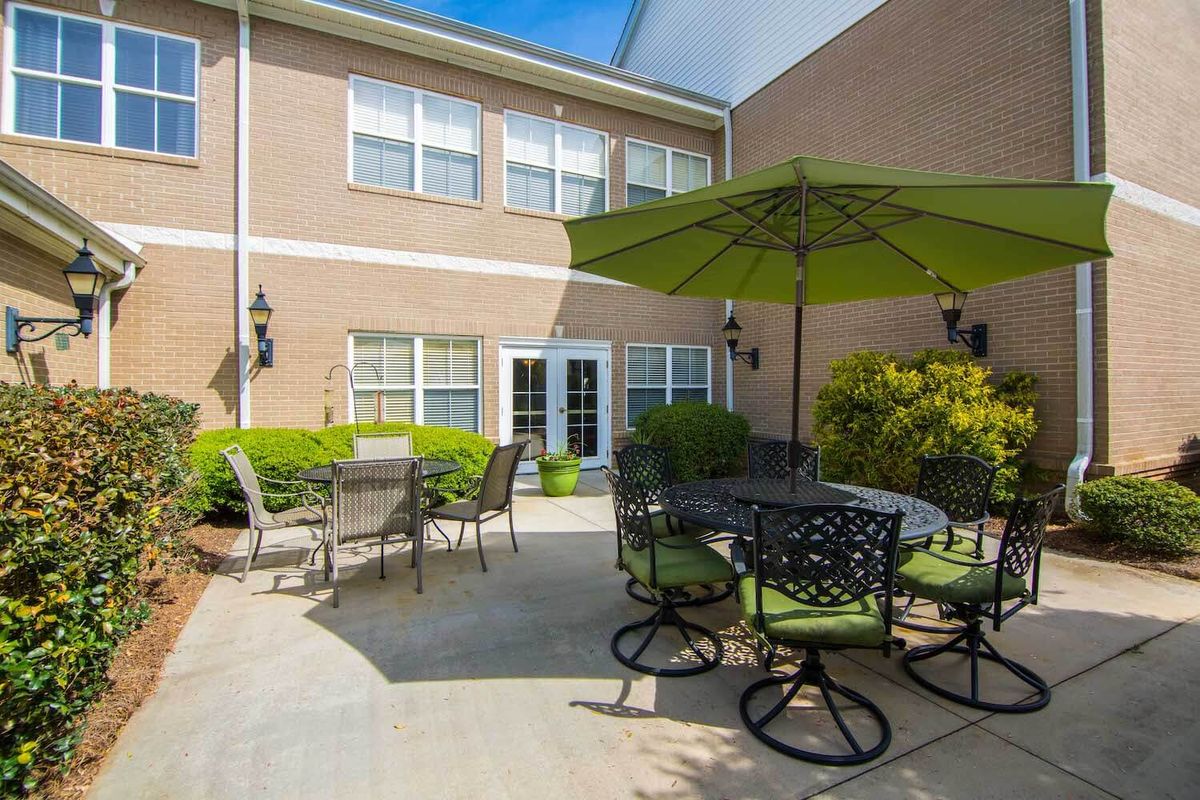
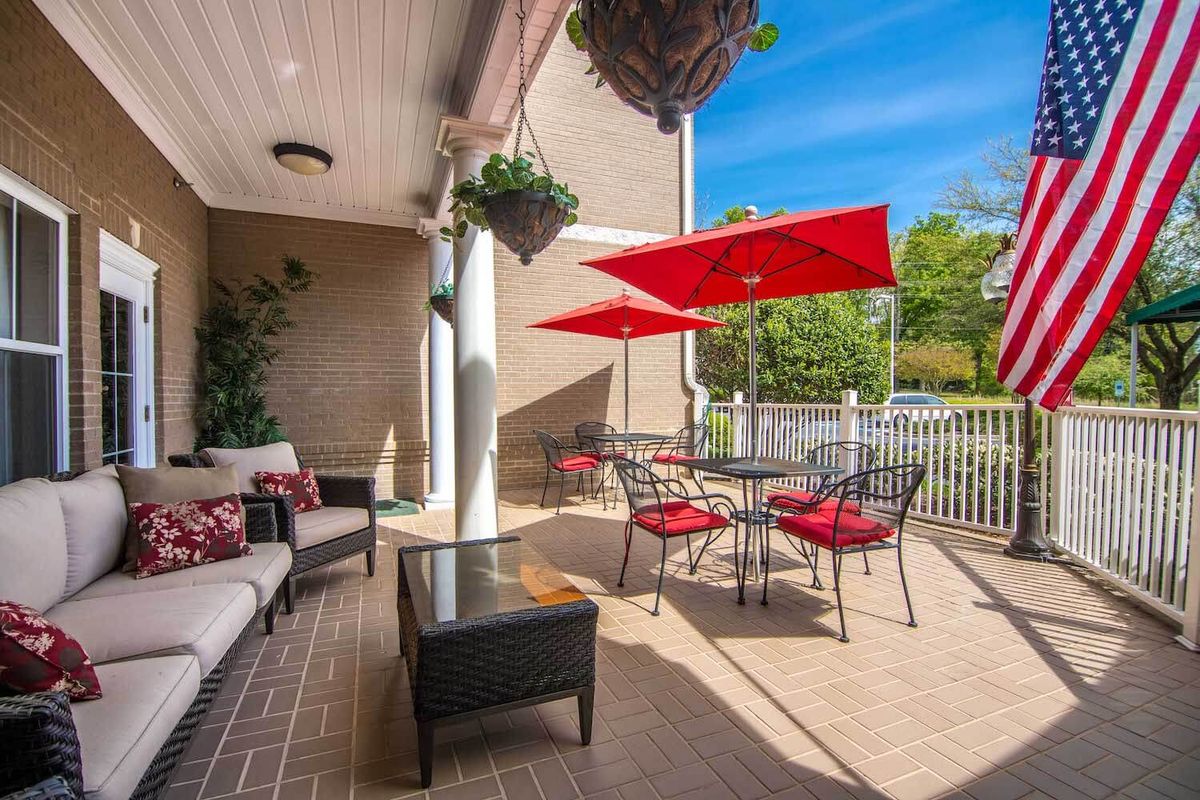
  • Outdoor common areas Outdoor common areasOutdoor common areas are important for seniors as they provide a space for socialization, physical activity, and relaxation. Being outside in nature can improve mood and overall well-being, while also encouraging movement and engagement with others. These spaces can help combat feelings of isolation and promote a sense of community among residents.
  • Outdoor space Outdoor spaceOutdoor spaces are important for seniors as they provide opportunities for physical activity, social interaction, exposure to natural light and fresh air, and a sense of connection to nature. Having access to outdoor spaces can improve overall well-being and quality of life for older adults living in senior communities.
  • Private bathrooms Private bathroomsPrivate bathrooms are important for seniors in senior living communities because they provide independence, dignity, and comfort. Having a private bathroom allows seniors to maintain their personal hygiene routines without the need for assistance, promoting a sense of autonomy and privacy. Additionally, private bathrooms help prevent the spread of infections and provide a safe and clean environment for seniors to navigate safely.
  • Respite or short term stays offered Respite or short term stays offeredRespite or short term stays provide seniors with a temporary solution when their regular caregiver is unavailable, offering them the opportunity to receive additional care and support during times of need, while also giving caregivers a chance to rest and recharge.
  • Restaurant-style dining Restaurant-style diningRestaurant-style dining is important for seniors because it allows them to enjoy delicious, nutritious meals in a social and upscale setting. This enhances their dining experience, promotes healthy eating habits, and fosters socialization with fellow residents, ultimately contributing to their overall well-being and quality of life.
  • Small library Small librarySmall libraries are important for seniors as they provide access to a variety of reading materials, including books, newspapers, and magazines. This can help stimulate their minds, keep them engaged, and provide a sense of community through book clubs and other social activities. Additionally, reading has been shown to improve cognitive function and overall mental well-being in older adults.
  • Telephone TelephoneTelephones are important for seniors as they provide a lifeline for communication with loved ones, emergency services, and healthcare providers. They offer a sense of security and independence, enabling seniors to stay connected and access assistance when needed.
  • Wellness center Wellness centerWellness centers are important for seniors because they offer a variety of programs and services that promote physical, mental, and emotional well-being. These centers provide opportunities for exercise, socialization, education, and relaxation, helping seniors maintain their overall health and quality of life.
  • Wi-Fi/high-speed internet available Wi-Fi/high-speed internet availableWi-Fi/high-speed internet is important for seniors to stay connected with loved ones, access online resources, and participate in virtual activities to combat feelings of loneliness and isolation. It also allows them to easily manage healthcare needs, access entertainment, and engage in lifelong learning opportunities.

Transportation

  • Greenville-Spartanburg (6 miles away) Greenville-Spartanburg (6 miles away)
  • Community operated transportation Community operated transportationCommunity operated transportation is crucial for seniors as it provides them with the means to access essential services, social activities, and medical appointments. It allows seniors to maintain their independence and quality of life by ensuring they can participate in activities outside of their homes. Additionally, community-operated transportation services offer a safe and reliable way for seniors to travel without having to rely on family or friends for assistance.
  • Transportation arrangement Transportation arrangementTransportation arrangements are crucial for seniors as they may face challenges with driving, mobility, or access to public transportation. Having reliable transportation services ensures that seniors can easily attend appointments, social activities, and maintain their independence and quality of life.
  • Transportation arrangement (non-medical) Transportation arrangement (non-medical)Transportation arrangements are essential for seniors as they provide access to essential services, activities, and social interactions outside the home. This service helps maintain independence, mobility, and overall well-being for seniors who may have limited transportation options.
  • Transportation to doctors appointments Transportation to doctors appointmentsTransportation to doctors appointments is crucial for seniors as it ensures they have access to necessary medical care and support, promoting their health and well-being. It allows them to receive timely treatment, monitor existing conditions, and address any new health concerns efficiently. Additionally, transportation services can help seniors maintain their independence and quality of life by enabling them to stay connected with their healthcare providers.

Care Services

  • 12-16 hour nursing 12-16 hour nursing12-16 hour nursing care is crucial for seniors in order to ensure around-the-clock monitoring, timely medication administration, and prompt response to any health concerns or emergencies. This level of care helps to promote the overall well-being and safety of seniors living in senior living communities.
  • 24-hour call system 24-hour call system24-hour call systems are important for seniors because they provide peace of mind and immediate assistance in case of emergencies. This technology ensures that help is always available, promoting safety and security for elderly individuals living alone or in assisted living facilities.
  • 24-hour supervision 24-hour supervision24-hour supervision is important for seniors to ensure their safety, well-being, and access to immediate assistance in case of emergencies or health issues. This constant support provides peace of mind for both seniors and their loved ones, allowing them to age in place with dignity and security.
  • Activities of daily living assistance Activities of daily living assistanceActivities of daily living assistance are important for seniors because they provide essential support with tasks such as eating, bathing, dressing, and mobility. This assistance helps seniors maintain their independence, dignity, and overall quality of life as they age.
  • Ambulatory care Ambulatory care"Ambulatory care services provide essential medical support and treatment to seniors without requiring hospitalization, allowing them to maintain their independence and quality of life while managing chronic conditions or receiving routine medical care."
  • Assistance with bathing Assistance with bathingAssistance with bathing is crucial for seniors as it helps maintain personal hygiene, prevents infections, and ensures their overall well-being and comfort. It also provides a sense of dignity and independence for seniors who may struggle with this task on their own.
  • Assistance with dressing Assistance with dressingAssistance with dressing is important for seniors because it helps maintain their independence, promotes personal hygiene, prevents accidents and injuries, and improves overall quality of life. This service ensures that seniors can continue to dress comfortably and confidently, despite any physical limitations they may have.
  • Assistance with transfers Assistance with transfersAssistance with transfers is crucial for seniors as it helps prevent falls and injuries, maintains their independence, and ensures they can safely navigate their living environment. It also provides peace of mind for both seniors and their loved ones.
  • Coordination with health care providers Coordination with health care providersCoordination with health care providers is crucial for seniors to ensure proper medical care, medication management, and overall well-being. This collaboration helps prevent overlapping treatments, track progress more effectively, and provide comprehensive support tailored to individual needs.
  • Dementia waiver Dementia waiverDementia waivers are essential for seniors as they provide critical protections and accommodations for those experiencing cognitive decline. These waivers ensure individuals with dementia receive appropriate care, support, and resources to maintain their quality of life and dignity as they navigate the challenges of this progressive condition.
  • Diabetes diet Diabetes dietA diabetes diet is crucial for seniors as it helps manage blood sugar levels, reduce risks of complications, and improve overall health and well-being. By following a balanced and nutritious diet tailored to their specific needs, seniors can better control their diabetes and enhance their quality of life.
  • Diabetic care Diabetic careDiabetic care is crucial for seniors as they are more susceptible to developing diabetes due to aging and other health conditions. Proper management of diabetes can help prevent complications such as heart disease, vision loss, and nerve damage, improving the overall quality of life for seniors in senior living communities.
  • Hospice waiver Hospice waiverHospice waivers are important for seniors because they allow individuals to receive specialized end-of-life care and support at home or in a hospice facility. This waiver ensures that seniors can access the necessary resources and services to maintain comfort and dignity during their final days.
  • Incontinence care Incontinence careIncontinence care is essential for seniors to maintain their dignity, hygiene, and overall quality of life. By addressing incontinence issues promptly and effectively, seniors can enjoy a sense of independence and comfort in their daily activities.
  • Meal preparation and service Meal preparation and serviceMeal preparation and service are crucial for seniors as they may have limited mobility or energy to cook nutritious meals. Having access to healthy and convenient food options can ensure they are getting the proper nutrition needed to maintain their overall health and well-being.
  • Medication management Medication managementMedication management is crucial for seniors to ensure they are taking the right medications at the correct dosages and times. This helps prevent adverse drug interactions, reduces the risk of medication errors, and promotes overall health and well-being. Proactive management also allows for adjustments as needed based on changing health conditions or new prescriptions.
  • Mental wellness program Mental wellness programMental wellness programs are essential for seniors as they promote cognitive stimulation, emotional support, and social engagement. These programs help prevent isolation, depression, and cognitive decline, ultimately enhancing the overall quality of life for older adults.
  • Mild cognitive impairment Mild cognitive impairment"Mild cognitive impairment" is important for seniors because it is an early stage of cognitive decline that can potentially progress to more severe conditions such as dementia. Recognizing and addressing mild cognitive impairment can help seniors receive appropriate care and support to maintain their quality of life and independence for as long as possible.
  • Special dietary restrictions Special dietary restrictionsSpecial dietary restrictions are important for seniors because age-related changes in metabolism and health conditions can make it difficult for their bodies to process certain foods. By following a diet tailored to their specific needs, seniors can maintain their overall health and well-being, manage chronic conditions, and reduce the risk of complications such as malnutrition or food interactions with medications.
  • Specialized memory care programming Specialized memory care programmingSpecialized memory care programming is crucial for seniors with cognitive impairments such as dementia or Alzheimer's disease. These programs provide a safe and supportive environment tailored to the unique needs of individuals with memory loss, helping them maintain their independence, dignity, and quality of life.
  • Transportation arrangement (medical) Transportation arrangement (medical)Transportation arrangements for medical purposes are essential for seniors as they may have difficulty driving themselves to appointments or accessing public transportation. Having reliable and safe transportation options ensures that seniors can receive timely medical care and maintain their health and well-being.
  • Transportation to doctors appointments Transportation to doctors appointmentsTransportation to doctors appointments is crucial for seniors as it ensures they have access to necessary medical care and support, promoting their health and well-being. It allows them to receive timely treatment, monitor existing conditions, and address any new health concerns efficiently. Additionally, transportation services can help seniors maintain their independence and quality of life by enabling them to stay connected with their healthcare providers.

Dining

  • Diabetes diet Diabetes dietA diabetes diet is crucial for seniors as it helps manage blood sugar levels, reduce risks of complications, and improve overall health and well-being. By following a balanced and nutritious diet tailored to their specific needs, seniors can better control their diabetes and enhance their quality of life.
  • Meals provided Meals provided"Meals provided" are crucial for seniors in assisted living communities as it ensures they have access to nutritious, balanced meals without the stress of meal planning and preparation. This can help promote overall health and well-being for seniors who may have limited mobility or cognitive abilities.
  • Special dietary restrictions Special dietary restrictionsSpecial dietary restrictions are important for seniors because age-related changes in metabolism and health conditions can make it difficult for their bodies to process certain foods. By following a diet tailored to their specific needs, seniors can maintain their overall health and well-being, manage chronic conditions, and reduce the risk of complications such as malnutrition or food interactions with medications.

Activities

  • Activities off-site Activities off-siteEngaging in off-site activities is crucial for seniors to maintain social connections, stay active, and stimulate their minds. It promotes overall well-being and helps combat feelings of isolation and loneliness.
  • Activities on-site Activities on-siteActivities on-site are important for seniors because they provide opportunities for socialization, mental stimulation, physical activity, and overall well-being. Engaging in activities can help seniors stay active, maintain their independence, and improve their quality of life.
  • Community-sponsored activities Community-sponsored activitiesCommunity-sponsored activities are important for seniors as they provide opportunities for social interaction, mental stimulation, and physical activity. These activities can help improve overall well-being, combat loneliness and isolation, and promote a sense of belonging and purpose among older adults.
  • Concierge services Concierge servicesConcierge services are essential for seniors as they provide assistance with daily tasks and errands, enhance their quality of life by offering convenience and personalized care, and promote a sense of safety and security.
  • Devotional activities offsite Devotional activities offsiteDevotional activities offsite are important for seniors because they provide social engagement, spiritual growth, and a sense of community outside of their living environment. This can improve overall well-being, mental health, and combat feelings of isolation or loneliness.
  • Devotional activities on-site Devotional activities on-siteDevotional activities on-site provide seniors with a sense of community, spiritual fulfillment, and emotional support, promoting overall well-being and a positive sense of purpose in their lives.
  • Fitness programs Fitness programsFitness programs are crucial for seniors as they help improve strength, flexibility, balance, and overall well-being. Staying active can reduce the risk of chronic diseases, improve mental health, and enhance quality of life in older adults.
  • Planned day trips Planned day tripsPlanned day trips are important for seniors because they offer opportunities for socialization, mental stimulation, and physical activity. They provide a change of scenery and help seniors stay engaged and connected to their community, promoting overall well-being and quality of life.
  • Resident-run activities Resident-run activitiesResident-run activities are important for seniors as they encourage social interaction, creativity, and a sense of autonomy. These activities empower seniors to stay engaged and active in their community while fostering meaningful connections with their peers.
  • Scheduled daily activities Scheduled daily activitiesScheduled daily activities are important for seniors because they provide structure, socialization, mental stimulation, and physical activity. Engaging in regular activities can improve overall well-being and quality of life for seniors living in a community setting.

Description

The Gardens At Eastside in Greenville, SC is a vibrant and welcoming assisted living community that specializes in providing outstanding memory care services. Our beautifully designed facility offers a wide range of amenities to ensure the comfort and satisfaction of our residents.

Our community boasts various on-site activities to keep residents engaged and entertained, including gaming rooms, fitness facilities, and a small library. Additionally, we provide devotion services for those seeking spiritual fulfillment. The dining room offers restaurant-style meals prepared by our skilled staff and can accommodate special dietary restrictions.

We understand the importance of maintaining an active lifestyle, which is why we offer community-operated transportation for shopping trips or outings to nearby cafes, parks, theaters, and places of worship. Our Wellness Center ensures that residents have access to medical attention when needed.

At The Gardens At Eastside, we prioritize the wellbeing of our residents by providing comprehensive care services. Our dedicated staff is available 24/7 with a call system and supervision for peace of mind. We assist with daily activities such as bathing, dressing, transfers, and medication management. Those requiring specialized memory care programming benefit from our dementia waiver and mild cognitive impairment support.

For individuals with diabetes or unique dietary needs, we offer diabetic care and specialized meal preparation. Incontinence care is also provided for those who require it. To ensure coordination with healthcare providers outside the community, we arrange transportation to doctors' appointments.

Our commitment to exceptional care extends beyond physical well-being; mental wellness programs are available to promote cognitive health among our residents. We also offer respite or short-term stays for those who need temporary assistance or relief for their loved ones.

Choose The Gardens At Eastside for a comfortable assisted living experience where you can enjoy independence while receiving the personalized attention you deserve. Join us today in Greenville's thriving community surrounded by numerous pharmacies, physicians' offices, restaurants, hospitals, cafes, parks – all conveniently located nearby!

Videos

Nearby Places of Interest

This area of Greenville, South Carolina is a convenient and accessible location with a variety of healthcare options nearby such as pediatric care, rheumatology, and pharmacies. The presence of Patewood Medical Campus and Patewood Memorial Hospital ensures quick access to medical services if needed. In terms of dining options, there are several restaurants offering a range of cuisines within a short distance. Additionally, for recreational activities, there is a movie theater nearby as well as parks for leisurely walks or picnics. There are also cafes for socializing and enjoying a cup of coffee. Lastly, Brushy Creek Baptist Church provides spiritual support for those interested in attending religious services. Overall, this area offers a mix of amenities that could be appealing for seniors looking to settle in Greenville.

Physicians

  • Express Pediatric Care (0.1 miles)
  • Rheumatology Speciality - Ana G Funariu MD (0.1 miles)
  • Oriental Medicine Associates (0.2 miles)
  • Carolina Ent PA (0.2 miles)
  • Smith Center (0.2 miles)
  • Pediatric Pulmonary (0.2 miles)
  • Ansari, Mohammad Dr - Patewood Outpatient Surgery Center (0.3 miles)

Pharmacies

  • Walgreens (0.1 miles)
  • CVS Pharmacy (1.7 miles)
  • CVS Pharmacy (2.2 miles)
  • Walgreens (2.3 miles)
  • CVS Pharmacy (2.4 miles)
  • Walgreens (2.5 miles)
  • Medscripts Medical Pharmacy (2.7 miles)

Hospitals

  • Patewood Medical Campus (0.3 miles)
  • Patewood Memorial Hospital (0.4 miles)
  • Greenville Hospital System (0.4 miles)
  • Prisma Health Gynecology Specialists (0.7 miles)
  • Greenville OB/GYN Associates (1.4 miles)
  • Greenville Hospital System Peds Obesity (3.7 miles)

Restaurants

  • The Clock Restaurant (0.5 miles)
  • Stax Omega Diner (0.6 miles)
  • Spare Time Greenville (0.9 miles)
  • Strossner's Bakery (1 miles)
  • Chipotle Mexican Grill (1.1 miles)
  • Chick-Fil-A (1.2 miles)
  • Another Broken Egg Cafe (1.5 miles)

Theaters

  • Regal Hollywood & RPX - Greenville (1.6 miles)

Parks

  • Gary L. Pittman Memorial Park (1.6 miles)
  • Cleveland Park (3.9 miles)
  • North Main Rotary Park (4.3 miles)

Cafes

  • Starbucks (1.9 miles)
  • Panera Bread (2.9 miles)
  • Starbucks (3.2 miles)
  • Grateful Brew (3.2 miles)
  • Starbucks (3.9 miles)

Places of Worship

  • Brushy Creek Baptist Church (2.9 miles)

Frequently Asked Questions

How much does it cost to live at The Gardens At Eastside in Greenville, SC?
Where is The Gardens At Eastside?
Does The Gardens At Eastside provide care for residents with dementia or Alzheimer's disease?
What photos are available for The Gardens At Eastside in Greenville, South Carolina?

Nearby Communities

  • Southern Oaks Personal Care Home

    Southern Oaks Personal Care Home

    Greenville, SC

    3.3 from 39 reviews
    $2,600 to $3,000 / month

    pro Caring, consistent staff with engaging activities in a clean, centrally located community.


  • Comfort Care Providers

    Comfort Care Providers

    Greenville, SC


    pro Excellent access to healthcare and nearby amenities

  • SYNERGY HomeCare of Greenville

    SYNERGY HomeCare of Greenville

    Greenville, SC

    5 from 16 reviews
     

    pro Compassionate, professional caregivers with reliable, friendly service and good value.

  • The Gables on Pelham

    The Gables on Pelham

    Greenville, SC

    4.1 from 92 reviews
    $2,300 to $3,300 / month

    pro Compassionate staff and a vibrant, engaging community.

  • Patewood Rehabilitation And Healthcare Centers

    Patewood Rehabilitation And Healthcare Centers

    Greenville, SC

    3.4 from 115 reviews
    $4,500 / month

    pro Effective therapy with compassionate staff; clean and engaging environment.

  • Patewood Rehabilitation & Healthcare Center

    Patewood Rehabilitation & Healthcare Center

    Greenville, SC

    3.6 from 100 reviews
     

    pro Extensive on-site amenities and 24/7 nursing support.

  • Hilltop of Greenville Memory Care

    Hilltop of Greenville Memory Care

    Greenville, SC

    4.4 from 47 reviews
    $4,400 to $4,995 / month

    pro Caring, attentive staff; clean, safe environment with engaging activities.

  • Cascades Verdae

    Cascades Verdae

    Greenville, SC

    4.4 from 175 reviews
     

    pro Responsive staff and an active, amenity-rich community with engaging activities.

  • The Blake at Hollingsworth Park

    The Blake at Hollingsworth Park

    Greenville, SC

    4.4 from 68 reviews
    $4,550 to $6,975 / month

    pro Friendly, attentive staff in a modern, well-maintained setting with restaurant-style dining and engaging activities.

Related Resources

  • best foods for dementia patients to eatNourishing the Mind: Essential Dietary Approaches for Dementia

    Dementia is characterized by cognitive decline, with nutrition playing a vital role in brain health; while no specific diet can prevent or reverse it, a nutrient-dense diet rich in antioxidants and healthy fats may support cognitive function. The MIND diet, which emphasizes beneficial foods and limits processed items, along with proper hydration and individualized meal strategies, can enhance the well-being of dementia patients.

  • dementia behaviorsUnderstanding Dementia Behaviors: Practical Insights and Strategies for Caregivers

    Dementia affects memory and cognitive function in older adults, presenting challenges for caregivers due to behavioral changes such as confusion and mood swings. Compassionate, person-centered care that considers individual history and preferences, along with effective communication and environmental modifications, is essential for supporting both patients and their caregivers.

  • dementia and angerWhen Dementia Sparks Anger and Aggression: Understanding the Connection and Ways to Cope

    Dementia leads to cognitive impairment and can cause emotional and behavioral changes, including aggression that arises from frustration, confusion, or fear. Effective coping strategies for caregivers include understanding dementia's nature, recognizing triggers, using empathetic communication, and employing non-pharmacological interventions like music and art therapy.