Trinity Health And Rehabilitation Center

Save
Trinity Health And Rehabilitation Center Trinity Health And Rehabilitation Center Trinity Health And Rehabilitation Center

Trinity Health And Rehabilitation Center

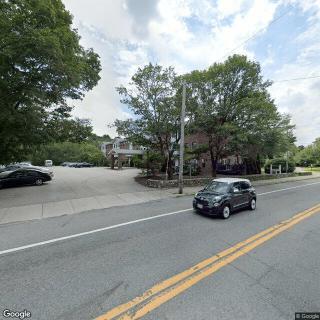
4 Street Joseph Street, Woonsocket, RI 02895

For more information about senior living options: (844) 490-3973

3.2 from 40 reviews
5 stars
17
4 stars
4
3 stars
2
2 stars
4
1 stars
13

Skilled Nursing Facility

What level of care are you interested in?

Assisted Living

Memory Care

Independent Living

Skilled Nursing Facility

Continuing Care Retirement Community (CCRC)CCRC

Other


Request a tour at Trinity Health And Rehabilitation Center

    Overall Review of Trinity Health And Rehabilitation Center

    Pros

    • pro The staff care deeply for patients and show genuine concern.
    • pro Visitors feel welcomed, safe, and well-treated by friendly, professional staff.
    • pro The therapy and nursing teams are praised for their hard work, professionalism, and positive outcomes.
    • pro The staff persevere through shortages with dedication and deserve recognition.
    • pro Residents and families feel treated like family and would recommend Trinity.
    • pro The facility is clean and respectful, with many reviewers calling Trinity among the best due to the staff.

    Cons

    • pro The facility is in need of updating.
    • pro The phone system is poorly handled; floor lines are not answered and callers are left waiting.
    • pro The care provided has been described as terrible, including an oxygen concentrator being unplugged and no one checking on the patient.
    • pro CNAs are described as terrible toward residents, leaving them in feces for hours and staff swearing at them.
    • pro The facility has been described as the worst place in the world, with nurses and higher-ups being the worst.
    • pro The food is described as disgusting.

    Review

    The experiences shared about Trinity Health Center are a tapestry of warmth, dedication, and genuine care intertwined with sharp frustration, fear, and concern. Across dozens of reflections, the staff repeatedly emerge as the strongest thread: caregivers who show up with compassion for the elderly and a readiness to go the extra mile. Some reviewers describe the folks on the front lines as true heroes who persevere in the face of systemic pressures. They praise nurses, therapists, case managers, and department heads who greet patients with kindness, make an effort to keep residents engaged in meaningful activities, and treat families with respect. In particular, several accounts highlight the rehab and therapy teams as a bright spot, with tangible gains in patients' well-being, clear communication, and attentive follow-through that keeps families informed about progress. One reviewer recalled a nurse who played a pivotal role in healing bed sores and keeping a loved one comfortable, while another noted that the therapy department delivered hard work and positive outcomes, making a difficult transition after surgery more manageable.

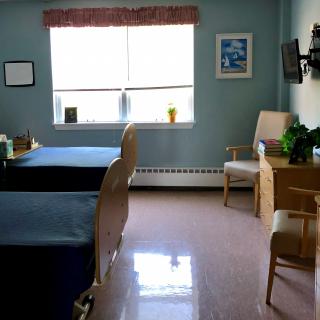
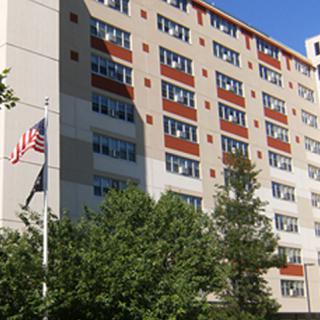
    Even among the positive voices, there is an awareness that the facility is not perfect. Several reviewers concede that Trinity is "not a perfect place" and that the building itself is aging and in need of updating. Yet many who visited or stayed describe the human side as outweighing these physical shortcomings. They emphasize that, when asked, staff aim to address personal needs, provide daily activities so residents stay engaged, and maintain a professional demeanor even under pressure. A sense of gratitude runs through some narratives, with families expressing appreciation for how staff treated loved ones like family, and for the reassurance that comes from regular updates and attentive care during rehab or post-acute stays.

    There is, however, a strong undercurrent of concern about how the facility operates day-to-day, especially in areas that affect safety and communication. A recurring thread is the experience of being unable to reach the right floor or receiving long wait times when dialing the phone, which can be a source of acute anxiety for families anxious to contact a loved one. Several accounts describe call lights going unanswered for extended periods, with several reviewers recounting being left in distress when help did not arrive promptly. The frustration isn't limited to phones; there are also several accounts of nursing staff not answering call lights promptly, sometimes with feverish attempts to contact multiple times before someone responds. Such experiences contribute to a perception that, even when care is available, the system can feel frayed or unresponsive.

    The most troubling narratives revolve around perceived lapses in safety, cleanliness, and basic care. A number of reviewers allege conditions that are hard to reconcile with a safe, respectful care environment: residents left in their own feces or urine for extended periods, beds and curtains stained, and oxygen equipment or other critical supports inadvertently unplugged or ignored. There are serious claims of neglect, including individuals who feel their loved ones were not receiving the level of attention needed during vulnerable moments, and even allegations that some staff acted disrespectfully or inhumanely toward residents and that the care environment could become chaotic under strain. The tone here is urgent and emotional, with families voicing fears about ongoing safety and quality of care and some vowing not to return or to recommend Trinity to others.

    Conversely, a subset of reviewers emphasizes how, in their experience, the CNA team - along with certain nurses - demonstrated exceptional care and kindness, sometimes standing out in contrast to other facilities or prior experiences. A few personal anecdotes underscore moments when staff went beyond routine duties to comfort a patient or ensure a smooth recovery trajectory. There are also mentions of the facility being a "best kept secret," with some families feeling their loved ones received better care at Trinity than at other institutions or even than the expectations set by external ratings. In these viewpoints, the people delivering care are the anchor of a fundamentally positive impression, even as the facility's environment or processes may fall short in other respects.

    Complicating the picture is a broader sense of the systemic pressures that shape every review. Several comments acknowledge the realities of staffing shortages, high patient loads, and the financial constraints that shape healthcare delivery. Reviewers mention not only the emotional and physical toll on staff but also the potential impact on patient care, including the need for more tools, resources, and support from insurance and the broader health system. Some reviewers defend Trinity by pointing to the difficulties caregivers face, noting that even under tough conditions, the staff attempt to meet personal needs, manage with limited tools, and respond with professional, patient-centered care as best as they can. Others argue that the facility would benefit from stronger accountability, improved infection control, and more consistent safety checks to prevent the kinds of incidents described in the more negative narratives.

    In sum, this collection of perspectives paints Trinity Health Center as a place of dual realities. For many families, the staff embody the heart of the operation - delivering compassionate, personalized care, fostering a sense of community, and driving improvements in residents' daily lives during rehab and recovery. For others, the experience is marred by concerns about basic safety, communication breakdowns, cleanliness, and the overall quality of daily operations. The truth, as reflected in these voices, seems to rest in the balance between devoted, high-touch caregiving and the heavy, systemic burdens that can hinder even the best intentions. For some, Trinity remains a trusted option, a place where loved ones are treated with dignity and care; for others, it remains a warning, highlighting the importance of vigilant oversight, continuous improvement, and clear, reliable channels for families to stay informed and connected.

    Features

    Housing

    • 185 resident community capacity 185 resident community capacity

    Types of Care

    • Skilled Nursing Facility Skilled Nursing FacilitySkilled Nursing Facilities are crucial for seniors as they provide round-the-clock medical care, rehabilitation services, and assistance with daily activities. These facilities ensure that seniors receive the specialized care they need to maintain their health and well-being as they age.

    Amenities

    • Air-conditioning Air-conditioningAir conditioning is important for seniors as they are more vulnerable to heat-related illnesses and may have underlying health conditions that make it difficult for them to regulate their body temperature. It helps to keep them comfortable, safe, and healthy in hot weather.
    • Beauty salon Beauty salonBeauty salons are important for seniors because they provide a space for them to feel pampered, socialize, and maintain their personal grooming and hygiene. Regular visits to a beauty salon can help boost seniors' self-esteem and overall well-being.
    • Cable or satellite TV Cable or satellite TVCable or satellite TV is important for seniors because it provides entertainment, news, and companionship, helping to combat loneliness and boredom. It also offers a wide range of programming options tailored to different interests and preferences.
    • Computer center Computer centerA computer center is essential for seniors as it provides access to technology, communication tools, and resources that can enhance their daily lives. It allows them to stay connected with loved ones, engage in online activities, and learn new skills, ultimately promoting socialization and mental stimulation.
    • Dining room Dining roomDining rooms are important for seniors as they provide a space for socialization, connection, and nutritious meals. They offer opportunities for residents to bond over shared meals, foster a sense of community, and promote healthy eating habits. Dining rooms also ensure that seniors have access to well-balanced meals tailored to their dietary needs and preferences.
    • Fitness room Fitness roomHaving a fitness room in a senior living community is essential for seniors to stay active, maintain their physical health, and improve their overall well-being. Regular exercise can help prevent falls, reduce the risk of chronic diseases, and promote mental sharpness. It also provides social opportunities for residents to connect with others and enjoy a sense of community.
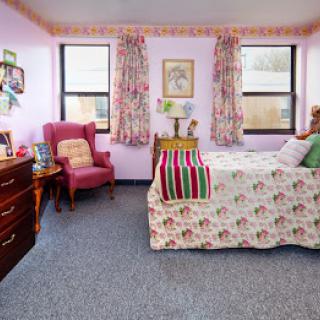
    • Fully furnished Fully furnishedFully furnished senior living communities are important for seniors because they provide convenience, comfort, and a hassle-free moving experience. Seniors can easily settle into their new living space without the stress of having to buy and move furniture. This allows them to focus on enjoying their new home and community.
    • Gaming room Gaming roomGaming rooms are important for seniors as they provide a fun and engaging environment for socializing, cognitive stimulation, and physical activity. Games can improve memory, problem-solving skills, and overall mental well-being while fostering friendships and reducing feelings of isolation.
    • Garden GardenGardens are important for seniors as they provide a peaceful and therapeutic environment for relaxation, physical activity, and socialization. Being in nature has been shown to reduce stress, improve mood, and promote overall well-being. Gardens also offer opportunities for seniors to engage in gardening activities, which can improve mobility, flexibility, and cognitive function. Additionally, gardens create a sense of community and connection with others who share a passion for plants and outdoor spaces.
    • Housekeeping services Housekeeping servicesHousekeeping services are important for seniors because they help maintain a clean and safe living environment, promote independence, and reduce the risk of accidents or illnesses. Additionally, having assistance with household chores can alleviate physical strain and allow seniors to focus on other aspects of their well-being.
    • Kitchenette KitchenetteKitchenettes are important for seniors living in senior living communities because they provide the convenience and independence of being able to prepare simple meals and snacks in the comfort of their own living space. This can help promote a sense of autonomy and well-being for seniors, allowing them to maintain some level of control over their dietary choices and daily routines.
    • Move-in coordination Move-in coordinationMove-in coordination is important for seniors because it helps ease the transition into their new living environment. It ensures that all logistics, such as packing, organizing movers, and setting up utilities are taken care of, allowing seniors to focus on settling in and adjusting to their new home. Having a smooth move-in process can alleviate stress and anxiety, making the transition smoother and more enjoyable for seniors.
    • Outdoor space Outdoor spaceOutdoor spaces are important for seniors as they provide opportunities for physical activity, social interaction, exposure to natural light and fresh air, and a sense of connection to nature. Having access to outdoor spaces can improve overall well-being and quality of life for older adults living in senior communities.
    • Private bathrooms Private bathroomsPrivate bathrooms are important for seniors in senior living communities because they provide independence, dignity, and comfort. Having a private bathroom allows seniors to maintain their personal hygiene routines without the need for assistance, promoting a sense of autonomy and privacy. Additionally, private bathrooms help prevent the spread of infections and provide a safe and clean environment for seniors to navigate safely.
    • Restaurant-style dining Restaurant-style diningRestaurant-style dining is important for seniors because it allows them to enjoy delicious, nutritious meals in a social and upscale setting. This enhances their dining experience, promotes healthy eating habits, and fosters socialization with fellow residents, ultimately contributing to their overall well-being and quality of life.
    • Small library Small librarySmall libraries are important for seniors as they provide access to a variety of reading materials, including books, newspapers, and magazines. This can help stimulate their minds, keep them engaged, and provide a sense of community through book clubs and other social activities. Additionally, reading has been shown to improve cognitive function and overall mental well-being in older adults.
    • Telephone TelephoneTelephones are important for seniors as they provide a lifeline for communication with loved ones, emergency services, and healthcare providers. They offer a sense of security and independence, enabling seniors to stay connected and access assistance when needed.
    • Wellness center Wellness centerWellness centers are important for seniors because they offer a variety of programs and services that promote physical, mental, and emotional well-being. These centers provide opportunities for exercise, socialization, education, and relaxation, helping seniors maintain their overall health and quality of life.
    • Wi-Fi/high-speed internet available Wi-Fi/high-speed internet availableWi-Fi/high-speed internet is important for seniors to stay connected with loved ones, access online resources, and participate in virtual activities to combat feelings of loneliness and isolation. It also allows them to easily manage healthcare needs, access entertainment, and engage in lifelong learning opportunities.

    Transportation

    • Theodore F Green State (19 miles away) Theodore F Green State (19 miles away)
    • Community operated transportation Community operated transportationCommunity operated transportation is crucial for seniors as it provides them with the means to access essential services, social activities, and medical appointments. It allows seniors to maintain their independence and quality of life by ensuring they can participate in activities outside of their homes. Additionally, community-operated transportation services offer a safe and reliable way for seniors to travel without having to rely on family or friends for assistance.
    • Transportation arrangement Transportation arrangementTransportation arrangements are crucial for seniors as they may face challenges with driving, mobility, or access to public transportation. Having reliable transportation services ensures that seniors can easily attend appointments, social activities, and maintain their independence and quality of life.
    • Transportation arrangement (non-medical) Transportation arrangement (non-medical)Transportation arrangements are essential for seniors as they provide access to essential services, activities, and social interactions outside the home. This service helps maintain independence, mobility, and overall well-being for seniors who may have limited transportation options.
    • Transportation to doctors appointments Transportation to doctors appointmentsTransportation to doctors appointments is crucial for seniors as it ensures they have access to necessary medical care and support, promoting their health and well-being. It allows them to receive timely treatment, monitor existing conditions, and address any new health concerns efficiently. Additionally, transportation services can help seniors maintain their independence and quality of life by enabling them to stay connected with their healthcare providers.

    Care Services

    • 12-16 hour nursing 12-16 hour nursing12-16 hour nursing care is crucial for seniors in order to ensure around-the-clock monitoring, timely medication administration, and prompt response to any health concerns or emergencies. This level of care helps to promote the overall well-being and safety of seniors living in senior living communities.
    • 24-hour call system 24-hour call system24-hour call systems are important for seniors because they provide peace of mind and immediate assistance in case of emergencies. This technology ensures that help is always available, promoting safety and security for elderly individuals living alone or in assisted living facilities.
    • 24-hour supervision 24-hour supervision24-hour supervision is important for seniors to ensure their safety, well-being, and access to immediate assistance in case of emergencies or health issues. This constant support provides peace of mind for both seniors and their loved ones, allowing them to age in place with dignity and security.
    • Activities of daily living assistance Activities of daily living assistanceActivities of daily living assistance are important for seniors because they provide essential support with tasks such as eating, bathing, dressing, and mobility. This assistance helps seniors maintain their independence, dignity, and overall quality of life as they age.
    • Assistance with bathing Assistance with bathingAssistance with bathing is crucial for seniors as it helps maintain personal hygiene, prevents infections, and ensures their overall well-being and comfort. It also provides a sense of dignity and independence for seniors who may struggle with this task on their own.
    • Assistance with dressing Assistance with dressingAssistance with dressing is important for seniors because it helps maintain their independence, promotes personal hygiene, prevents accidents and injuries, and improves overall quality of life. This service ensures that seniors can continue to dress comfortably and confidently, despite any physical limitations they may have.
    • Assistance with transfers Assistance with transfersAssistance with transfers is crucial for seniors as it helps prevent falls and injuries, maintains their independence, and ensures they can safely navigate their living environment. It also provides peace of mind for both seniors and their loved ones.
    • Diabetes diet Diabetes dietA diabetes diet is crucial for seniors as it helps manage blood sugar levels, reduce risks of complications, and improve overall health and well-being. By following a balanced and nutritious diet tailored to their specific needs, seniors can better control their diabetes and enhance their quality of life.
    • Meal preparation and service Meal preparation and serviceMeal preparation and service are crucial for seniors as they may have limited mobility or energy to cook nutritious meals. Having access to healthy and convenient food options can ensure they are getting the proper nutrition needed to maintain their overall health and well-being.
    • Medication management Medication managementMedication management is crucial for seniors to ensure they are taking the right medications at the correct dosages and times. This helps prevent adverse drug interactions, reduces the risk of medication errors, and promotes overall health and well-being. Proactive management also allows for adjustments as needed based on changing health conditions or new prescriptions.
    • Mental wellness program Mental wellness programMental wellness programs are essential for seniors as they promote cognitive stimulation, emotional support, and social engagement. These programs help prevent isolation, depression, and cognitive decline, ultimately enhancing the overall quality of life for older adults.
    • Special dietary restrictions Special dietary restrictionsSpecial dietary restrictions are important for seniors because age-related changes in metabolism and health conditions can make it difficult for their bodies to process certain foods. By following a diet tailored to their specific needs, seniors can maintain their overall health and well-being, manage chronic conditions, and reduce the risk of complications such as malnutrition or food interactions with medications.

    Dining

    • Diabetes diet Diabetes dietA diabetes diet is crucial for seniors as it helps manage blood sugar levels, reduce risks of complications, and improve overall health and well-being. By following a balanced and nutritious diet tailored to their specific needs, seniors can better control their diabetes and enhance their quality of life.
    • Special dietary restrictions Special dietary restrictionsSpecial dietary restrictions are important for seniors because age-related changes in metabolism and health conditions can make it difficult for their bodies to process certain foods. By following a diet tailored to their specific needs, seniors can maintain their overall health and well-being, manage chronic conditions, and reduce the risk of complications such as malnutrition or food interactions with medications.

    Activities

    • Community-sponsored activities Community-sponsored activitiesCommunity-sponsored activities are important for seniors as they provide opportunities for social interaction, mental stimulation, and physical activity. These activities can help improve overall well-being, combat loneliness and isolation, and promote a sense of belonging and purpose among older adults.
    • Concierge services Concierge servicesConcierge services are essential for seniors as they provide assistance with daily tasks and errands, enhance their quality of life by offering convenience and personalized care, and promote a sense of safety and security.
    • Fitness programs Fitness programsFitness programs are crucial for seniors as they help improve strength, flexibility, balance, and overall well-being. Staying active can reduce the risk of chronic diseases, improve mental health, and enhance quality of life in older adults.
    • Planned day trips Planned day tripsPlanned day trips are important for seniors because they offer opportunities for socialization, mental stimulation, and physical activity. They provide a change of scenery and help seniors stay engaged and connected to their community, promoting overall well-being and quality of life.
    • Resident-run activities Resident-run activitiesResident-run activities are important for seniors as they encourage social interaction, creativity, and a sense of autonomy. These activities empower seniors to stay engaged and active in their community while fostering meaningful connections with their peers.
    • Scheduled daily activities Scheduled daily activitiesScheduled daily activities are important for seniors because they provide structure, socialization, mental stimulation, and physical activity. Engaging in regular activities can improve overall well-being and quality of life for seniors living in a community setting.

    Description

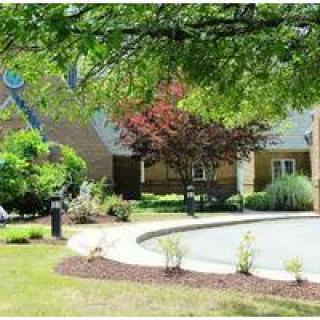
    Trinity Health And Rehabilitation Center in Woonsocket, RI is an assisted living community that offers a wide range of amenities and care services to enhance the quality of life for its residents. The community boasts a beauty salon, allowing residents to indulge in self-care and grooming. Residents can also enjoy their favorite shows or movies on cable or satellite TV in their private rooms. Trinity Health And Rehabilitation Center provides community-operated transportation for residents who wish to explore the local area or attend appointments.

    This assisted living community understands the importance of staying connected in today's digital age, which is why they offer a computer center with access to Wi-Fi and high-speed internet. A fully furnished dining room is available for residents to enjoy delicious meals served restaurant-style. For those who prefer more privacy, each room comes with a kitchenette where they can prepare their own meals if desired.

    Trinity Health And Rehabilitation Center ensures the well-being of its residents by providing housekeeping services and move-in coordination. Outdoor space and gardens allow residents to relax and enjoy nature, while small library and gaming rooms provide entertainment options within the community. Telephone services are available for easy communication with loved ones.

    In terms of care services, this assisted living community has 24-hour call systems and supervision to ensure the safety of its residents. Assistance with daily activities such as bathing, dressing, and transfers is readily available. The staff also assists with medication management and follows special dietary restrictions as needed, including diabetes diets.

    Residents can maintain an active lifestyle through fitness programs offered in the fitness room or join planned day trips organized by the concierge services. There are also resident-run activities that promote socialization among peers. In addition, scheduled daily activities keep residents engaged and entertained throughout their stay.

    Trinity Health And Rehabilitation Center is conveniently located near parks, pharmacies, physicians' offices, and restaurants, offering easy access to various amenities outside of the community.

    Overall, this assisted living community prioritizes the comfort, well-being, and engagement of its residents through a range of amenities and care services designed to enhance their daily lives.

    Nearby Places of Interest

    Physicians

    • Pulmonary & Sleep Office of New England (0.7 miles)
    • Emily Ackerman (2.3 miles)
    • Attleboro-Cumberland Oral Surg (2.8 miles)
    • Physicians of Ri Medical Enterprises (3.2 miles)
    • Orthopaedic Associates (4.5 miles)
    • Lincoln Primary Care (4.6 miles)
    • Rhode Island Dermatology & Cosmetic Center (4.6 miles)

    Pharmacies

    • Walgreens (0.7 miles)
    • CVS Pharmacy (1.2 miles)
    • Cvs Caremark (1.5 miles)
    • CVS Pharmacy (1.8 miles)
    • Walgreens (4.2 miles)
    • CVS Pharmacy (4.7 miles)
    • CVS Pharmacy (6.3 miles)

    Restaurants

    • McDonald's (1.1 miles)
    • Patriots Diner (1.1 miles)
    • Popeyes Louisiana Kitchen (1.9 miles)
    • Wright's Dairy Farm (2 miles)
    • McDonald's (2.1 miles)
    • Ice Cream Machine Co. (4.4 miles)
    • McDonald's (4.5 miles)

    Parks

    • Dunn Memorial Park (1.3 miles)
    • Fletcher Field (7.8 miles)
    • Lincoln Woods State Park (8 miles)
    • Hauser Field & Playground (10.7 miles)
    • Choate Park (11.2 miles)

    Places of Worship

    • New Life Worship Center (5.9 miles)
    • Church Of The Nazarene (8.8 miles)
    • Our Lady of Grace Church (10.9 miles)

    Cafes

    • Starbucks (7.7 miles)
    • Muffin House Cafe (7.8 miles)
    • Starbucks (8.9 miles)
    • Honey Dew Donuts (9.1 miles)
    • Starbucks (9.2 miles)
    • Panera Bread (10.3 miles)

    Transportation

    • Ryder Truck Rental (11 miles)

    Frequently Asked Questions

    Where is Trinity Health And Rehabilitation Center?
    What photos are available for Trinity Health And Rehabilitation Center in Woonsocket, Rhode Island?

    Nearby Communities

    Related Resources


    Get Pricing Ask A Question Schedule A Tour Contact Senior Advisor