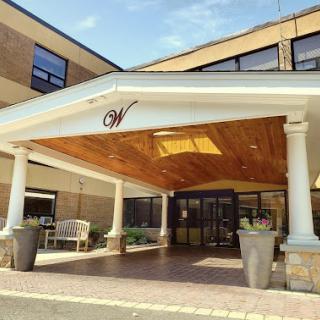
Woonsocket Health Centre

Save
Woonsocket Health Centre

Woonsocket Health Centre

262 Poplar Street, Woonsocket, RI 02895

For more information about senior living options: (844) 490-3973

2.5 from 45 reviews
5 stars
12
4 stars
4
3 stars
3
2 stars
2
1 stars
24

Skilled Nursing Facility

Overall Review of Woonsocket Health Centre

Pros

  • pro Woonsocket Health Center is a wonderful, kind and caring facility.
  • pro The staff are absolutely wonderful.
  • pro They are truly amazing people.
  • pro The facility is always very clean and fresh.
  • pro The staff here always communicate with family.
  • pro WHRC is family owned & it shows!
  • pro The staff at this facility truly care about the residents.
  • pro Nurses and CNAs take pride in their work and are always there for the residents' needs.

Cons

  • pro The staff member was rude and gave attitude to the delivery driver.
  • pro The facility was described as roach-infested, exposing patients to unsanitary conditions.
  • pro The food was often cold, of poor quality, and served in small portions.
  • pro There were repeated medication errors and poor communication between departments.
  • pro The facility lacked adequate ADA accommodations, hindering communication for the hearing impaired.
  • pro Some nurses and staff were unprofessional and showed little empathy toward residents.
  • pro CNAs were accused of stealing money and valuables from a resident.
  • pro The administration was portrayed as authoritarian and retaliatory toward staff and residents.
  • pro The environment was described as filthy and uncaring, with residents left uncomfortable or cold.
  • pro Reviewers urged authorities to close the facility due to safety concerns.

Review

Woonsocket Health Center elicits a wide spectrum of experiences from those who have encountered it. On one end, many reviewers recount a facility that is clean, well-intentioned, and staffed by people who genuinely seem to care about residents. A number of people praise the nursing and caregiving teams for their empathy and dedication, noting that nurses and CNAs try to attend to residents' needs promptly and with kindness. Several posts emphasize that the environment can feel welcoming and reassuring, with compliments directed at the overall atmosphere and the people who work there. In these positive portraits, families and visitors stress that the center's staff strive to maintain dignity and comfort for residents, and that the facility has moments of genuine compassion even in trying times.

Yet the same place is also the subject of intense criticism from others who describe troubling experiences. One review centers on a single encounter with a staff member - named Nhadiah on a badge - who allegedly treated a delivery person with rude, dismissive language and an attitude that suggested entitlement to deference. The reviewer, who was delivering food, frames this moment as emblematic of a broader pattern of disrespect they witnessed, noting that someone who appears to occupy a higher role should not devalue people from outside the facility. For this reviewer, the incident underscored a belief that staff demeanor can significantly affect the well-being of visitors and, by extension, the residents within the home.

Beyond individual interactions, many comments focus on care quality and operational consistency. Several reviews describe a concerning disconnect between departments or unclear accountability when it comes to medications and treatment plans. Phrases like "the left hand doesn't know what the right hand is doing" recur, with anecdotes about missed medications, conflicting lists, or nurses who say they have given a medication when they have not. In some accounts, families observe that their loved ones' conditions deteriorate after placement, prompting questions about whether the facility is equipped to manage complex health needs. There are also stories of patients being transferred to hospitals for issues that caregivers and families felt could have been managed on site, amplifying fears about the adequacy of monitoring and response times.

Food quality is another frequent flashpoint. Several reviewers criticize meals as cold, bland, or portioned too small, with vegetables described as freezer-burnt and sometimes unpalatable. A handful of posts acknowledge occasional days when the food looks appealing, but the overall sentiment tilts toward inconsistency and dissatisfaction. This contrast between occasional praise for other aspects of care and persistent concerns about nourishment highlights how seemingly small daily elements can shape the overall impression of a long-term care facility.

Accessibility and communication emerge as visible issues in multiple reviews. Several residents' families express frustration that the center does not meet basic ADA needs, such as providing phones or other accommodations for hearing-impaired residents. The resulting communication gaps with loved ones sound profoundly frustrating, especially when coupled with broader concerns about care quality. There is also mention of steps taken in response to these concerns: in one update, the director of infrastructure and the owner personally intervened to install a needed telephone, a development that some reviewers describe as impressive and a sign that attentive management can lead to tangible improvements. Even so, the ADA-related friction serves as a persistent reminder of the challenges that can accompany complex caregiving in a facility of this kind.

Management and organizational culture draw strong, polarized opinions. Some reviewers describe a family-owned atmosphere that translates into genuine care and attentiveness to residents' needs, even during difficult periods like the pandemic. They speak of staff who remain committed and who continue to prioritize residents' well-being despite staffing pressures or external challenges. Others characterize the administration as heavy-handed or out of touch, using strong language to depict systemic issues - from alleged "Soviet levels" of totalitarian control to accusations of discrimination against unvaccinated employees and punitive actions toward workers. The same set of reviews that lauds personal attention from some staff members also questions leadership's priorities, transparency, and consistency in enforcing policies that affect residents and staff alike.

The full mosaic of impressions also includes a few more dramatic, cautionary notes. Some reviewers suggest that the center's problems run deeper than isolated incidents, arguing that the facility should be scrutinized or even closed by health authorities. Stories of theft, miscommunication during crises, and aggressive patient handling contribute to an overarching sense of alarm for certain families. Other comments acknowledge that despite severe critiques, there are individuals who experienced positive outcomes, citing compassionate caregivers, timely hospitalizations when appropriate, and moments of personal connection that provided comfort during a loved one's stay. The tension between these hopeful experiences and harsh criticisms paints a complex portrait of Woonsocket Health Center.

Despite the breadth of these experiences, there is a recurring thread about the human element at the heart of long-term care. For some families, the people who work there - nurses, CNAs, aides, and management - embody dedication, resilience, and a willingness to go the extra mile. For others, the same setting reveals gaps in communication, inconsistencies in care, and environments that fail to consistently meet basic expectations. The stories touch on a wide range of issues - from interpersonal interactions and daily life quality to clinical decision-making, safety, and infrastructure. Taken together, they illustrate that Woonsocket Health Center is a place of real care and real concern, where moments of compassion sit alongside experiences that raise serious questions about safety, dignity, and the standards of care.

If you are considering Woonsocket Health Center for a loved one or for yourself, the collective feedback suggests a careful, multi-faceted approach. Visit in person, talk with multiple staff members across shifts, and ask detailed questions about medications, care plans, food, activities, and accessibility. Review local health department findings and state inspection reports to gain an objective picture of safety and quality. The mix of praise and critique here is a reminder that a facility can be a source of genuine warmth and effective support in some situations while also presenting significant challenges in others. Your experience may depend on specific staff, the resident's needs, and how well the center's operations align with those needs over time.

Features

Housing

  • 150 resident community capacity 150 resident community capacity

Types of Care

  • Skilled Nursing Facility Skilled Nursing FacilitySkilled Nursing Facilities are crucial for seniors as they provide round-the-clock medical care, rehabilitation services, and assistance with daily activities. These facilities ensure that seniors receive the specialized care they need to maintain their health and well-being as they age.

Amenities

  • Air-conditioning Air-conditioningAir conditioning is important for seniors as they are more vulnerable to heat-related illnesses and may have underlying health conditions that make it difficult for them to regulate their body temperature. It helps to keep them comfortable, safe, and healthy in hot weather.
  • Beauty salon Beauty salonBeauty salons are important for seniors because they provide a space for them to feel pampered, socialize, and maintain their personal grooming and hygiene. Regular visits to a beauty salon can help boost seniors' self-esteem and overall well-being.
  • Cable or satellite TV Cable or satellite TVCable or satellite TV is important for seniors because it provides entertainment, news, and companionship, helping to combat loneliness and boredom. It also offers a wide range of programming options tailored to different interests and preferences.
  • Computer center Computer centerA computer center is essential for seniors as it provides access to technology, communication tools, and resources that can enhance their daily lives. It allows them to stay connected with loved ones, engage in online activities, and learn new skills, ultimately promoting socialization and mental stimulation.
  • Dining room Dining roomDining rooms are important for seniors as they provide a space for socialization, connection, and nutritious meals. They offer opportunities for residents to bond over shared meals, foster a sense of community, and promote healthy eating habits. Dining rooms also ensure that seniors have access to well-balanced meals tailored to their dietary needs and preferences.
  • Fitness room Fitness roomHaving a fitness room in a senior living community is essential for seniors to stay active, maintain their physical health, and improve their overall well-being. Regular exercise can help prevent falls, reduce the risk of chronic diseases, and promote mental sharpness. It also provides social opportunities for residents to connect with others and enjoy a sense of community.
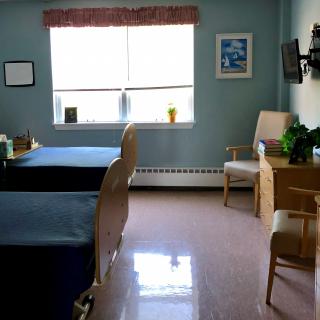
  • Fully furnished Fully furnishedFully furnished senior living communities are important for seniors because they provide convenience, comfort, and a hassle-free moving experience. Seniors can easily settle into their new living space without the stress of having to buy and move furniture. This allows them to focus on enjoying their new home and community.
  • Gaming room Gaming roomGaming rooms are important for seniors as they provide a fun and engaging environment for socializing, cognitive stimulation, and physical activity. Games can improve memory, problem-solving skills, and overall mental well-being while fostering friendships and reducing feelings of isolation.
  • Garden GardenGardens are important for seniors as they provide a peaceful and therapeutic environment for relaxation, physical activity, and socialization. Being in nature has been shown to reduce stress, improve mood, and promote overall well-being. Gardens also offer opportunities for seniors to engage in gardening activities, which can improve mobility, flexibility, and cognitive function. Additionally, gardens create a sense of community and connection with others who share a passion for plants and outdoor spaces.
  • Housekeeping services Housekeeping servicesHousekeeping services are important for seniors because they help maintain a clean and safe living environment, promote independence, and reduce the risk of accidents or illnesses. Additionally, having assistance with household chores can alleviate physical strain and allow seniors to focus on other aspects of their well-being.
  • Kitchenette KitchenetteKitchenettes are important for seniors living in senior living communities because they provide the convenience and independence of being able to prepare simple meals and snacks in the comfort of their own living space. This can help promote a sense of autonomy and well-being for seniors, allowing them to maintain some level of control over their dietary choices and daily routines.
  • Move-in coordination Move-in coordinationMove-in coordination is important for seniors because it helps ease the transition into their new living environment. It ensures that all logistics, such as packing, organizing movers, and setting up utilities are taken care of, allowing seniors to focus on settling in and adjusting to their new home. Having a smooth move-in process can alleviate stress and anxiety, making the transition smoother and more enjoyable for seniors.
  • Outdoor space Outdoor spaceOutdoor spaces are important for seniors as they provide opportunities for physical activity, social interaction, exposure to natural light and fresh air, and a sense of connection to nature. Having access to outdoor spaces can improve overall well-being and quality of life for older adults living in senior communities.
  • Private bathrooms Private bathroomsPrivate bathrooms are important for seniors in senior living communities because they provide independence, dignity, and comfort. Having a private bathroom allows seniors to maintain their personal hygiene routines without the need for assistance, promoting a sense of autonomy and privacy. Additionally, private bathrooms help prevent the spread of infections and provide a safe and clean environment for seniors to navigate safely.
  • Restaurant-style dining Restaurant-style diningRestaurant-style dining is important for seniors because it allows them to enjoy delicious, nutritious meals in a social and upscale setting. This enhances their dining experience, promotes healthy eating habits, and fosters socialization with fellow residents, ultimately contributing to their overall well-being and quality of life.
  • Small library Small librarySmall libraries are important for seniors as they provide access to a variety of reading materials, including books, newspapers, and magazines. This can help stimulate their minds, keep them engaged, and provide a sense of community through book clubs and other social activities. Additionally, reading has been shown to improve cognitive function and overall mental well-being in older adults.
  • Telephone TelephoneTelephones are important for seniors as they provide a lifeline for communication with loved ones, emergency services, and healthcare providers. They offer a sense of security and independence, enabling seniors to stay connected and access assistance when needed.
  • Wellness center Wellness centerWellness centers are important for seniors because they offer a variety of programs and services that promote physical, mental, and emotional well-being. These centers provide opportunities for exercise, socialization, education, and relaxation, helping seniors maintain their overall health and quality of life.
  • Wi-Fi/high-speed internet available Wi-Fi/high-speed internet availableWi-Fi/high-speed internet is important for seniors to stay connected with loved ones, access online resources, and participate in virtual activities to combat feelings of loneliness and isolation. It also allows them to easily manage healthcare needs, access entertainment, and engage in lifelong learning opportunities.

Transportation

  • Theodore F Green State (20 miles away) Theodore F Green State (20 miles away)
  • Community operated transportation Community operated transportationCommunity operated transportation is crucial for seniors as it provides them with the means to access essential services, social activities, and medical appointments. It allows seniors to maintain their independence and quality of life by ensuring they can participate in activities outside of their homes. Additionally, community-operated transportation services offer a safe and reliable way for seniors to travel without having to rely on family or friends for assistance.
  • Transportation arrangement Transportation arrangementTransportation arrangements are crucial for seniors as they may face challenges with driving, mobility, or access to public transportation. Having reliable transportation services ensures that seniors can easily attend appointments, social activities, and maintain their independence and quality of life.
  • Transportation arrangement (non-medical) Transportation arrangement (non-medical)Transportation arrangements are essential for seniors as they provide access to essential services, activities, and social interactions outside the home. This service helps maintain independence, mobility, and overall well-being for seniors who may have limited transportation options.
  • Transportation to doctors appointments Transportation to doctors appointmentsTransportation to doctors appointments is crucial for seniors as it ensures they have access to necessary medical care and support, promoting their health and well-being. It allows them to receive timely treatment, monitor existing conditions, and address any new health concerns efficiently. Additionally, transportation services can help seniors maintain their independence and quality of life by enabling them to stay connected with their healthcare providers.

Care Services

  • 12-16 hour nursing 12-16 hour nursing12-16 hour nursing care is crucial for seniors in order to ensure around-the-clock monitoring, timely medication administration, and prompt response to any health concerns or emergencies. This level of care helps to promote the overall well-being and safety of seniors living in senior living communities.
  • 24-hour call system 24-hour call system24-hour call systems are important for seniors because they provide peace of mind and immediate assistance in case of emergencies. This technology ensures that help is always available, promoting safety and security for elderly individuals living alone or in assisted living facilities.
  • 24-hour supervision 24-hour supervision24-hour supervision is important for seniors to ensure their safety, well-being, and access to immediate assistance in case of emergencies or health issues. This constant support provides peace of mind for both seniors and their loved ones, allowing them to age in place with dignity and security.
  • Activities of daily living assistance Activities of daily living assistanceActivities of daily living assistance are important for seniors because they provide essential support with tasks such as eating, bathing, dressing, and mobility. This assistance helps seniors maintain their independence, dignity, and overall quality of life as they age.
  • Assistance with bathing Assistance with bathingAssistance with bathing is crucial for seniors as it helps maintain personal hygiene, prevents infections, and ensures their overall well-being and comfort. It also provides a sense of dignity and independence for seniors who may struggle with this task on their own.
  • Assistance with dressing Assistance with dressingAssistance with dressing is important for seniors because it helps maintain their independence, promotes personal hygiene, prevents accidents and injuries, and improves overall quality of life. This service ensures that seniors can continue to dress comfortably and confidently, despite any physical limitations they may have.
  • Assistance with transfers Assistance with transfersAssistance with transfers is crucial for seniors as it helps prevent falls and injuries, maintains their independence, and ensures they can safely navigate their living environment. It also provides peace of mind for both seniors and their loved ones.
  • Diabetes diet Diabetes dietA diabetes diet is crucial for seniors as it helps manage blood sugar levels, reduce risks of complications, and improve overall health and well-being. By following a balanced and nutritious diet tailored to their specific needs, seniors can better control their diabetes and enhance their quality of life.
  • Meal preparation and service Meal preparation and serviceMeal preparation and service are crucial for seniors as they may have limited mobility or energy to cook nutritious meals. Having access to healthy and convenient food options can ensure they are getting the proper nutrition needed to maintain their overall health and well-being.
  • Medication management Medication managementMedication management is crucial for seniors to ensure they are taking the right medications at the correct dosages and times. This helps prevent adverse drug interactions, reduces the risk of medication errors, and promotes overall health and well-being. Proactive management also allows for adjustments as needed based on changing health conditions or new prescriptions.
  • Mental wellness program Mental wellness programMental wellness programs are essential for seniors as they promote cognitive stimulation, emotional support, and social engagement. These programs help prevent isolation, depression, and cognitive decline, ultimately enhancing the overall quality of life for older adults.
  • Special dietary restrictions Special dietary restrictionsSpecial dietary restrictions are important for seniors because age-related changes in metabolism and health conditions can make it difficult for their bodies to process certain foods. By following a diet tailored to their specific needs, seniors can maintain their overall health and well-being, manage chronic conditions, and reduce the risk of complications such as malnutrition or food interactions with medications.

Dining

  • Diabetes diet Diabetes dietA diabetes diet is crucial for seniors as it helps manage blood sugar levels, reduce risks of complications, and improve overall health and well-being. By following a balanced and nutritious diet tailored to their specific needs, seniors can better control their diabetes and enhance their quality of life.
  • Special dietary restrictions Special dietary restrictionsSpecial dietary restrictions are important for seniors because age-related changes in metabolism and health conditions can make it difficult for their bodies to process certain foods. By following a diet tailored to their specific needs, seniors can maintain their overall health and well-being, manage chronic conditions, and reduce the risk of complications such as malnutrition or food interactions with medications.

Activities

  • Community-sponsored activities Community-sponsored activitiesCommunity-sponsored activities are important for seniors as they provide opportunities for social interaction, mental stimulation, and physical activity. These activities can help improve overall well-being, combat loneliness and isolation, and promote a sense of belonging and purpose among older adults.
  • Concierge services Concierge servicesConcierge services are essential for seniors as they provide assistance with daily tasks and errands, enhance their quality of life by offering convenience and personalized care, and promote a sense of safety and security.
  • Fitness programs Fitness programsFitness programs are crucial for seniors as they help improve strength, flexibility, balance, and overall well-being. Staying active can reduce the risk of chronic diseases, improve mental health, and enhance quality of life in older adults.
  • Planned day trips Planned day tripsPlanned day trips are important for seniors because they offer opportunities for socialization, mental stimulation, and physical activity. They provide a change of scenery and help seniors stay engaged and connected to their community, promoting overall well-being and quality of life.
  • Resident-run activities Resident-run activitiesResident-run activities are important for seniors as they encourage social interaction, creativity, and a sense of autonomy. These activities empower seniors to stay engaged and active in their community while fostering meaningful connections with their peers.
  • Scheduled daily activities Scheduled daily activitiesScheduled daily activities are important for seniors because they provide structure, socialization, mental stimulation, and physical activity. Engaging in regular activities can improve overall well-being and quality of life for seniors living in a community setting.

Description

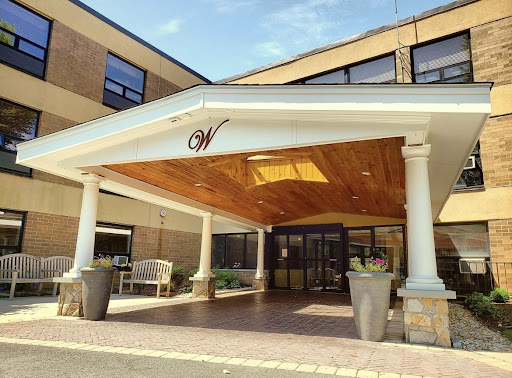
The Woonsocket Health Centre in Woonsocket, RI is an assisted living community that offers a wide range of amenities and care services to cater to the needs of its residents. The community provides a comfortable and homely environment where seniors can enjoy their golden years with peace of mind.

Some of the amenities offered at the Woonsocket Health Centre include a beauty salon, cable or satellite TV, computer center, dining room, fitness room, gaming room, small library, and Wi-Fi/high-speed internet. These amenities ensure that residents have access to various activities and entertainment options to keep them engaged and entertained.

The care services provided by the community are designed to support seniors in their daily activities and provide assistance when needed. These services include 24-hour call system and supervision, assistance with bathing, dressing, and transfers, medication management, diabetes diet support, meal preparation and service, mental wellness programs, and transportation arrangements for non-medical purposes as well as for doctors' appointments.

Dining at the Woonsocket Health Centre is tailored to accommodate special dietary restrictions. Residents can enjoy restaurant-style dining in a shared dining room where they can socialize while enjoying nutritious meals prepared by the facility's staff.

The community also emphasizes on promoting an active lifestyle among its residents. They offer concierge services to help plan day trips and organize resident-run activities. Additionally, there are scheduled daily activities such as fitness programs to keep residents physically active and engaged.

In terms of location convenience, there are parks nearby for recreational purposes as well as pharmacies and physicians located within close proximity for easy access to healthcare services. There are also numerous restaurants nearby for residents who wish to dine out or explore local cuisine.

Overall, the Woonsocket Health Centre strives to provide a comfortable living environment combined with high-quality care services that cater to each individual's unique needs. With its range of amenities and convenient location, this assisted living community offers seniors a fulfilling lifestyle while ensuring their well-being and safety.

Nearby Places of Interest

Restaurants

  • Popeyes Louisiana Kitchen (0.7 miles)
  • McDonald's (1 miles)
  • Patriots Diner (1.2 miles)
  • McDonald's (2.2 miles)
  • Wright's Dairy Farm (3.2 miles)
  • Ice Cream Machine Co. (3.5 miles)
  • McDonald's (5 miles)

Pharmacies

  • Walgreens (0.8 miles)
  • Cvs Caremark (1.3 miles)
  • CVS Pharmacy (2.2 miles)
  • CVS Pharmacy (2.3 miles)
  • CVS Pharmacy (4.7 miles)
  • Walgreens (5.1 miles)
  • Walgreens (5.5 miles)

Physicians

  • Pulmonary & Sleep Office of New England (0.9 miles)
  • Attleboro-Cumberland Oral Surg (2.6 miles)
  • Physicians of Ri Medical Enterprises (2.8 miles)
  • Emily Ackerman (3.3 miles)
  • Orthopaedic Associates (4.5 miles)
  • Anchor Medical Associates (5.1 miles)
  • Lincoln Primary Care (5.1 miles)

Parks

  • Dunn Memorial Park (2.3 miles)
  • Fletcher Field (6.6 miles)
  • Lincoln Woods State Park (8.3 miles)
  • Choate Park (10.2 miles)
  • Capron Park (10.9 miles)

Cafes

  • Starbucks (6.6 miles)
  • Muffin House Cafe (7.5 miles)
  • Honey Dew Donuts (8.4 miles)
  • Starbucks (8.9 miles)
  • Panera Bread (9.2 miles)
  • Starbucks (9.8 miles)
  • Cilla's Coffeehouse (11.2 miles)

Places of Worship

  • New Life Worship Center (6.8 miles)
  • Church Of The Nazarene (9.1 miles)

Transportation

  • Ryder Truck Rental (10.2 miles)

Frequently Asked Questions

Where is Woonsocket Health Centre?

Nearby Communities

Related Resources

  • memory games for seniors9 Stimulating Memory Activities for Seniors: Puzzles, Cards, and Much More

    The article highlights nine memory-boosting activities for seniors that enhance cognitive health and social interaction, including puzzles, trivia quizzes, and storytelling, while emphasizing the importance of adapting these activities to individual preferences to maximize enjoyment and engagement. Consistent mental engagement is linked to improved cognitive function and emotional well-being in older adults.

  • what happens when medicare stops paying for nursing home careManaging Nursing Home Expenses After Medicare Coverage Ends

    Medicare provides limited coverage for skilled nursing home care, covering full benefits for the first 20 days and partial benefits up to 100 days under certain conditions, after which families must explore alternative funding options like Medicaid or long-term care insurance to manage potentially high costs. Proactive planning is essential to navigate the complexities of financing ongoing care once Medicare coverage ends.

  • geriatric care managerIs a Geriatric Care Manager the Right Choice for Your Family?
    Geriatric care managers create personalized care plans for older adults, addressing their medical, social, financial, and psychological needs while coordinating services and advocating for their well-being. They help families navigate caregiving challenges but may be hindered by high costs and a shortage of qualified professionals.