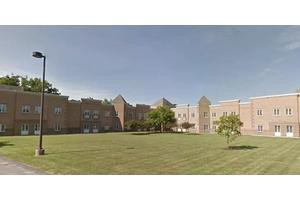



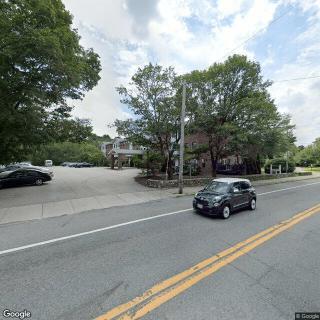
400 Mendon Road, North Smithfield, RI 02896
For more information about senior living options: (866) 208-4318
Overall Review of The Villa At Saint Antoine
Pros
 The staff are very professional and attentive.
- The facility is wonderful, with well-trained staff.
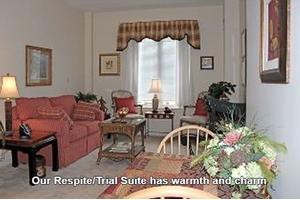
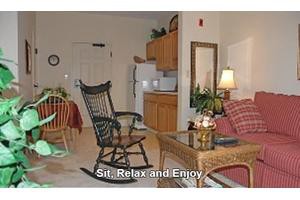
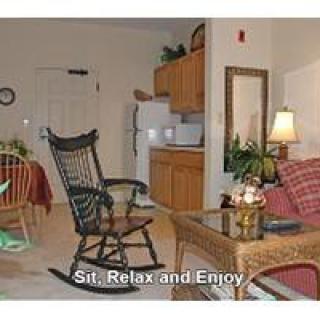
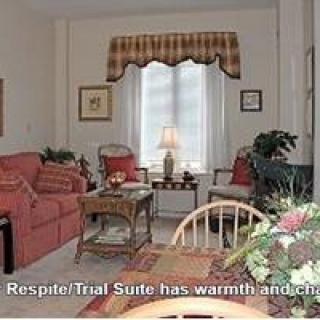
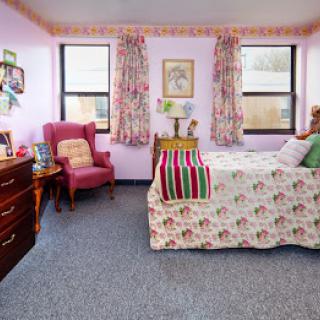
- The rooms are spacious and immaculate.
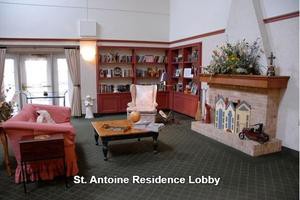
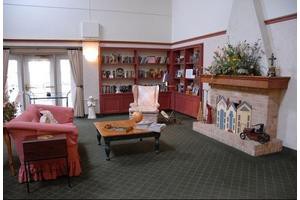
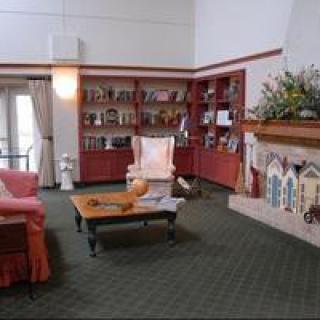
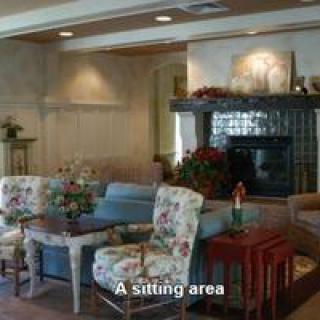
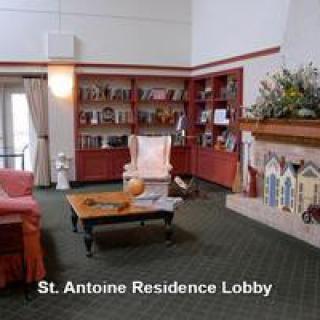
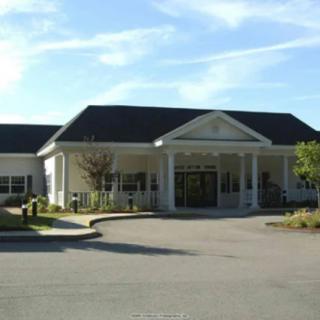
- The lobby looks like a hotel.
- They offer activities, shopping tours, and day trips.
- The meals are home-cooked and satisfactory, with a good chef and generous portions.
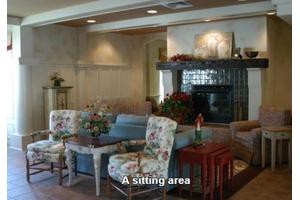
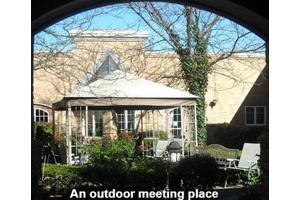
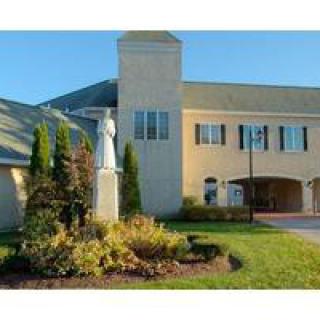
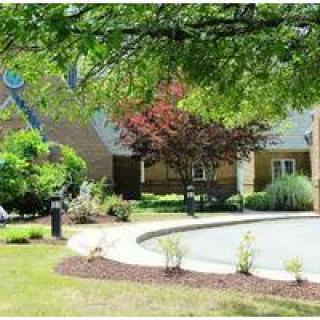
- The recreation rooms and courtyard are beautiful.
Cons
 The reviewer found Villa at St Antoine overly formal.
- The downstairs layout was confusing and easy to get lost.
- The rooms were smaller than at the other place.
- The dining policy was rigid and included extra charges for not dining downstairs.
- The place was clean but plainer and not as pretty as the other option.
- Some meals weren’t the traditional home-cooked kind for elderly residents.
- The pricing and insurance situation seemed prohibitive, requiring upfront cash.
- The setup felt more like a nursing home than assisted living.
- The rooms are very small.
- The reviewer wouldn’t recommend housekeeping and gave it only one star.
Review
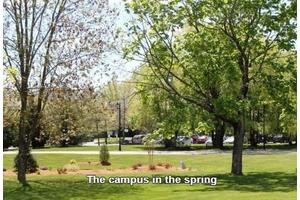
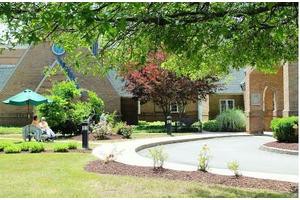
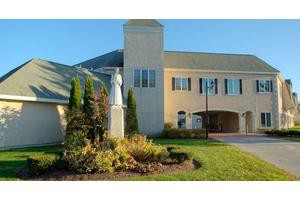
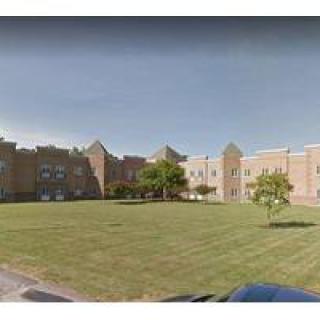
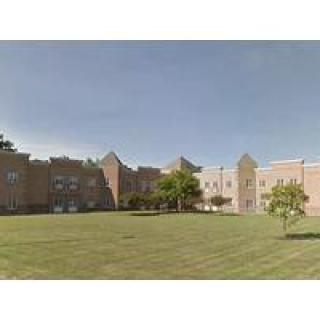
The Villa At Saint Antoine is best suited for seniors who want a well-staffed, active campus with robust rehab options and a faith-based environment. This community shines for families seeking professional caregiving, a structured daily rhythm, and a calendar of outings and activities. The facility sits on a larger campus and operates with a clear sense of order and polish: immaculate common areas, a hotel-like lobby, and inviting courtyards. The rehab unit and access to varied therapies make it a practical hub for residents who may need therapy or transitional care, with the option to arrange meals for rehab patients staying in the house. For seniors who prioritize safety, organized programming, and a capable care team, Saint Antoine delivers strong value.
Those who should evaluate alternatives include households desiring a more home-like, informal atmosphere with roomier private apartments and simpler navigation. Several reviewers describe the environment as formal and easy to misinterpret or get lost inside a large floorplan, with smaller rooms compared with other options. A notable caution is the dining policy: meals outside the dining room can trigger added charges, which can feel punitive when days are busy or energy is limited. Distance from family also matters; some loved ones may find the site too far for regular visits. For families seeking a straightforward, traditional assisted-living experience without a larger nursing-home footprint, other communities may align better with pace, layout, and sensory comfort.
Yet the strongest credential is the staff. Reviews consistently praise the team as caring, well trained, and attentive, with residents and families noting warmth, professionalism, and thorough oversight. The setting itself earns points: a clean, immaculate campus with well-maintained amenities, recreation rooms, and a courtyard that invites socialization. For residents requiring therapy or rehab, the on-site unit plus accessible meals in-house can be a meaningful convenience, and menus receive positive mentions in terms of portion size and variety. The robust activity slate, bingo, movies, day trips, and shopping tours, helps offset potential isolation and sustains engagement. When care quality is the top priority, these factors often outweigh concerns about layout or dining rigidity.
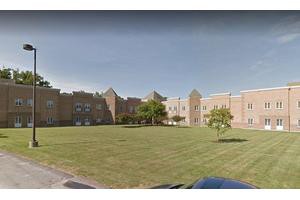
However, the cons are not trivial. The formal atmosphere, while reassuring to some, can feel stiff to others and may dampen spontaneity. The layout, described as circular or sprawling, risks confusion for new residents and guests, potentially impacting orientation and a sense of independence. Room sizes surface repeatedly as a trade-off: some tours find spaces spacious enough, while others deem them smaller compared with competing communities. The campus houses a mix of assisted living and nursing care; for families seeking a pure assisted-living ambiance, the nursing-home perception may be a misalignment. Costs also surface as a hurdle: some residents report upfront cash requirements or services billed à la carte, which can complicate budgeting and insurance planning.
Practical decision factors help crystallize fit. Prospective residents should tour with an eye on the rehab unit and ask for a straight accounting of what services are included versus charged separately. Request current floor plans to gauge actual room dimensions and storage, and sample the dining options to judge home-style suitability. Inquire about staffing ratios during peak hours and verify how the community supports meaningful family involvement. The Catholic Diocese backbone can be a meaningful value for families seeking faith-based programming and a sense of community priority, but it also signals a campus culture that favors structured programming and scheduled outings. Location in North Smithfield offers regional convenience for Rhode Island families, but distance remains a consideration for daily visits.
Bottom line: The Villa At Saint Antoine offers a compelling option for seniors who want a high-caliber staff, active lifestyle, and rehab-ready environment within a faith-informed campus. The main decision hinge lies in tolerance for a more formal setting, potential extra charges for dining and services, and the desire for larger living spaces. If independence, home-like ambiance, and proximity to family are top priorities, alternatives should be explored. For families prepared to navigate pricing discussions and to evaluate room layouts against personal preferences, Saint Antoine can be a strong, confidence-inspiring choice that delivers reliable care and meaningful engagement.
 90 resident community capacity
 Assisted Living
 Skilled Nursing Facility
 Activities on-site
 Air-conditioning
 Beauty salon
 Cable or satellite TV
 Computer center
 Devotional services off-site
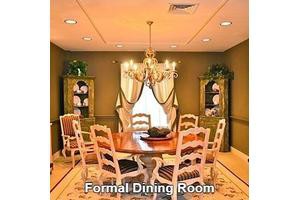
 Dining room
 Fitness room
 Fully furnished
 Gaming room
 Garden
 Housekeeping services
 Indoor common areas
 Kitchenette
 Move-in coordination
 Outdoor space
 Private bathrooms
 Restaurant-style dining
 Small library
 Telephone
 Wellness center
 Wi-Fi/high-speed internet available
 Theodore F Green State (20 miles away)
 Community operated transportation
 24-hour call system
 Ambulatory care
 Assistance with bathing
 Assistance with dressing
 Assistance with transfers
 Diabetes diet
 Diabetic care
 Medication management
 Special dietary restrictions
 Concierge services
 Planned day trips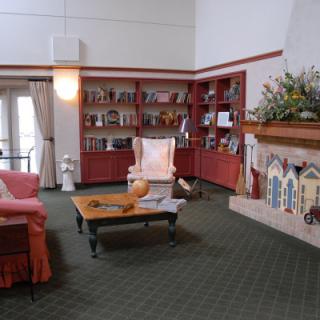


 Is Assisted Living Deductible on Your Taxes? Understanding the Complexities of Assisted Living Expenses and Deductions
 Assisted Living Support for Veterans: A Complete and Detailed Overview
 Exploring the Contrasts Between Assisted Living and Skilled Nursing