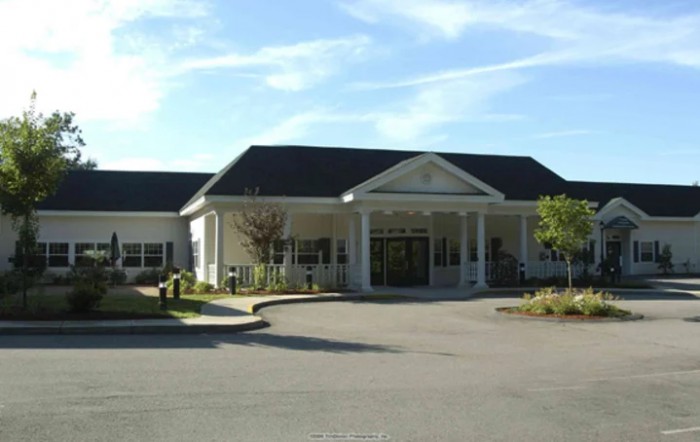
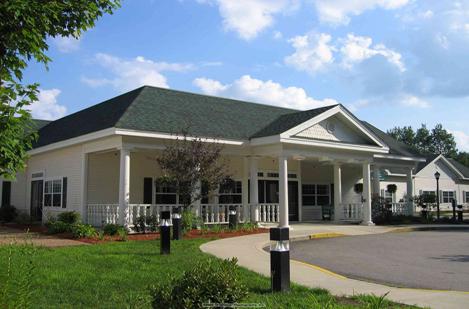

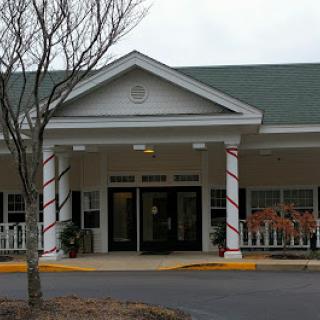
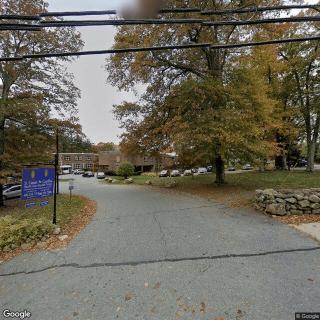
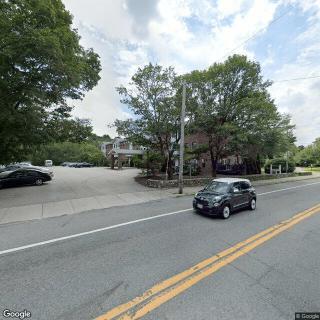
60 Quaker Highway, Uxbridge, MA 01569
For more information about senior living options: (866) 208-4318
Overall Review of Lydia Taft House
Pros
 Lydia Taft House offers a truly home-like setting where staff treat residents as if they were their own family.
- The caregivers are attentive, compassionate, and always eager to help.
- The environment is warm and welcoming, with staff devoting meaningful time to keeping family members informed and at ease.
- Regular staff, including CNAs and nurses, are great.
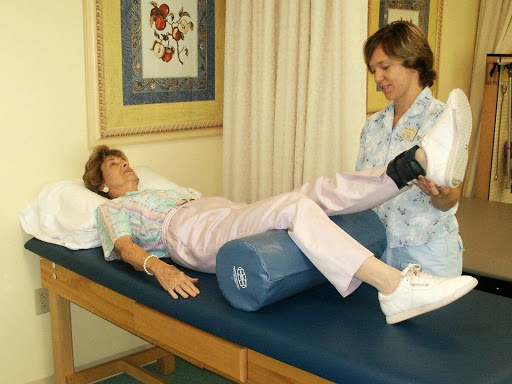
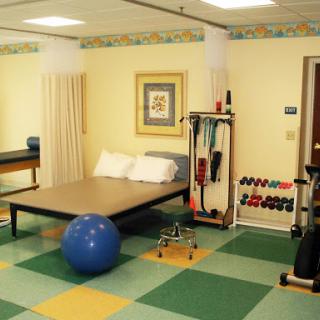
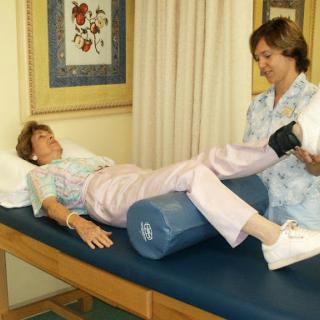
- The physical therapy, occupational therapy, and nursing staff are exceptional and experienced.
- The rehab and medical care are proactive and effective, helping residents recover and return home.
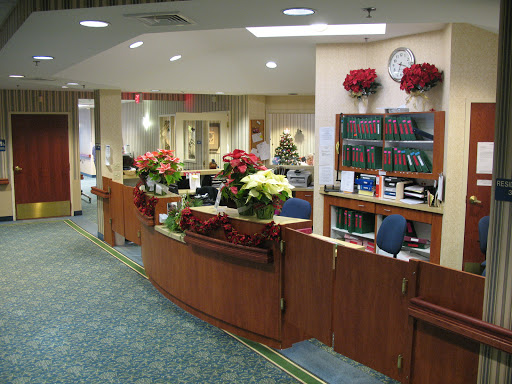
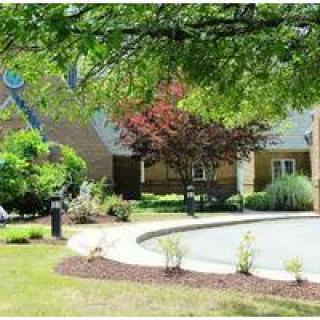
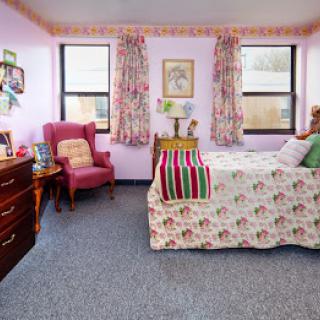
- The facility is clean, comfortable, and filled with homey touches.
- The food is quite good with lots of options.
Cons
 Agency staff not so great, with few that actually care.
- Disappointing treatment by Administrator Tony Lacke.
- The nursing staff at Lydia Taft House were accused of killing a resident.
- The food is horrible and loaded with salt.
- The dietician has not even stepped foot in the building and has never met with any residents about dietary needs.
- Some CNAs are mean and nasty, and the nurses don't help and act above others.
- The buzzers are ignored and residents wait for assistance.
- The facility is consistently understaffed and overworked.
- The place should be shut down due to abuse, neglect, and mismanagement.
Review
Lydia Taft House in Uxbridge is best suited for families seeking a truly home-like environment where rehab and skilled nursing are delivered with unmistakable warmth, and where a smaller, 50-something bed setting fosters genuine connection between residents and caregivers. This community leans into personal attention: staff members are described as attentive, compassionate, and eager to help, with regular caregivers, CNA and nursing staff, providing consistent, hands-on care that many families value highly. The setting itself reinforces that approach: a calm, manageable footprint where residents can participate in purposeful activities, enjoy sunlit spaces, and be treated as part of a cared-for family. For seniors recovering from surgery or needing ongoing rehabilitation, Lydia Taft often delivers tangible progress in a setting that feels less like a clinical box and more like a lived-in home. In short, it rewards families who prioritize meaningful daily engagement, visible care, and a nurturing atmosphere over clinical formality.
That said, this community is not the obvious fit for every profile. Alternatives should be considered by families that demand flawless leadership visibility and unwavering reliability in governance. Several reviews flag concerns about management responsiveness and follow-through, including delays in bed status updates and limited empathy in communications from leadership. When the top administrator or the management team appears disconnected from everyday resident life, the risk grows that important changes, like care planning, staffing consistency, or timely updates, fall through the cracks. Additionally, the contrast between regular staff and agency staff creates a wake of variability: agency personnel can be excellent, then abruptly less engaged, which matters greatly for residents who rely on steady routines. For families that must see consistent, proactive supervision, these questions merit serious attention.
On the positive side, Lydia Taft clearly excels in care quality where it counts most: rehab outcomes and day-to-day compassion. Several residents and families recount successful physical and occupational therapy experiences that accelerated recovery and helped individuals regain independence, sometimes enabling return home after joint surgery. The nursing team is repeatedly described as welcoming and engaged, with therapy and medical teams coordinating well to respond to evolving needs. The home-like atmosphere, plus amenities that support activity, socializing, and mental engagement, contributes to a mood that feels hopeful rather than clinical. Cleanliness and a cheerful, sunlit environment further reinforce the sense that residents are cared for with dignity and respect. For families prioritizing hands-on rehabilitation and sustained human warmth, these positives strongly argue in favor of Lydia Taft.
Yet the critique thread in these reviews cannot be ignored. A subset of families reports serious concerns about understaffing, staff burnout, and uneven care quality that align with broader fears about safety and consistency. Hunger for reliable staffing is echoed in complaints about how quickly needs are addressed, how frequently call bells go unanswered, and how well procedures are followed day-to-day. Several anecdotes point to disagreement about meal quality and dietary management, including cases where diets designed to reduce salt or address specific health conditions were not consistently enacted. Finally, a cluster of accounts alleges missteps by leadership and even claims of neglect or mistreatment. While these accounts vary in intensity and some appear isolated, they create a real caution flag for families who must weigh long-term reliability, governance accountability, and the potential for risk in daily care.
The key to navigating Lydia Taft House rests on evaluating how its strongest strengths align with risk tolerance. The proven rehab success, the hands-on, family-like care, and the intimate scale of the community can offset several common long-term concerns if the goal is short-term recovery with a strong likelihood of returning home. For families planning for extended stays, or for those who require unambiguous, consistently enforced procedures and transparent leadership, the balance may tilt toward seeking other options. Prospective residents should insist on a clear, written picture of staffing patterns across shifts, a plan for addressing staffing shortfalls, and concrete examples of how care plans are updated and communicated. Observing a shift, speaking with frontline staff across roles, and asking about recent state or regulatory inspections can yield critical clarity.
Ultimately, Lydia Taft House stands out for families who prize a warm, home-like rehab-centric experience and who are comfortable with a degree of management variability in exchange for intimate, personal care. It is a credible choice for those who want to see tangible rehab gains and enjoy a setting where staff greet residents by name and know their preferences. However, for families where leadership accountability, consistent daily operations, and predictable, high-level staffing are non-negotiable, serious due diligence is essential. The prudent path is to visit multiple times, engage with both the care team and the administrative leadership, and set explicit expectations about communication, care planning, and meal standards. When those conditions are met, Lydia Taft House can be a compelling, practical choice; when they are not, it may be wiser to pursue alternatives that prioritize governance clarity and staffing consistency alongside quality of care.
 53 resident community capacity
 Skilled Nursing Facility
 Air-conditioning
 Beauty salon
 Cable or satellite TV
 Computer center
 Dining room
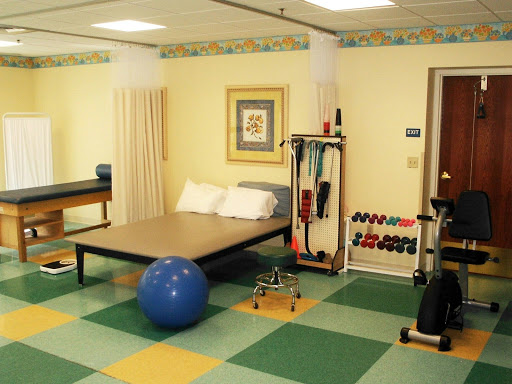
 Fitness room
 Fully furnished
 Gaming room
 Garden
 Housekeeping services
 Kitchenette
 Move-in coordination
 Outdoor space
 Private bathrooms
 Restaurant-style dining
 Small library
 Telephone
 Wellness center
 Wi-Fi/high-speed internet available
 Worcester Regional (19 miles away)
 Community operated transportation
 12-16 hour nursing
 24-hour call system
 Activities of daily living assistance
 Assistance with bathing
 Assistance with dressing
 Assistance with transfers
 Diabetes diet
 Medication management
 Mental wellness program
 Special dietary restrictions
 Concierge services
 Planned day trips

 Seniors and Modern Transportation: Exploring Uber, Lyft, and Other Ride-Hailing Options
 Comprehensive Guide to Qualifying for Home Health Care Services
 Powerful Realities of Elder Abuse and the Most Effective Ways to Report It